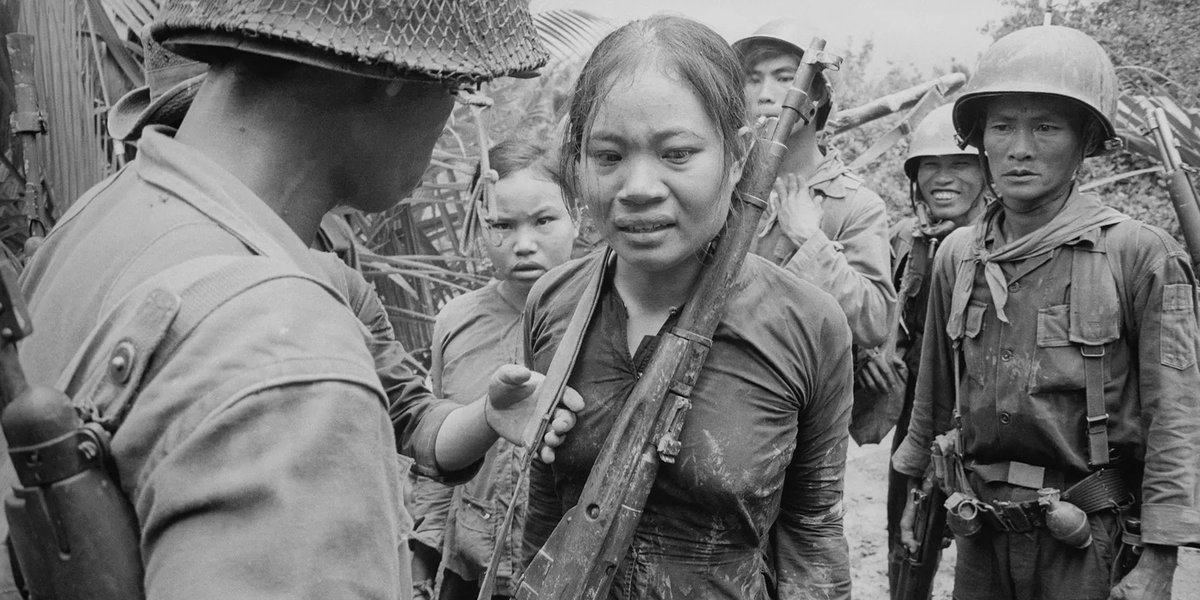
Have you ever wondered why the world operates the way it does? Why nations rise and fall, how technology shapes our daily lives, or what drives global conflicts and cooperation? The answers lie within “modern history” – a sweeping, dynamic era that has forged the very fabric of our present reality. Far from being a dusty collection of dates, modern history is a living narrative, connecting the innovations and upheavals of centuries past directly to the headlines of today.
This period, typically beginning around the late 15th century and extending to our current moment, marks a profound departure from earlier times. It’s an age defined by accelerating change, driven by scientific discovery, political revolutions, economic transformations, and an unprecedented interconnectedness across the globe. Understanding these pivotal moments isn’t just about knowing what happened; it’s about grasping why things are the way they are and how we might shape what comes next.
The Dawn of a New Era: From Renaissance to Global Reach
The seeds of modern history were sown in the late 15th century, as Europe emerged from the Middle Ages into a period of renewed intellectual curiosity and exploration. This “early modern period” saw the invention of the printing press, a technological marvel that rapidly disseminated information and ideas, challenging old hierarchies and sparking new ways of thinking. It set the stage for the Scientific Revolution, encouraging empirical observation and critical inquiry that would profoundly alter humanity’s understanding of the universe.
This was also the Age of Discovery, an era when European powers embarked on ambitious voyages, mapping new territories and establishing global trade routes. This process, while leading to unprecedented cultural exchange, also initiated centuries of colonization, permanently altering societies and economies worldwide. These early global connections laid the groundwork for the modern world system we recognize today, establishing patterns of power, wealth, and influence that continue to resonate.
Revolutions That Reshaped Societies: Industry, Ideas, and Nations
As the early modern period transitioned into what we more commonly define as the “modern period” (from the 19th century onwards), several monumental revolutions fundamentally reshaped human existence. The Industrial Revolution, beginning in the late 18th century, harnessed new forms of energy and manufacturing, transforming agrarian societies into industrial powerhouses. Innovations in textiles, steam power, and metallurgy led to mass production, rapid urbanization, and the rise of a new economic system: capitalism. This era also gave birth to competing ideologies like socialism, each vying to define a just society.
Alongside these economic shifts, profound intellectual and political revolutions swept the globe. Ideas of individualism, human rights, and popular sovereignty challenged monarchies and empires, culminating in events like the French Revolution. This period also saw the consolidation of nation-states, facilitated by advancements in logistics and communication, allowing for centralized administrations and unprecedented projection of power. If you’re curious about the catalysts for modern conflict and alliances, you might want to [Explore the best war documentaries].
A World Divided, Then Connected: The 20th Century’s Tumult and Transformation
The 20th century stands as a testament to both humanity’s incredible capacity for progress and its horrifying potential for destruction. It witnessed two devastating World Wars, born from escalating nationalism, imperialism, and complex alliances. These conflicts introduced warfare on an unprecedented scale, leveraging industrial and technological might to horrific ends. The post-World War II era then ushered in the Cold War, a decades-long ideological struggle between capitalist democracies and communist states. During this tense standoff, the role of leadership was paramount, and you can [Explore Cold War Presidents] to understand the figures who navigated this precarious balance of power.
The Cold War profoundly shaped global politics, creating a bipolar world order that impacted countless nations. Key moments, like the construction and eventual fall of the Berlin Wall, symbolized this division. If you want to visualize this stark separation, you can view a [berlin wall map location]. However, this era was not just about conflict; it was also a time of rapid scientific advancement, from the space race to the dawn of computing. It’s a rich period for reflection, perhaps by considering [what year was 80 years ago today] and thinking about the immense changes within a single lifetime.
The Rise of a New Global Order: From the 1990s to the New Millennium
The collapse of the Soviet Union in 1991 marked the end of the Cold War and the beginning of a new, multipolar world order. This period was characterized by accelerated globalization, driven by burgeoning digital technologies and interconnected economies. We saw a surge in consumer culture and technological innovation. To grasp the vibrant transition, [Discover 1990s facts Explore facts from] and see how daily life shifted. We saw the rapid expansion of the internet, setting the stage for the digital revolution that would define the upcoming century.
The 1990s were a fascinating decade of change and adaptation. You might be interested to [Discover 1991 interesting facts. Explore 1991s], or perhaps [Discover what happened in 1992] as the world grappled with new geopolitical realities. Economic shifts, cultural phenomena, and emerging technologies were reshaping societies everywhere. Curious about specific moments? [Explore events from 1993 What happened], [1994 pop culture], or even [What happened in 1995? Explore the] and [Discover what happened in 1996] to understand how this era unfolded. As the decade progressed, we continued to see shifts. To appreciate the late-90s vibe, find out [What happened in 1997 Explore facts], [Discover what happened in 1998], and [What happened in 1999] as we stood on the precipice of a new millennium.
The Information Age and Beyond: Navigating Our Contemporary Landscape
The turn of the 21st century plunged humanity into an even more interconnected and complex world. While technology promised further progress, it also presented new vulnerabilities. The tragic events of September 11, 2001, highlighted how modern conflicts could transcend borders and challenge traditional notions of warfare. These attacks, which left an indelible mark on global consciousness, demonstrated the dark side of interconnectedness and the profound human cost of extremism. To truly understand the gravity and aftermath, it’s important to [Read powerful 9/11 quotes. Explore essential] reflections, or even review [nine 11 videos]. The sheer horror of the day is hard to fathom, and the accounts of [people jumping from twin towers] remain a stark reminder of the desperation faced by victims.
The years that followed 9/11 saw significant shifts in international relations, security policies, and public discourse. Exploring [world events around 2003] and [See what happened in 2004] will reveal the initial responses and ongoing global challenges. Later in the decade, [Major historical events in 2005] continued to shape the geopolitical landscape, leading to further complex global challenges which can be understood when you delve into [what happened in 2009]. The digital revolution continued to accelerate, transforming communication, commerce, and culture at an unprecedented pace. For example, if you consider [What was popular in 1988], you’ll see a stark contrast to today’s ubiquitous digital trends.
Our Ongoing Journey: Reflecting on the Recent Past
Modern history is not a closed book; we are living it right now. The rapid pace of technological innovation, the ongoing struggle for social justice, and the constant evolution of global political structures continue to define our era. To grasp how quickly things change, you might want to [Explore events from 25 years ago] and consider how those events shaped today. Understanding the patterns of the past, the dual role of technology—both for liberation and oppression—and the profound impact of ideologies is crucial. For a broader perspective on the current age, explore the [21st century timeline].
This historical journey reminds us that while progress is possible, it is never inevitable. We must continually engage with ethical considerations, promote human rights, and foster tolerance to prevent the mass atrocities of the past from ever recurring. For technologists, policymakers, and indeed, every global citizen, understanding this rich, often turbulent history is not just an academic exercise—it’s an essential guide to building a more equitable and sustainable future.
Peta Pilar
- 1991 interesting facts
- 1994 pop culture
- 21st century timeline
- 9 11 quotes
- berlin wall map location
- best war documentaries
- cold war presidents
- events from 1993
- facts about the 1990
- facts of 1997
- historical events in 2005
- nine 11 videos
- people jumping from twin towers
- things popular in 1988
- what happened 25 years ago this year
- what happened in 1992
- what happened in 1995
- what happened in 1996
- what happened in 1998
- what happened in 1999
- what happened in 2004
- what happened in 2009
- what year was 80 years ago today
- world events around 2003










