For the bigger picture and full context, make sure you read our main guide on How Imperialism Caused World War 1 By Sparking Colonial Rivalries.
The intricate web of global ambitions known as world war i imperialism didn’t just expand empires; it directly poisoned diplomatic relations among European powers, setting a collision course for the deadliest conflict the world had yet seen. Far from being a mere backdrop, the relentless pursuit of colonial dominance became a potent accelerant, sparking intense rivalries that repeatedly brought nations to the brink of war before the final outbreak in 1914. Understanding this connection isn’t just about historical detail; it’s about recognizing how unchecked competition for resources and prestige can morph into existential threats.
At a Glance
- Uncover how colonial aspirations directly fueled European animosities, leading to a climate of deep distrust and military buildup.
- Examine the “Scramble for Africa” as a primary arena for
world war i imperialism, where disparities in colonial holdings bred significant resentment, especially from Germany. - Dive into the Moroccan Crises (1905, 1911), crucial flashpoints that demonstrated how colonial disputes could escalate into major international confrontations.
- Identify Germany’s specific grievances and how its pursuit of a “place in the sun” intensified competition with established colonial powers like Britain and France.
- Understand how
world war i imperialismserved as a foundational long-term cause, intertwining with militarism and alliance systems to make a larger conflict almost inevitable.
The Scramble for Dominance: How Global Ambition Fueled European Resentment
Imperialism, at its core, is one country extending its political, economic, or cultural authority over another country or region, whether through direct control or economic influence. For late 19th and early 20th-century Europe, this wasn’t just an abstract concept; it was a voracious appetite for global territory, raw materials, and new markets. This period, often dubbed the Age of Imperialism, saw powerful European nations carve up vast swathes of the world, fostering fierce competition that directly contributed to the tensions leading to World War I.
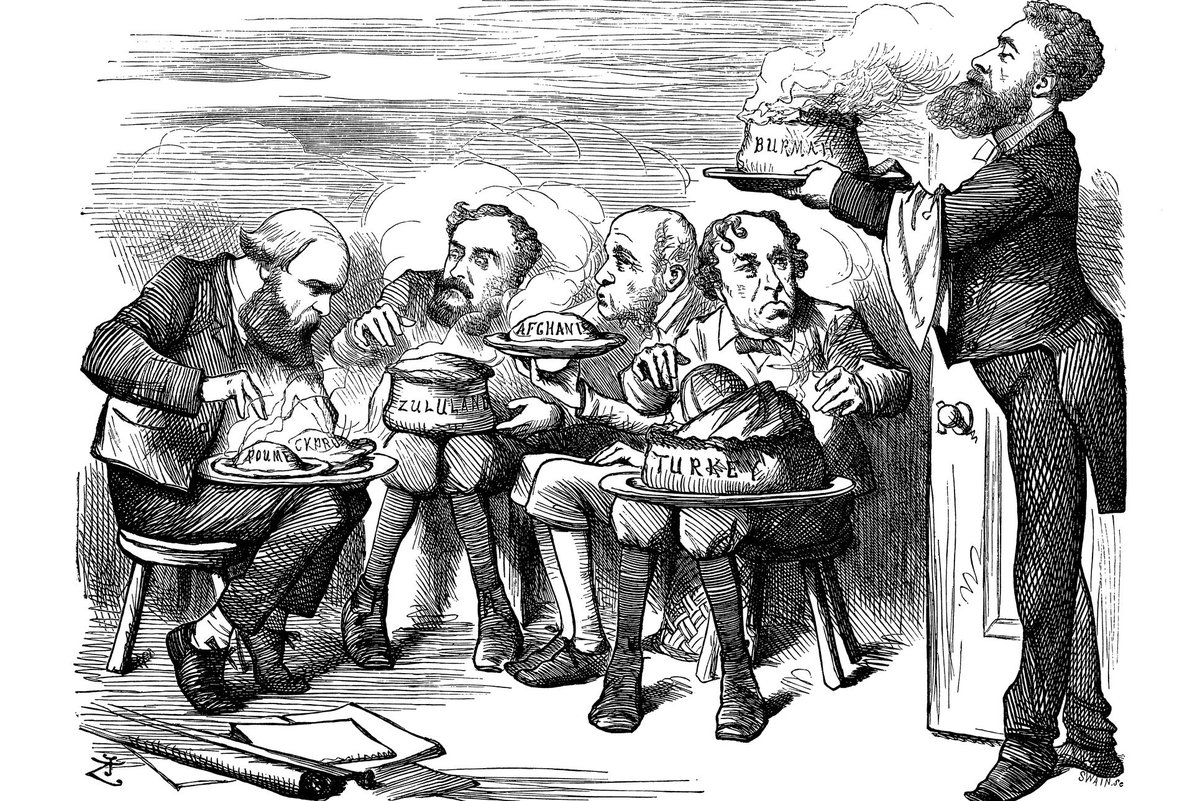
The “Scramble for Africa” epitomized this drive, turning the continent into a chessboard for European powers. By 1914, Britain boasted an empire of 56 colonies, France held 29, but Germany, a rapidly industrializing power, had a mere 10. This stark disparity bred deep resentment within Germany. German leader Otto von Bismarck had attempted to manage these ambitions by convening the 1884 Berlin Conference, ostensibly to divide Africa peacefully and avert conflict. Yet, the underlying rivalry persisted, festering beneath the veneer of diplomatic protocols. Germany felt genuinely disadvantaged, believing it had arrived late to the colonial feast and was unfairly denied its rightful “place in the sun” on the global stage. This perceived injustice fueled a desire for greater colonial holdings, bringing it into direct competition with the established empires of Britain and France.
For a broader understanding of how these imperialistic drives laid the groundwork for the global conflict, you might want to review the full historical context in our pillar article: How Imperialism Caused WW1. Here, we delve deeper into the specific instances where colonial ambitions nearly ignited the powder keg long before the Archduke’s assassination.
Flashpoints of Frustration: The Moroccan Crises as Dress Rehearsals for War
German discontent over its limited colonial empire wasn’t merely rhetorical; it manifested in aggressive diplomatic maneuvers that repeatedly tested the resolve of other European powers. The two Moroccan Crises stand as stark examples of how world war i imperialism could escalate local colonial issues into major international confrontations. These incidents weren’t just disputes over distant lands; they were power plays directly challenging the existing balance and forging new, hostile alliances.
The First Moroccan Crisis (1905-1906): Kaiser Wilhelm II’s Provocation
The First Moroccan Crisis, also known as the Tangier Crisis, erupted in March 1905. France had long considered Morocco its sphere of influence, a natural extension of its North African empire. German Kaiser Wilhelm II, however, chose this moment to make a dramatic visit to Tangier, Morocco. His speech overtly challenged French claims, declaring support for Moroccan independence and asserting Germany’s right to protect its own interests in the region.
This move was a deliberate provocation, aimed at undermining the nascent Entente Cordiale between France and Britain, which had settled their own colonial disputes in 1904. Germany’s gamble was that Britain wouldn’t stand by France, thereby weakening both and leaving Germany in a stronger negotiating position. However, the crisis backfired: Britain publicly backed France, demonstrating the strength of their new understanding. The resulting Algeciras Conference (1906) did settle the immediate disagreement, but it solidified Franco-British cooperation and further alienated Germany, heightening tensions between France and Germany to a dangerous degree.
The Second Moroccan Crisis (1911): The Agadir Incident
The Second Moroccan Crisis, or Agadir Crisis, brought Europe even closer to war. In April 1911, a rebellion broke out in Morocco, prompting France to send troops to restore order, further solidifying its imperialistic influence. Germany, still smarting from the previous crisis and resenting France’s deepening control, saw this as another opportunity to assert itself.
In a bold and aggressive move, Germany dispatched the SMS Panther, a gunboat, to the Moroccan port of Agadir. This act was a clear demonstration of naval power, intended to pressure France into ceding colonial territory elsewhere as compensation for its gains in Morocco. The world war i imperialism stakes were now undeniably high. This escalation particularly alarmed Britain, which saw German naval expansion and aggression as a direct threat to its maritime dominance and its ally, France. While the crisis ultimately concluded with the Franco-German Accord on November 4, 1911—France gained Morocco as a protectorate, while Germany received some territory in the French Congo—the diplomatic fallout was severe. These crises fostered significant anger and distrust among European powers, cementing the understanding that colonial competition was not just a distant issue, but a direct threat to peace on the continent.
Beyond Morocco: The Deeper Rot of Distrust and Alliance Building
The Moroccan Crises were not isolated incidents; they were symptoms of a deeper geopolitical malaise, illustrating how world war i imperialism systematically eroded trust and solidified rival alliance systems. These constant tests of power left European nations increasingly suspicious of one another’s intentions, making every diplomatic interaction a potential trap and every colonial expansion a direct threat.
The existing alliance systems, initially designed for defense, began to morph under the pressure of imperial rivalries. The Triple Alliance (Germany, Austria-Hungary, Italy) and the Triple Entente (Great Britain, France, Russia) were not static entities; their strengths and weaknesses were constantly tested by events like the Moroccan crises. The crises pushed Britain and France closer together, reinforcing the Entente Cordiale and evolving it into a de facto military understanding. Germany, feeling encircled and isolated, doubled down on its alliance with Austria-Hungary, making both sides more rigid and less willing to compromise.
While world war i imperialism was a primary driver, other complex factors also fueled the rising tensions. Serbian nationalists’ aspirations to unite all Slavic peoples in the Balkan region created severe friction with Austria-Hungary. Furthermore, German annexation of Alsace-Lorraine following the Franco-Prussian War of 1870-71 instilled a deep desire for revenge in France. These issues, though distinct, became entangled with imperial competition. A dispute over a railway in the Ottoman Empire, for instance, could become a flashpoint due to conflicting British, German, and Russian imperial interests in the region. The cumulative effect was a highly volatile international environment where a localized incident, like the assassination of Archduke Franz Ferdinand, could rapidly draw all major powers into a catastrophic conflict.
Practical Playbook: Navigating Imperial Power Dynamics (Lessons from 1914)
Analyzing the lead-up to WWI through the lens of world war i imperialism offers crucial insights into the pitfalls of international relations driven by unchecked competition. For anyone looking at historical decision-making or current global dynamics, these lessons are strikingly relevant.
Pitfall 1: The Zero-Sum Game Mentality
One of the most dangerous aspects of world war i imperialism was the prevalent belief that colonial gain for one nation inherently meant loss for another. Germany’s resentment stemmed directly from this zero-sum thinking: since Britain and France had vast empires, Germany felt it was being denied its rightful share. This mindset fosters an environment where cooperation is seen as weakness and every negotiation is a battle for dominance.
- Actionable Insight: In any competitive environment, question assumptions about zero-sum outcomes. Are there genuinely mutually beneficial solutions, or are you operating under an outdated paradigm of unavoidable conflict? Acknowledging shared interests, even amidst competition, can open diplomatic avenues.
Pitfall 2: Underestimating “Soft Power” Consequences
The economic exploitation and political control inherent in imperialism, while seemingly distant in Africa or Asia, had profound “soft power” consequences back in Europe. The control of strategic ports, trade routes, and resources translated directly into national prestige and military capability, which in turn stoked rivalries between European capitals. These distant colonial activities were not detached but integral to the European power balance.
- Actionable Insight: When evaluating international actions, consider the full spectrum of their impact, beyond immediate economic or strategic gains. How do perceived slights, imbalances of power, or aggressive posturing in one sphere affect relations in others? Reputations and perceptions of fairness (or lack thereof) can heavily influence future interactions.
Pitfall 3: Brinkmanship as a Diplomatic Tool
Both Moroccan Crises involved high-stakes brinkmanship, with Germany repeatedly pushing the envelope to challenge French and British interests. While Germany achieved minor colonial concessions in the Second Moroccan Crisis, the overall effect was disastrous: it hardened alliances, deepened distrust, and normalized the use of aggressive tactics. Each crisis made the next diplomatic hurdle harder to clear, diminishing the space for peaceful resolution.
- Actionable Insight: While assertive diplomacy has its place, repeated reliance on brinkmanship erodes trust and makes de-escalation exponentially more difficult. A pattern of aggressive posturing can inadvertently lead to situations where even minor incidents trigger disproportionate responses. Build relationships of predictable diplomacy rather than constant tests of will.
Decision Point: When Does a Colonial Dispute Become a Continental Security Threat?
The Moroccan crises demonstrated a crucial crossover point: colonial disputes, once geographically contained, had become direct tests of continental power and alliance strength. What began as a question of control over North Africa quickly transformed into a question of Anglo-French-German relations and the stability of Europe itself.
- Actionable Insight: Identify and monitor “threshold events” where seemingly localized issues begin to engage broader strategic interests or alliance commitments. Recognize that in an interconnected world, regional frictions can rapidly metastasize into global security concerns. Early and nuanced diplomatic intervention is vital before these thresholds are crossed.
Quick Answers: Deconstructing World War I Imperialism
Was world war i imperialism the sole cause of WWI?
No, world war i imperialism was a primary long-term cause, alongside other significant factors like militarism, the intricate alliance system, and fervent nationalism. It created the underlying tensions and competitive environment that made a large-scale conflict highly probable, but the assassination of Archduke Franz Ferdinand was the immediate spark.
Why was Germany so upset about colonial disparities?
Germany, a latecomer to unification as a nation-state, was rapidly industrializing and saw itself as a major European power deserving of a substantial global empire. It resented the vast colonial holdings of Britain and France, feeling denied its “place in the sun” and believing that colonial possessions were essential for national prestige, economic power, and raw materials. This perceived unfairness fueled its aggressive foreign policy.
How did the Berlin Conference fail to prevent conflict?
While the 1884 Berlin Conference successfully divided Africa among European powers on paper and established rules for colonial acquisition, it ultimately failed to resolve the underlying nationalistic ambitions and intense competition for global influence. It was a temporary truce, not a fundamental shift in imperialistic mindset, and Germany’s continued resentment over its share proved this. The arbitrary lines drawn also sowed seeds of future conflict within Africa itself.
What is a “protectorate” and why was it significant in the context of world war i imperialism?
A protectorate is a nation or region that is dependent on a more powerful country for assistance, especially in defense and foreign affairs, but retains some nominal internal autonomy. In reality, it was a common mechanism of world war i imperialism where European powers exerted significant political and economic control without outright annexation. France gaining Morocco as a protectorate in 1911, for example, meant it effectively controlled the nation, despite not formally making it a colony, satisfying its imperial ambitions while providing a thin veneer of local sovereignty.
The Inescapable Link: From Colonial Ambition to Continental War
The path from world war i imperialism to the global conflagration of 1914 is strikingly clear: colonial rivalries didn’t just exist in parallel with other tensions; they actively exacerbated them. The desperate scramble for territory, resources, and prestige in Africa and elsewhere directly translated into heightened animosity, distrust, and military posturing among European powers. The Moroccan Crises, in particular, served as stark warnings, demonstrating how quickly a dispute over a distant land could trigger continent-wide anxieties and draw major powers to the brink of war.
This era teaches us that seemingly external ambitions can have profound internal consequences, reshaping alliances and hardening diplomatic positions to the point of no return. The competition fueled by imperialism created a volatile atmosphere where the assassination of an Archduke, though tragic, became merely the final matchstick in an already thoroughly doused powder keg. It underscores how economic and geopolitical competition, when unchecked by effective diplomacy and mutual respect, can lead to catastrophic global conflict.










