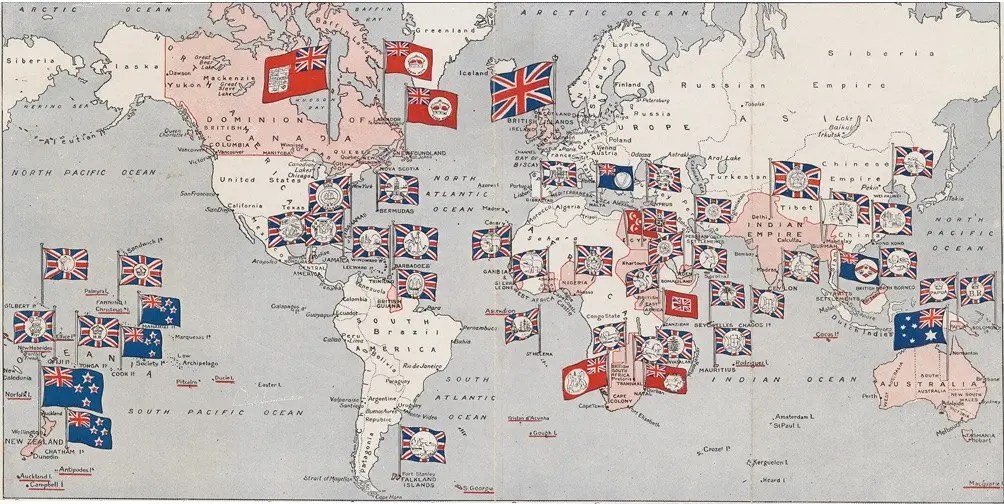
When we dissect the complex tapestry of events leading to World War I, one thread consistently reappears: the relentless pursuit of empires. Understanding how did imperialism cause WWI means diving into the intense competition for colonies that carved up the globe and, in doing so, fractured European peace. This wasn’t merely about distant lands; it was about prestige, resources, strategic advantage, and a dangerous game of ‘keeping up with the Joneses’ that ultimately pushed the continent to the brink.
It’s easy to get lost in the immediate spark—the assassination of Archduke Franz Ferdinand. But that spark landed on tinder that had been accumulating for decades, much of it piled high by imperial ambitions. The drive for colonial dominance fueled a deep-seated distrust and a zero-sum mentality among the Great Powers, turning every acquisition into a perceived loss for a rival.
At a Glance: Imperial Rivalries and the Road to War
- Understanding the “Scramble”: Grasp how the intense European competition for global territory, especially in Africa, became a major source of tension.
- Germany’s Late Entry & Resentment: Recognize why Germany, a rising power, felt disadvantaged in the colonial race and sought to challenge the status quo.
- The Moroccan Flashpoints: Analyze the two Moroccan Crises (1905-06 and 1911) as critical examples of how imperial rivalries pushed European powers to the edge of conflict.
- Escalation of Distrust: See how these colonial disputes fostered animosity, solidified opposing alliance systems, and normalized brinkmanship.
- Imperialism as Tinder: Understand that while not the immediate trigger, imperial competition laid crucial groundwork for the widespread conflict of WWI.
The Global Land Grab: Why Colonies Became the Ultimate Status Symbol
Imperialism, at its core, is one country extending its political, economic, or cultural authority over another region. In the decades leading up to World War I, this wasn’t just a political philosophy; it was a furious, almost desperate, race for global dominance. European powers, driven by industrial needs for raw materials and markets, as well as a potent mix of nationalism and perceived racial superiority, carved up vast swathes of the world.
The most vivid example of this era was the late 19th-century “Scramble for Africa.” Suddenly, a continent previously only partially explored became the object of intense, often ruthless, competition. Countries raced to plant their flags, establish trading posts, and secure resources, turning what might have been distant ventures into immediate sources of European rivalry. By 1914, the sheer scale of colonial holdings underscored this competition: Britain boasted 56 colonies, France 29, while Germany, a rapidly industrializing power, lagged significantly with just 10.
This disparity wasn’t accidental. It was a snapshot of a world already largely claimed by earlier imperial ventures. To delve deeper into how these expansive ambitions factored into the broader causes of the global conflict, consider the broader context of how imperialism caused WW1.
Germany’s “Place in the Sun”: Challenging the Colonial Order
While the Berlin Conference of 1884, convened by German leader Otto von Bismarck, aimed to divide Africa orderly and “avoid conflict,” it primarily formalized the scramble rather than ending the rivalries. Germany, a relatively young nation-state compared to Britain and France, entered the imperial game late. By the early 20th century, its industrial might and growing military power led to a profound sense of grievance and a desire for “a place in the sun”—a larger share of global influence and colonial possessions commensurate with its strength.
This ambition wasn’t subtle. It was an explicit challenge to the established colonial powers, particularly France and Britain, who viewed Germany’s assertive stance as a direct threat to their empires and their global prestige. The feeling of being disadvantaged fueled a nationalist fervor within Germany, convincing many that they were being denied their rightful place on the world stage. This perception created a volatile situation where any German move to acquire or influence territory was seen as a provocation.
Morocco: The Battleground for European Prestige
The tensions generated by this colonial disparity and Germany’s rising ambitions weren’t theoretical. They manifested in a series of diplomatic crises that pushed Europe closer to war. The most notable of these were the two Moroccan Crises, which vividly illustrate how imperial competition directly contributed to the escalating mistrust among European powers.
The First Moroccan Crisis (1905-1906): Kaiser Wilhelm II’s Gambit
The Setup: By the early 20th century, France was steadily extending its influence over Morocco, a strategically important North African nation. This was part of a larger pattern of European powers carving out protectorates and spheres of influence across the continent.
The German Challenge: In March 1905, German Kaiser Wilhelm II made a highly provocative visit to Tangier, Morocco. In a grand display of diplomatic brinkmanship, he declared his support for Moroccan independence and challenged France’s growing sway. This move wasn’t about genuine concern for Morocco; it was a deliberate attempt to test the Anglo-French Entente (an informal alliance formed in 1904) and to assert Germany’s right to have a say in international colonial affairs.
The Resolution (and its Fallout): The crisis was ultimately resolved by the Algeciras Conference in 1906. While the conference affirmed France’s dominant position in Morocco, it also granted Germany some economic concessions. More importantly, it solidified the Anglo-French Entente, as Britain staunchly supported France against German pressure. This outcome, though nominally peaceful, left Germany feeling humiliated and further convinced that the other powers were conspiring to deny its legitimate aspirations. It also showed that German attempts to break up alliances could backfire, making them stronger.
The Second Moroccan Crisis (1911): Gunboat Diplomacy and Near War
The Pretext: In April 1911, France sent troops to quell a rebellion in Fez, Morocco, ostensibly to protect European residents. Germany viewed this as a clear violation of the Algeciras agreement and a final step towards France establishing a full protectorate.
The German Response: Germany responded dramatically by dispatching the SMS Panther, a gunboat, to the Moroccan port of Agadir. This act of “gunboat diplomacy” was a clear signal: Germany would not sit idly by while France expanded its empire. The move sent shockwaves across Europe, bringing France and Germany to the brink of war. Britain, France’s ally, immediately sided with France, making it clear that a naval conflict might ensue if Germany escalated further.
The “Peaceful” Resolution: After intense negotiations, the crisis was resolved by the Franco-German Accord of November 4, 1911. France was granted a protectorate over Morocco (allowing internal autonomy but external dependence on France), effectively formalizing its control. In return, Germany received a portion of the French Congo, a territorial compensation that, while geographically significant, was seen by many Germans as a meager prize for such a high-stakes gamble.
The Lasting Impact: The Second Moroccan Crisis was a stark demonstration of how imperial rivalries could push Europe to the edge of a general conflict. It significantly heightened tensions, deepening the distrust between the Triple Entente (France, Britain, Russia) and the Triple Alliance (Germany, Austria-Hungary, Italy). It also reinforced the idea that aggressive diplomatic maneuvers and military posturing were acceptable tools in the pursuit of national interests, even if they risked war.
Beyond Morocco: A Broader Ripple of Distrust
The Moroccan Crises weren’t isolated incidents. They were symptoms of a larger disease: rampant imperial competition that infected the entire European diplomatic system. Each colonial dispute, whether in Africa, Asia, or the Pacific, became a proxy battle for European dominance, fueling an arms race, solidifying alliance systems, and contributing to a general atmosphere of fear and suspicion.
- Alliance Solidification: The crises, particularly the Moroccan ones, inadvertently strengthened the existing alliances. Britain’s support for France in both instances demonstrated the viability and commitment of the Entente Cordiale, pushing Germany to lean even harder on its own allies.
- Normalization of Brinkmanship: The repeated recourse to aggressive diplomacy and military threats accustomed European leaders to the idea of near-war situations. This “boy who cried wolf” effect might have led some to underestimate the true danger when the final crisis in the Balkans erupted.
- Perceived Breakdown of Balance of Power: Germany’s constant challenging of the colonial status quo, coupled with its rapid military and industrial growth, led many to believe that the established European balance of power was breaking down. This instability made powers more prone to preemptive action or inflexible responses.
A Practical Lens: Lessons from the Dynamics of Imperial Rivalry
While history doesn’t repeat itself exactly, the dynamics of imperial rivalry offer critical insights into how international competition can spiral into conflict.
- The Danger of Unaddressed Imbalances: Germany’s genuine feeling of being left out of the colonial “prize pool” wasn’t addressed constructively. When a powerful nation feels systematically disadvantaged, it often seeks to disrupt the status quo, creating inherent instability.
- The Psychology of Prestige and Humiliation: Colonial acquisitions were not just about resources; they were potent symbols of national prestige. Diplomatic “wins” and “losses” in imperial disputes could deeply wound national pride, making future compromises harder and fostering a desire for revenge or affirmation. The German humiliation after Algeciras, for instance, contributed to a more aggressive stance later.
- Formal Agreements vs. Underlying Resentments: The Berlin Conference and the various Moroccan Accords were formal attempts to manage imperial competition. However, they often failed to address the underlying resentments and ambitions, simply postponing or redirecting the conflict rather than resolving it. Real peace requires addressing root causes, not just symptoms.
- The “Domino Effect” of Crises: Each imperial crisis, even if resolved, didn’t reset the clock. Instead, it built on previous tensions, deepening distrust, strengthening alliances, and making the next crisis more dangerous. This incremental escalation shows how seemingly small disputes can, over time, prime the system for a larger breakdown.
Quick Answers: Decoding Imperialism’s Role in WWI
Was imperialism the only cause of WWI?
No, absolutely not. Imperialism was a core long-term cause of WWI, alongside militarism, the complex alliance systems, and intense nationalism. It acted as a powerful underlying current, creating tensions and rivalries that made the eventual outbreak of war more likely. Other factors like political, territorial, and economic competition, the decline of the Ottoman Empire, and arms races all contributed.
What was the “Scramble for Africa” and why was it so important to WWI?
The “Scramble for Africa” refers to the rapid and intense colonization of almost all of Africa by European powers between the 1880s and 1914. It was crucial because it directly fueled colonial rivalries, particularly between Britain, France, and Germany, as they competed for finite territories, resources, and strategic control. This competition led to diplomatic crises and deepened animosity.
How did the Moroccan Crises directly contribute to WWI?
The First (1905-06) and Second (1911) Moroccan Crises were direct confrontations stemming from imperial ambitions. They showcased Germany’s aggressive challenge to French and British influence, pushing these powers to the brink of war. While not immediately leading to conflict, they cemented opposing alliance systems, heightened mutual distrust, and normalized the use of aggressive diplomatic tactics, making a larger European war seem increasingly inevitable.
Did Bismarck want colonial rivalries to lead to war?
Otto von Bismarck, the German Chancellor who convened the Berlin Conference in 1884, initially sought to manage colonial expansion to avoid direct conflict among European powers, especially protecting Germany’s position in Europe. However, his successors, notably Kaiser Wilhelm II, adopted a far more aggressive imperial policy that deliberately challenged existing colonial powers, significantly escalating rivalries and tensions. Bismarck’s initial aim was pragmatic stability; the later German approach was about asserting power, even at the risk of war.
Connecting the Dots to Conflict: The Imperative of Contention
The story of how did imperialism cause WWI is a vital part of understanding why Europe plunged into such a devastating conflict. It illustrates that long-term, structural factors can be just as crucial as immediate triggers. While the assassination of Archduke Franz Ferdinand provided the explosive spark in July 1914, the dry tinder had been meticulously laid over decades by the relentless pursuit of empires, sparking colonial rivalries, and fostering a deep, corrosive distrust among nations. This scramble for global influence created a zero-sum mentality where every gain for one power was perceived as a loss for another, setting the stage for a conflict that would redefine the 20th century.










