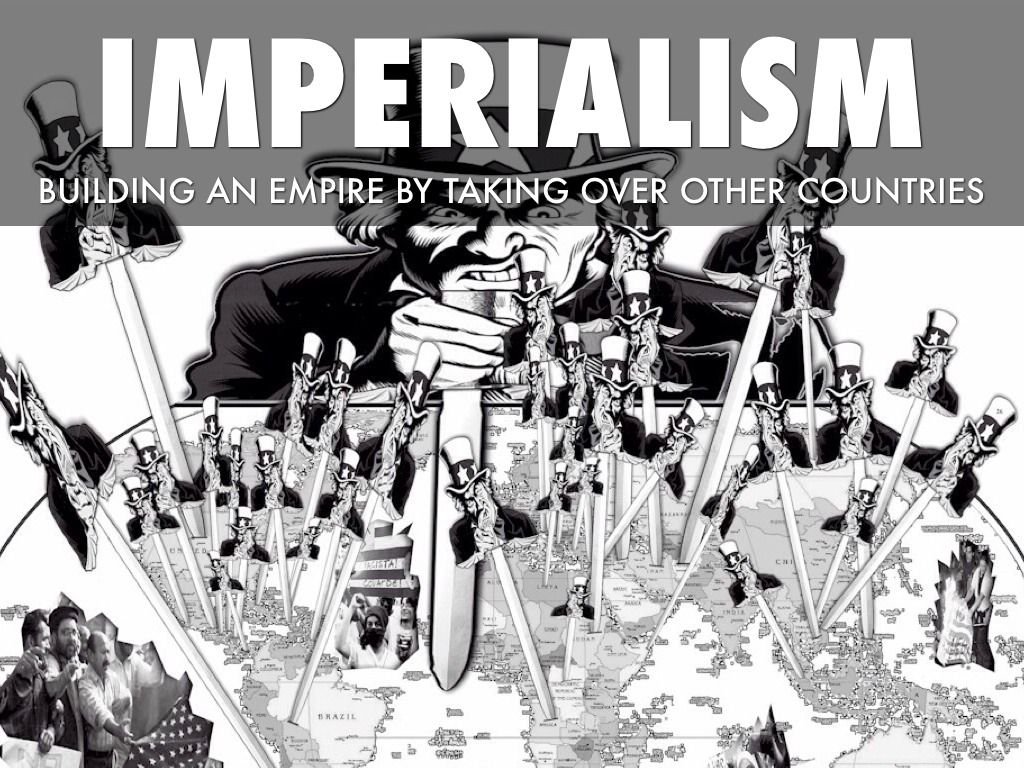
Imagine a high-stakes game of Monopoly played across continents, but instead of fake money and plastic hotels, the stakes were real nations, resources, and human lives. That’s a pretty good analogy for how imperialism laid the groundwork for one of history’s deadliest conflicts. So, how did imperialism cause World War 1? It wasn’t a single, sudden spark, but rather a slow-burning fuse of intense colonial rivalries, fueled by a relentless desire for power and resources, which ultimately ignited the inferno of global war.
This deep dive will unpack the intricate ways the pursuit of empire directly contributed to the Great War, helping you understand not just what happened, but why the drive for colonies put Europe on an irreversible collision course.
At a Glance: Imperialism’s Deadly Role in WWI
- Defining Imperialism: The practice of one country extending its power over another, often through military force or economic control.
- The Scramble for Africa: Intense competition among European powers in the late 19th century to claim African territories, leaving Germany feeling marginalized.
- Colonial Disparity: Britain and France held vast empires, while Germany’s holdings were comparatively meager, sparking deep resentment.
- Moroccan Crises: Two major incidents (1905, 1911) over French influence in Morocco, where Germany challenged Anglo-French dominance, bringing Europe to the brink of war.
- Fueling Distrust: Imperialist competition fostered an environment of anger, suspicion, and aggressive nationalism among the major European players.
- Interconnected Causes: Imperialism acted as a powerful accelerant alongside militarism, the alliance system, and nationalism, creating an unstable powder keg.
Defining the Beast: What Exactly Was Imperialism Before WWI?
Before we dive into the specific events, let’s get clear on our terms. When historians talk about imperialism as a cause of World War I, they’re referring to the policy of extending a country’s power and influence through colonization, use of military force, or other means. It’s about one nation exerting political, economic, or cultural authority over another, often far-flung, territory. Think of it as a nation’s quest for global dominance, driven by a cocktail of economic greed, strategic ambitions, and a belief in cultural superiority. For a deeper look, check out Defining WW1 Imperialism.
In the decades leading up to the Great War, this aggressive expansion wasn’t just a trend; it was the defining characteristic of European international relations. European powers weren’t just content with their borders; they looked outward, across oceans, for new lands to exploit and control. This era truly highlighted Understanding WWI imperialism as a foundational drive for national power.
The Global Land Grab: Europe’s Fierce Scramble for Africa (and Beyond)
The late 19th century witnessed an unparalleled frenzy of colonial expansion, famously dubbed the “Scramble for Africa.” European powers, industrializing at a rapid pace, craved raw materials for their factories—rubber, diamonds, gold, timber—and new markets for their manufactured goods. Africa, with its vast untapped resources, became the ultimate prize.
This wasn’t a gentleman’s agreement; it was a cutthroat race. Britain and France, already holding significant colonial empires, were dominant players. By 1914, Britain boasted an astonishing 56 colonies, while France controlled 29. These vast holdings provided them with immense economic power, strategic naval bases, and a perceived global prestige. This intense competition exemplifies world war i imperialism in action.
Germany’s Growing Resentment: The “Have-Nots” vs. The “Haves”
Enter Germany. Unified relatively late (1871) compared to its Western European counterparts, Germany felt it had arrived late to the colonial feast. Despite its burgeoning industrial might and military power, its colonial holdings were meager—only 10 by 1914, mostly in less desirable parts of Africa. This disparity bred deep resentment. Germany felt that its status as a rising global power wasn’t reflected in its colonial empire, leading to a profound sense of injustice and a fierce desire for “a place in the sun.”
This feeling of being marginalized fueled a more aggressive German foreign policy, directly challenging the established order dominated by Britain and France. It was a clear signal of how competitive expansionism can sour international relations and how did imperialism contribute to an environment of suspicion.
Flashpoints in North Africa: The Moroccan Crises That Nearly Ignited Europe
The tension over colonial possessions wasn’t theoretical; it erupted into concrete crises that repeatedly pushed Europe to the brink of war. The most famous of these were the two Moroccan Crises, which served as dress rehearsals for the larger conflict to come.
The First Moroccan Crisis (1905–1906): Kaiser Wilhelm’s Provocation
In March 1905, German Kaiser Wilhelm II dramatically sailed into Tangier, Morocco, declaring his support for Moroccan independence. This move was a direct challenge to French influence in the region, which Britain tacitly supported. The Kaiser’s objective was clear: test the strength of the Anglo-French Entente Cordiale (an informal alliance formed in 1904) and demonstrate Germany’s right to have a say in global affairs.
The crisis escalated, leading to the Algeciras Conference in 1906. While the conference ultimately affirmed French control over Moroccan police and finance (a diplomatic defeat for Germany), it solidified the Anglo-French bond. It also showed Germany that its aggressive tactics could isolate it and that Britain and France were increasingly willing to stand together against German challenges.
The Second Moroccan Crisis (1911): The Agadir Incident
Just five years later, another flare-up in Morocco cemented the idea that imperial ambitions were a ticking time bomb. In April 1911, a rebellion broke out against the Moroccan Sultan. France, under the guise of restoring order, sent troops to the Moroccan capital, Fez, effectively cementing its control over the country.
Germany reacted with fury. Seeing France’s actions as a violation of previous agreements, Germany dispatched the gunboat SMS Panther to the Moroccan port of Agadir in July 1911. This audacious act was a clear show of force, demanding compensation and asserting Germany’s right to colonial expansion. The “Panther’s Leap” sent shockwaves across Europe. British Prime Minister David Lloyd George publicly warned Germany against such aggressive moves, firmly backing France and showcasing the strength of the Entente Cordiale. This stark moment illustrated How imperialism sparked WWI.
The crisis was eventually defused through the Franco-German Accord of November 1911. France gained full protectorate status over Morocco, while Germany received a sliver of the French Congo as compensation. Though war was averted, the crises left a bitter taste. Germany felt humiliated and confirmed its belief that it needed to build its military and navy to compete on the global stage. France and Britain, for their part, grew more suspicious of German intentions and deepened their informal alliance. This constant jostling for territories and influence dramatically demonstrated imperialism and wwi was about more than just land; it was about power.
Beyond Morocco: How Colonial Ambitions Fueled Broader Distrust
The Moroccan crises were just two prominent examples of how imperialist competition fostered a wider atmosphere of anger, distrust, and rivalry among the great European powers. Each nation saw its own colonial empire as a measure of national greatness and a source of economic and strategic advantage. Losing out in the colonial race wasn’t just a missed opportunity; it was a blow to national pride and a perceived weakening of one’s position on the world stage.
This relentless quest for colonies meant that European nations were constantly clashing, not just in distant lands but also diplomatically back home. Empires were interconnected, making any colonial dispute a potential international incident. The competition wasn’t limited to Africa either; spheres of influence in Asia, islands in the Pacific, and trade routes globally were all hotly contested. This widespread imperial rivalry undeniably contributed to How imperialism led to WWI.
Imperialism as a Domino: Connecting it to the Other Causes of WWI
While imperialism was a colossal long-term cause, it didn’t act in isolation. It was deeply intertwined with the other major drivers of World War I:
- Militarism: The need to defend vast colonial empires (and to acquire new ones) directly fueled an arms race. Navies expanded to protect global trade routes, and armies grew to project power abroad. Germany’s desire for a larger navy, for instance, was directly linked to its ambition for a larger empire, creating friction with naval superpower Britain.
- Alliance Systems: The heightened tensions and distrust born from imperial rivalries led nations to seek security in alliances. The Triple Alliance (Germany, Austria-Hungary, Italy) and the Triple Entente (Great Britain, France, Russia) were, in part, responses to perceived threats and competition, including those stemming from colonial ambitions. These alliances, once in place, meant a localized conflict could quickly draw in multiple nations. If you’re wondering What sparked World War I, imperialism is a cornerstone.
- Nationalism: The belief in one’s own nation’s superiority and its right to expand was a core tenet of imperialism. This intense nationalism, often fueled by jingoistic press, encouraged the public to support colonial adventures and military expansion, further escalating tensions. Think of the intense Serbian nationalism in the Balkans, aspiring to unite Slavic peoples, which clashed directly with Austria-Hungary’s imperial designs.
Imperialism, therefore, wasn’t just a cause; it was a foundational pressure point that exacerbated all the other tensions. It ensured that when the immediate spark arrived, the fuel was plentiful, and the system was already primed for explosion. This complex interplay is why understanding Imperialism in World War I is crucial.
The Unraveling: How Rivalry Led to the Brink
By the early 20th century, European powers had carved up much of the world, but the scramble for what little remained, and the desire to re-divide existing empires, kept tensions dangerously high. Each colonial dispute, each diplomatic slight, chipped away at international trust and reinforced the belief that only military strength could secure national interests. It painted a vivid picture of How Imperialism Fueled WW1 years before the first shots were fired.
This environment of aggressive competition and deep-seated animosity meant that when Archduke Franz Ferdinand was assassinated in Sarajevo on June 28, 1914, Europe’s leaders viewed the crisis through the lens of power, prestige, and imperial ambition. Austria-Hungary saw an opportunity to solidify its influence in the Balkans, backed by Germany’s desire to assert its authority. Serbia, driven by nationalist dreams and Russian support, resisted. The carefully constructed alliance system, born from imperial rivalries, clicked into place, pulling nations into a conflict none could control. This shows precisely How imperialism caused WWI.
The events that followed — Austria-Hungary’s ultimatum to Serbia, declarations of war, and the rapid mobilization of armies — were the culmination of decades of simmering imperialist tensions. It underscores How imperialism fueled WWI in a very real, tangible way. The thirst for global dominance, for resources, and for national prestige had made compromise nearly impossible. These accumulated grudges and strategic maneuvers were critical to How imperialism fueled WWI.
The Lingering Shadow: Imperialism’s Legacy After WWI
The First World War ultimately accelerated the decline of traditional imperialism, though not immediately. The war itself collapsed four major imperial dynasties: the Habsburgs of Austria-Hungary, the Hohenzollerns of Germany, the Ottoman Empire, and the Romanovs of Russia. The map of Europe was dramatically redrawn, with territories divided among the victorious Allied powers, often creating new nation-states but also new tensions.
However, the war also saw some victorious powers expand their colonial holdings through mandates, essentially taking over former German or Ottoman territories. This period of How imperialism fueled WWI continued, morphing into new forms of influence and control that would shape the 20th century. The seeds of future conflicts, including World War II, were arguably sown in the punitive treaties and the continued struggle for resources and power that emerged from the first global conflict. In many ways, the entire conflict illustrated Imperialisms impact on WWI on a global scale.
Understanding the Complex Web of Causes
Unpacking how imperialism caused World War I reveals a critical lesson: seemingly distant territorial disputes can have profound, global consequences. The competitive quest for colonies, resources, and prestige created a volatile international landscape, fostering deep-seated resentment, escalating arms races, and cementing rigid alliance systems. When the assassination of Archduke Franz Ferdinand provided the immediate spark, these imperialist tensions ensured that the resulting fire engulfed the entire continent and beyond.
To truly grasp the origins of World War I, you must appreciate imperialism not as an isolated factor, but as a foundational force that shaped the ambitions, fears, and rivalries of the era’s great powers. It’s a reminder that history’s most devastating events often have roots in complex, long-term geopolitical struggles.










