Imagine a single year that witnessed the redrawing of global maps, the birth of the internet as we know it, and seismic shifts in pop culture. That year was 1991, a period so packed with monumental changes that it truly stands out as a hinge point in history. From the geopolitical stage to the very fabric of daily life, 1991 fascinating facts reveal a world in rapid transition, leaving an indelible mark on everything that followed.
At a Glance: 1991’s Defining Moments
- The End of the Cold War: The Soviet Union dissolved, bringing an end to decades of ideological struggle.
- Birth of the Modern Internet: The World Wide Web became publicly available, changing communication forever.
- Cultural Revolutions: Grunge music exploded, and iconic films redefined cinema.
- Global Conflicts & Aspirations: The Gulf War concluded, while new nations emerged from Yugoslavia.
- Technological Seeds Sown: Linux was born, and early SSDs hinted at future computing power.
- Societal Shifts: South Africa dismantled apartheid, and health awareness grew globally.
A World Reshaped: Geopolitical Earthquakes of ’91
Few years in modern history have seen such profound geopolitical restructuring as 1991. The collapse of an empire and the redrawing of national borders dominated headlines, demonstrating just how dramatically what happened in the world in 1991 shifted our collective trajectory.
The Iron Curtain Falls: Dissolution of the Soviet Union
December 26, 1991, wasn’t just another day; it marked the official dissolution of the Soviet Union, effectively ending the Cold War after more than four decades. This monumental event led to the independence of 15 new republics, fundamentally altering the global balance of power. Boris Yeltsin stepped into history as the first President of the newly formed Russian Federation, signaling a new era of democratic aspirations, however challenging the path ahead might be. This was undeniably one of the major historical events in 1991 that changed the course of the 20th century.
One poignant story from this period involves cosmonaut Sergei Krikalev. He launched into space as a Soviet citizen in May 1991, only to return to Earth in March 1992 as a citizen of a non-existent nation, landing in a newly independent Kazakhstan—a stark, personal reflection of the vast changes occurring below.
Conflict and Independence: The Gulf War and Yugoslav Wars
While one major conflict ended, others ignited. The Gulf War, which had captivated the world, concluded in February 1991 with the liberation of Kuwait from Iraqi occupation. This victory was seen as a decisive display of international cooperation under U.S. leadership.
Meanwhile, in Europe, the seeds of conflict were sown in the Balkans. Slovenia and Croatia declared independence from Yugoslavia in June 1991, triggering the beginning of the brutal Yugoslav Wars. These conflicts would tear the region apart for years, leading to immense human suffering and further redrawing the map of Eastern Europe. You can Discover what happened in 1991 through these and other global transformations.
Dismantling Apartheid in South Africa
Amidst these global shifts, a beacon of hope shone brightly in South Africa. In 1991, the nation repealed its last apartheid laws, dismantling a system of institutionalized racial segregation that had endured for decades. This pivotal moment, a testament to decades of struggle and international pressure, paved the way for a truly democratic, multi-racial South Africa. It was a powerful reminder of how significant the key events of 1991 truly were for human rights and equality.
The Digital Dawn: Technology Breaks Through
If 1991 was a year of political upheaval, it was equally a year of technological revolution. Many of the digital tools and infrastructure we now take for granted had their genesis in this pivotal year. It’s a testament to the foresight and innovation that defined the era, showing us what was truly what was going on in 1991 in terms of progress.
The World Wide Web Goes Public
Perhaps the most impactful technological development of 1991 was the public availability of the World Wide Web. While its foundations were laid earlier, Tim Berners-Lee’s decision to renounce all patent rights for the WWW in April 1991 ensured its widespread adoption, making it a truly open platform. This single act unleashed an unprecedented era of connectivity and information sharing, setting the stage for the internet-driven world we inhabit today.
Linux and the Rise of Open Source
Another foundational moment for computing occurred when Linus Torvalds released the first Linux kernel. This open-source operating system would grow into a global collaborative project, powering everything from supercomputers to Android phones. It championed a philosophy of shared innovation that continues to shape software development. These significant events of 1991 demonstrate the rapid pace of digital advancement.
Mobile Communication and Storage Advancements
- First GSM Call: The first GSM (Global System for Mobile Communications) mobile phone call was made, signaling a new standard for cellular networks that would soon dominate global communication.
- Hubble’s First Glimpses: The Hubble Space Telescope, launched in 1990, began sending its initial images back to Earth, offering humanity unprecedented views of the cosmos.
- Early SSDs: SanDisk produced the first flash-based SSD, a 20 MB unit for IBM, costing around $1,000. While expensive and small by today’s standards, it was a glimpse into the future of fast, durable storage.
- MS-DOS 5.0: Microsoft released MS-DOS 5.0, a significant update to the operating system that ran millions of personal computers, improving memory management and adding features.
- CompuServe’s Costly Connection: For many, the internet was accessed through services like CompuServe, which charged a hefty $5.00 an hour for online access—a far cry from today’s always-on, flat-rate connections. These early digital milestones are just some of the things that happened in 1991 that paved the way for modern life.
A Cultural Awakening: Sounds, Screens, and Spectacles
Beyond politics and technology, 1991 was a year of immense cultural output, shaping music, film, and sports for years to come. It was a vibrant time, full of defining moments that still resonate. Explore 1991 Pop Culture to truly grasp the era’s unique flavor.
The Roar of Grunge and Rock
1991 saw the release of Nirvana’s seminal album, “Nevermind.” This record, featuring the anthem “Smells Like Teen Spirit,” wasn’t just a hit; it became the defining album of the grunge movement, propelling alternative rock into the mainstream and fundamentally shifting the landscape of popular music.
The tragic death of Queen’s Freddie Mercury also had a profound cultural impact. His dying wish led to the re-release of “Bohemian Rhapsody,” which topped charts again, with proceeds benefiting AIDS charities, bringing widespread awareness and compassion to the cause.
Cinematic Masterpieces and Milestones
Hollywood delivered some unforgettable films:
- “Terminator 2: Judgment Day”: A technological marvel and box office hit, pushing the boundaries of special effects.
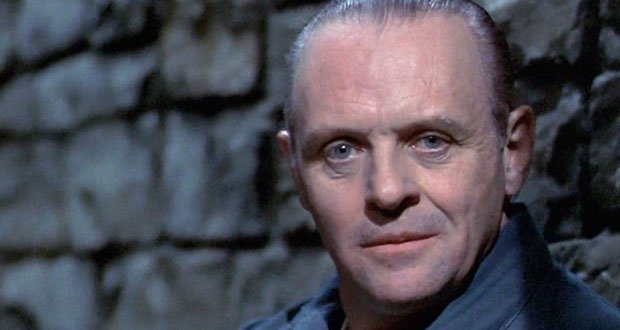
- “The Silence of the Lambs”: A gripping psychological thriller that achieved the rare “Big Five” Academy Awards: Best Picture, Director, Actor, Actress, and Writing.
- “Beauty and the Beast”: Disney’s animated classic became the first animated film ever nominated for Best Picture at the Oscars, signaling a new level of respect for the medium.
Sports, Festivals, and Iconic Events
- Chicago Bulls Dynasty Begins: Michael Jordan led the Chicago Bulls to their first NBA Championship, marking the beginning of one of the greatest dynasties in sports history.
- Lollapalooza Debuts: The first Lollapalooza festival took place, pioneering the multi-genre touring festival concept that would become a staple of summer music.
- Super Bowl Halftime Shifts: Super Bowl XXV’s halftime show moved away from traditional marching bands to pop/rock performances, laying the groundwork for the star-studded spectacles we see today. For those interested in 1991 in America, these cultural moments were paramount.
Science, Environment, and the Human Condition
Beyond the headlines, scientists were making breakthroughs, and environmental awareness was growing. This year brought critical insights into health and the planet. This reflects the major events of 1991 across many domains.
Medical Milestones and Genetic Progress
- Cystic Fibrosis Gene: The gene responsible for cystic fibrosis was identified, a monumental step forward in understanding and potentially treating the disease.
- First Gene Therapy Trial: The first successful gene therapy trial took place, offering a glimpse into revolutionary new treatments for genetic disorders.
- Human Genome Project Advances: The Human Genome Project, though officially launched in 1990, made significant progress in 1991, laying the groundwork for mapping the entire human genetic code.
Planetary Concerns and Cosmic Discoveries
- Earth Summit & UNFCCC: The first Earth Summit in Rio de Janeiro highlighted global environmental concerns, leading to the establishment of the United Nations Framework Convention on Climate Change (UNFCCC)—a crucial step toward international climate action.
- Arctic Ozone Hole: The discovery of a significant ozone hole over the Arctic, in addition to the previously identified Antarctic hole, underscored the urgent need for environmental protection.
- “Save the Whales”: Greenpeace’s “Save the Whales” campaign gained significant traction, raising awareness about marine conservation.
- First Exoplanet Discovery: Scientists discovered the first exoplanet orbiting a main-sequence star, 51 Pegasi, expanding our understanding of planetary systems beyond our own. This was a profound moment for those curious about what happened in 1991 in the realm of scientific exploration.
Economic Currents and Everyday Life
The global economy also saw significant shifts in 1991, impacting daily life in various ways. From major national policy changes to the cost of a postage stamp, these factors quietly shaped the year for millions. Explore key events from 1991 to understand these underlying currents.
Shifting Economic Fortunes
- India’s Economic Reforms: India launched significant economic reforms, moving away from a centrally planned economy towards a market-oriented one, opening its economy to global trade and investment.
- Maastricht Treaty: The European Union signed the Maastricht Treaty, a landmark agreement that laid the groundwork for the creation of the euro and deeper European integration.
- U.S. Recession: The United States experienced a recession, impacting employment and consumer confidence, which was a significant concern for the United States in 1991.
- Japan’s “Lost Decade”: Japan’s asset price bubble burst, leading to a prolonged period of economic stagnation known as its “Lost Decade.”
- Doomsday Clock: The Doomsday Clock, a symbolic measure of global catastrophe, was set back to 17 minutes to midnight due to the end of the Cold War and nuclear disarmament efforts, reflecting a moment of perceived reduced global tension.
The Cost of Living
For the average American in 1991:
- The minimum wage rose to $4.25 per hour.
- A postage stamp cost 29 cents.
- A Super Nintendo Entertainment System (SNES) retailed for $199.98.
- The world population hovered around 5.3 billion.
The Odd, Unforgettable, and Unexpected: Fun Facts from ’91
Not every impactful event makes the history books with grand titles. Some of the most fun facts from 1991 offer quirky insights into the year’s character, blending the bizarre with the truly memorable.
Crime, Public Health, and Personal Revelations
- Jeffrey Dahmer’s Arrest: The chilling arrest of cannibal serial killer Jeffrey Dahmer, who had killed 17 people, shocked the world and dominated headlines.
- Magic Johnson’s Announcement: NBA superstar Magic Johnson publicly announced his HIV diagnosis, bravely stepping forward to advocate for AIDS awareness and break stigmas.
- Rodney King Beating: The infamous beating of Rodney King by LAPD officers sparked outrage and brought issues of police brutality and racial injustice to the forefront, leading to widespread protests. These were definitely pivotal 1991 events that had lasting impacts.
Quirks, Innovations, and Inspirations
- Dolly Parton’s “Buddy Program”: Dolly Parton launched “The Buddy Program” in her hometown of Sevierville, TN, offering $500 to 7th and 8th graders if they graduated high school. This initiative dramatically reduced dropout rates from over 30% to just 6%, demonstrating the power of community investment.
- Nicoderm CQ Approved: The FDA approved Nicoderm CQ, the first nicotine patch, offering a new tool for smoking cessation and reflecting growing public health awareness.
- Big Bertha’s Debut: Calloway Golf Company introduced the ‘Big Bertha’ club, revolutionizing golf with its oversized head and improved forgiveness.
- “Jeremy” Inspiration: A 16-year-old named Jeremy Wade Delle shot himself in front of his English class, tragically inspiring Pearl Jam’s powerful song “Jeremy.”
- KFC’s Name Change: Kentucky Fried Chicken officially changed its name to KFC, a move that sparked numerous conspiracy theories about the source of its meat, though the company stated it was to shorten the name and de-emphasize “fried.” This is certainly one of the 1991 fun facts that people still discuss.
- Redd Foxx’s Tragic Death: Comedian Redd Foxx died from an actual heart attack on the set of his show, initially mistaken by castmates for his classic “Sanford and Son” routine where he clutched his chest and cried, “I’m coming, Elizabeth!”
- Declaration of Independence Find: A man found a first printing of the Declaration of Independence in a $4 painting frame at a flea market. It later sold for an astonishing $2.4 million, proving that treasures can be found in the most unexpected places.
- “The Ghostbusters Ruling”: The New York Appellate Court ruled in Stambovsky v. Ackley that sellers must disclose if a property is rumored to be haunted, forever known as “The Ghostbusters Ruling.” This is another interesting point from 1991 historical events.
Record-Breaking and Recognitions
- Operation Solomon: The record for most passengers on a commercial airliner was set when 1,086 Ethiopian Jews were evacuated on a Boeing 747 during Operation Solomon. The plane landed with 1,088 people due to two births mid-flight—a true testament to the resilience of life.
- Asteroid Named Freddie Mercury: An asteroid, 17473 Freddiemercury, was discovered and later named in memory of the iconic Queen frontman. This is one of the 1991 important events for music fans and astronomers alike.
- “For Dummies” Begins: The iconic “For Dummies” book series, famous for simplifying complex topics, began with “DOS for Dummies.”
- Guinness’s Technological Win: The Guinness Beer plastic ball (the widget that creates the creamy head) won the prestigious Queen’s Award for Technological Advancement, surprisingly beating out the Internet and Email for its innovation—a humorous but telling detail about the era’s priorities. This shows what the year 1991 is famous for in unexpected ways.
Reflecting on a Transformative Year
From the end of one historical epoch to the dawn of another, 1991 was a year that refused to be forgotten. It was a crucible of change, forging new political realities, launching technological revolutions, and shaping cultural landscapes. The dissolution of the Soviet Union alone would cement its place in history, but when coupled with the public release of the World Wide Web, the rise of grunge, and countless other fascinating developments, 1991 emerges as a truly singular year.
Understanding major events of 1991 helps us appreciate the foundations of our modern world. It reminds us that even as grand historical narratives unfold, it’s often the smaller, human details and unexpected innovations that truly capture the spirit of an era. So, the next time you browse the web, listen to a classic grunge track, or simply consider the global political map, remember the incredible tapestry of events that defined 1991. It was indeed a pivotal year, setting the stage for the new millennium and beyond. You can further A look back at 1991 through detailed accounts of these moments.










