
History is often presented as a neat timeline of kings, wars, and inventions. But peel back that veneer, and you’ll find the archives are packed with strange historical events that defy all logic—moments so absurd, you’d dismiss them as fiction if they weren’t documented. From armies losing wars to birds, to entire towns breaking out in uncontrollable dancing, these episodes remind us that the past is a far weirder place than we imagine.
These aren’t just amusing anecdotes; they are windows into the extremes of human behavior, the unpredictability of nature, and the sheer chaos that can erupt from a single, bizarre choice. Understanding them gives us a more complete, and frankly more interesting, picture of our shared past.
At a Glance: What You’ll Discover
- Mass Psychosis: Uncover the psychological triggers behind events like the Dancing Plague of 1518, where hundreds danced themselves to death.
- Bizarre Conflicts: Learn about military blunders so epic they seem comedic, including a war against emus and a battle where an army fought itself.
- Unbelievable Disasters: Explore disasters born not from fire or earthquake, but from beer, molasses, and a catastrophic bathroom break.
- The Human Element: Meet the individuals at the heart of these events, from the unluckiest man in history (who survived two atomic bombs) to a bear who officially served in the Polish army.
When the Human Mind Goes Astray: Cases of Mass Hysteria
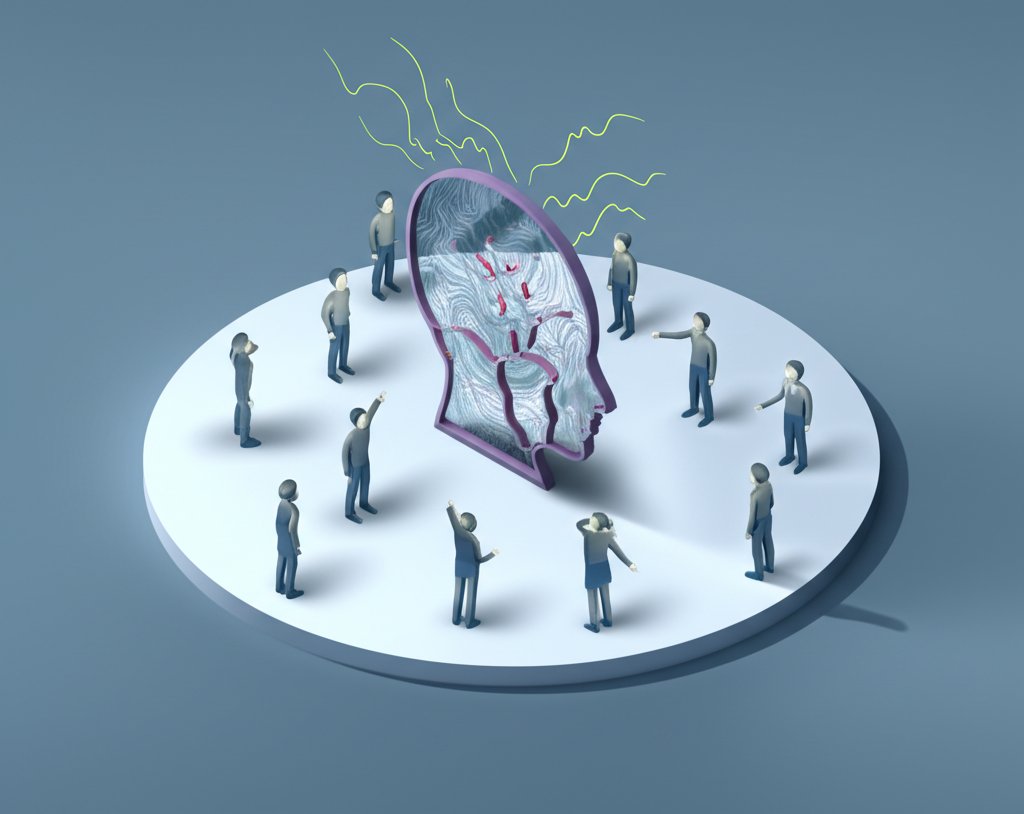
Some of the most perplexing historical events didn’t involve battles or political intrigue, but the mysterious workings of the human mind. When stress, fear, and social pressure combine, the results can be utterly baffling.
The Dancing Plague of 1518
In July 1518, in Strasbourg, France, a woman named Frau Troffea stepped into the street and began to dance. She didn’t stop. Within a week, dozens had joined her, and by the end of the month, the crowd of non-stop dancers had swelled to around 400 people.
Authorities at the time were baffled. Believing the cure was “more dancing,” they set aside guild halls and even built a stage. This only made it worse. People danced until they collapsed from strokes, heart attacks, and sheer exhaustion. This bizarre and tragic event remains one of history’s most studied cases of mass psychogenic illness, or mass hysteria. Modern theories point to a combination of extreme famine, disease, and superstitious fervor in the region creating a perfect storm for a psychological contagion.
The Tanganyika Laughing Epidemic
Centuries later and a continent away, a similar phenomenon occurred. In 1962, in a mission-run boarding school in Tanganyika (now Tanzania), three schoolgirls started laughing. The laughter was uncontrollable and spread like a virus.
Soon, 95 of the 159 students were incapacitated by hysterical laughter, which could last for hours or even days. The school was forced to close. When students returned to their home villages, the “epidemic” spread, ultimately affecting over 1,000 people and forcing the closure of 14 schools over 18 months. Like the Dancing Plague, it’s considered a case of mass hysteria, likely triggered by the immense stress placed on students in the post-colonial education system.
The Unbelievable Blunders of War and Statecraft
If you think modern politics and military planning are sometimes baffling, history offers a humbling perspective. Some official decisions have been so misguided and their outcomes so surreal that they read like satire.
The Great Emu War
In 1932, Australia declared war on its flightless bird population. After World War I, thousands of veterans were given land to farm wheat in Western Australia, but they soon faced an invasion by some 20,000 emus migrating inland. The emus devastated the crops.
The farmers, many of them former soldiers, petitioned the government for help. The Minister of Defence deployed a small contingent of troops armed with two Lewis machine guns. The result was a categorical failure. The emus proved to be surprisingly brilliant tacticians, scattering into small groups and running in unpredictable patterns. After using thousands of rounds of ammunition to kill only a handful of birds, the military withdrew in defeat. The emus had won.
This event is a classic example of how Truth is stranger than fiction, showcasing a moment where a modern military was thoroughly outmaneuvered by birds.
The Self-Defeating Army of Karansebes
In 1788, the Austrian army managed to defeat itself without ever seeing the enemy. During a war against the Ottoman Empire, a portion of the Austrian army set up camp near the town of Karansebes. A group of hussars went ahead to scout for Ottomans but found a group of gypsies selling schnapps instead. They bought the barrels and refused to share with a group of infantry that followed.
A drunken argument ensued, a shot was fired, and chaos erupted. In the darkness and confusion, soldiers began shouting “Turci! Turci!” (“The Turks! The Turks!”). Panic spread through the entire camp. Different units, believing they were under attack, began firing on one another. By morning, thousands of Austrian soldiers were dead or wounded, all by their own hands. When the Ottoman army finally arrived two days later, they found the Austrians had already done their job for them.
A Quick Gallery of Bizarre Governance
| Event | Year | The Bizarre Outcome |
|---|---|---|
| The Cadaver Synod | 897 AD | Pope Stephen VI had the corpse of his predecessor, Pope Formosus, exhumed, dressed in papal robes, and put on trial. The corpse was found guilty. |
| Pepsi’s Navy | 1989 | For a brief time, PepsiCo commanded the world’s sixth-largest navy after the Soviet Union traded a fleet of warships for a supply of Pepsi concentrate. |
| Hitler’s Nobel Nomination | 1939 | Adolf Hitler was nominated for the Nobel Peace Prize by a member of the Swedish parliament. The nomination was intended as satire and was quickly withdrawn. |
When Nature (and Industry) Delivered Chaos

Sometimes, the strangest events come not from human minds or governments, but from the physical world behaving in unpredictable ways. These disasters are so unusual they defy our typical understanding of natural and man-made catastrophes.
The London Beer Flood of 1814
In the dense London parish of St. Giles, the Meux and Company Brewery housed enormous vats of porter. On October 17, 1814, one of these vats, holding over 135,000 gallons, catastrophically failed.
The resulting wave of beer, estimated at over 320,000 gallons total as it triggered a domino effect, burst through the brewery wall. It created a 15-foot-high tsunami of dark beer that crashed through the surrounding slum, smashing homes and flooding basements. Eight people, mostly women and children, drowned in the deluge.
The Great Boston Molasses Flood of 1919
A similar, even deadlier, industrial disaster struck Boston in 1919. A massive storage tank containing 2.3 million gallons of molasses burst in the city’s North End. The tank unleashed a wave of sticky brown syrup, reportedly 25 feet high, that moved at an estimated 35 miles per hour.
The force of the wave was immense, tearing buildings from their foundations, bending steel girders, and sweeping away people and horses. The viscous, suffocating goo claimed 21 lives and injured another 150. For decades after, residents claimed they could still smell molasses on hot summer days.
The Kentucky Meat Shower
On a clear day in March 1876, pieces of red meat began falling from the sky over a farm in Olympia Springs, Kentucky. The “shower” lasted several minutes, covering an area about 100 yards long. The pieces of meat were described as being two to four inches square.
Contemporary scientists analyzed the samples, identifying them as lung tissue, likely from a horse or a human infant (the latter being a particularly disturbing suggestion). The most widely accepted theory today is that a flock of vultures gorged on a carcass and then disgorged their meal while flying overhead—a bizarre, but natural, explanation for an otherworldly event.
Quick Answers to Common Questions
Q: What is considered the strangest event in history?
A: While “strangest” is subjective, the Cadaver Synod of 897 is a top contender. The act of exhuming a dead pope, dressing him in vestments, and putting his corpse on trial for ecclesiastical crimes is a uniquely grotesque and irrational event, even for the tumultuous politics of the medieval papacy.
Q: Are these strange historical events actually true?
A: Yes, the events in this article are historically documented. They are verified through primary sources like contemporary chronicles, official records, and newspaper articles. However, the causes or precise details can be debated by historians, especially for events like the Dancing Plague, where scientific understanding was limited.
Q: What causes mass hysteria events like the Dancing Plague?
A: Mass psychogenic illnesses are complex but are often linked to a combination of factors. They typically occur in close-knit communities under immense psychological stress—such as from poverty, famine, or religious anxiety. A trigger, often affecting one person, can then spread through social contagion, much like a rumor, but with physical symptoms.
History is not a sterile and predictable subject. It’s a chaotic, messy, and often hilarious collection of human triumphs, failures, and moments of pure absurdity. The next time you encounter a story that seems too wild to be true, remember the Austrian army that defeated itself, the Australian army defeated by emus, and the citizens of Strasbourg who danced themselves to death. The past is a testament to the fact that reality needs no help from fiction to be unbelievable.










