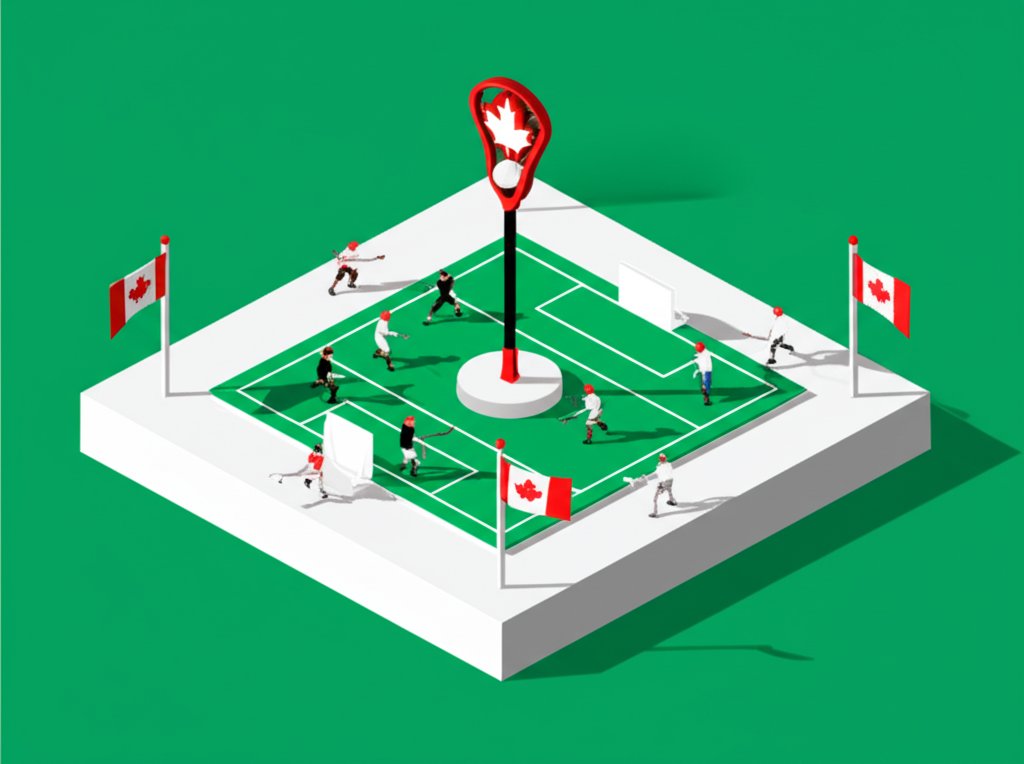
Many associate Canada with ice hockey, but beneath the frozen rinks lies a sport deeply woven into the nation’s fabric, brimming with history, passion, and unparalleled global success. This is the world of lacrosse, a game so profoundly significant that it shares the esteemed title of Canada’s National Game. Forget what you think you know about Canadian sports; prepare to uncover shocking lacrosse Canada facts that will reshape your understanding and leave you with a newfound appreciation for this exhilarating, ancient pursuit.
From its sacred origins as “The Creator’s Game” to its modern-day dominance on the world stage, lacrosse is far more than just a sport – it’s a living legacy. This article will plunge into the captivating history, cultural importance, and jaw-dropping achievements that make lacrosse an indispensable part of Canadian identity. Get ready for a deep dive into compelling fun facts lacrosse and fascinating trivia lacrosse that will cement its place in your mind as Canada’s truly remarkable sport.
The Ancient Roots of Lacrosse: A Sacred Indigenous Gift to Canada
To truly understand the sport’s impact, delve into more surprising facts about lacrosse and its evolution beyond these ancient origins, highlighting its enduring appeal.
Long before European settlers arrived, the lands now known as Canada were home to a game of immense spiritual and cultural significance. This was the birth of lacrosse, a sport originating with Indigenous peoples across North America, particularly the Haudenosaunee (Iroquois) and Algonquin nations.
Origins as “The Creator’s Game” or “Little Brother of War”
For centuries, lacrosse was known by various names, including Tewaaraton (Haudenosaunee) or Baggataway (Algonquin), often translated as “The Creator’s Game” or “Little Brother of War.” It wasn’t merely a recreational activity; it was a sacred ritual, a method of conflict resolution, a healing ceremony, and an intense form of warrior training. Games could last for days, involve hundreds of players from different villages or tribes, and span miles of open fields. The spiritual preparation for these games was as rigorous as the physical, with players undertaking ceremonies, fasting, and elaborate rituals to honor the Creator and ensure success. The sticks themselves were revered, considered living entities with their own spirit. This profound connection to the land and spirit is a cornerstone of lacrosse Canada’s heritage.
Early European Encounters and Adaptations
The first written account of lacrosse by a European dates back to 1637, when French Jesuit missionary Jean de Brébeuf observed Huron warriors playing a game he called “crosse” (French for “stick”) due to the stick’s resemblance to a bishop’s crozier. He noted the game’s intensity, the large number of players, and its ceremonial aspects. Over time, European settlers adopted the game, fascinated by its athleticism and strategy. While the spiritual depth was often lost in translation, the game’s core appeal remained, laying the groundwork for the modern sport we recognize today. This transition from a sacred ceremony to a recognized sport is a crucial part of lacrosse Canada’s unique story.
Lacrosse in Canada: From Indigenous Ritual to Modern Sport

The mid-19th century marked a pivotal period for lacrosse as it began its transformation from a purely Indigenous game into an organized, national sport. This evolution was largely driven by a single visionary figure.
The Birth of Modern Canadian Lacrosse
The credit for codifying the modern game of lacrosse goes to Dr. William George Beers, a Canadian dentist from Montreal. In 1856, he founded the Montreal Lacrosse Club and, in 1867, he formalized the rules, reducing the number of players, standardizing equipment, and introducing a formal playing field. Beers firmly believed that lacrosse held the potential to unite Canadians and represent their national identity. He famously stated, “The game… is calculated to make a man active and fearless, developing the physical powers, and stimulating the mental faculties.” His efforts led to lacrosse being recognized and played across Canada and internationally. These foundational changes were critical to the game becoming a widespread phenomenon and a legitimate contender for Canada’s national game.
The Evolution of Play: Field vs. Box Lacrosse
The game continued to evolve, and by the 20th century, a significant innovation reshaped lacrosse Canada forever.
- Field Lacrosse: This is the original form, played outdoors on a large grass or turf field, similar in size to a soccer pitch. It emphasizes speed, strategy, long passes, and defensive positioning. The introduction of standardized rules by Dr. Beers primarily referred to field
lacrosse. - Box Lacrosse: Invented in the 1930s in Canada, box
lacrosseis an indoor version played in hockey arenas once the ice melts. The smaller enclosed space, often referred to as “the box,” dictates a faster pace, more physical play, and greater emphasis on stickhandling in tight quarters. Goaltenders wear extensive padding, and the game is known for its high scoring and intense action. Boxlacrossequickly became an integral part of Canadian national game culture, producing some of the world’s most skilled and resilient players. This distinct Canadian adaptation highlights the nation’s innovative spirit within the sport.
The development of box lacrosse in Canada created a unique sporting identity, distinguishing the Canadian style of play and contributing significantly to the nation’s unparalleled success on the international stage.
Canada’s Enduring Pride: Declared a National Game
While lacrosse had been culturally significant for centuries, its official status as a symbol of Canadian identity was formalized relatively recently.
The National Sports of Canada Act (1994)
In 1994, the Canadian Parliament passed the National Sports of Canada Act, unequivocally declaring lacrosse to be “Canada’s National Summer Sport.” This legislative act solidified lacrosse’s place alongside ice hockey, which was simultaneously designated “Canada’s National Winter Sport.” This official recognition underscored the deep historical roots and ongoing cultural importance of lacrosse to the nation. It was a formal acknowledgment of a heritage that had long been cherished by Indigenous communities and adopted by the wider Canadian population. This makes for one of the most important lacrosse Canada facts.
Why Two National Sports?
The decision to recognize both lacrosse and ice hockey as Canadian national games reflects the dual sporting passions that define the country. Ice hockey, with its widespread professional leagues and Olympic glory, is often perceived as the more dominant sport. However, lacrosse holds a unique position, representing the nation’s Indigenous heritage and a distinct Canadian ingenuity (through box lacrosse). This dual designation acknowledges different historical trajectories and cultural influences, highlighting Canada’s rich and diverse sporting landscape. It ensures that the “Creator’s Game” receives the national recognition it deserves, connecting Canadians to their pre-colonial past.
Shocking Fun Facts Lacrosse & Global Dominance

Beyond its historical and cultural significance, lacrosse Canada boasts an astonishing record of international success and a treasure trove of fascinating fun facts lacrosse.
Unparalleled International Success
Prepare for one of the most shocking lacrosse Canada facts: Canada is a global powerhouse in lacrosse, with a dominance that few other nations can claim in any team sport.
- World Championship Record: Canada has won more world championship titles in
lacrossethan almost all other nations combined. This includes numerous gold medals in both field and boxlacrosseat various age levels. The national men’s boxlacrosseteam, for instance, has an almost unbroken record of victories at the World Indoor Lacrosse Championship (WILC). This consistent excellence showcases the immense skill, dedication, and unique playing style cultivated within lacrosse Canada. - The Minto Cup: One of the most prestigious trophies in junior box
lacrosse, the Minto Cup, has been contested since 1901. Its long history is testament to the deep-seated competition and talent development withinlacrosse Canada. - The Mann Cup: The Senior A men’s box
lacrossechampionship in Canada, the Mann Cup, is another historic competition, showcasing the pinnacle of Canadian boxlacrossetalent. Winning the Mann Cup is one of the highest honours for a Canadianlacrosseplayer.
This sustained international success is a testament to the depth of talent and passion for the sport throughout Canada, reinforcing its status as a premier Canadian national game.
Fascinating Trivia Lacrosse You Didn’t Know
Delve deeper into the world of lacrosse with these intriguing tidbits:
- The Game of Sticks: The term “lacrosse” itself, coined by the French, refers to the stick (crosse) used to carry and throw the ball. These sticks have evolved from wooden creations to modern composites, but their fundamental function remains.
- Olympic Spirit:
Lacrossehas appeared twice as an official medal sport at the Olympic Games (1904 and 1908), with Canada winning gold both times! It has also been featured as a demonstration sport at several other Olympic events, highlighting its global appeal. - Unique Terminology: The sport has its own lexicon. Players “cradle” the ball in their stick head to maintain possession, “scoop” ground balls with lightning speed, and execute powerful “checks” to dislodge the ball from opponents.
- The Ball: Originally,
lacrosseballs were made from hide, clay, or even carved wood. Today, they are solid rubber, designed for speed and durability, and can reach speeds well over 100 mph when shot. - First Professional League: The first professional
lacrosseleague was established in Canada in the early 20th century, further cementing its status as a serious sport. - The Oldest Team Sport: Lacrosse is widely considered the oldest organized team sport in North America, with a documented history spanning hundreds of years. This long lineage is a crucial element of its trivia lacrosse.
These fun facts lacrosse paint a picture of a sport rich in heritage, innovation, and intense competition, reflecting the dynamic spirit of lacrosse Canada.
Cultural Impact and The Future of Lacrosse in Canada
Beyond the fields and arenas, lacrosse continues to exert a profound cultural influence, particularly in its role as a bridge between past and present, Indigenous heritage and modern Canada.
A Bridge to Indigenous Heritage
Lacrosse serves as a vital link to the traditions and values of Indigenous communities. For many First Nations, Métis, and Inuit peoples, the game is more than just exercise; it’s a celebration of identity, resilience, and connection to their ancestors. Indigenous-led teams, such as the Haudenosaunee Nationals, compete on the international stage, not just representing their modern national identity but a sovereign Indigenous nation, using the sport as a powerful tool for cultural preservation and assertion. The game’s re-emergence in Indigenous communities across Canada is a testament to its enduring spiritual and cultural power, facilitating dialogues and understanding.
Growing Popularity and Grassroots Efforts
The future of lacrosse Canada looks bright, with growing participation at grassroots levels. Youth leagues, school programs, and community initiatives are introducing the sport to new generations, fostering athleticism, teamwork, and a connection to Canadian history. The availability of both field and box lacrosse offers diverse entry points for players, ensuring that the sport continues to thrive across the country. As awareness grows of lacrosse’s true status as a Canadian national game, so too does interest in its rich heritage and exciting future.
Conclusion
From its ancient origins as a sacred Indigenous ritual to its modern-day designation as Canada’s National Game, lacrosse offers a compelling narrative of history, culture, and athletic prowess. The shocking lacrosse Canada facts we’ve explored reveal a sport deeply ingrained in the nation’s identity, boasting unparalleled international success and a unique evolution through both field and box lacrosse.
So, the next time you hear about Canada’s passions, remember not just the ice and puck, but also the stick and ball. Lacrosse is a testament to the country’s rich Indigenous heritage, its spirit of innovation, and its relentless pursuit of excellence. Dive into the world of lacrosse Canada, discover more fun facts lacrosse, and share the incredible trivia lacrosse that makes this sport a true Canadian marvel. Its legacy inspires, unites, and continues to shape the vibrant tapestry of Canada’s sporting soul.
FAQ Section
Q: Is lacrosse the national sport of Canada?
A: Yes, lacrosse is officially recognized as “Canada’s National Summer Sport” by the National Sports of Canada Act, passed in 1994. Ice hockey is “Canada’s National Winter Sport.”
Q: What is the origin of lacrosse?
A: Lacrosse originated with Indigenous peoples of North America, particularly the Haudenosaunee and Algonquin nations, centuries before European contact. It was known by names like “The Creator’s Game” and held deep spiritual and cultural significance.
Q: What is the difference between field lacrosse and box lacrosse?
A: Field lacrosse is the original outdoor version, played on a large grass or turf field. Box lacrosse is a Canadian innovation from the 1930s, played indoors in a smaller, enclosed hockey arena, characterized by faster pace and more physical play.
Q: How many world championships has Canada won in lacrosse?
A: Canada has achieved unparalleled success in lacrosse, winning numerous world championship titles across various disciplines and age groups, particularly dominating in box lacrosse at the international level. The exact number is constantly growing, but it far surpasses that of other nations combined in many categories.
Q: When did lacrosse become a modern sport?
A: The modern game of lacrosse was codified and standardized in the mid-1800s by Dr. William George Beers of Montreal, Canada, who established formal rules in 1867.
Q: Why is lacrosse called “The Creator’s Game”?
A: Among many Indigenous nations, lacrosse was played for spiritual reasons, to honor the Creator, resolve disputes, heal the sick, and train warriors. This deep connection to spiritual and cultural values earned it the revered title of “The Creator’s Game” or “medicine game.”










