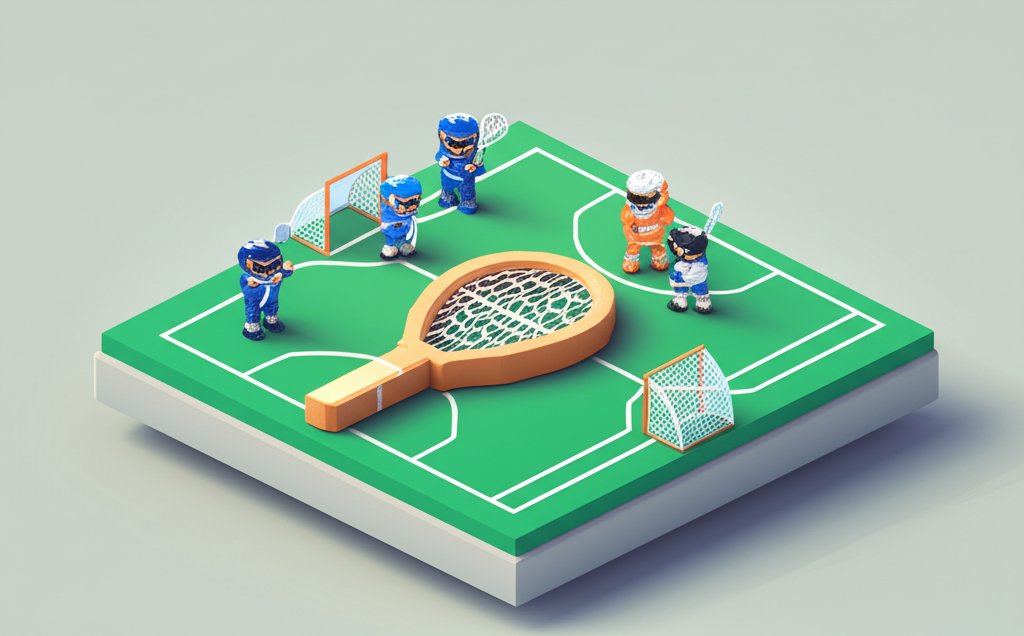
Lacrosse, a sport steeped in history and tradition, offers a fascinating blend of athleticism, strategy, and cultural significance. More than just a game, it’s a dynamic competition that has evolved from its indigenous roots into a globally recognized sport. From the wooden sticks of its early iterations to the high-tech equipment used today, lacrosse continues to captivate players and fans alike with its fast-paced action and rich heritage. This article delves into the intriguing world of lacrosse, uncovering lesser-known facts, exploring its cultural impact, and highlighting the elements that make it a truly unique and compelling sport.
Lacrosse: Beyond the Basics

Lacrosse is often described as a combination of basketball, soccer, and hockey, played on a field with a stick. While this offers a simplified understanding, the reality is far more complex. Here are some facts that go beyond the surface:
The Field
The lacrosse field, whether for men’s or women’s lacrosse, has specific dimensions and markings. A men’s field is 110 yards long and 60 yards wide, while a women’s field is slightly different, often with varying dimensions depending on the level of play. Critical zones include the restraining box, the crease surrounding the goal, and the midfield line. Understanding these zones is crucial for understanding game strategy.
The Equipment
The equipment in lacrosse is essential for both safety and performance. The most iconic piece of equipment is, of course, the lacrosse stick (or *crosse*). Men’s lacrosse requires players to wear helmets, shoulder pads, gloves, and mouthguards. Women’s lacrosse has traditionally had fewer required protective gear, but eye protection is now mandatory at many levels, and mouthguards are always required. The stick itself has a pocket designed to catch, carry, and throw the ball. Learning how to string and maintain a stick pocket is a skill passed down through generations of lacrosse players.
Scoring
A goal in lacrosse is scored when the entire ball crosses the goal line within the goal. In men’s lacrosse, the shot clock adds another layer of strategy. Teams must advance the ball into the offensive zone within a certain time limit and take a shot on goal within another time limit. In women’s lacrosse, there are restrictions on stickwork and body contact, creating a different flow to the game and emphasizing finesse and precision.
A Glimpse into Lacrosse History Timeline
The roots of lacrosse stretch back centuries, with its origins deeply intertwined with Native American culture. It wasn’t simply a game; it was a ritual, a form of diplomacy, and a way to prepare for war. Understanding the evolution of lacrosse provides a vital context for appreciating the sport today. To truly appreciate the sport, one must examine lacrosse history timeline, which showcases the sport’s incredible journey.
Native American Origins
Lacrosse, known by various names among different tribes (including “Tewaaraton”), held significant cultural and spiritual importance. Games could last for days, involving hundreds of players and stretching across vast fields. The stakes were high, with tribal honor and prestige on the line. The game served as a way to resolve conflicts, celebrate important events, and strengthen community bonds. uncover lacrosse deep cultural ties that influence modern play.
European Contact and Adaptation
When European settlers arrived in North America, they were intrigued by the game. Jesuit missionaries, in particular, documented the sport, giving it the name “lacrosse” because the stick resembled a bishop’s crosier. Over time, Europeans adapted and adopted the game, modifying the rules and transforming it into a more structured sport. The Montreal Lacrosse Club, founded in 1856, played a pivotal role in standardizing the game.
Modern Lacrosse
Today, lacrosse is played at the youth, high school, collegiate, and professional levels. It has spread far beyond North America, with growing popularity in Europe, Asia, and Australia. Modern lacrosse retains elements of its Native American origins while incorporating contemporary athletic principles. The sport continues to evolve, with new rules and strategies constantly emerging.
Mind Blowing Lacrosse Facts: Untold Stories
Beyond the commonly known aspects of lacrosse, there are fascinating and often surprising details that add to its allure. These mind blowing lacrosse facts reveal the depth and breadth of the sport’s appeal.
Lacrosse in the Olympics
Lacrosse was an Olympic sport in 1904 and 1908, with Canada winning both gold medals. While it hasn’t been featured in the Olympics since then, there are ongoing efforts to reinstate it, driven by the sport’s growing global presence and increasing competitiveness.
Unique Lacrosse Terminology
Lacrosse boasts a unique vocabulary, with terms like “cradling” (rhythmically moving the stick to keep the ball in the pocket), “face-off” (starting play with two players battling for possession), and “riding” (offensive players pressuring the opposing team in their defensive zone). Understanding these terms is essential for fully appreciating the nuances of the game.
Lacrosse Superstitions
Like many sports, lacrosse is filled with superstitions. Players often have pre-game rituals, lucky socks, or specific stick-stringing techniques that they believe contribute to their success. These superstitions add a layer of personality and tradition to the sport.
Unearth Hidden Lacrosse History & Origins

Delving into the lesser-known aspects of lacrosse history uncovers fascinating stories and reveals the sport’s enduring impact. To unearth hidden lacrosse history, it is important to explore forgotten figures, pivotal moments, and surprising connections.
The Iroquois Nationals
The Iroquois Nationals are the only Native American team sanctioned to compete in international lacrosse competitions. Representing the Haudenosaunee Confederacy, they are a powerful symbol of the sport’s indigenous heritage and a consistently competitive team on the world stage. Their participation in international events highlights the ongoing importance of lacrosse to Native American culture.
Early Women’s Lacrosse
While often overshadowed by men’s lacrosse, women’s lacrosse has a rich history of its own. The first women’s lacrosse team was formed in Scotland in 1890, and the sport quickly spread to England and the United States. Early women’s lacrosse emphasized different skills and strategies compared to the men’s game, reflecting the evolving roles of women in sports.
Lacrosse in Unexpected Places
Lacrosse has found a following in unexpected corners of the world, from Japan to the Czech Republic. These emerging lacrosse communities are building the sport from the ground up, driven by a passion for the game and a desire to connect with its rich history.
Lacrosse Secrets: Master Tactics, Techniques & Nuances
Becoming a truly skilled lacrosse player requires more than just athleticism; it demands a mastery of subtle tactics, refined techniques, and a deep understanding of the game’s nuances. To master these, one must explore lacrosse secrets master, including intricate strategies and technical elements that separate good players from great ones.
Stick Skills
Exceptional stick skills are the foundation of lacrosse prowess. Mastering cradling, passing, and shooting requires countless hours of practice. Developing a quick release, accurate passing, and the ability to catch the ball in any situation are essential for success. Advanced stick skills involve deception, such as faking passes and shots to confuse defenders.
Offensive Strategies
Effective offensive strategies in lacrosse involve coordinated teamwork, smart ball movement, and a keen understanding of defensive weaknesses. Common offensive sets include the 1-4-1 (one attackman at the top, four in the middle, and one behind the goal), the 2-3-1, and various motion offenses designed to create scoring opportunities. Reading the defense and adjusting the offensive approach accordingly is critical.
Defensive Techniques
Strong defensive play in lacrosse requires discipline, communication, and aggressive positioning. Key defensive techniques include proper footwork, checking (legally dislodging the ball from an opponent’s stick), and effective communication to coordinate slides and double teams. Anticipating offensive movements and disrupting passing lanes are crucial for preventing goals.
Lacrosse Defining Moments: Relive Unforgettable History
Throughout lacrosse history, there have been numerous defining moments that have shaped the sport and left a lasting impact. These lacrosse defining moments are often marked by extraordinary plays, unexpected upsets, and pivotal rule changes.
Miracle on Turf (2001 NCAA Championship)
The 2001 NCAA Men’s Lacrosse Championship game between Syracuse and Johns Hopkins is often referred to as the “Miracle on Turf.” Syracuse, trailing by three goals with just over a minute left, mounted an improbable comeback to tie the game and eventually win in overtime. This game is remembered for its dramatic finish and the never-say-die attitude of the Syracuse team.
The Thompson Brothers’ Impact
The Thompson brothers (Lyle, Miles, Hiana, and Jeremy) have had a profound impact on lacrosse, both on and off the field. Their exceptional skills, creativity, and dedication to honoring their Native American heritage have made them role models for young players around the world. Their influence extends beyond the game itself, promoting cultural awareness and inspiring a new generation of lacrosse players.
Professional Lacrosse League Formations
The formation of professional lacrosse leagues, such as Major League Lacrosse (MLL) and the National Lacrosse League (NLL), has been a defining moment in the sport’s evolution. These leagues provide a platform for elite players to showcase their talents and contribute to the growing popularity of lacrosse.
Lacrosse in Canada: Explosive Growth & Popularity!
While lacrosse has its roots in Native American culture throughout North America, it holds a particularly special place in Canada. Known as the country’s national summer sport, lacrosse has experienced lacrosse canada explosive growth and enjoys widespread popularity.
Canada’s National Sport
Lacrosse was officially declared Canada’s national summer sport in 1994, solidifying its place in the country’s sporting identity. This recognition reflects the long-standing tradition of lacrosse in Canada and its significant contribution to the nation’s cultural heritage.
Box Lacrosse
Box lacrosse, played indoors on a hockey rink surface with modified rules, is particularly popular in Canada. The smaller playing area and faster pace of box lacrosse make it an exciting and action-packed sport. The National Lacrosse League (NLL), featuring box lacrosse, has a strong following in Canada.
Canadian Lacrosse League
Beyond the NLL, Canada has numerous other lacrosse leagues and organizations, from youth programs to senior leagues, fostering a vibrant lacrosse community across the country. These leagues provide opportunities for players of all ages and skill levels to participate in the sport and contribute to its continued growth.
Embracing the Spirit of Lacrosse
Lacrosse is more than just a sport; it’s a community, a tradition, and a passion. Whether you’re a seasoned player, a new fan, or simply curious about the game, there’s always something new to discover. By understanding its history, appreciating its cultural significance, and embracing its unique challenges and rewards, you can fully immerse yourself in the captivating world of lacrosse. From the mind blowing lacrosse intricacies to the deep connections within the lacrosse community, this sport offers something for everyone. So, pick up a stick, watch a game, and experience the thrill of lacrosse for yourself.










