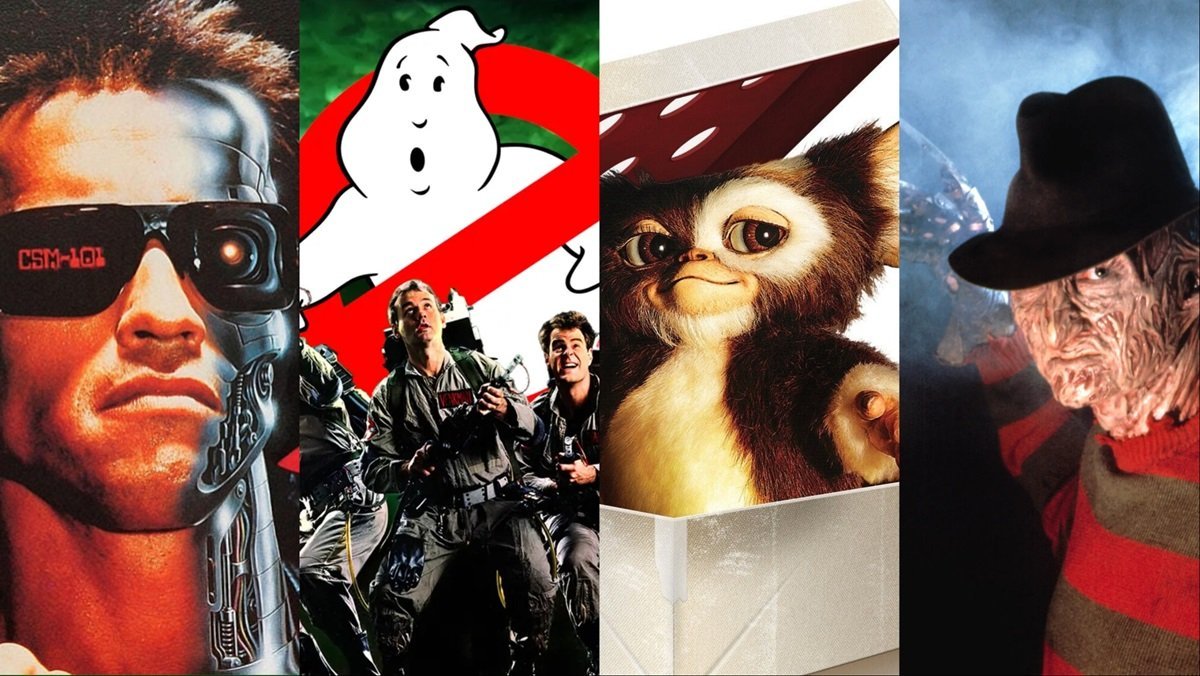
The year 1984 often conjures images from George Orwell’s dystopian novel, but the real-world facts of 1984 paint a far more complex and dynamic picture. This was a year of pivotal change, where groundbreaking technology, high-stakes politics, and economic shifts collided to shape the world we live in today. From the launch of a computer that promised to change everything to political landslides and global tragedies, the events of this single year reveal a planet on the brink of a new era.
At a Glance: Key Milestones of 1984
This deep dive into the pivotal year of 1984 will give you a clear, factual understanding of its most significant events. You’ll walk away knowing:
- The economic reality for the average American, from the cost of a new home to the minimum wage.
- Major political shifts, including a historic U.S. presidential election and landmark international agreements.
- The technological breakthroughs that defined the dawn of the personal computing age and pushed the boundaries of space exploration.
- The cultural touchstones in film, music, and television that remain iconic decades later.
- The tragedies and crimes that captured global attention and sparked national debates.
The Economic & Social Pulse: A Snapshot of Daily Life
To understand the year’s bigger events, it helps to know what life was like on the ground. For the average American in 1984, the economy was a mixed bag of opportunities and challenges. These figures provide a baseline for the year’s mood.
The U.S. population stood at 236 million, part of a global population of 4.78 billion. The federal minimum wage was $3.35 per hour, and the median family income was $26,430. Life expectancy was 71.1 years for men and 78.2 years for women, reflecting steady gains in public health.
Key costs that defined a middle-class lifestyle included:
- Average New Home: $79,000
- Gallon of Gasoline: $1.27
- First-Class Stamp: $0.20
These numbers show a world far more affordable in raw dollars than today, but they also reflect different earning power and economic pressures. It was in this environment that major business and political decisions were made.
A Political Landscape in Flux
Politics in 1984 was a story of entrenched power, bold challenges, and simmering global tensions. The Cold War cast a long shadow, influencing everything from Olympic games to international diplomacy.
Reagan’s Landslide and a Historic First
In the United States, incumbent Republican President Ronald Reagan won a monumental victory over Democratic challenger Walter F. Mondale. Reagan secured 49 of 50 states and 525 electoral votes in one of the most decisive presidential elections in American history. The election was also notable for Mondale’s running mate, Geraldine Ferraro, who became the first woman nominated for Vice President on a major party ticket.
Other significant U.S. political moves included the passage of the National Minimum Drinking Age Act, which federally raised the drinking age to 21, and the restoration of full diplomatic relations with the Vatican after more than a century.
Global Tensions and Agreements
Internationally, 1984 was a year of conflict and resolution.
- UK Miners’ Strike: A year-long, bitter strike began in March, involving over 150,000 British miners protesting proposed pit closures. The dispute became a defining moment for Margaret Thatcher’s government and the UK’s union movement.
- PIRA Assassination Attempt: On October 12, the Provisional Irish Republican Army (PIRA) attempted to assassinate Prime Minister Thatcher by bombing a hotel in Brighton during the Conservative Party conference. She narrowly escaped injury.
- Hong Kong Handover: The Sino-British Joint Declaration was signed on December 19, formalizing the agreement to transfer sovereignty of Hong Kong from the United Kingdom to China in 1997.
- Assassination in India: Prime Minister Indira Gandhi was assassinated on October 31 by her own Sikh bodyguards, sparking horrific anti-Sikh riots that resulted in thousands of deaths.
- Olympic Boycott: Citing security concerns in a tit-for-tat response to the U.S.-led boycott of the 1980 Moscow Games, the Soviet Union and 14 Eastern Bloc countries boycotted the 1984 Summer Olympics in Los Angeles.
The Dawn of Personal Tech & New Frontiers
While political dramas played out on the world stage, a revolution was quietly brewing on desktops and in laboratories. The technological leaps of 1984 laid the groundwork for the digital world. For a complete picture of how these changes interacted with the year’s other major forces, you should Understand 1984’s defining convergence.
Apple Unleashes the Macintosh
On January 24, Apple Computer Inc. introduced the Macintosh personal computer. Launched with a now-legendary Super Bowl commercial directed by Ridley Scott, the “1984” ad positioned the Mac as a tool of liberation against a dystopian, conformist future. Selling for $1,995 (over $5,800 in today’s money), the Mac, with its user-friendly graphical interface and mouse, sold nearly 250,000 units by year’s end and set a new standard for personal computing.
Breakthroughs in Science and Space
1984 was a banner year for scientific discovery and space exploration:
- DNA Fingerprinting: British molecular biologist Alec Jeffreys developed the techniques for DNA fingerprinting, a discovery that would revolutionize forensic science and paternity testing.
- First Untethered Spacewalk: In February, NASA astronaut Bruce McCandless II performed the first-ever spacewalk without a safety tether, using the Manned Maneuvering Unit.
- Women in Space: Svetlana Savitskaya of the Soviet Union became the first woman to perform a spacewalk in July. Just a few months later, in October, Kathryn D. Sullivan became the first American woman to do so.
- Discovery’s Maiden Voyage: The Space Shuttle Discovery, the third orbiter in NASA’s fleet, made its maiden flight on August 30.
- The Birth of a Classic: Soviet designer Alexey Pajitnov released Tetris, a deceptively simple and wildly addictive puzzle game that would become a global phenomenon.
Corporate Mavericks & Market Innovations
The entrepreneurial spirit of the 1980s was in full swing, with new companies and products emerging that would become household names.
- Dell Computers Founded: Michael Dell, a 19-year-old student at the University of Texas, founded Dell Computers with a revolutionary direct-to-consumer business model.
- Virgin Atlantic Takes Flight: Richard Branson launched Virgin Atlantic Airways on June 22, challenging the dominance of established carriers with a focus on customer experience.
- The Minivan Arrives: Chrysler Corporation introduced the first minivans, the Dodge Caravan and Plymouth Voyager. The vehicles created an entirely new market segment and became synonymous with the American suburban family.
- A Slice of Success: Papa John’s Pizza was founded, starting in a converted broom closet in the back of a tavern.
- The Sound of the Future: Sony and Philips introduced the first commercial portable CD players, marking the beginning of the end for the cassette tape’s dominance in personal audio.
Culture & Entertainment Redefined
The movies, music, and television of 1984 left an indelible mark on pop culture. The year produced a slate of blockbusters and artistic triumphs that are still celebrated today.
| Category | Iconic Releases & Debuts of 1984 |
|---|---|
| Film | Ghostbusters, Beverly Hills Cop, Indiana Jones and the Temple of Doom, Gremlins, The Karate Kid. Red Dawn became the first film released with the new PG-13 rating. |
| Music | Prince released his masterpiece album and film, Purple Rain. The lead single, “When Doves Cry,” was a massive hit. Bob Geldof organized Band Aid, recording the charity single “Do They Know It’s Christmas?” to raise money for famine relief in Ethiopia. |
| Television | A wave of influential shows premiered, including The Cosby Show, Miami Vice, and Murder, She Wrote. Alex Trebek began his legendary 37-season run as the host of Jeopardy!. |
| Advertising | The Wendy’s “Where’s the Beef?” commercial became a national catchphrase and a cultural phenomenon. MTV held its first-ever Video Music Awards (VMAs). |
Tragedies That Shaped the News Cycle
Alongside triumphs in technology and culture, 1984 was also marked by devastating disasters and shocking crimes that highlighted societal vulnerabilities and fueled national debates.
- Bhopal Gas Tragedy: On December 3, a leak of methyl isocyanate gas from a Union Carbide pesticide plant in Bhopal, India, killed over 8,000 people in the immediate aftermath and injured more than half a million. It remains the world’s worst industrial disaster.
- San Ysidro McDonald’s Massacre: On July 18, a gunman killed 21 people and wounded 19 others in a mass shooting at a McDonald’s in San Ysidro, California, which was the deadliest mass shooting in U.S. history at the time.
- Bernhard Goetz Subway Shooting: On December 22, Bernhard Goetz shot four young Black men on a New York City subway train after they allegedly tried to rob him. The incident ignited a fierce national debate about race, crime, and vigilantism.
- Marvin Gaye’s Death: The iconic soul singer Marvin Gaye was shot and killed by his own father on April 1, the day before his 45th birthday, during a domestic dispute.
Quick Answers to Common Questions
Was 1984 really like George Orwell’s novel?
No. While the novel’s themes of surveillance and government control were potent cultural anxieties during the Cold War, the actual facts of 1984 show a year defined more by technological empowerment (the Macintosh), consumer culture, and political confrontation between superpowers rather than a monolithic, totalitarian state.
What was the single most significant technological event of 1984?
While DNA fingerprinting had a profound long-term impact, the launch of the Apple Macintosh is often cited as the most significant event. It fundamentally changed the public’s relationship with computers by making them accessible and intuitive, paving the way for the digital revolution.
How did the Cold War influence events in 1984?
The Cold War was a constant undercurrent. It was the direct cause of the Soviet-led boycott of the Los Angeles Olympics. It also framed the rhetoric of the U.S. presidential election and fueled the arms race, which in turn drove certain technological and military developments.
A Year of Lasting Impact
The facts of 1984 reveal more than just a collection of disconnected events. They show a world at a crossroads. The launch of the Mac signaled the democratization of technology, while the signing of the Hong Kong agreement marked a major shift in global power dynamics. The music, films, and television of the year created a cultural language still spoken today, while its tragedies served as stark warnings about industrial safety and urban violence. It was a year that didn’t just happen—it set the stage for the decades that followed.










