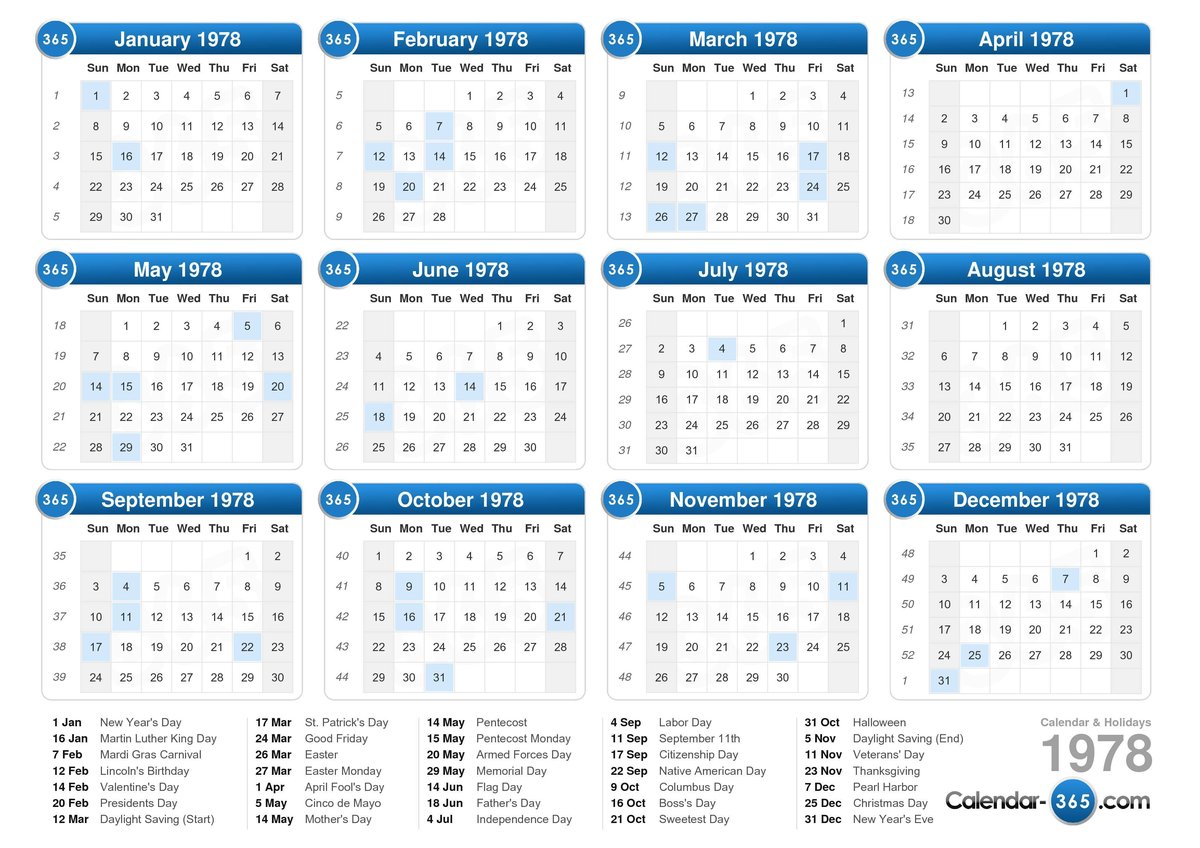
The sheer number of contradictory 1978 major events makes the year feel like a paradox. It was a time when historic peace treaties were signed, and yet political violence and assassinations dominated headlines. It was a year that gave the world its first “test-tube baby,” a miracle of modern science, while also revealing the depths of human despair in the jungles of Guyana. Understanding 1978 isn’t about picking a side; it’s about seeing how these threads of progress and tragedy wove together to create the fabric of our modern world.
From the quiet diplomacy at Camp David to the horrifying final moments at Jonestown, 1978 forced a global reckoning with the extremes of hope and horror.
At a Glance: Key Takeaways from 1978
- Geopolitical Realignment: The Camp David Accords fundamentally altered the Middle East, while the U.S. recognition of China and Deng Xiaoping’s economic reforms set the stage for a new world order.
- Shocking Violence: The Jonestown massacre, the assassination of Harvey Milk, and the kidnapping of Aldo Moro exposed deep ideological and social fractures.
- Scientific and Social Leaps: The birth of the first IVF baby, Louise Brown, offered new hope to millions, while the first appearance of the rainbow flag created a powerful symbol for the gay rights movement.
- The Digital Dawn: The creation of the first computer bulletin board system (CBBS) and the sending of the first “spam” email were fledgling steps into the interconnected world we live in today.
Landmark Peace Deals and Shifting Alliances
While conflict and tragedy often grab the spotlight, 1978 was also a year of monumental diplomatic achievements. Political leaders took bold risks that reshaped international relationships for decades to come.
The Camp David Accords: A Fragile Peace in the Middle East
For twelve intense days in September, U.S. President Jimmy Carter sequestered Egyptian President Anwar Sadat and Israeli Prime Minister Menachem Begin at the Camp David presidential retreat. The goal was audacious: to forge a framework for peace between two nations technically at war for three decades.
The resulting Camp David Accords, signed on September 17, were a diplomatic masterstroke. They established two key frameworks:
- A Framework for Peace in the Middle East: This set out principles for a “just, comprehensive, and durable” peace, including the resolution of the Palestinian issue.
- A Framework for a Peace Treaty between Egypt and Israel: This laid the direct groundwork for the formal treaty signed the following year, which included Israel’s withdrawal from the Sinai Peninsula.
For their efforts, Sadat and Begin were awarded the Nobel Peace Prize. While comprehensive regional peace remained elusive, the accords successfully neutralized the largest and most powerful Arab state in the conflict with Israel, fundamentally changing the region’s power dynamics.
The Dawn of a New China
On the other side of the world, another tectonic shift was underway. In December, at the Third Plenary Session of the 11th Central Committee, Deng Xiaoping effectively launched his “Reform and Opening Up” policy. This program de-emphasized Maoist ideology in favor of economic pragmatism, paving the way for market-based principles and foreign investment.
This internal revolution was mirrored by an external one. On December 15, President Carter announced that the United States would formally recognize the People’s Republic of China (PRC) as the sole legal government of China, effective January 1, 1979. This decision meant severing formal diplomatic ties with Taiwan, a move that reshaped Cold War alliances and set China on its path to becoming the global economic powerhouse it is today.
From Political Assassination to Unthinkable Tragedy
The diplomatic breakthroughs of 1978 stood in stark contrast to the brutal violence that erupted across the globe. These events were not just headlines; they were profound shocks to the system that revealed deep-seated vulnerabilities in societies worldwide.
The Jonestown Massacre: A Cult’s Apocalyptic End
On November 18, the world learned the name Jonestown. In a remote jungle settlement in Guyana, more than 900 Americans—members of the Peoples Temple cult led by the charismatic and paranoid Jim Jones—died in a mass murder-suicide. The catalyst was a visit by U.S. Congressman Leo J. Ryan, who was investigating claims of abuse. As Ryan and his delegation attempted to leave with defectors, they were ambushed and murdered by Jones’s security guards.
Knowing his world was about to collapse, Jones ordered his followers to drink a cyanide-laced beverage. The final chilling audio recordings captured a scene of coercion and terror, not peaceful transition. With 918 dead, including over 300 children, it was the largest single loss of American civilian life in a deliberate act until the September 11th attacks. The horror of Jonestown was just one facet of a year defined by extreme highs and lows. To see how these events fit into the bigger picture, Discover what happened in 1978.
A Wave of Political Violence
The horror wasn’t confined to the jungles of Guyana. Political violence struck at the heart of established democracies and stoked the flames of revolution.
- Italy’s Years of Lead: In March, the Red Brigades, a far-left terrorist group, kidnapped former Italian Prime Minister Aldo Moro. For 55 days, the nation held its breath as the government refused to negotiate. Moro’s body was found in the trunk of a car in Rome on May 9, a brutal end that symbolized the peak of Italy’s political turmoil.
- Assassination in San Francisco: On November 27, San Francisco Mayor George Moscone and Supervisor Harvey Milk were shot and killed in City Hall by Dan White, a disgruntled former supervisor. Milk was one of the first openly gay elected officials in the U.S., and his murder sent shockwaves through the LGBTQ+ community and the nation.
- The Iranian Revolution Ignites: In Iran, 1978 was the year the revolution caught fire. A deliberately set fire at the Cinema Rex in Abadan on August 19 killed over 400 people, with many blaming the Shah’s secret police. Then, on September 8—a day that became known as “Black Friday”—security forces fired on protesters in Tehran, killing dozens and cementing the opposition’s resolve to overthrow the monarchy.
Milestones That Shaped Our Future
Amid the turmoil, 1978 also delivered breakthroughs that continue to resonate today, from medical miracles to the birth of essential modern technologies.
A Medical Miracle: The Birth of Louise Brown
On July 25 in Oldham, England, a seemingly ordinary event became a global phenomenon. Lesley and John Brown welcomed their daughter, Louise—the world’s first “test-tube baby.” Conceived via in vitro fertilization (IVF), a process developed by Dr. Patrick Steptoe and Dr. Robert Edwards, her birth was a monumental leap forward in reproductive science. It offered hope to infertile couples everywhere and opened a new chapter in medical ethics and possibility.
The Digital World Takes Shape
While the internet as we know it was still over a decade away, its foundational elements were being built.
- First Bulletin Board: In February, Ward Christensen and Randy Suess launched the first Computer Bulletin Board System (CBBS) in Chicago during a blizzard. This allowed users to dial in with their modems to post messages and announcements, creating the first small, digital communities.
- First “Spam”: On May 3, a marketing representative for Digital Equipment Corp sent an unsolicited commercial email to every ARPANET address on the west coast. The angry reaction from the research-focused community was a preview of the ongoing battle for our inboxes.
1978 at a Glance: Key Dates and Their Impact
| Date | Event | Significance |
|---|---|---|
| July 25 | Birth of Louise Brown | Revolutionized reproductive medicine with the success of IVF. |
| Sept 17 | Camp David Accords Signed | Created a framework for peace between Israel and Egypt, redrawing the Middle East map. |
| Oct 16 | Karol Wojtyla becomes Pope John Paul II | First non-Italian pope in 455 years; became a major moral force against communism. |
| Nov 18 | Jonestown Massacre | A shocking example of cult psychology and violence that remains a cultural touchstone. |
| Dec 22 | China’s Economic Reforms Begin | Deng Xiaoping’s policies set China on a path to become a global economic power. |
Quick Answers to Common Questions About 1978
What was the single most impactful event of 1978?
This is subjective, but three events stand out for their long-term impact. For geopolitics, it’s a tie between the Camp David Accords and the start of China’s economic reforms. The former fundamentally altered Middle East diplomacy, while the latter unleashed an economic force that would define the 21st century. For sheer cultural and psychological shock, the Jonestown Massacre left a permanent scar on the American psyche.
Was 1978 a year of progress or decline?
It was profoundly and undeniably both. The year hosted incredible progress: the birth of IVF, the first successful transatlantic balloon flight, and the signing of historic peace accords. At the same time, it was marked by devastating decline: horrific mass-suicides, high-profile assassinations, and one of the largest oil spills in history (the Amoco Cadiz disaster off the coast of France). This duality is what makes 1978 so compelling.
How did the events of 1978 set the stage for the 1980s?
The seeds of the next decade were planted firmly in 1978. Deng Xiaoping’s reforms would fuel the “greed is good” economic boom of the 80s. The election of Pope John Paul II created a powerful anti-communist figurehead who would challenge the Soviet Union. The escalating violence in Iran led directly to the 1979 revolution and the subsequent hostage crisis. In the U.S., the assassinations of Milk and Moscone galvanized both the gay rights movement and the conservative “law and order” backlash, themes that would dominate 80s politics.
The Enduring Legacy of a Tumultuous Year
Looking back, 1978 feels less like a single year and more like a hinge point in history. It was a moment when the post-war order was visibly fracturing and the contours of a new, more complex world were taking shape. The peace deals, the political violence, the scientific marvels, and the digital seeds planted then have all grown into major features of our current landscape.
The year serves as a powerful reminder that history doesn’t move in a straight line. Progress and horror can, and often do, coexist. The major events of 1978 demonstrate this with chilling clarity, leaving a legacy of both profound hope and cautionary tales that we are still grappling with today.










