
Remember swiping a credit card through a clunky machine? That’s rapidly becoming a relic of the past. The world of credit cards is undergoing a seismic shift, fueled by rapid Technological Advancements in Credit Cards that are changing how we spend, save, and manage our finances. These changes are making transactions faster, safer, and more personalized.
At a glance:
- Contactless payments are now commonplace.
- Digital wallets offer a convenient way to store and use your cards.
- Personalized rewards programs are becoming the norm.
- Cybersecurity advancements are protecting your financial data.
- New technologies like cryptocurrency integration and BNPL are emerging.
The Rise of Contactless Payments and Digital Wallets
One of the most visible transformations is the widespread adoption of contactless payments. Near Field Communication (NFC) technology allows you to simply tap your card or phone to a payment terminal, bypassing the need to swipe or insert a physical card. This has been a game-changer, especially since the COVID-19 pandemic. In fact, studies show that over 50% of consumers now prefer contactless payment methods. You can Explore Contactless Payments Origins for a deeper understanding of how this technology evolved.
This shift goes hand-in-hand with the growing popularity of digital wallets like Apple Pay, Google Pay, and Samsung Pay. These platforms let you store your credit card information securely on your smartphone, making online and in-store shopping even easier. Instead of fumbling for your wallet, you can pay with a simple tap or scan. This also reduces the need to carry multiple physical cards.
Personalization: Tailoring Rewards to Your Spending Habits
Forget generic rewards programs that offer little value. Credit card companies are now leveraging data analytics to understand your spending habits and create personalized rewards programs. This means you can earn more points, cash back, or miles on the purchases you make most often. It’s a win-win: you get more value from your card, and the issuer builds loyalty.
Think about it: a travel enthusiast might get bonus points on airline tickets and hotels, while a foodie might earn extra rewards at restaurants. This level of personalization is becoming increasingly common, allowing you to maximize the benefits of your credit card.
Security Takes Center Stage: Protecting Your Financial Data
With the rise of digital transactions, cybersecurity is more crucial than ever. Credit card companies are investing heavily in advanced security measures to protect consumers from fraud and unauthorized access. This includes implementing multi-factor authentication, real-time fraud monitoring, and advanced encryption technologies. You can learn more about the Chip Card Functionality Explained.
Tokenization is another key security advancement. This technology replaces your sensitive card data with a unique token for each transaction, making it virtually impossible for hackers to steal your actual credit card number. Apple Pay and Google Pay are prominent examples of systems adopting tokenization for enhanced security.
Biometric security is also on the rise. Fingerprint scanning and facial recognition are being integrated into credit card systems to verify your identity and prevent fraud. It’s predicted that $1.2 trillion in payments will be authenticated through biometric systems by 2027, showcasing the growing importance of this technology.
The Subscription Economy and Premium Credit Cards
The subscription economy, where consumers pay recurring fees for access to products and services, has fueled the demand for credit cards with premium benefits and enhanced rewards. These cards often come with annual fees but offer perks like travel credits, airport lounge access, and concierge services.
The question is, are these premium cards worth the cost? It depends on your spending habits and how frequently you can utilize the benefits. If you travel often and can take advantage of the travel credits and lounge access, a premium card might be a great investment. However, if you rarely travel, a card with no annual fee and cashback rewards might be a better option.
Financial Wellness Programs: Helping You Manage Your Money

Credit card companies are increasingly recognizing the importance of financial wellness and are providing tools and resources to help customers manage their spending, improve their credit scores, and achieve their financial goals.
These programs can include budgeting tools, spending trackers, and educational resources on topics like debt management and credit repair. Some issuers even offer access to personalized financial coaching. This helps you stay on top of your finances and avoid falling into debt.
Cryptocurrency Integration: Earning Crypto as Rewards
The world of cryptocurrency is rapidly evolving, and some credit card issuers are embracing this trend by offering cryptocurrency as rewards. This allows you to earn Bitcoin, Ethereum, or other digital currencies on your everyday purchases.
While cryptocurrency rewards can be appealing, it’s vital to understand the risks involved. The value of cryptocurrencies can be highly volatile, meaning the rewards you earn today could be worth less tomorrow. It’s best to do your research before jumping in.
Sustainable Practices: Going Green with Your Credit Card
Environmental consciousness is on the rise, and credit card issuers are responding by adopting sustainable practices. This includes using recycled materials for cards, promoting carbon-neutral initiatives, and supporting environmental charities.
These initiatives are a welcome change for environmentally conscious consumers who want to align their spending with their values. It’s a small but meaningful step towards a more sustainable future.
Neobanks and Fintech: Blurring the Lines
The emergence of neobanks and fintech companies is disrupting the traditional banking landscape and blurring the lines between traditional banking and credit cards. These companies often offer streamlined customer experiences, innovative products, and competitive interest rates.
Neobanks like Chime and Varo offer mobile-first banking services, including credit cards, with a focus on user-friendliness and accessibility. Fintech companies are also developing new credit card products that cater to specific needs or demographics. This increased competition is good news for consumers, as it drives innovation and lowers costs.
BNPL: A Potential Disruption (and Regulation)
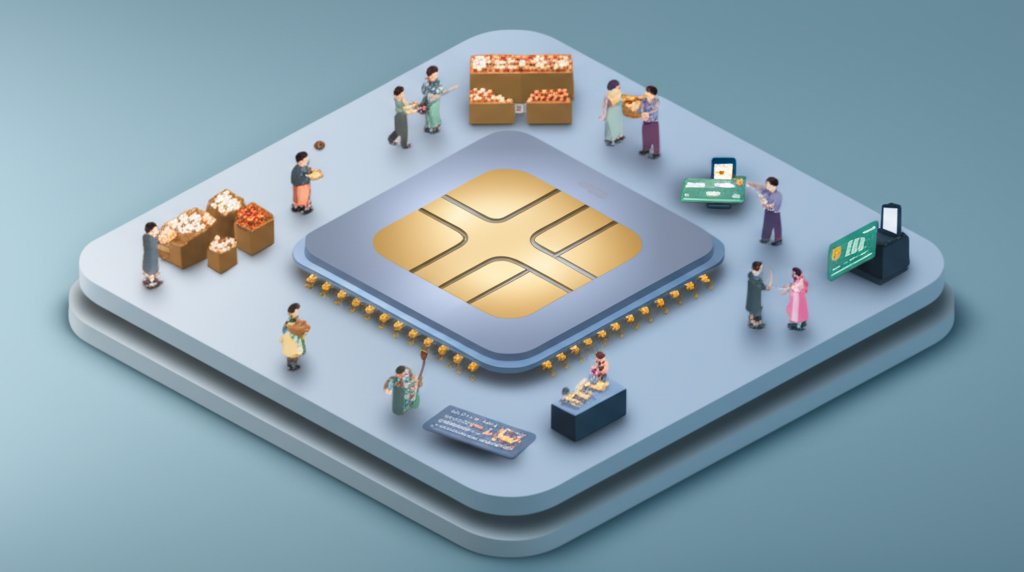
Buy Now, Pay Later (BNPL) services have exploded in popularity, offering consumers the ability to split purchases into smaller installments without high interest rates. Some analysts predict that BNPL could eventually replace traditional credit cards.
However, BNPL is also facing increasing scrutiny from regulators, who are concerned about the potential for consumers to overextend themselves and accumulate debt. It’s likely that BNPL services will be subject to stricter regulations in the future, which could impact their business models and appeal to consumers.
Virtual Credit Cards: An Extra Layer of Security
Virtual credit cards are digital cards that generate a random card number for each transaction. This adds an extra layer of security, especially for online purchases. If a hacker manages to steal a virtual credit card number, they won’t be able to access your actual credit card information.
These cards are particularly useful for B2B transactions, where businesses often need to make multiple purchases from different vendors. Many banks now offer the option to generate virtual card numbers through their online banking platforms.
AI and Machine Learning: The Future of Credit Card Management
Artificial intelligence (AI) and machine learning are playing an increasingly important role in the credit card industry. AI algorithms can analyze transaction patterns to detect fraudulent activity, personalize rewards offers, and provide personalized financial advice.
For example, AI-powered chatbots can answer your questions about your credit card account 24/7. AI can also identify potential spending problems and offer suggestions on how to improve your financial health.
Key Figures and Market Trends
The credit card market is massive and growing. In 2022, credit cards were used to make 31% of all payments. The Global Credit Card Market was valued at USD 489.4 billion in 2021 and is expected to continue its expansion. Nearly 80% of respondents globally are already using some form of contactless payment, showcasing the widespread adaptation. The advancements in biometric security, with systems authenticating roughly $332 billion in payments as of 2022, is History of NFC Credit Cards and the future looks promising, with predictions reaching $1.2 trillion globally by 2027.
What’s Next? Adapting to the Future of Credit Cards
The Technological Advancements in Credit Cards are transforming the way we interact with money. Consumers are demanding greater convenience, transparency, and security, and credit card companies must innovate continuously to stay relevant.
Here’s what you can expect to see in the future:
- Even more personalization: Credit card companies will continue to refine their data analytics capabilities to offer even more tailored rewards and benefits.
- Enhanced security: Biometric authentication, tokenization, and other security measures will become even more sophisticated. You might even get the chance to Switch to Chip Card Security.
- Seamless integration with digital platforms: Credit cards will become even more integrated with mobile apps, e-commerce platforms, and other digital services.
- Greater focus on financial wellness: Credit card companies will continue to expand their financial wellness programs to help customers manage their money and achieve their financial goals.
- AI-driven customer service: AI-powered chatbots and virtual assistants will provide instant support and personalized advice.
Making the Most of Technological Advancements in Credit Cards
Here’s how you can leverage these advancements to your advantage:
- Embrace contactless payments: Take advantage of the convenience and speed of tap-to-pay technology.
- Use a digital wallet: Store your credit card information securely on your smartphone for easy online and in-store shopping.
- Choose the right rewards card: Select a card that offers rewards that align with your spending habits. If you are curious about A History of EMV Chips, research the rewards you can get with different cards.
- Take advantage of financial wellness programs: Use the tools and resources provided by your credit card issuer to manage your spending and improve your financial health.
- Stay informed about security measures: Keep up-to-date on the latest security features and best practices to protect your financial data.
By understanding and embracing these Technological Advancements in Credit Cards, you can take control of your finances and make the most of this evolving landscape.










