
Untuk gambaran yang lebih besar dan konteks penuh, pastikan Anda membaca panduan utama kami tentang Technological Advancements in Credit Cards: A New Era of Finance.
Imagine breezing through checkout lines with a simple tap of your credit card. That’s the promise of NFC technology realized. But consider this: the first whispers of contactless payments were decades ago. The journey from those early concepts to today’s ubiquitous tap-to-pay option involves overcoming security concerns, standardization hurdles, and widespread adoption. Understanding this NFC credit card technology history gives you a deeper appreciation for its security and where it’s heading next.
At a glance:
- Trace the origins of NFC technology and its initial applications beyond credit cards.
- Uncover key milestones that led to the standardization and mass adoption of NFC payments.
- Understand the pivotal role of security advancements in building consumer trust.
- Examine the impact of mobile wallets like Apple Pay and Google Pay on NFC usage.
- Identify current trends and future directions in NFC credit card technology.
The Dawn of Contactless: Early Experiments and RFID Roots
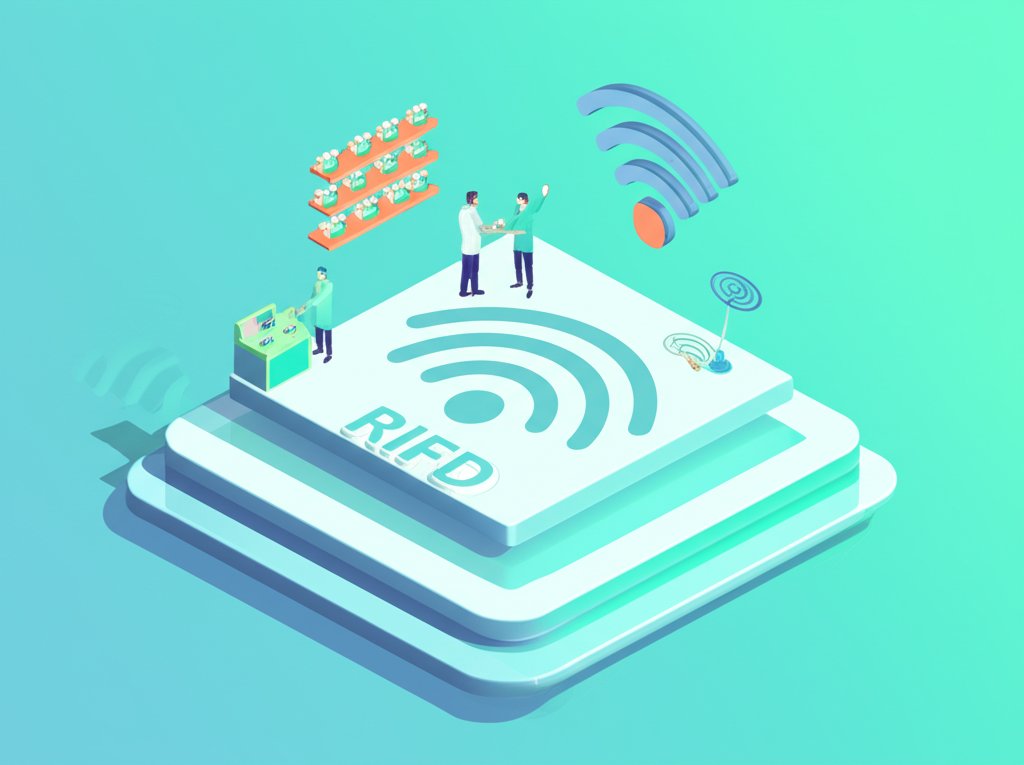
Before NFC credit card technology history, there was RFID (Radio-Frequency Identification). RFID, a technology that uses radio waves to identify and track objects, laid the groundwork for contactless communication. Early experiments in the late 20th century explored using RFID for various applications. One early example was Mobil’s Speedpass in 1997, which allowed drivers to pay for gas at the pump without swiping a card.
NFC then emerged as a subset of RFID, designed for shorter-range, secure communication. While RFID focused on tracking inventory and assets, NFC aimed at enabling secure transactions and data exchange between devices in close proximity. Key features of NFC included:
- Short Range: Limited to approximately 4 centimeters, enhancing security by preventing eavesdropping.
- Two-Way Communication: Enabled both reading and writing of data, facilitating more complex interactions.
- Secure Element: Integration with secure hardware within devices to protect sensitive payment information.
Standardization and the Rise of EMV Contactless
A major turning point in NFC credit card technology history was the development and adoption of EMV (Europay, MasterCard, and Visa) chip card standards. EMV chips added a layer of security compared to traditional magnetic stripes. The move to EMV was motivated by a rise in credit card fraud. The EMV standard was extended to include contactless functionality allowing for tap-to-pay transactions.
The EMVCo, the entity managing the EMV specifications, played a crucial role in defining the standards and ensuring interoperability across different payment systems. The standardization effort involved addressing technical challenges such as:
- Data Encryption: Securing the transmission of payment information between the card and the terminal.
- Authentication Protocols: Verifying the authenticity of the card and the transaction.
- Terminal Compatibility: Ensuring that contactless cards work seamlessly with different types of payment terminals.
By the early 2010s, contactless EMV cards began to appear in the market, paving the way for widespread NFC adoption.
Fueling Adoption: Mobile Wallets and the App Economy
The launch of mobile wallets like Apple Pay (2014), Google Pay (previously Android Pay), and Samsung Pay accelerated the growth of NFC payments. These platforms allowed users to store their credit card information securely on their smartphones and make payments by simply tapping their devices on NFC-enabled terminals.
These digital wallets brought several advantages:
- Enhanced Security: Tokenization, a key feature of mobile wallets, replaced actual credit card numbers with unique tokens during transactions. If a breach occurs, the real card data remains protected.
- Convenience: Users no longer needed to carry physical cards; they could make payments with their smartphones or smartwatches.
- User Experience: Mobile wallets offered a seamless and intuitive payment experience, encouraging more frequent use.
The rise of mobile wallets also prompted merchants to upgrade their payment infrastructure to support NFC technology, further driving adoption.
Security Enhancements: Mitigating Risks and Building Trust
As NFC payments gained popularity, security became a paramount concern. Early anxieties about NFC included the potential for skimming or eavesdropping on transactions. To address these concerns, several security measures were implemented:
- Encryption: Protecting data transmitted during NFC transactions.
- Tokenization: Replacing sensitive card data with unique tokens.
- Authentication: Requiring users to authenticate transactions with PINs, passwords, or biometrics.
Biometric authentication, such as fingerprint scanning and facial recognition, added an extra layer of security. Payment platforms like Apple Pay and Google Pay integrated biometric checks to verify the user’s identity before authorizing a transaction.
These security enhancements helped build consumer trust and confidence in NFC payments.
The Pandemic Effect: A Catalyst for Contactless Growth
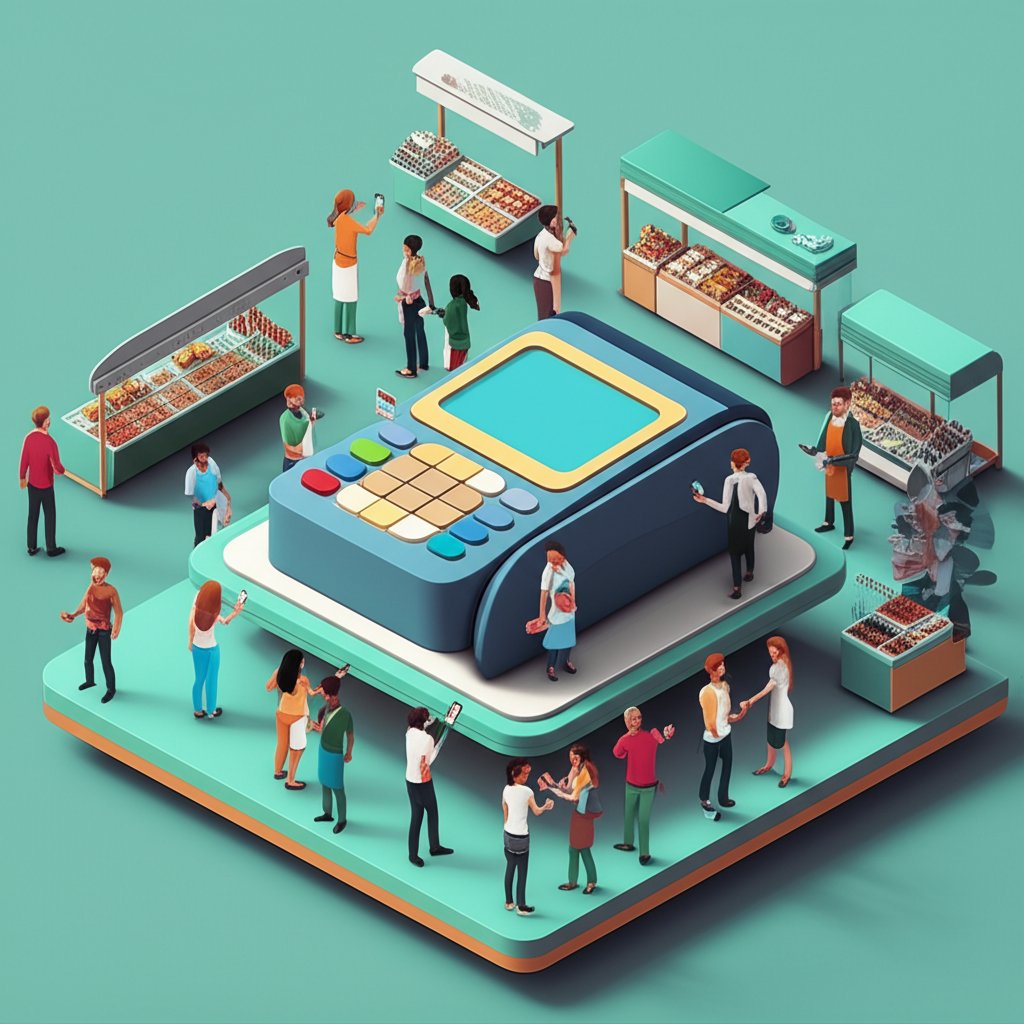
The COVID-19 pandemic served as a major catalyst for the adoption of contactless payments. As consumers sought ways to minimize physical contact, NFC-enabled credit cards and mobile wallets became the preferred payment method.
Retailers encouraged the use of contactless payments to reduce the risk of virus transmission. Many merchants increased the transaction limits for contactless payments, allowing customers to make larger purchases without needing to enter a PIN. The pandemic accelerated the shift towards a cashless society.
NFC Credit Card Technology History: Implementation Playbook
Ready to embrace the tap-to-pay revolution? Here’s how to get started:
- Check for NFC Support: Verify that your credit card and smartphone/smartwatch support NFC technology. Most modern cards are equipped with a contactless symbol.
- Set Up a Mobile Wallet: Download and install a compatible mobile wallet app (Apple Pay, Google Pay, Samsung Pay).
- Add Your Credit Card: Follow the app’s instructions to securely add your credit card details.
- Enable Authentication: Set up biometric authentication (fingerprint or facial recognition) for added security.
- Make a Payment: At the checkout, simply tap your card or device on the NFC-enabled terminal to complete the transaction.
Tips for Maximizing NFC Benefits:
- Monitor Your Transactions: Review your credit card statements regularly to identify any fraudulent activity.
- Keep Your Software Updated: Ensure that your mobile wallet app and device operating system are up to date with the latest security patches.
- Use Strong Passcodes/Biometrics: Protect your device with a strong passcode or biometric authentication to prevent unauthorized access.
- Be Aware of Your Surroundings: Exercise caution when making NFC payments in public places to avoid potential skimming attempts.
The future of credit cards is here. Explore credit card innovations and learn how to leverage the power of these technologies.
Quick Answers: Common Questions About NFC
Q: Is NFC really secure?
A: Yes, NFC payments are generally considered secure due to encryption, tokenization, and authentication protocols. However, like any technology, they are not entirely immune to risks. It’s important to follow security best practices and monitor your transactions regularly.
Q: Can someone steal my credit card information by standing near me with an NFC reader?
A: This is highly unlikely. NFC has a very short range (typically within 4 centimeters), and modern security measures like tokenization make it extremely difficult for unauthorized individuals to steal sensitive card data.
Q: What happens if my phone is lost or stolen? Can someone use my mobile wallet?
A: Most mobile wallets require authentication (PIN, password, or biometrics) before each transaction. Additionally, you can remotely disable your mobile wallet if your phone is lost or stolen.
Q: Are there any transaction limits for NFC payments?
A: Yes, some merchants impose transaction limits for contactless payments. These limits vary depending on the country, the merchant, and the card issuer. Limits are in place for additional security.
Q: My card doesn’t have the contactless symbol. Can I still use NFC?
A: If your physical card doesn’t have the contactless symbol, it does not support NFC payments. However, you can still use NFC through a mobile wallet on your smartphone or smartwatch by adding your card details to the app.
Tap into the Future
The NFC credit card technology history illustrates a clear trend: convenience, speed, and security are driving forces in payment innovation. You’ve seen how NFC evolved, from early RFID experiments to today’s dominant contactless standard. As technology continues to advance, expect even more sophisticated security measures and seamless integration with emerging platforms. NFC is more than just a payment method; it’s a gateway to a more connected and efficient financial future. Adopt NFC payments today. Start by setting up a mobile wallet and experiencing that single tap.










