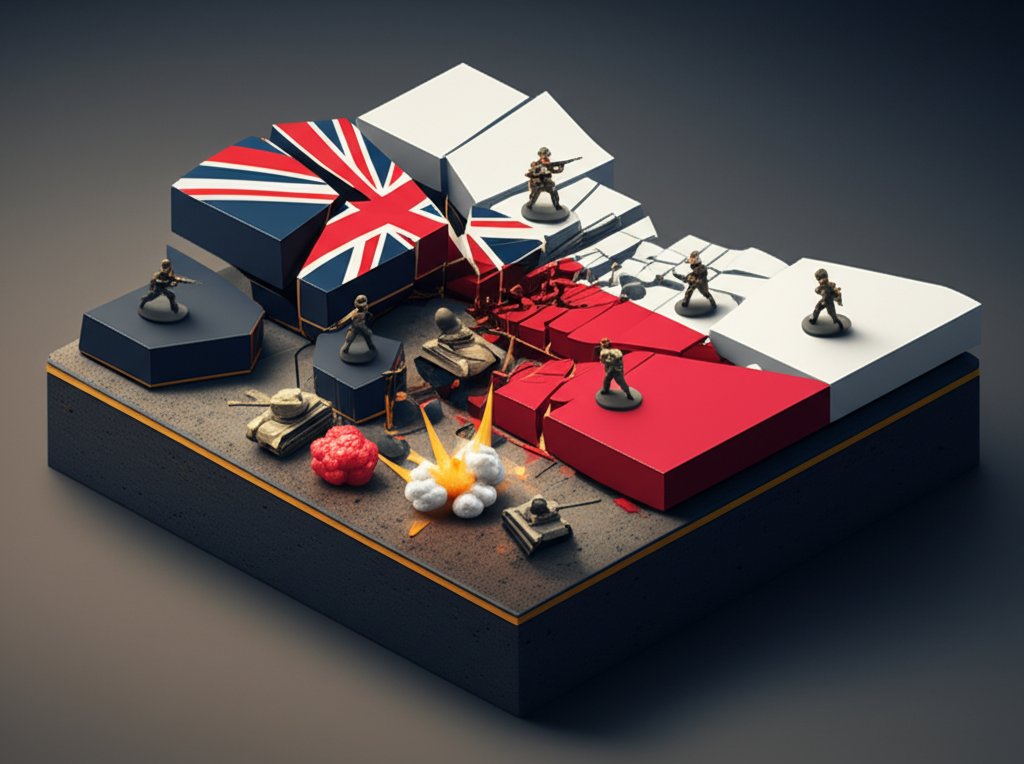
September 1939. The name echoes with the thunder of war. These World War II September Events serve as the grim overture to a conflict that would reshape the world. More specifically, the invasion of Poland triggered a series of declarations, agreements, and brutal military campaigns that set the stage for six years of global struggle.
At a glance:
- September 1, 1939: Germany invades Poland initiating World War II.
- September 3, 1939: The United Kingdom and France declare war on Germany.
- September 17, 1939: The Soviet Union invades Poland from the east.
- September 27, 1939: Warsaw surrenders to German troops.
- September 28, 1939: Germany and the Soviet Union finalize the partition of Poland.
The Spark: Germany Invades Poland
On September 1, 1939, without a formal declaration of war, Nazi Germany launched “Fall Weiss” (Case White), a meticulously planned invasion of Poland. This action is recognized as the beginning of World War II. The invasion involved a massive deployment of troops and equipment, with Army Group South, the 8th Army, and the 14th Army storming across the Polish border from multiple directions. The goal, directed by General Walther von Brauchitsch, was to cripple Poland swiftly, a tactic that would become infamous: Blitzkrieg. You can delve deeper into this pivotal day in Invasion of Poland: September 1st.
The Luftwaffe played a crucial role, quickly gaining air superiority. By September 2nd, the Polish air force was effectively destroyed, leaving Polish ground forces vulnerable to relentless aerial attacks. This initial success set a devastating precedent for the rest of the campaign.
The Domino Effect: Declarations of War
The invasion of Poland forced the hands of other nations. On September 3rd, after Germany ignored ultimatums to withdraw, the United Kingdom and France declared war. This act officially brought Western Europe into the conflict Britain, France Declare War.
Australia and New Zealand swiftly followed suit, also declaring war on September 3rd. The declarations highlighted the complexities of the alliances, as well as the start of a global conflict. South Africa joined the Allied cause on September 6th and on September 10th, Canada also declared war on Germany.
The Sinking of the Athenia: Civilian Casualties Mount
The human cost of the war began to mount rapidly. Just hours after Britain declared war, the British passenger liner Athenia was torpedoed and sunk by a German U-boat on September 3rd. This act of aggression against a civilian vessel shocked the world and foreshadowed the brutal nature of the conflict to come.
A Divided Response: The Phony War on the Western Front
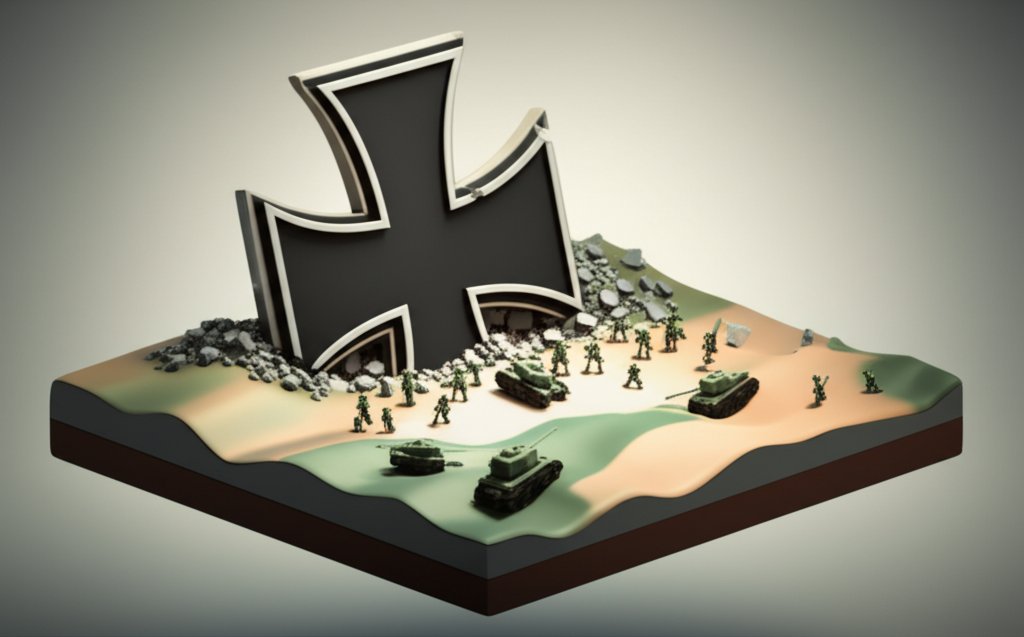
Despite declaring war, the Allied response on the Western Front was initially muted. On September 12th, the Anglo-French Supreme War Council made the fateful decision to postpone major military operations against Germany. This period of relative inactivity became known as the “Phony War” or Sitzkrieg, a period of waiting while Poland was being crushed.
However, the Royal Air Force (RAF) Bomber Command did launch its initial attacks against Nazi warships on September 3rd. These early raids sought to disrupt German naval operations, yet they were limited in scope and effectiveness.
The Soviet Invasion: A Second Blow to Poland
While Poland was reeling from the German onslaught, another threat emerged from the east. On September 17th, the Soviet Union invaded Poland. The Soviets claimed their intervention was aimed at protecting Ukrainian and Belarusian minorities within Poland and safeguarding their own security interests. However, this invasion was a direct result of the secret Molotov-Ribbentrop Pact, signed just weeks before, which outlined the planned partition of Poland between Germany and the Soviet Union.
With Polish forces already stretched thin fighting the Germans, they were unable to mount effective resistance against the Soviet invasion. This two-pronged attack sealed Poland’s fate.
The Crumbling Polish Defense: Warsaw Under Siege
The speed and power of the German Blitzkrieg were overwhelming. On September 8th, German forces captured Cracow, a major Polish city. By September 19th, Warsaw was completely encircled, marking the beginning of a brutal siege. You might be surprised to learn September 1939: The War Begins with the invasion of Poland.
The Polish Poznań Army, led by General Kutrzeba, launched a counteroffensive in the Battle of the Bzura, which briefly stalled the German advance. But ultimately, the German military’s superior firepower and air support prevailed.
On September 24th, the Luftwaffe launched a massive aerial assault on Warsaw, deploying 1,150 aircraft to bombard the city. The relentless bombing devastated Warsaw, causing immense civilian casualties and destroying critical infrastructure.
The Fall of Warsaw and the Partition of Poland
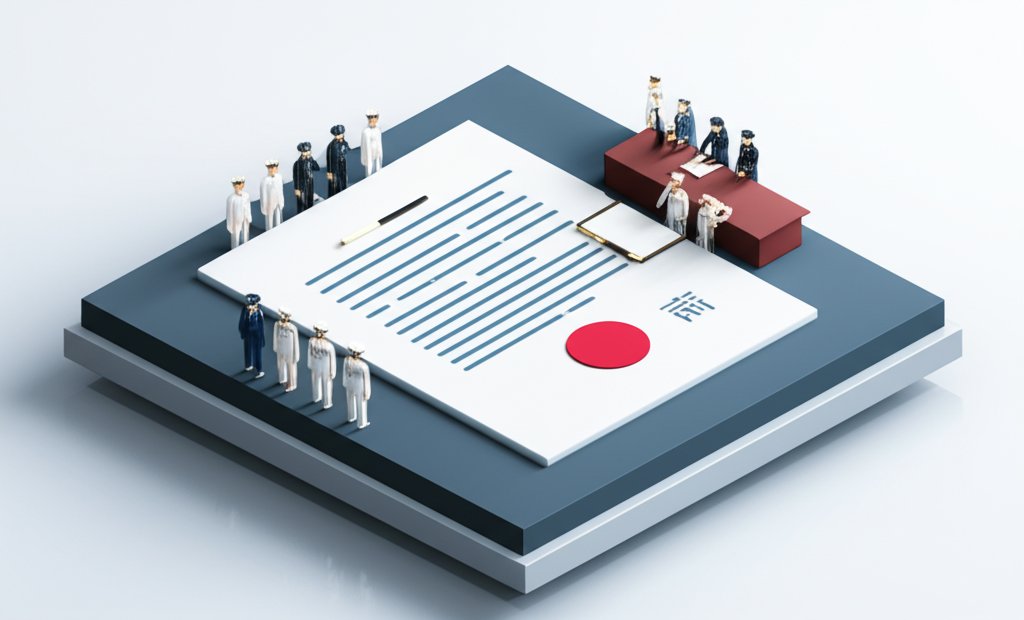
After 21 days of fierce resistance, Warsaw surrendered to German forces on September 27th. The surrender marked the end of organized Polish resistance.
On September 28th, Nazi Germany and the Soviet Union signed a treaty in Leningrad (now St. Petersburg), officially finalizing the partition of Poland. This agreement formalized the division of Polish territory along the lines agreed upon in the Molotov-Ribbentrop Pact. The world watched as Poland was erased from the map. German Colonel General Walther von Brauchitsch announced the completion of military operations in Poland on September 21st. German forces occupied approximately 100,000 square miles and captured 400,000 Polish prisoners in just 20 days. Understanding the events of September 1939: War Begins is crucial to grasping the wider context of the war.
Soviet military forces occupied Brest-Litovsk and Bialystok by September 23rd. On September 22nd, Russian and German military forces converged in Poland and convened a joint military commission to partition Polish territory. By September 29th, Germany and the Soviet Union had effectively carried out their plan to carve up Poland.
The Aftermath: A World at War
The World War II September Events had far-reaching consequences. Germany’s invasion of Poland demonstrated a new kind of warfare, Blitzkrieg, and exposed the inadequacies of existing Allied military strategies. The Molotov-Ribbentrop Pact revealed the cynical collaboration between Nazi Germany and the Soviet Union, a partnership that would have profound implications for Eastern Europe.
The invasion of Poland triggered declarations of war from Britain, France, and other nations, escalating the conflict into a global war. The Nazi plan for the removal and persecution of Jewish populations was also discussed, setting the stage for the Holocaust.
The British Ministry of Information declared on September 18th that the British government would not negotiate or conclude peace with any German government led by Adolf Hitler, a firm stance that signaled the Allies’ determination to fight until victory.
Key Figures and Casualties
The figures associated with the World War II September Events are staggering. While it’s difficult to pinpoint exact numbers, the Poland campaign resulted in approximately 50,000 Polish deaths and the capture of 750,000 Poles. German losses amounted to 10,572 troops, while Soviet losses were around 734.
Overall, World War II is estimated to have caused between 40 and 50 million deaths.
Learning More About World War II
Interested in diving deeper into this pivotal period of history? There are countless resources available. To begin, you can Explore WWII History Books for detailed accounts and analyses.
The Legacy of September 1939: What You Need To Remember
September 1939 was not just the start of a war; it was the beginning of a new era. The events of that month cast a long shadow, shaping the political landscape of the 20th century and beyond. We can learn from the mistakes of the past and work toward a future where such a devastating conflict never happens again. Though the war continued and concluded in Japans Surrender: September 1945, the seeds were sown in Poland. The invasion of Poland and the subsequent declarations of war serve as a stark reminder of the fragility of peace and the importance of vigilance in the face of aggression. Understanding the details of what transpired in September 1939 is vital for comprehending the full scope and impact of World War II.










