
Untuk gambaran yang lebih besar dan konteks penuh, pastikan Anda membaca panduan utama kami tentang World War II September Events: Poland Falls, Allies Enter the War.
markdown
The invasion of Poland in September 1939 wasn’t just another territorial dispute; it was the spark that ignited World War II. Comprehending the rapid sequence of ww2 events september 1939 and the underlying strategies is key to understanding the war’s initial stages and its long-lasting impact.
At a glance:
- Understand the key military strategies and tactics employed by Germany during the invasion of Poland.
- Learn how political alliances and pacts, like the Molotov-Ribbentrop Pact, shaped the events of September 1939.
- Identify the pivotal dates and their immediate consequences, including declarations of war by Britain and France.
- Grasp the significance of the Polish defense and the international response, or lack thereof, to the invasion.
- Analyze the immediate aftermath of the invasion, including the division of Poland and the start of Nazi and Soviet occupation.
The Blueprint for Conquest: Germany’s Fall Weiss Strategy
Germany’s plan for the invasion of Poland, codenamed Fall Weiss (Case White), was a meticulously crafted strategy designed for a lightning-fast victory. This wasn’t about incremental gains; it was about the swift and complete neutralization of Poland. The success hinged on a coordinated, multi-pronged assault that overwhelmed Polish defenses before they could fully mobilize.
- Double Envelopment: The core tactic involved two main thrusts. The first, from Pomerania and East Prussia, aimed to seize the Polish Corridor, severing Poland’s access to the Baltic Sea and linking the two German territories. The second, a much larger offensive from southern Poland, targeted Warsaw, the country’s capital and strategic heart. This “pincer” movement aimed to encircle and isolate large pockets of Polish troops.
- Blitzkrieg Doctrine: Blitzkrieg (lightning war) was the operational method. It combined rapid armored advances with devastating air power to create chaos and prevent the enemy from forming a cohesive defense. Tanks spearheaded the ground assault, punching through enemy lines, while the Luftwaffe (German air force) bombed infrastructure, airfields, and communication centers, disrupting command and control.
- Air Superiority: The Luftwaffe’s initial objective was to cripple the Polish air force. By targeting airfields and aircraft on the ground, they quickly established air superiority, allowing them to provide unrestricted support to ground troops and disrupt Polish supply lines.
Example: The Luftwaffe’s bombing of Polish airfields on September 1st, 1939, effectively neutralized a significant portion of the Polish air force within hours. This immediate air superiority allowed German forces to advance with minimal aerial opposition.
A Tangled Web of Alliances: Political Maneuvering Before the Storm
The ww2 events september 1939 didn’t occur in a vacuum. A complex interplay of political alliances and pacts laid the groundwork for the invasion and the subsequent declarations of war.
- The Nazi-Soviet Non-Aggression Pact (Molotov-Ribbentrop Pact): Signed just days before the invasion, this pact was a game-changer. It secretly divided Eastern Europe into spheres of influence, with Poland partitioned between Germany and the Soviet Union. This agreement removed the threat of Soviet intervention, allowing Germany to focus solely on Poland. It was a cynical, short-term alliance of convenience between two ideological enemies.
- Anglo-Polish Alliance: Britain and France, seeking to deter German aggression, had pledged military support to Poland if it were attacked. This guarantee, however, proved to be a slow-acting deterrent. While both countries declared war on Germany on September 3rd, their practical assistance to Poland was limited.
- Seeking Appeasement: Prior to September 1939, Britain and France pursued a policy of appeasement, hoping to avoid war by making concessions to Hitler. This strategy, exemplified by the Munich Agreement of 1938, ultimately failed to prevent further German expansion and emboldened Hitler to invade Poland.
The broken promises and the cynical pacts created an environment where Poland stood largely alone against the German war machine. As you delve deeper into this crucial period, you can find more comprehensive details by visiting September 1939: War Begins.
Day by Day: Key Moments That Defined the Beginning
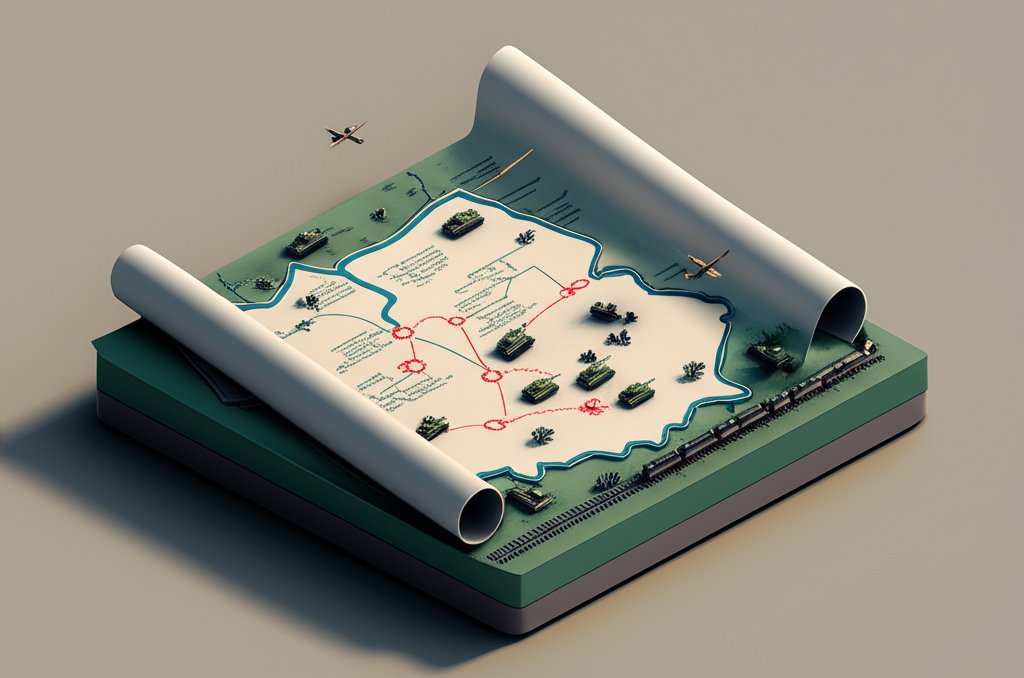
Understanding the timeline of ww2 events september 1939 is crucial to grasp the speed and scale of the German offensive and the Polish response.
| Date | Event | Significance |
|---|---|---|
| September 1 | Germany invades Poland; shelling of Westerplatte; start of Battle of Border. | Marks the beginning of WWII; German air superiority established early. |
| September 3 | Britain and France declare war on Germany. | Formalizes the start of a wider European war, though immediate military assistance to Poland is limited. |
| September 17 | Soviet Union invades Poland from the east. | Seals Poland’s fate; two-front war becomes impossible to sustain. |
| September 28 | Warsaw surrenders to German forces; Soviet-German Treaty of Friendship signed. | Symbolizes Poland’s defeat; further solidifies the division of Poland between Germany and the Soviet Union. |
| October 6 | Last Polish defenders surrender. | End of organized Polish resistance; Poland is under occupation. |
| Pitfall: It’s easy to oversimplify the timeline and miss the connections between these events. For instance, the Molotov-Ribbentrop Pact directly enabled Germany to invade Poland without fear of immediate Soviet intervention, influencing the speed and intensity of the offensive. |
Polish Resolve: A Nation’s Stand Against Overwhelming Odds
Despite being outmatched in terms of military strength and strategic positioning, the Polish armed forces put up a valiant defense.
- Defense Strategy: The Polish strategy aimed to defend the country’s extensive borders and delay the German advance long enough for Britain and France to launch a counter-offensive. However, this plan was flawed due to the speed of the Blitzkrieg and the inability of the Allies to provide timely assistance.
- Heroic Resistance: Individual Polish units fought fiercely, often against overwhelming odds. The defense of Westerplatte, a small peninsula near Danzig, is a prime example of Polish courage and determination. A small garrison held out for seven days against relentless German attacks.
- Lack of Allied Support: The promised Allied support never materialized in time to significantly impact the outcome. While Britain and France declared war, their military actions were limited to symbolic gestures.
Case Snippet: The Battle of the Bzura, fought between September 9th and 18th, was the largest Polish counterattack of the campaign. Although initially successful, the offensive was ultimately defeated by the Luftwaffe and superior German armor.
From Sovereignty to Occupation: The Dismemberment of Poland

The immediate aftermath of the invasion saw Poland carved up between Germany and the Soviet Union, erasing it from the map.
- German Occupation: The regions under German control were subjected to brutal oppression. Polish citizens were targeted for persecution, forced labor, and extermination. Concentration camps were established, and a systematic campaign of terror was implemented to suppress any resistance.
- Soviet Occupation: In the eastern territories occupied by the Soviet Union, a similar pattern of repression emerged. Mass deportations, executions, and the suppression of Polish culture became commonplace.
- Formation of the Polish Underground State: Despite the occupation, the Polish spirit of resistance remained unbroken. A secret underground state was formed, complete with its own government, army (the Home Army or Armia Krajowa), and educational system. This underground movement played a crucial role in resisting the German occupation throughout the war.
*Decision Tree: If you are researching the long-term consequences of the September 1939 invasion, focus on the impact of the Nazi and Soviet occupations on Polish society, culture, and national identity.
Practical Playbook: Understanding the Invasion of Poland
Here’s how to approach understanding the invasion for research or historical analysis:
- Focus on Primary Sources: Consult original documents, such as military orders, diplomatic correspondence, and personal accounts from soldiers and civilians.
- Compare German and Polish Perspectives: Examine the invasion from both sides to gain a balanced understanding of the strategies, motivations, and experiences involved.
- Analyze the Role of Technology: Evaluate the impact of technological advancements, such as tanks and aircraft, on the outcome of the invasion.
- Assess the Influence of Geography: Consider how Poland’s geographical features, such as its long borders and lack of natural defenses, affected the course of the campaign.
- Study the Impact on Civilians: Investigate the human cost of the invasion, including the displacement, suffering, and loss of life experienced by the Polish population.
Quick Answers: Common Questions About September 1939
- Why didn’t Britain and France provide more direct military assistance to Poland? They were militarily unprepared for a full-scale war against Germany and hoped that a naval blockade and eventual mobilization would force Hitler to negotiate.
- Was the Polish army completely outmatched by the German army? Yes, in terms of equipment and air power. The Polish army was outnumbered and outgunned.
- What was the significance of the Soviet invasion of eastern Poland? It sealed Poland’s fate by forcing it to fight a two-front war, making any chance of effective resistance impossible.
- How did the invasion of Poland lead to World War II? The invasion triggered the declarations of war by Britain and France, countries that had pledged to protect Poland’s sovereignty, thus expanding the conflict beyond a regional dispute.
Actionable close
The events of September 1939 served as a stark warning about the dangers of appeasement and the devastating consequences of unchecked aggression. Understanding the invasion of Poland–the blitzkrieg tactics, the broken alliances, and the fierce Polish resistance–is essential not only for understanding the start of World War II, but also for drawing lessons applicable to today’s world.










