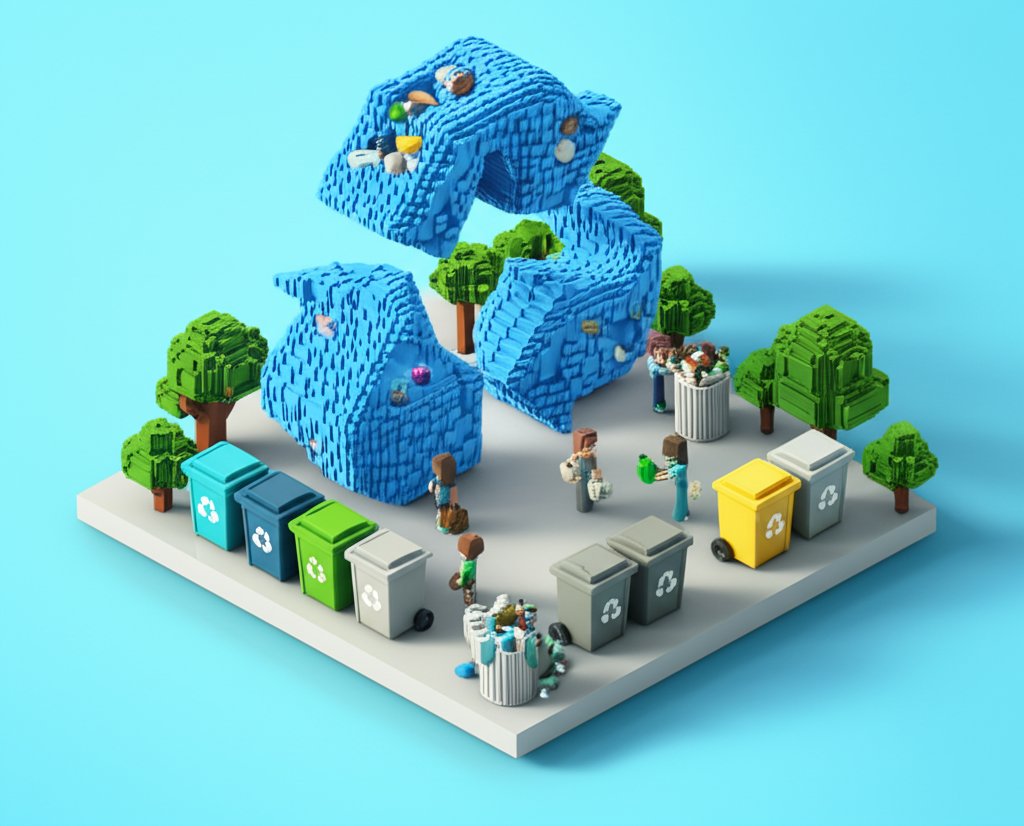
Navigating the world of trash and recycling can feel like a constant battle against clutter, odors, and confusion. But what if managing your household waste could be streamlined, efficient, and even…smart? From innovative gadgets to clever DIY solutions, optimizing your trash and recycling storage not only declutters your living space but also contributes to a more sustainable lifestyle. This comprehensive guide explores the realm of smart storage solutions for trash and recyclables, offering practical tips, product recommendations, and creative ideas to transform your waste management routine from a chore into a conscious effort. Get ready to discover how simple changes can make a big difference in your home and the environment.
Understanding the Need for Smart Storage Solutions
The typical approach to handling trash and recyclables often involves a mismatched collection of bins and bags, leading to unsightly clutter, unpleasant odors, and inefficient sorting. However, investing in smart storage solutions offers several key advantages.
Maximizing Space Efficiency
Many homes, especially apartments and smaller houses, struggle with limited space. Smart storage solutions can help maximize every square inch, utilizing vertical space with stackable bins, under-sink organizers, and wall-mounted containers. Transforming unused corner spaces into organized disposal zones is another way impactful ways reduce waste.
Improving Hygiene and Odor Control
Open trash cans can attract pests and release unpleasant odors into the living space. Smart storage solutions often incorporate features like self-sealing lids, activated carbon filters, and antimicrobial coatings to minimize odors and maintain a hygienic environment. Consider using odor absorbing gels to neutralize any lingering smells.
Enhancing Sorting and Recycling Efficiency
Properly sorting recyclables is crucial for maximizing their value and minimizing contamination. Smart storage solutions often feature multiple compartments with clear labeling to streamline the sorting process. Remember, crucial place plastic and glass containers into designated containers.
Promoting Sustainability and Environmental Awareness
By making recycling more convenient and efficient, smart storage solutions can encourage greater participation in recycling programs and promote a more sustainable lifestyle. Seeing organized recycling efforts can encourage family members to be more conscious of their waste output and disposal habits.
Exploring Smart Trash Can Technologies
Smart trash cans are revolutionizing how we handle household waste, incorporating innovative technologies to improve hygiene, convenience, and efficiency.
Self-Sealing and Automatic Bag Replacement
One of the most popular features of smart trash cans is their self-sealing mechanism, which automatically seals the trash bag when it’s full, preventing spills and odors. Some models also feature automatic bag replacement, using a built-in dispenser to load a new bag once the old one is removed. This creates an extremely convenient, hands-free experience.
Odor Control Systems
Many smart trash cans incorporate advanced odor control systems, such as activated carbon filters, UV sanitizers, and air ionizers, to neutralize unpleasant odors and keep the surrounding area fresh. Some even feature scented refills for a pleasant aroma.
Touchless Operation and Motion Sensors
Touchless operation is another key feature of smart trash cans, utilizing motion sensors to automatically open and close the lid when you approach. This promotes hygiene by eliminating the need to touch the trash can, reducing the spread of germs.
Smart Home Integration and Mobile Apps
Some high-end smart trash cans can be integrated with smart home systems and controlled via mobile apps. This allows you to monitor trash levels, receive notifications when the bag is full, and even schedule automatic bag replacements. The app integration provides valuable insights into your waste management habits.
Optimizing Recycling Bins for Efficiency

Properly organizing and storing recyclables is crucial for maximizing their value and reducing environmental impact. Investing in specialized recycling bins can significantly improve the efficiency of your recycling efforts.
Multi-Compartment Bins for Sorting
Multi-compartment recycling bins are designed with separate sections for different types of recyclables, such as paper, plastic, glass, and metal. This simplifies the sorting process and prevents contamination, ensuring that materials are properly processed at recycling facilities. Don’t forget to check if cracking the egg carton recycling code impacts your area.
Stackable and Modular Designs
Stackable and modular recycling bins are ideal for maximizing space in smaller homes or apartments. These bins can be stacked vertically or arranged in various configurations to fit your available space. This flexibility allows you to customize your recycling setup to match your specific needs.
Clear Labeling and Color-Coding
Clear labeling and color-coding are essential for preventing confusion and ensuring that recyclables are properly sorted. Use labels with clear instructions and color-coded stickers to differentiate between different types of materials. This visual aid helps family members and guests easily identify the correct bin for each item.
Mobile Recycling Carts and Rolling Bins
Mobile recycling carts and rolling bins offer added convenience, especially for larger households or those with limited mobility. These carts can be easily moved from room to room or transported to the curb for collection. This mobility reduces the effort required to manage recyclables.
Creative DIY Storage Solutions
For those on a budget or who enjoy creative projects, DIY storage solutions offer a cost-effective and customizable way to optimize trash and recycling storage.
Repurposing Old Furniture
Old furniture can be repurposed into functional and stylish recycling stations. For example, an old dresser can be transformed into a multi-compartment recycling bin by adding dividers and labels to the drawers. Similarly, an old cabinet can be converted into a hidden trash and recycling storage unit. Get creative and think outside the box!
Building Custom Shelving and Racks
Custom shelving and racks can be built to maximize vertical space and create organized storage solutions. Use reclaimed wood or inexpensive lumber to build shelves that fit your specific needs. Add hooks and bins to create a dedicated space for trash bags, cleaning supplies, and recycling containers.
Utilizing Wall-Mounted Organizers
Wall-mounted organizers are a great way to free up floor space and keep trash and recycling supplies within easy reach. Use wall-mounted baskets, bins, and racks to store trash bags, gloves, cleaning sprays, and other essentials. This keeps everything organized and accessible.
DIY Compost Bins for Food Scraps
Composting food scraps is an excellent way to reduce waste and create nutrient-rich soil for your garden. Build your own compost bin using recycled materials, such as plastic bins, wooden pallets, or wire mesh. Add ventilation holes and a lid to control moisture and odor. Remember, insinkerator badger guide solutions can also significantly decrease food waste.
Addressing Common Challenges and Solutions
Even with the best storage solutions, certain challenges may arise. Here’s how to address them effectively.
Odor Control Strategies
Odors are a common concern when storing trash and recyclables. Use baking soda to absorb odors by placing an open box in the trash can or sprinkling it on the bottom of the bin. Activated charcoal filters can also neutralize odors. Empty and clean bins regularly with soap and water to prevent bacteria buildup.
Pest Prevention Techniques
Pests like flies, ants, and rodents can be attracted to trash and recycling. Keep bins tightly sealed and clean up any spills promptly. Use natural pest repellents, such as peppermint oil or diatomaceous earth, around the bins. Get rid maggots by regularly cleaning your trash bins and using insecticides if necessary.
Managing Bulky Items
Bulky items like cardboard boxes and large plastic containers can take up valuable space. Break down cardboard boxes before placing them in the recycling bin to save space. Consider investing in a trash compactor to reduce the volume of your waste. Contact your local waste management provider for guidance on disposing of large or unusual items.
Maintaining Cleanliness and Hygiene
Regular cleaning is essential for maintaining a hygienic storage area. Wash bins regularly with soap and water, and disinfect them periodically with a bleach solution. Wear gloves when handling trash and recyclables, and wash your hands thoroughly afterward.
Outdoor Storage Options and Considerations
For households with ample outdoor space, outdoor storage solutions can provide a convenient and discreet way to manage trash and recyclables.
Weather-Resistant Storage Sheds
Weather-resistant storage sheds are designed to protect trash and recycling bins from the elements. Choose a shed made from durable materials like plastic, metal, or wood. Ensure that the shed is properly ventilated to prevent moisture buildup and odor accumulation. Also, think about the bin lorries types when deciding placement and ease of collection.
Animal-Proof Containers
Animals can be attracted to trash and recycling, causing messes and spreading diseases. Invest in animal-proof containers with secure lids and latches to prevent animals from accessing your waste. Consider using bungee cords or straps to further secure the lids.
Concealing Trash and Recycling Bins
If you prefer to keep your trash and recycling bins out of sight, consider using screens, fences, or landscaping to conceal them. Plant shrubs or vines around the bins to create a natural barrier. Build a decorative enclosure to hide the bins from view.
Accessibility and Convenience
When choosing an outdoor storage location, consider accessibility and convenience. Place the storage area near your home’s entrance or driveway for easy access. Ensure that there is adequate lighting for nighttime use. Keep the area clear of obstacles to facilitate waste disposal.
The Role of Technology in Future Waste Management
Technology is playing an increasingly important role in waste management, offering innovative solutions to improve efficiency, reduce waste, and promote sustainability.
Smart Sensors and Data Analytics
Smart sensors can be used to monitor trash and recycling levels in bins, providing valuable data to waste management companies. This data can be used to optimize collection routes, reduce fuel consumption, and improve overall efficiency. Data analytics can also identify trends in waste generation and recycling rates, helping communities develop more effective waste management strategies.
Automated Sorting and Recycling Systems
Automated sorting and recycling systems use advanced technologies like optical sensors, robotics, and artificial intelligence to sort materials more efficiently and accurately. These systems can separate different types of plastics, metals, and paper, improving the quality of recycled materials and reducing contamination. This reduces reliance on manual sorting, making the process more efficient.
Waste-to-Energy Technologies
Waste-to-energy technologies convert waste into usable energy, such as electricity or heat. These technologies can reduce landfill waste and provide a sustainable source of energy. Examples include incineration, gasification, and anaerobic digestion. While these technologies are controversial, they offer a potential solution for managing waste that cannot be recycled.
Mobile Apps and Digital Platforms
Mobile apps and digital platforms can be used to educate and engage citizens in waste reduction and recycling efforts. These apps can provide information on local recycling guidelines, collection schedules, and waste disposal tips. They can also track individual recycling efforts and reward users for participating in sustainable practices. Some digital platforms even connect residents with local recycling services.
Conclusion: Embracing Smart Solutions for a Sustainable Future
Optimizing trash and recycling storage is not just about decluttering your home; it’s about embracing a more sustainable lifestyle. By investing in smart storage solutions, you can improve efficiency, reduce odors, prevent pests, and promote recycling. Whether you choose to purchase innovative products, create DIY solutions, or simply adopt better practices, every effort contributes to a cleaner, healthier planet. So, take action today and transform your waste management routine into a conscious effort to protect our environment. Share your own smart storage solutions in the comments below and inspire others to join the movement!
FAQ: Smart Storage Solutions
Q: What are the benefits of using smart trash cans?
Smart trash cans offer benefits like self-sealing bags, odor control, touchless operation, and smart home integration, improving hygiene and convenience.
Q: How can I optimize my recycling bins for efficiency?
Use multi-compartment bins, stackable designs, clear labeling, and mobile carts to simplify sorting and maximize space.
Q: What are some creative DIY storage solutions?
Repurpose old furniture, build custom shelving, utilize wall-mounted organizers, and create DIY compost bins for cost-effective storage.
Q: How can I control odors in my trash and recycling area?
Use baking soda, activated charcoal filters, and regular cleaning to neutralize odors and maintain a hygienic environment.
Q: What are some outdoor storage options for trash and recycling?
Weather-resistant storage sheds, animal-proof containers, and concealed bins offer convenient and discreet outdoor storage solutions. Remember the information about plastic bottles shocking impacts to help guide your decisions.











1 thought on “Smart Storage Solutions: How to Best Store Your Trash and Recyclables”
Comments are closed.