
Finding a wriggling mass of maggots in your trash can is a truly disgusting experience, but it’s a common household problem that’s entirely solvable. These unwelcome guests are not just unsightly; they indicate an underlying issue with waste management and can pose hygienic concerns. If you’re wondering how to get rid of maggots swiftly and effectively, and, more importantly, prevent them from ever returning, you’ve come to the right place. This ultimate guide will equip you with a comprehensive arsenal of strategies for immediate maggot elimination and long-term maggot prevention, transforming your battle against trash can maggots into a decisive victory.
Understanding Maggots: The Enemy in Your Trash Can
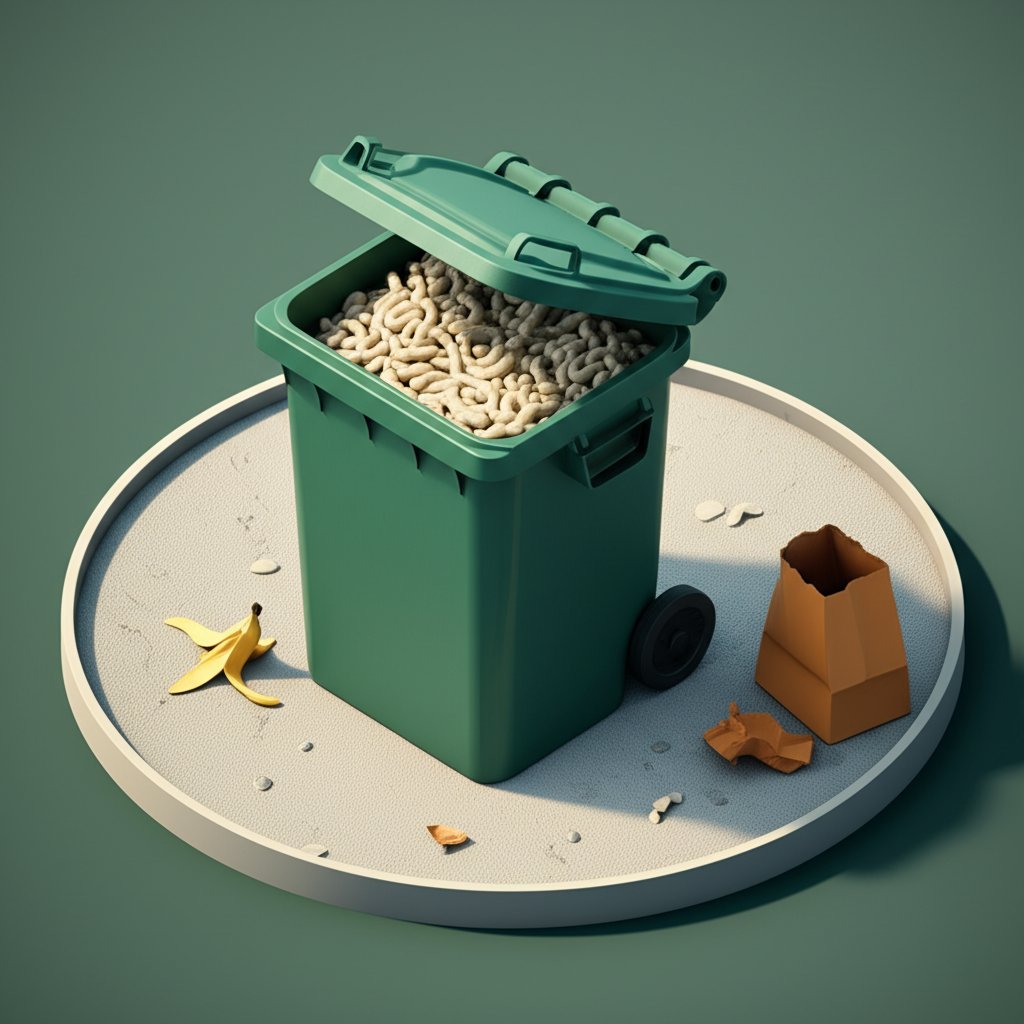
Before you can effectively fight an enemy, you need to understand it. Maggots are more than just gross; they are a critical stage in the life cycle of common flies, particularly houseflies and blowflies, which are highly attracted to decaying organic matter.
What Exactly Are Maggots? Life Cycle and Identification
Maggots are the larval stage of flies. The cycle begins when an adult female fly lays hundreds of tiny, white, rice-grain sized eggs on decaying organic material. In as little as 8-24 hours, these eggs hatch into larvae – the legless, yellowish-white, segmented creatures we call maggots.
These maggots feed voraciously for 3-5 days, growing rapidly. As they mature, they seek a dry, dark place to pupate, transforming into a reddish-brown casing. Inside this pupa, the maggot metamorphoses into an adult fly, emerging anywhere from 3 days to several weeks later, depending on the species and environmental conditions.
Breaking this rapid life cycle is paramount for maggot elimination. Identifying the type of “maggots in trash can” isn’t always necessary for removal, but understanding their origins helps with prevention. Housefly maggots are most common, but larger blowfly maggots indicate rotting meat or animal waste.
Why Your Trash Can Becomes a Maggot Paradise: Attractants and Conditions
Your trash can, especially in warmer months, is a five-star resort for flies looking to lay eggs, making it a hotbed for trash can maggots. Here’s why:
- Decomposing Organic Matter: Flies are irresistibly drawn to the odors of rotting food scraps – meat, dairy, fruits, vegetables, and even pet waste. These provide a rich food source for developing maggots.
- Moisture: Moist environments accelerate decomposition, intensifying odors and making the trash can an ideal breeding ground. Juice from food scraps, condensation, or rain can create this damp paradise.
- Warmth: Heat speeds up the fly life cycle. Warm temperatures allow eggs to hatch faster and maggots to mature more quickly.
- Accessibility: An open lid or poorly sealed trash bags offer easy entry for flies to deposit their eggs.
Essentially, any unsealed container with rotting, moist organic waste, especially in warm conditions, is an open invitation for flies to transform it into a maggot nursery.
Common Signs of a Maggot Infestation
Beyond the obvious sight of wriggling larvae, here are other indicators you might have maggots in your trash can:
- Foul Odor: A strong, sweet, or putrid smell emanating from your bin, even after emptying, often indicates decaying matter and potential maggot activity.
- Increased Fly Activity: An unusual number of flies buzzing around your trash can or kitchen area is a clear warning sign.
- Small, White “Rice Grains”: These are often fly eggs, usually laid in clusters. If you spot these, maggots are likely not far behind.
- Wet Spots or “Trash Juice”: Liquid pooling at the bottom of your trash can can be a breeding ground and a sign of decomposing waste.
Immediate Maggot Elimination Strategies: Get Rid of Maggots FAST
When faced with an active infestation, your priority is swift maggot elimination. Here are the most effective methods, from natural remedies to stronger chemical solutions, to get rid of maggots quickly.
Powerful Natural & Home Remedies
For those who prefer eco-friendly and readily available options, these methods are highly effective for killing trash can maggots:
Boiling Water:
- Method: The simplest and most direct approach. Carefully pour a generous amount of boiling water directly over the maggots. The extreme heat will kill them instantly.
- Caveat: This method is best for metal trash cans. Avoid using it on plastic bins, as the heat can warp or melt the plastic.
- Actionable Tip: If using with caution on plastic, aim for direct contact with maggots and drain quickly.
Salt & Diatomaceous Earth (DE):
- Method: Both salt and food-grade diatomaceous earth are natural dehydrating agents. Sprinkle a thick layer of either directly over the maggots. They absorb moisture from the maggots’ bodies, causing them to dehydrate and die.
- Benefit: DE is also effective as a preventative measure.
- Actionable Tip: For best results, ensure thorough coverage.
Vinegar & Citrus Solutions:
- Method: While primarily a repellent, a strong solution of undiluted white vinegar or lemon juice can also kill maggots on contact, especially if left to soak. The acidity is effective.
- Actionable Tip: After emptying your trash, spray the inside of the bin liberally with undiluted vinegar or a citrus cleaner, focusing on any remaining residue or maggots. Let it sit for 15-30 minutes before rinsing.
Essential Oils (Peppermint, Clove, Eucalyptus):
- Method: Certain essential oils have strong insecticidal properties. Mix 15-20 drops of peppermint, clove, or eucalyptus oil with a cup of hot water and a tablespoon of liquid soap. Spray this solution directly onto the maggots.
- Benefit: Leaves a pleasant scent while deterring flies.
- Actionable Tip: Use regularly as a cleaning and repellent spray for your trash can.
Lime (Calcium Hydroxide) or Garden Lime:
- Method: A lesser-known but effective method. Sprinkle hydrated lime or garden lime over the maggots. The alkalinity raises the pH, creating an inhospitable environment that kills them.
- Caution: Handle lime with gloves and avoid inhaling the dust. Keep pets away from treated areas.
- Actionable Tip: Best used in outdoor bins.
Effective Chemical Solutions (When Nature Needs a Boost)
For severe infestations or when natural methods aren’t enough, chemical solutions can provide a more potent blow to trash can maggots. Always read and follow product instructions carefully and prioritize safety.
Insecticide Sprays:
- Method: Look for household insecticides specifically labeled for flies and crawling insects. Sprays containing pyrethrins or permethrin are commonly effective.
- Caution: Use in a well-ventilated area. Avoid spraying near food or pets.
- Actionable Tip: After spraying, quickly seal the trash bag and dispose of it immediately.
Bleach (Sodium Hypochlorite):
- Method: A strong disinfectant, bleach kills maggots by breaking down their protein structure. Mix equal parts bleach and water, then pour or spray directly onto the maggots.
- Caution: Bleach is corrosive and emits strong fumes. Use gloves and eye protection, ensure good ventilation, and never mix bleach with ammonia or other cleaners. Avoid prolonged contact with certain materials.
- Actionable Tip: This is a powerful sanitizer after maggot elimination.
- Method: Similar to bleach, ammonia can kill maggots due to its caustic nature. Mix a solution (e.g., 1 part ammonia to 2 parts water) and apply.
- Caution: Strong fumes. Use in a well-ventilated area, wear gloves, and never mix ammonia with bleach.
- Actionable Tip: Can be effective for cleaning and killing residual maggots after trash removal.
Physical Removal & Quick Kill Methods
Sometimes, direct action is the fastest way to get rid of maggots.
Bagging & Freezing:
- Method: For smaller amounts of infested trash or if the weather allows, tie up the infested bag tightly and place it in a freezer for several hours. The extreme cold will kill the maggots.
- Benefit: Chemical-free and very effective.
- Actionable Tip: Ideal for controlling small batches of organic waste during hot spells.
Power Washing / High-Pressure Hose:
- Method: After emptying the trash, use a power washer or a strong stream from a garden hose to physically blast away any remaining maggots and food residue from the inside of the can.
- Benefit: Cleans and eliminates simultaneously.
- Actionable Tip: Apply a cleaning solution (e.g., vinegar mix or diluted bleach) before power washing for a thorough cleanse.
Maggot Prevention: Stop Future Infestations Before They Start
Once you’ve achieved maggot elimination, the next crucial step is robust maggot prevention. This involves creating an environment hostile to flies and their larvae.
Optimal Trash Can Management
Your trash can itself is the first line of defense against trash can maggots.
Tight-Fitting Lids & Liners:
- Why it works: A secure lid is essential. It keeps flies out and traps odors in, making your bin less attractive. Heavy-duty trash bags provide an extra barrier and prevent leaks.
- Actionable Tip: Ensure your trash can lid seals completely. If it’s damaged, replace it. Use tear-resistant, thick plastic liners.
Regular Cleaning Rituals:
- Why it works: Even with liners, residue can accumulate. Cleaning removes food particles and odors that attract flies.
- Step-by-Step Cleaning:
- Empty: Always empty your trash can completely.
- Rinse: Rinse the inside with a garden hose (preferably outdoors).
- Scrub: Use a long-handled brush with hot, soapy water (dish soap works well). For extra sanitization, add a cup of bleach or vinegar to the water. Pay attention to crevices and the lid’s underside.
- Rinse Thoroughly: Remove all soap and cleaning solution.
- Dry Completely: Allow the trash can to air dry in the sun (UV rays help sanitize) or wipe it dry to prevent moisture buildup.
- Frequency: Aim for a deep clean weekly during warm months, bi-weekly during cooler periods.
Placement Matters:
- Why it works: Where you keep your trash can can significantly impact its attractiveness to flies.
- Actionable Tip: Position outdoor bins in a cool, shaded area if possible. Direct sunlight can accelerate decomposition and intensify odors. Keep bins as far away from entry points to your home as practical.
Smart Waste Disposal Practices
How you handle your waste before it even reaches the trash can is critical for maggot prevention.
Preventing maggots starts with proper waste management, so learning about how waste and recyclables should be stored can significantly reduce the chances of an infestation.
Double Bagging & Tying:
- Why it works: Provides an extra layer of protection against leaks and odors. Tying bags securely prevents flies from entering.
- Actionable Tip: Always double-bag particularly smelly or wet waste. Twist and tie all trash bags tightly before placing them in the bin.
Dealing with Meat & Organic Waste:
- Why it works: These are the primary attractants for blowflies, leading to the worst maggot infestations.
- Actionable Tip: For raw meat scraps, bones, or fish, seal them in a smaller, separate plastic bag (like a grocery bag) before placing them in the main trash bag. Consider freezing these items until trash collection day, especially in hot weather.
Composting vs. Trash:
- Why it works: Diverting organic waste reduces the attractants in your main trash can.
- Actionable Tip: If you compost, ensure your compost bin is sealed and properly managed to avoid attracting flies there too. Not all food waste is suitable for home composting (e.g., meat and dairy).
Freezing Food Scraps (Short-Term):
- Why it works: Eliminates odors and prevents flies from laying eggs on them.
- Actionable Tip: Keep a small container in your freezer for food scraps (fruit peels, coffee grounds, small bits of uneaten food) and transfer them to the main trash can just before collection day.
Addressing Broader Environmental Factors
Maggot prevention extends beyond just your trash can.
Yard Cleanliness:
- Why it works: Rotting fruit, animal waste, or dead animals in your yard can serve as alternative breeding grounds for flies.
- Actionable Tip: Promptly clean up pet waste, pick up fallen fruit, and remove any decomposing organic material from your property.
Fly Control Around Your Home:
- Why it works: Fewer adult flies mean fewer eggs laid.
- Actionable Tip: Use screens on windows and doors. Consider fly traps or natural repellents (like basil plants) near entry points. Ensure proper drainage to avoid standing water, another fly attractant.
Beyond the Basics: Advanced Tips & Long-Term Solutions
For persistent problems or those seeking an extra layer of defense against maggots in trash can, consider these advanced strategies.
Specialized Trash Cans & Liners
Investing in higher-quality equipment can pay dividends in maggot prevention.
Professional Pest Control
If you face recurring, severe infestations despite your best efforts, it might be time to call in the experts.
Integrated Pest Management (IPM) Approach
The most sustainable and effective strategy for long-term maggot prevention and maggot elimination is an Integrated Pest Management approach. This combines multiple methods for comprehensive control.
Inspection: Regular checks for signs of flies and maggots.
Sanitation: Consistent cleaning and proper waste disposal.
Exclusion: Sealing entry points (lids, screens).
Non-Chemical Methods: Prioritizing natural remedies.
* Chemical Application (if necessary): Judicious use of pesticides as a last resort.
Conclusion: Reclaim Your Maggot-Free Zone
Dealing with maggots in trash can is a nuisance no one enjoys, but it’s a problem with clear solutions. By understanding the fly life cycle, implementing immediate maggot elimination tactics, and diligently practicing maggot prevention, you can effectively get rid of maggots and ensure they don’t return.
Remember, the key to a consistently maggot-free home is a combination of vigilance, cleanliness, and smart waste management. From boiling water to proper trash can placement, every step you take contributes to a more hygienic and pleasant living environment. Don’t let trash can maggots dictate your home’s sanitation – take charge with this ultimate guide and enjoy a cleaner, pest-free space.
FAQ: Your Top Questions About Maggots in Trash Cans Answered
Q1: What causes maggots in trash cans?
A1: Maggots in trash cans are caused by adult flies (primarily houseflies and blowflies) laying eggs on exposed, decaying organic matter, especially in warm, moist conditions. The eggs hatch quickly, and the larvae (maggots) feed on the rotting food.
Q2: How quickly can maggots appear in my trash can?
A2: Fly eggs can hatch into maggots in as little as 8 to 24 hours after being laid, depending on the fly species and ambient temperature. This rapid life cycle means an infestation can appear seemingly overnight.
Q3: Are maggots harmful to humans or pets?
A3: While generally not directly harmful or disease-carrying in a trash can context, maggots indicate unsanitary conditions that can harbor bacteria like E. coli and Salmonella. They can also attract other pests. In rare cases, flies that breed in trash can lay eggs on open wounds or food, leading to more serious issues like myiasis.
Q4: Can I just spray bug spray to get rid of maggots?
A4: Yes, commercial insecticide sprays labeled for flies and crawling insects can effectively kill maggots. However, always use them according to product instructions, in a well-ventilated area, and with caution around food or pets. For long-term solutions, combining sprays with prevention methods is best.
Q5: What’s the best natural way to kill maggots?
A5: Boiling water is one of the most effective natural methods for immediate maggot elimination. Diatomaceous earth and a generous sprinkle of salt also work by dehydrating them. Strong vinegar solutions or essential oil sprays can kill and repel them.
Q6: How can I prevent maggots from returning to my trash can?
A6: Maggot prevention is key. Always use a trash can with a tight-fitting lid, double-bag all food waste (especially meat), tie bags securely, and clean your trash can regularly with hot soapy water and disinfectant. Consider freezing smelly food scraps until collection day. Proper waste management and reducing moisture are crucial.
Q7: Will bleach kill maggots in my trash can?
A7: Yes, bleach can kill maggots due to its caustic nature. Mix an equal part solution of bleach and water, pour it over the maggots, and let it sit before rinsing. Always use bleach carefully with gloves and in a well-ventilated area, and never mix it with ammonia.
Q8: How often should I clean my trash can to prevent maggots?
A8: During warm weather, aim to clean your trash can thoroughly once a week. In cooler months, bi-weekly or monthly cleaning may suffice, but any time you notice residue or an odor, it’s best to clean it promptly to deter flies and prevent trash can maggots.
Q9: Can I put food waste directly into the trash can without a bag?
A9: It is highly recommended to always use trash bags, especially for food waste. Putting food directly into the can leaves residue, attracts flies, and makes cleaning much more difficult, significantly increasing the risk of maggots in trash can.
Q10: Does putting lime in my trash can help with maggots?
A10: Yes, hydrated lime (calcium hydroxide) or garden lime can help. When sprinkled over maggots, its alkalinity creates an inhospitable environment, which can kill them. It can also help absorb moisture and reduce odors as a preventative measure. Use with caution, wearing gloves, and avoid inhalation.











2 thoughts on “Get Rid of Maggots in Trash Can: Ultimate Guide”
Comments are closed.