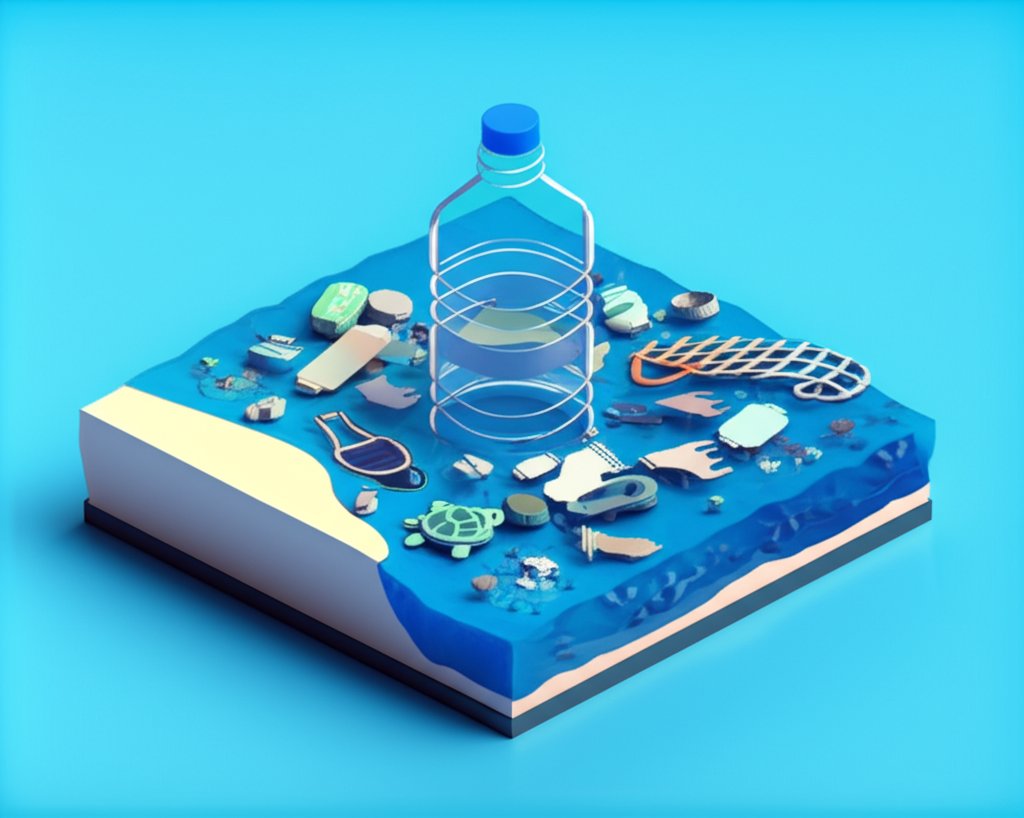
Beneath the veneer of convenience and ubiquity, plastic bottles hide a shocking truth that demands our immediate attention. We live in an era where the sheer volume of plastic waste threatens to overwhelm our planet, from the highest mountains to the deepest oceans. These seemingly innocuous containers, designed for single-use, are contributing to an environmental catastrophe of unprecedented scale.
The statistics are stark: less than half of plastic in many developed nations is recycled, and projections warn of a future where marine plastic could outweigh fish by 2050. The infamous “plastic islands” in our oceans serve as grim monuments to our consumption habits. This article will expose the full environmental impact of plastic bottles, dissect the failures of plastic recycling, and illuminate a path forward through crucial sustainable alternatives. Join us as we uncover the unsettling facts and champion solutions for an eco-friendly future.
The Alarming Reality of Plastic Bottles: A Global Overview
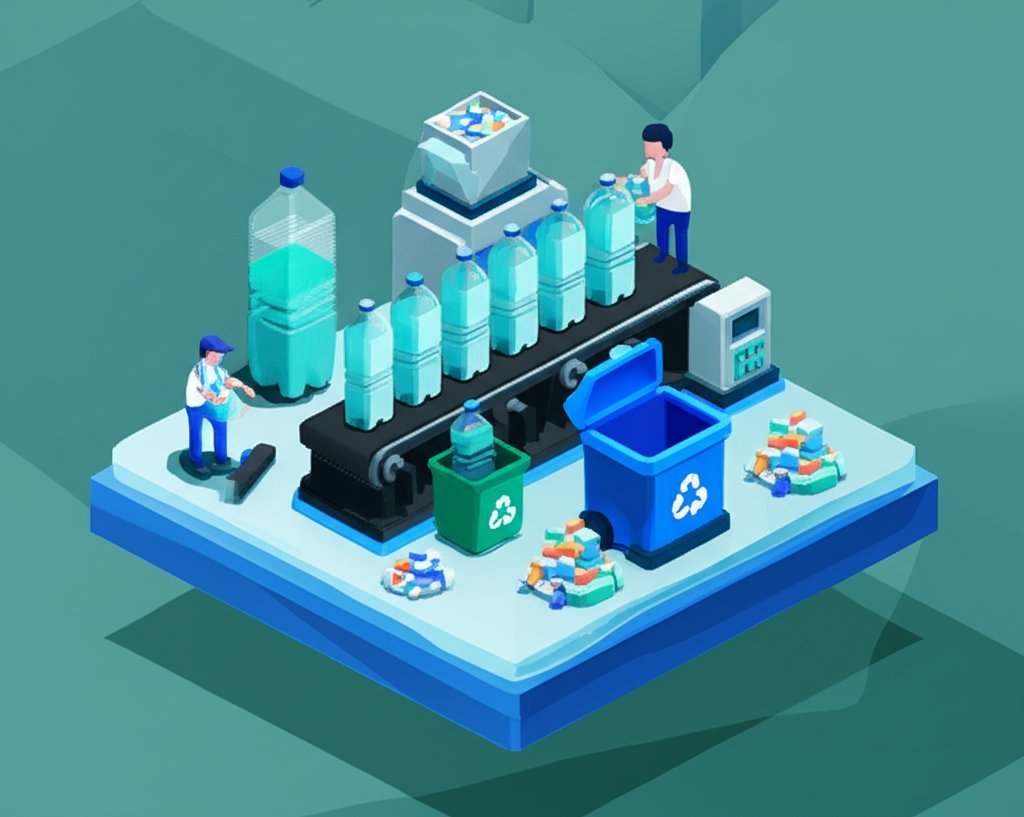
Plastic bottles have become an indispensable part of modern life, but their convenience masks a rapidly escalating global crisis. Understanding the sheer scale of their production and consumption is the first step towards comprehending their environmental impact.
From Convenience to Crisis: The Scale of Consumption
The demand for plastic bottles is staggering and relentless. Globally, approximately one million plastic bottles are purchased every minute, a rate that was projected to increase by 21% by 2021 and shows no signs of slowing down. This equates to billions upon billions of bottles annually circulating through our economy, often for a mere few minutes of use before being discarded. This single-use mentality lies at the heart of our burgeoning plastic waste problem.
Considering the vast quantities of plastic bottles we use, properly managing and sorting waste, as detailed in guides about how recyclables should be stored, is crucial to minimizing environmental damage.
The Hidden Costs: Beyond the Sticker Price
The cost of a bottled water product extends far beyond the price tag. A surprising 90% of the cost of bottled water is attributed to the bottle itself, not the water inside. This highlights the immense resources poured into manufacturing these containers. For instance, the production of billions of plastic bottles each year requires an estimated 24 million liters of oil, a finite fossil fuel that contributes significantly to carbon emissions and climate change when extracted and processed. This massive energy expenditure, coupled with the reliance on non-renewable resources, makes the true environmental price of plastic bottles astronomically high.
The Devastating Environmental Impact of Plastic Bottles
The consequences of our reliance on plastic bottles are far-reaching, affecting every corner of our planet and posing a grave threat to ecosystems and human health. The environmental impact is undeniable and long-lasting.
Centuries to Decompose: A Lingering Legacy
One of the most shocking truths about plastic bottles is their incredible longevity in the environment. On average, a single plastic bottle can take anywhere from 400 to 450 years to fully decompose. This means that every bottle ever produced and not properly disposed of or recycled still exists in some form on our planet. They break down into smaller and smaller pieces, but never truly disappear, becoming a permanent fixture in our landscapes and oceans for multiple human generations.
Ocean of Trouble: Marine Pollution and Wildlife Threat
Our oceans bear the brunt of plastic waste, and plastic bottles are major culprits. A staggering one-third of all plastic litter found in the sea consists of plastic bottles. This contributes to the over 5 trillion pieces of plastic estimated to be floating in our oceans. The most infamous example is the Great Pacific Garbage Patch, a colossal accumulation of marine debris, now estimated to be three times the size of France. Within this swirling vortex, studies have shown that plastic items, including bottles, outnumber food sources by 180 times at the surface, highlighting the dire situation. Marine wildlife, from tiny zooplankton to majestic whales, mistake these plastic fragments for food, leading to internal injuries, starvation, and entanglement. These plastics also fragment into microplastics, entering the food chain and eventually making their way onto our dinner plates.
Landfill Overload and Ecosystem Harm
Beyond the oceans, plastic bottles contribute significantly to the overwhelming volume of material in landfills. In the United States alone, approximately 38 million plastic bottles end up in landfills each year. These massive dumps leach harmful chemicals into the soil and groundwater, contaminating vital resources. The journey of plastic waste doesn’t always end in a landfill; it often begins as litter on streets, sidewalks, and natural landscapes. From there, improper disposal, urban and stormwater runoff, and industrial activities carry these plastics into rivers and eventually the sea, completing a devastating cycle of pollution. This mismanaged waste disrupts terrestrial ecosystems, chokes waterways, and diminishes the aesthetic and ecological value of natural spaces.
Unpacking the Challenges of Plastic Recycling
Despite widespread awareness campaigns and growing efforts, plastic recycling faces formidable challenges that prevent it from being a comprehensive solution to the plastic waste crisis. The process is complex, often inefficient, and struggles with significant systemic hurdles.
The Myth of Closed-Loop: Low Recycling Rates
The pervasive belief that all plastic bottles are endlessly recycled is a myth. The sad reality is that only about 20% of plastic bottles ever get recycled globally, meaning a massive 80% are destined for landfills, incineration, or the environment. This low rate is due to several factors:
- Diverse Plastic Types: There are numerous types of plastic resins (PET #1, HDPE #2, PVC #3, etc.), and each requires different processing. Mixing them can contaminate batches, making recycling difficult or impossible.
- Contamination: Food residue, labels, and caps can contaminate plastic streams, reducing the quality and value of recycled material.
- Economic Viability: Collecting, sorting, cleaning, and processing plastics can be expensive, and sometimes creating new plastic from virgin materials is cheaper than recycling.
- Infrastructure Gaps: Many regions lack the necessary infrastructure for effective collection and processing of all recyclable plastics.
Beyond Mechanical Recycling: A Need for Innovation
Traditional mechanical plastic recycling involves melting and reforming plastics. While effective for some types, it can degrade plastic quality over time, limiting the number of times an item can be recycled. This highlights the need for advanced recycling solutions. Innovations like chemical recycling, which breaks plastics down into their chemical components to create new plastics or fuels, hold promise. However, these technologies are still developing and require significant investment and R&D to become widely scalable and truly sustainable. Incentivizing dismantlers and consumers to sort plastics diligently at the source is also crucial for improving the quality of collected materials.
The “Recycle, Right?” Dilemma: Export and Traceability
Historically, developed nations have exported vast quantities of plastic waste to developing countries, often leading to poor processing and environmental leakage. This “out of sight, out of mind” approach obscured the true scale of the problem and undermined the integrity of plastic recycling efforts. The movement towards greater traceability and domestic processing is essential, but it also underscores the immense challenge of managing the sheer volume of plastic waste we generate. It’s clear that recycling, while important, cannot solve the plastic crisis alone.
Health Implications of Plastic Bottle Use
Beyond the visible environmental impact, the widespread use of plastic bottles also raises significant concerns about human health. The materials used in their production are not inert and can interact with their contents over time.
Leaching Chemicals: BPA and Beyond
Many plastic bottles, particularly older ones or those exposed to heat, can leach harmful chemicals into the liquids they contain. One well-known example is Bisphenol A (BPA), an industrial chemical used to make certain plastics and resins. BPA has been linked to various health issues, including hormone disruption, reproductive problems, and an increased risk of certain diseases. While many manufacturers have moved to “BPA-free” plastics, concerns remain about replacement chemicals like BPS and BPF, which may have similar endocrine-disrupting properties. Furthermore, microplastic particles themselves can be ingested, and the long-term health effects of this widespread exposure are still being investigated.
Embracing Sustainable Alternatives to Plastic Bottles
The urgent need to combat plastic waste and its environmental impact necessitates a paradigm shift towards sustainable alternatives. This involves not just replacing plastic, but rethinking our consumption patterns entirely.
The Power of Reduce and Reuse: First Line of Defense
The most effective strategy is always to reduce consumption and reuse items. For plastic bottles, this means:
- Reusable Water Bottles: Investing in a durable, high-quality reusable water bottle made from materials like stainless steel, glass, or even food-grade silicone is perhaps the simplest and most impactful change an individual can make.
- Water Filters: Instead of buying bottled water, use tap water filtered at home. This is often more cost-effective and drastically reduces reliance on single-use plastics.
- Refill Stations: Support businesses and public initiatives that offer water refill stations.
- Reusable Coffee Cups & Containers: Extend the “reuse” principle to other single-use items like coffee cups and food containers.
Innovative Packaging Solutions
Beyond individual actions, industries are exploring novel sustainable alternatives for packaging:
- Paper-Based Bottles: Companies are developing bottles made from recycled paperboard with thin plastic or plant-based linings, drastically reducing the plastic content.
- Aluminum Bottles and Cans: Aluminum is infinitely recyclable and has a high recycling rate, making it a more circular material choice for beverages.
- Bioplastics (with caveats): While some bioplastics derived from plant materials are compostable, others require specific industrial composting facilities that are not widely available. It’s crucial to understand the disposal requirements of bioplastics to ensure they truly offer an environmental benefit.
- Concentrates and Refill Models: Moving towards concentrated products (e.g., cleaning supplies, shampoo) sold with refillable dispensers significantly reduces packaging volume.
Systemic Changes and Policy Advocacy
Addressing the plastic bottle crisis requires more than individual effort; it demands systemic change.
- Deposit Return Schemes (DRS): Implementing or expanding DRS (where a small refundable deposit is paid on beverage containers) dramatically increases collection and recycling rates.
- Bans on Single-Use Plastics: Governments worldwide are implementing bans on specific single-use plastic items, including bottles in certain contexts.
- Extended Producer Responsibility (EPR): Policies that hold producers responsible for the entire lifecycle of their products, including collection and recycling, incentivize more sustainable design and packaging.
- Circular Economy Principles: Shifting from a linear “take-make-dispose” economy to a circular one, where resources are kept in use for as long as possible, is crucial for long-term sustainability.
Your Role in a Plastic-Free Future
Tackling the plastic bottle problem and its extensive environmental impact might seem overwhelming, but every individual action contributes to the larger solution. Your choices have power.
Actionable Steps for Individuals
Making conscious decisions in your daily life can collectively drive significant change:
- Embrace Reusables: Always carry a reusable water bottle, coffee cup, and shopping bag. Make them part of your everyday carry.
- Choose Tap Water: Filtered tap water is almost always a more environmentally sound and economical choice than bottled water.
- Support Plastic-Free Businesses: Opt for brands that prioritize sustainable packaging, offer refill options, or actively work to reduce their plastic footprint.
- Recycle Right: Understand your local plastic recycling guidelines. Clean and sort your recyclables properly to prevent contamination.
- Reduce Food Waste: Plastic packaging is often used to extend shelf life. Reducing overall food waste can indirectly lessen the demand for some plastic packaging.
- Educate and Advocate: Share your knowledge with friends and family. Support campaigns for better recycling infrastructure, deposit return schemes, and bans on unnecessary single-use plastics.
Collective Impact: Beyond Individual Choices
While individual actions are vital, the biggest shifts come from collective demand and policy changes. By supporting organizations working on plastic pollution, participating in community cleanups, and advocating for stronger environmental regulations, you contribute to a movement that pushes for systemic transformation. The transition to truly sustainable alternatives for plastic bottles and other single-use plastics requires innovation, investment, and a collective will for a healthier planet.
Conclusion
The shocking truth about plastic bottles reveals a global crisis driven by convenience and unsustainable practices. From requiring centuries to decompose to polluting our most pristine oceans and potentially impacting our health, the environmental impact of plastic waste is undeniable. The challenges of plastic recycling mean that a significant majority of these bottles persist in our environment, a testament to a system that needs urgent reform.
Yet, the future is not without hope. By understanding the problem and embracing sustainable alternatives—prioritizing reduction and reuse, supporting innovative packaging, and advocating for systemic change—we can collectively steer towards a more sustainable future. The power to fix this lies in our hands, demanding conscious choices today for a cleaner, healthier tomorrow.
FAQ
Q1: How long do plastic bottles take to decompose?
A1: On average, a single plastic bottle can take anywhere from 400 to 450 years to fully decompose, meaning they persist in the environment for many generations.
Q2: What is the main environmental impact of plastic bottles?
A2: The main environmental impact of plastic bottles includes extensive pollution of oceans and landfills, harm to marine and terrestrial wildlife, significant resource consumption (especially oil) for production, and the release of microplastics into ecosystems and the food chain.
Q3: Why is plastic recycling so difficult and ineffective?
A3: Plastic recycling is challenging due to the diversity of plastic types, contamination from food and other materials, the high cost of processing compared to virgin plastic production, and inadequate recycling infrastructure in many regions. As a result, only about 20% of plastic bottles are effectively recycled globally.
Q4: What are some sustainable alternatives to plastic bottles?
A4: Sustainable alternatives to plastic bottles include reusable water bottles (made from stainless steel or glass), tap water filtered at home, aluminum bottles/cans, paper-based bottles, and refill systems for various products. Reducing overall consumption through concentrated products is also a key alternative.
Q5: How much plastic waste ends up in our oceans?
A5: It’s estimated that over 5 trillion pieces of plastic are floating in our oceans, with plastic bottles making up a significant portion—about one-third of all marine plastic litter. This forms massive accumulations like the Great Pacific Garbage Patch.
Q6: Are plastic bottles bad for my health?
A6: Yes, plastic bottles can pose health risks. Some plastics, especially when exposed to heat, can leach harmful chemicals like BPA (Bisphenol A) and its alternatives (BPS, BPF) into the liquid contents. These chemicals have been linked to hormone disruption and other potential health issues.










