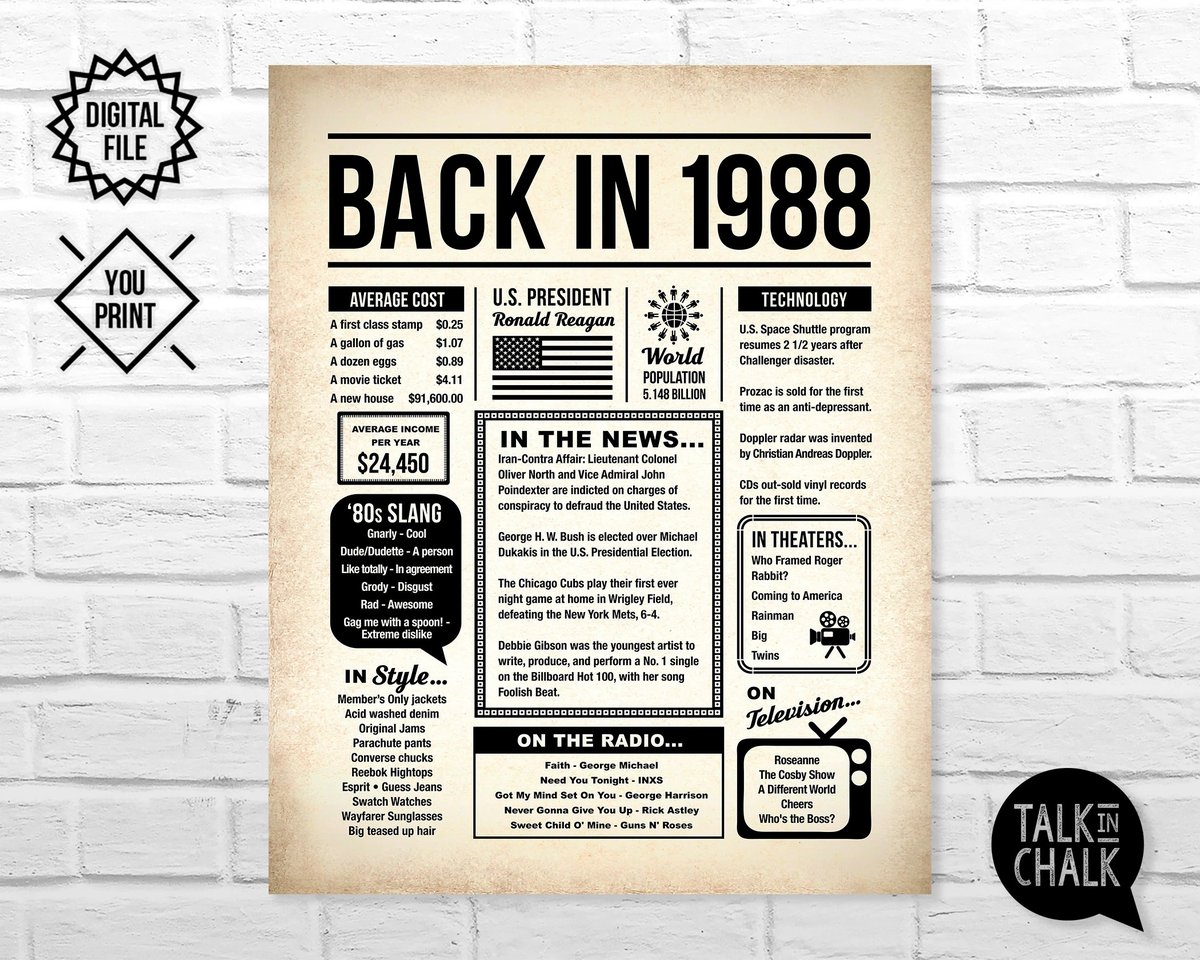
The year 1988 wasn’t just a backdrop for classic movies and groundbreaking music; it was a year where the geopolitical plates of the world truly began to shift, profoundly impacting both international relations and the landscape of US politics. If you’re looking back at what was going on in 1988, you’ll find a period characterized by the unraveling threads of the Cold War and intense domestic political maneuvering, setting the stage for the decade to come.
This wasn’t a quiet year by any stretch. From historic arms treaties to major environmental incidents and a contentious presidential election lead-up, the events of 1988 had a tangible, lasting impact far beyond their immediate headlines. Understanding these political currents helps explain the mood and direction of popular culture at the time. For a broader look at how these influences manifested in media, you can always Dive into 1988’s pop culture.
At a Glance: Global Shifts & US Politics in 1988
- Cold War Thaw Accelerated: The INF Treaty kicked off a year of reduced nuclear tensions and unprecedented US-Soviet cooperation.
- US Political Turbulence: The Iran-Contra affair continued to cast a long shadow, fueling a contentious pre-election environment and leading to a significant clash on national television.
- Shifting Economic Alliances: The signing of the Canada-US Free Trade Agreement signaled a new era of North American economic integration.
- Global Flashpoints Persisted: Conflicts in the Middle East, Southeast Asia, and Africa highlighted the ongoing fragility of international peace despite superpower detente.
- Environmental Concerns Grew: Major oil spills brought ecological accountability into sharper focus, leading to regulatory discussions.
- Social Rights in Focus: Debates around censorship, abortion, and anti-apartheid activism gained significant traction globally and domestically.
The Cold War’s Waning Echoes: A Year of New Overtures
The defining global event for many entering 1988 was the Intermediate-Range Nuclear Forces (INF) Treaty, which officially took effect on January 1. This landmark agreement, signed by the United States and the Soviet Union, marked a significant step toward arms control by eliminating an entire class of nuclear weapons. It wasn’t just a piece of paper; it symbolized a tangible shift in the frosty relations that had defined global politics for decades.
This burgeoning cooperation wasn’t confined to a single treaty. Soviet leader Mikhail Gorbachev and U.S. President Ronald Reagan exchanged New Year’s greetings, expressing genuine hope for further arms control within six months. This sentiment culminated in Reagan’s announced visit to the Soviet Union for a summit with Gorbachev from May 29 to June 2, demonstrating a level of high-level diplomatic engagement previously unthinkable. The world watched as former adversaries began a genuine dialogue, paving the way for the dramatic changes of the subsequent years.
Beyond the superpowers, signs of a new global order emerged. On April 14, the USSR, United States, Pakistan, and Afghanistan signed the Afghanistan Treaty, setting the stage for Soviet withdrawal from the protracted conflict. This move, while complex and fraught with regional implications, was another testament to the shifting geopolitical sands, where even long-entrenched Cold War proxies began to find resolutions, however difficult.
The US Political Arena: Debates, Decisions, and Divisions
Domestically, 1988 was a year of intense political activity, heavily influenced by the lingering shadow of the Iran-Contra affair and the looming presidential election. The political climate was charged, with trust in government still under scrutiny from the scandal. Vice President George H. W. Bush, a leading contender for the Republican nomination, faced direct questioning on the affair, notably in a tense “CBS Evening News” clash with anchor Dan Rather on January 25. This moment underscored the high stakes and the media’s increasing role in political accountability.
The Supreme Court also played a critical role in shaping the nation’s legal and social landscape. Following a tumultuous confirmation process for previous nominees, Judge Anthony Kennedy’s nomination to the U.S. Supreme Court sailed through the Senate Judiciary Committee unanimously on January 27, and he was confirmed by a decisive 97-0 vote on February 3. His appointment brought stability to the court at a time of significant legal and social debate.
Beyond the judicial, Congress demonstrated its power by overriding President Ronald Reagan’s veto of a civil rights bill on March 22. This act showcased a legislative branch asserting its will, particularly on issues of social justice, even against a popular president. It was a clear signal that the push for broader civil rights protections remained a potent force in American politics, reflecting an ongoing societal commitment.
Navigating Economic Waters: The Canada-US Free Trade Agreement
In a significant move that would redefine North American economics, Prime Minister Brian Mulroney and Ronald Reagan signed the Canada-US Free Trade Agreement on January 2. This agreement, a precursor to NAFTA, aimed to eliminate tariffs and reduce trade barriers between the two nations, sparking both optimism for economic growth and concerns about national sovereignty and job displacement. It marked a bold step towards a more integrated continental economy, setting a precedent for future global trade pacts.
Global Hotspots and Emerging World Order
While superpower relations thawed, numerous regional conflicts and political instabilities continued to demand international attention.
Israeli-Palestinian Tensions Escalate
The Israeli-Palestinian conflict remained a critical flashpoint. January witnessed a surge in violence and Israeli enforcement actions, including orders to deport 9 Palestinian “instigators” from West Beirut on January 3. Later, on January 15, violent clashes erupted at the Dome of the Rock in Jerusalem, with Israeli police firing tear gas and injuring at least 70 Palestinians. U.S. Secretary of State George P. Shultz arrived in Israel on April 3, explicitly stating that Palestinians must be included in peace negotiations, indicating a growing international recognition of the need for a comprehensive resolution.
Panama Under Pressure
The U.S. demonstrated its willingness to exert economic pressure to influence political outcomes. On February 4, Panamanian General Manuel Noriega was indicted by a U.S. federal grand jury for drug trafficking and racketeering. This indictment was followed by the imposition of economic sanctions on Panama by the United States on April 9, intensifying a standoff that would eventually lead to military intervention. It was an early demonstration of a post-Cold War foreign policy increasingly focused on drug enforcement and democratic transitions in the Western Hemisphere.
Horrors of Chemical Warfare and Human Rights
The stark reality of human rights abuses and brutal conflict emerged vividly in 1988. On March 16, the largest chemical weapons attack in history occurred when Iraqi forces targeted the Kurdish town of Halabja, killing an estimated 5,000 civilians. This horrific event shocked the world, underscoring the extreme barbarity of the Iraq-Iran War and the urgent need for international norms against such weapons.
In South Africa, the fight against apartheid continued to draw international condemnation. On February 29, Nobel laureate Desmond Tutu was arrested for protesting anti-apartheid groups. These arrests highlighted the brutal enforcement of apartheid laws and kept international pressure on the South African regime, contributing to the eventual dismantling of the system.
Environmental Reckonings and Social Shifts
Beyond the grand geopolitical stage, 1988 also brought a heightened awareness of environmental fragility and ongoing battles for social justice.
Major Environmental Disasters
The year saw several significant environmental incidents that captured public attention and sparked debates over industrial safety and ecological responsibility. On January 2, an Ashland Oil storage tank in Floreffe, Pennsylvania, collapsed, spilling approximately 750,000 gallons of diesel into the Monongahela River. This catastrophic spill contaminated drinking water for an estimated one million people, vividly illustrating the immediate and widespread impact of industrial accidents on communities. Later, on January 31, a barge sank near Anacortes, Washington, spilling 70,000 gallons of oil, further underlining the persistent threat of pollution from transportation and industry. These events helped galvanize early environmental protection movements and spurred discussions about regulations.
Public Health and Social Freedoms
On April 23, a federal smoking ban was introduced on U.S. domestic airline flights of 2 hours or less, a significant step in the evolving public health debate around smoking and secondhand smoke. This policy shift reflected a growing public and governmental willingness to restrict personal behaviors for collective health, marking a pivotal moment in the fight for smoke-free environments.
Meanwhile, in Canada, a landmark decision on January 28 saw the country’s Supreme Court declare its anti-abortion law unconstitutional. This ruling effectively decriminalized abortion across Canada, marking a major victory for reproductive rights advocates and placing Canada in a different legal context than its southern neighbor regarding this contentious issue. These moments illustrate what was going on in 1988 wasn’t just about global powers, but also about the ongoing redefinition of individual liberties and public welfare within nations.
Lessons from 1988: A Playbook for Understanding Change
Looking back, the political and global shifts of 1988 offer a compelling framework for understanding how significant transitions unfold.
- The Power of Diplomacy: The INF Treaty and the Reagan-Gorbachev summits demonstrated that sustained, high-level diplomatic engagement can de-escalate even the most entrenched conflicts. It wasn’t about a single meeting but a commitment to ongoing dialogue.
- Economic Integration’s Dual Edge: The Canada-US Free Trade Agreement illustrated the growing appetite for economic globalization, but also sparked debates about its costs and benefits. Future leaders would need to balance economic opportunity with protecting domestic interests.
- The Unpredictability of Flashpoints: Despite Cold War detente, regional conflicts like those in Israel-Palestine or the use of chemical weapons in Halabja underscored that global stability is a mosaic, not a monolith. Ignoring regional crises often has wider repercussions.
- Activism’s Enduring Impact: The protests against apartheid, the push for civil rights, and growing environmental awareness in 1988 showed that grassroots movements and public outcry could genuinely influence government policy and international opinion.
- Accountability in the Information Age: The Bush-Rather exchange, following the Iran-Contra affair, hinted at an increasingly scrutinizing media landscape, where public figures faced intensified pressure for transparency. This trend would only accelerate with technological advancements.
Quick Answers: Demystifying 1988’s Political Landscape
Q: Was 1988 truly the end of the Cold War?
A: Not the end, but a crucial turning point. The INF Treaty and increased US-Soviet engagement significantly thawed relations and reduced immediate nuclear threats, setting the stage for the dramatic events of 1989-1991. It marked a shift from outright confrontation to more measured diplomacy.
Q: How did the Iran-Contra affair impact US politics in 1988?
A: It cast a long shadow over the Reagan administration’s final year and the upcoming presidential election. Vice President George H.W. Bush, a leading candidate, faced intense scrutiny over his knowledge and role, forcing him to address public trust issues and contributing to a highly charged political atmosphere.
Q: What was the significance of the Canada-US Free Trade Agreement?
A: It was a groundbreaking bilateral agreement that aimed to eliminate tariffs and trade barriers between the two largest trading partners. It served as a blueprint for future regional trade pacts, demonstrating a commitment to economic integration that would significantly shape North American commerce and ultimately lead to NAFTA.
Q: Were environmental issues a major concern for the average person in 1988?
A: They were growing concerns, especially with visible events like the Ashland Oil spill. While perhaps not at the forefront of daily conversation for everyone, these incidents and actions like the airline smoking ban brought environmental protection and public health firmly into the political discourse and public consciousness, setting a foundation for stronger movements in the 1990s.
The Enduring Ripples of a Pivotal Year
The political currents of 1988 weren’t isolated events; they were interconnected threads weaving a new tapestry for the world. The détente between the superpowers offered a glimmer of hope for a more peaceful global future, while regional conflicts and domestic struggles for justice reminded everyone of the persistent challenges. Understanding what was going on in 1988 politically and globally reveals a world grappling with transformation—a world shedding old skins while contending with new complexities. The decisions made, the treaties signed, and the social movements that gained traction during this pivotal year continue to shape our geopolitical landscape, economic policies, and social values even today.










