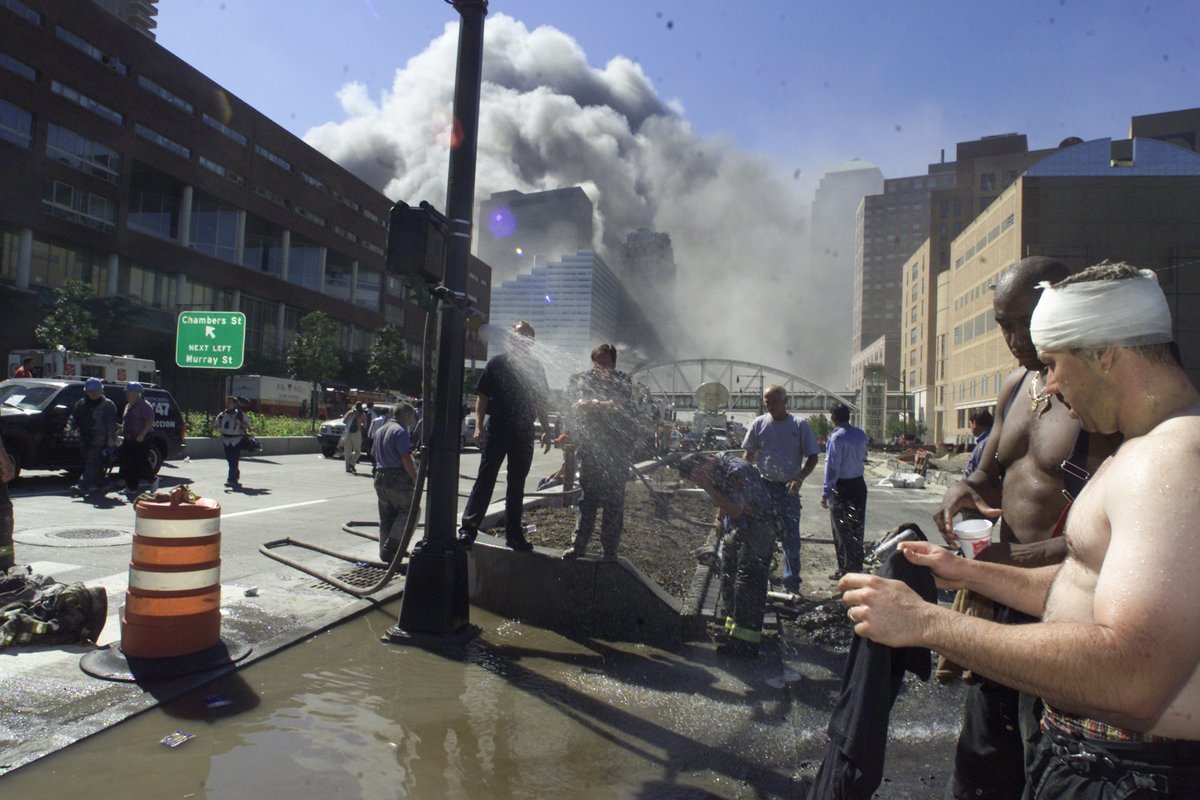
The images of people falling from the Twin Towers on September 11, 2001, etched a profound and agonizing chapter into history, forcing us to confront the unimaginable. These weren’t choices made lightly, but desperate acts born from an inferno, a stark testament to the impossible conditions inside the burning skyscrapers. Understanding this chilling reality requires looking beyond the spectacle and into the human cost, the physics of the collapse, and the ethical considerations that continue to resonate two decades later.
At a Glance: Understanding the Unfathomable Decisions
- Forced Choices: Victims were not making a choice to die by falling, but rather a choice on how to meet an inevitable death, often preferring the fall to being consumed by fire or smoke.
- Extreme Conditions: Temperatures inside the impact zones exceeded 2,000°F (1,090°C), coupled with suffocating smoke and severed escape routes.
- “The Falling Man”: Richard Drew’s iconic photograph captures one such moment, sparking initial controversy but evolving into a powerful symbol of the tragedy.
- Homicide, Not Suicide: The New York City medical examiner’s office classified these deaths as homicides, acknowledging victims were forced out by the terrorists’ actions.
- Unconfirmed Identities: While some individuals have been strongly identified, many of those who fell remain officially unnamed, adding to the somber anonymity.
The Inferno Above: When Escape Becomes an Impossible Calculation
When American Airlines Flight 11 struck the North Tower at 8:46 AM and United Airlines Flight 175 hit the South Tower at 9:03 AM, the impacts were catastrophic. For those trapped above the crash zones, the immediate aftermath created a hellish environment, sealing their fate long before the towers fell. Over 1,300 people in the North Tower, above the 91st floor, and more than 600 in the South Tower, above the 76th floor, suddenly found themselves in a crucible of smoke, fire, and rapidly rising temperatures.
The planes, fully loaded with jet fuel, created raging fires that consumed offices, furniture, and structural components. Temperatures soared past 2,000°F, melting aluminum, twisting steel, and making breathing impossible. Smoke, thick with toxins, quickly filled stairwells and common areas, cutting off any hope of descent for those still alive above the impact. Windows became the only source of fresh air, albeit a fleeting one. Faced with excruciating pain from burns or asphyxiation, the choice to jump from the building’s upper floors wasn’t an act of suicide, but a desperate, final attempt to escape an agonizing certainty.
“The Falling Man”: A Photograph That Stirred a Nation’s Conscience
One of the most enduring and controversial images from 9/11 is Associated Press photographer Richard Drew’s “The Falling Man.” Taken at 9:41:15 A.M. on September 11, 2001, from a low angle at the corner of West and Vesey Street, the photograph depicts an unidentified man suspended in mid-air, plummeting headfirst from the North Tower. Drew, initially on assignment for a fashion show, quickly shifted his focus to the unfolding disaster, capturing between ten and twelve different sequences of people jumping before the South Tower’s collapse forced him to evacuate.
The photograph, while implying a straight, serene fall, was part of an eight-photo sequence that revealed the man tumbling end over end. Its initial publication on September 12, 2001, in The New York Times, was met with immediate public backlash. Readers found it disturbing, leading to its limited re-publication. Yet, over time, “The Falling Man” has gained critical acclaim, becoming a profound symbol of the tragedy. British singer Elton John acquired a print, calling it “the most beautiful image of something so tragic,” and a 2016 Time magazine retrospective highlighted its power not in the subject’s identity, but in his symbolic transformation into the collective suffering of that day. Drew himself views it as one of the few photographs that truly shows someone dying on 9/11, hoping it represents all who met that dreadful fate.
The Human Toll: Grim Statistics and a Legal Distinction
Estimates suggest that around 200 people fell from the upper levels of the burning skyscrapers that morning. The vast majority were from the North Tower, where the fires burned hotter and longer due to its earlier impact. While some falls may have been accidental—people losing their footing amidst collapsing debris, being blown out by internal explosions, or slipping from window ledges—most were deliberate jumps. These were not acts of self-harm in the traditional sense, but desperate, rational decisions made under unthinkable duress to escape an imminent, agonizing death.
Crucially, the New York City medical examiner’s office classified these deaths as homicide, not suicide. This classification reflects the understanding that these individuals were forced from the buildings by the conditions created by the terrorist attacks. Their deaths were a direct consequence of the violence inflicted upon them, robbing them of any other choice. The extreme forces involved also meant that for many who fell, their remains were often unrecoverable, leaving families without even that small measure of closure. This further complicated identification efforts and underscored the complete devastation wrought upon the victims.
The Search for Identity: Honoring the Unnamed
The identity of “The Falling Man” has never been officially confirmed. The image’s anonymity has fueled public fascination and debate for years, creating a poignant mystery at the heart of the 9/11 narrative. Early speculation, notably by Canadian journalist Peter Cheney, suggested the man might be Norberto Hernandez, a pastry chef at Windows on the World restaurant (located on the 106th floor of the North Tower). However, his family swiftly denied this, citing differences in clothing and religious views.
American journalist Tom Junod, in his seminal 2003 Esquire article “The Falling Man,” meticulously reviewed the entire photo sequence and further debunked the Hernandez theory. Junod’s investigation proposed Jonathan Briley, a 43-year-old sound engineer at Windows on the World, as the most likely candidate. Briley’s brother, Timothy, along with restaurant executive chef Michael Lomonaco and sister Gwendolyn, identified him based on his body type, the distinctive orange t-shirt visible under his blown-open jacket, and his chronic asthma, which would have made the smoke-filled environment particularly unbearable. While not officially confirmed, Briley’s remains were among those recovered after 9/11, giving some small measure of certainty to his family. This ongoing quest for identity highlights the profound human need to name and remember each life lost, even amidst the colossal scale of the tragedy.
To truly grasp the depth of desperation and the agonizing decisions faced by those trapped in the inferno, it’s essential to understand the broader context of the 9/11 attacks. The systematic violence and the sheer scale of the terror created circumstances that pushed human beings to the very edge of endurance. Explore this unfathomable act. This deeper dive helps underscore that the acts of falling were not choices of sanity, but of ultimate, terrifying sacrifice.
Beyond the Plunge: Understanding the Factors Driving the Falls
The act of falling from the Twin Towers was not a single, monolithic phenomenon. It encompassed a range of desperate actions driven by overlapping, inescapable factors:
- Imminent Death by Fire: For many, the choice was between the quick, though brutal, end of a fall and a slow, agonizing death by being burned alive. The fires were intense, consuming oxygen and generating overwhelming heat.
- Suffocation by Smoke: Thick, toxic smoke filled the upper floors almost immediately. Lack of oxygen, combined with deadly fumes, would have quickly rendered people unconscious or dead, often before the fire itself reached them. The open windows offered a momentary reprieve from this, but also presented the terrifying precipice.
- Collapse of Structure/Integrity: While less common than deliberate jumps, some individuals may have fallen due to the structural compromise of the towers. Floors buckled, walls gave way, and debris rained down, creating unstable environments where a misstep could prove fatal.
- Desperation and Panic: In situations of extreme terror and certain doom, human beings can react in ways that defy normal understanding. While not a “panic jump” in the sense of irrationality, the sheer terror undoubtedly contributed to the final, desperate decisions.
These factors converged to create an environment where the act of falling, as horrifying as it was, became the only perceived “escape” from an otherwise inescapable and agonizing end.
Quick Answers: Addressing Common Questions and Misconceptions
It’s natural to have many questions about such a horrific event. Here are some answers to common inquiries and clarifications of misconceptions surrounding people falling from the Twin Towers:
Q: Were all the people seen falling from the towers “jumpers”?
A: Not necessarily all. While the majority are understood to have deliberately chosen to jump to escape the inferno, a smaller percentage might have fallen accidentally due to debris, explosions, or losing their grip in the chaos. However, even these accidental falls were ultimately caused by the conditions created by the attacks.
Q: Why did the medical examiner classify these deaths as homicide and not suicide?
A: The classification as homicide is critical. It recognizes that the victims were directly forced to make these desperate choices by the actions of the terrorists. They were not choosing to end their lives under normal circumstances but were compelled by a deadly environment created by an act of violence. Their deaths were a direct consequence of the attack.
Q: Was “The Falling Man” ever definitively identified?
A: Officially, the identity of “The Falling Man” has never been confirmed. However, substantial journalistic investigation, notably by Tom Junod for Esquire, has strongly suggested Jonathan Briley, a sound engineer at Windows on the World, as the most likely individual, based on clothing and physical characteristics identified by his family.
Q: Approximately how many people fell from the Twin Towers on 9/11?
A: Estimates suggest around 200 people fell from the Twin Towers that day. Most of these were from the North Tower, which was hit first and experienced more prolonged, intense fires.
Q: Did people jump from both the North and South Towers?
A: Yes, people fell from both towers, but the overwhelming majority were observed falling from the North Tower. The North Tower was struck earlier and burned longer, exposing those trapped above its impact zone to unbearable conditions for a longer period.
Enduring Reflections: Remembering the Human Cost
The sight of people falling from the Twin Towers remains one of the most agonizing and unforgettable aspects of September 11, 2001. It forces us to confront the extreme limits of human endurance and the depths of despair when faced with an inescapable fate. These individuals, for the most part, were not making a “choice” in any conventional sense, but were reacting to an unimaginable horror, seeking a swift end rather than prolonged agony.
Their stories, though often anonymous, remind us of the immense human cost of terrorism and the profound suffering inflicted upon ordinary people. The photograph of “The Falling Man” and the accounts of the approximately 200 souls who met their end in this manner serve as a stark, enduring memorial to the innocent lives lost. They compel us to remember not just the destruction of buildings, but the individual tragedies, the impossible decisions, and the enduring human spirit that, even in its final moments, sought an escape from an utterly unbearable reality.










