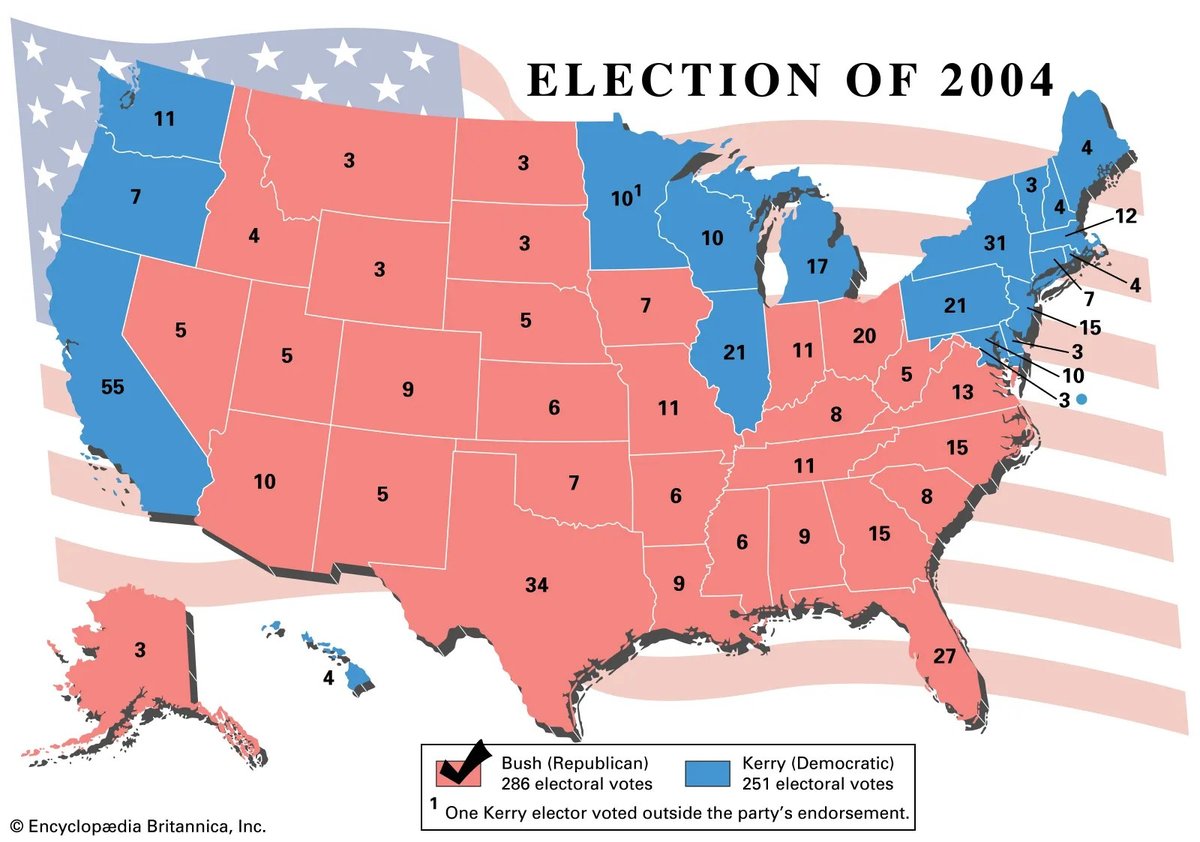
The year 2004 in the United States was a crucible where digital revolutions met deep societal rifts and the lasting tremors of a global conflict. From the birth of a social media behemoth to profound questions about national security, civil liberties, and moral integrity, the sheer density of pivotal moments defined the American experience. This wasn’t just another year; it was a period where the seeds of future debates were sown, and the nation grappled with its identity on multiple fronts, both at home and on the world stage.
At a Glance: 2004’s Defining Moments in the US
- Social & Cultural Upheaval: The year saw groundbreaking strides in LGBTQ+ rights with same-sex marriages beginning in Massachusetts and San Francisco, juxtaposed against a widespread Catholic abuse scandal and the controversial Super Bowl halftime show.
- The Dawn of a Digital Era: Facebook launched from a Harvard dorm, Google unveiled Gmail, and NASA’s Mars rovers captured public imagination, signaling a new age of connectivity and exploration.
- Wartime Scrutiny & Accountability: The Abu Ghraib scandal shocked the world, forcing a national reckoning over the conduct of the Iraq War, while the 9/11 Commission investigated past failures.
- Political & Economic Shifts: Debates over national security and WMDs dominated the political landscape, while major economic shifts like the end of Oldsmobile production and an NHL lockout marked evolving industries.
- Resilience & Commemoration: The dedication of the National World War II Memorial and the laying of the Freedom Tower’s cornerstone spoke to a nation remembering its past and rebuilding for the future.
The War on Terror’s Unsettling Echoes: Abu Ghraib, 9/11, and Iraq
In 2004, the shadow of the War on Terror continued to shape the American psyche, but with a new, unsettling dimension: self-scrutiny. The public’s perception of the conflict in Iraq, initiated just a year prior, was profoundly altered by a series of revelations that challenged the nation’s values and integrity.
The most jarring of these was the Abu Ghraib prison scandal. In April, U.S. media released graphic photos depicting American soldiers abusing and sexually humiliating Iraqi prisoners. These images, raw and undeniable, sparked international outrage and a deep moral crisis within the United States. They didn’t just expose individual acts of cruelty; they ignited a furious debate about the broader implications for American military ethics, accountability, and the very perception of the nation abroad. The fallout led to investigations, courts-martial, and a reevaluation of detention policies, leaving an indelible stain on the conduct of the war.
Adding to the wartime scrutiny, former Treasury Secretary Paul O’Neill revealed in January that the Bush administration had plans to invade Iraq even before September 11, 2001. This statement fueled ongoing debates about the rationale for the war, especially as David Kay, former head of the Iraq Survey Group, reported to Congress later that month that no stockpiles of Weapons of Mass Destruction (WMDs) had been found. These findings directly contradicted a key justification for the invasion, leading to further erosion of public trust and intense political contention. President Bush, in his State of the Union address on January 29, reiterated a strong stance against a perceived “Axis of Evil,” including Iraq, Iran, and North Korea, yet the factual basis for the war remained contested.
Further shaping the national discourse was the 9/11 Commission’s investigation. In April, Vice President Dick Cheney and President George W. Bush testified before the commission in a closed, unrecorded hearing. This high-profile appearance underscored the ongoing effort to understand the intelligence failures that led to the 2001 attacks and to implement measures to prevent future tragedies. The commission’s work, culminating in its final report later that year, aimed to provide answers and forge a path forward in national security, yet the nature of the testimony itself raised questions about transparency.
By June, a significant milestone occurred with the formal handover of sovereign power to an interim government in Iraq by the Coalition Provisional Authority, effectively ending the U.S.-led occupation. This was intended to be a step towards Iraqi self-governance, but it marked a transition into a new phase of the conflict, characterized by persistent insurgency and the continued presence of American forces. The killing of four American private military contractors from Blackwater USA in Fallujah in March, and the subsequent gruesome public display of their bodies, served as a stark, violent precursor to the challenges that would define this new phase. These events underscored the grim realities faced by Americans, both in uniform and as contractors, caught in a complex and increasingly brutal conflict.
Social Seismic Shifts: Same-Sex Marriage, Scandals, and Super Bowl Shocks
While international conflict dominated headlines, the United States also experienced profound social and cultural upheavals, challenging long-held norms and sparking fervent debate. The year 2004 witnessed pivotal moments in the fight for LGBTQ+ rights, uncomfortable reckonings within institutions, and a cultural moment that redefined broadcast decency.
The most significant social shift concerned same-sex marriage. In February, San Francisco, under the directive of Mayor Gavin Newsom, began issuing marriage licenses to same-sex couples, igniting a national debate and a flurry of legal challenges. This bold move was followed in May by a historic milestone: the first legal same-sex marriages in the U.S. were performed in Massachusetts. This made Massachusetts the first state to fully legalize same-sex marriage, creating a legal and social precedent that would reverberate across the country for years to come. These events were not just legal battles; they were deeply personal and highly public demonstrations of evolving societal values, leading to widespread activism both for and against the recognition of same-sex unions. For a broader context on how 2004 served as a pivotal year globally and domestically, consider What happened in 2004?.
Simultaneously, a dark cloud hung over another venerable institution: the Catholic Church. February saw the release of the initial version of the John Jay Report, which meticulously detailed the Catholic sexual abuse scandal in the United States. This comprehensive document laid bare the systemic failures and widespread cover-ups within the Church regarding the abuse of minors by clergy. The report sent shockwaves through the Catholic community and the wider public, forcing a painful confrontation with institutional accountability and the lasting trauma inflicted on countless victims.
Culture wasn’t immune to controversy either. The Super Bowl XXXVIII halftime show in February became an unexpected focal point of national discussion when Janet Jackson’s breast was briefly exposed during her performance with Justin Timberlake. The incident, quickly dubbed “Nipplegate,” sparked outrage from conservative groups and led to unprecedented scrutiny from the Federal Communications Commission (FCC), resulting in stronger censorship guidelines for broadcast television. This event transcended a mere wardrobe malfunction, becoming a flashpoint in the ongoing “culture wars” about morality, media regulation, and public decency in a rapidly changing media landscape.
These social fault lines—the push for marriage equality, the reckoning with institutional abuse, and the debate over cultural standards—defined much of the domestic conversation in 2004, revealing a nation grappling with its core values and identity.
The Digital Horizon Expands: Facebook, Gmail, and Mars
If 2004 was a year of reckoning and redefinition, it was also a year of undeniable progress, particularly in the realm of technology. The seeds sown in digital innovation promised a future of unprecedented connectivity and exploration, profoundly altering how Americans would interact with information and each other.
Perhaps the most iconic technological launch of the year was Facebook, which Mark Zuckerberg unleashed from his Harvard dormitory room on February 4th. Initially conceived as “Thefacebook” for college students, it quickly captured the imagination of a generation, laying the groundwork for what would become a global social media phenomenon. While its full impact was still years away, its debut marked a pivotal moment in the evolution of online identity, personal networking, and the way people would share their lives digitally.
Not to be outdone, Google, a company already synonymous with internet search, made a groundbreaking move of its own. On April 1, Google announced Gmail to the public. More than just another email service, Gmail offered an unheard-of 1 gigabyte of storage—vastly more than competitors at the time—and integrated advanced search capabilities. Its arrival challenged the status quo of email and pushed the industry towards larger storage capacities and more intuitive interfaces, fundamentally changing expectations for personal communication.
Beyond personal computing, the spirit of American innovation reached for the stars. January was a monumental month for NASA’s Mars Exploration Rover mission. On January 4th, the Spirit rover successfully landed on Mars, followed by its twin, the Opportunity rover, on January 25th. These intrepid robots captured the public’s imagination, sending back stunning images and critical data. Crucially, on January 23rd, NASA announced the discovery of water ice on Mars, a finding that significantly advanced the scientific understanding of the Red Planet’s potential for past or even present life. The rovers, despite early communication glitches with Spirit, performed far beyond their expected lifespans, providing a steady stream of scientific breakthroughs and inspiring a new generation of space enthusiasts.
However, the digital world also presented new vulnerabilities. The Mydoom computer worm, first sighted in North America on January 26th, quickly became one of the most destructive malware attacks in history, causing an estimated $38 billion in damages. This widespread cyberattack highlighted the growing sophistication of digital threats and underscored the urgent need for enhanced cybersecurity measures in an increasingly interconnected world. The rise of social media and ubiquitous email also meant greater exposure to such threats, a challenge that continues to evolve.
Economic Crosscurrents and Enduring Legacies
The year 2004 also brought significant economic news and moments of remembrance that underscored both industrial transformation and national identity. Industries faced challenges, while the nation sought to honor its past and rebuild for its future.
A poignant moment in American industrial history occurred on April 29th when Oldsmobile built its final car, ending 107 years of production. As one of America’s oldest automotive brands, its demise symbolized the intense pressures and restructuring within the U.S. auto industry, a sector that had long been a pillar of the American economy. The closure reflected changing consumer preferences, increased global competition, and the difficult choices faced by legacy companies in a rapidly evolving market.
In the realm of professional sports, a major labor dispute brought an iconic league to a halt. On September 15th, National Hockey League (NHL) commissioner Gary Bettman announced a lockout of the NHL Players Association, leading to the cessation of operations for the entire league. This contentious dispute over revenue sharing and salary caps ultimately led to the cancellation of the entire 2004-2005 season, marking the first time a major North American sports league lost an entire season to a labor stoppage. The lockout profoundly impacted players, team staff, and millions of passionate fans, highlighting the growing economic tensions within professional sports.
Amid these industrial shifts, the nation paused to honor its past. On May 29th, the National World War II Memorial was dedicated in Washington, D.C. This powerful new monument, situated prominently on the National Mall, provided a long-overdue tribute to the 16 million Americans who served in the armed forces during World War II, as well as the more than 400,000 who died. Its dedication was a deeply moving event for veterans, their families, and the nation, serving as a solemn reminder of collective sacrifice and resilience.
Looking to the future while acknowledging the past, a symbolic step was taken in New York City on July 4th: the cornerstone of the Freedom Tower was laid on the site of the World Trade Center. This moment, three years after the devastating 9/11 attacks, represented a powerful commitment to rebuilding and a defiant symbol of American resilience. The tower, later renamed One World Trade Center, would rise from the ashes as a beacon of hope and remembrance. Just a month later, on August 3rd, the pedestal of the Statue of Liberty reopened, having been closed to visitors since the September 11th attacks. These actions collectively underscored a nation’s ongoing process of healing, remembrance, and moving forward in the wake of profound tragedy.
Quick Answers: Common Questions about 2004 in the US
Q: Was the 2004 US Presidential Election a major event for the country?
A: While the 2004 US Presidential Election (George W. Bush vs. John Kerry) was undoubtedly a monumental event that dominated the political landscape, the provided ground truth focuses on specific, dated occurrences leading up to or influenced by the political climate, such as President Bush’s State of the Union address and the Cheney/Bush testimony before the 9/11 Commission. These specific events highlight the critical issues that shaped the political discourse of the year, even without detailing the election outcome itself.
Q: How did the Abu Ghraib scandal impact the US military?
A: The Abu Ghraib scandal had a profound and lasting impact on the U.S. military, leading to immediate investigations, courts-martial for some service members, and a public relations crisis. It prompted a reevaluation of interrogation techniques, prisoner treatment protocols, and ethical training within military ranks, significantly challenging the moral standing and international image of the United States.
Q: Was the launch of Facebook immediately recognized as a major event?
A: At its launch on February 4, 2004, Facebook (“Thefacebook” at the time) was a Harvard-exclusive social network, so its immediate impact was confined to a small academic community. While it quickly expanded to other universities, its status as a “major event” in the broader US context developed gradually over the following years as it grew exponentially and revolutionized online interaction and social media.
Q: What was the significance of the first same-sex marriages in the US in 2004?
A: The start of legal same-sex marriages in Massachusetts (May 17) and the issuance of licenses in San Francisco (February 12) were groundbreaking moments, establishing the first legal precedents for marriage equality in the United States. These events ignited a national conversation, triggered legal challenges and legislative efforts in other states, and fundamentally advanced the LGBTQ+ rights movement, marking a major turning point in American civil rights.
A Year of Defining Moments and Lingering Questions
The year 2004 in the United States was a period of intense contrasts, where the rapid march of technological innovation coincided with profound moral and political reckonings. From the seemingly innocent launch of Facebook that would redefine human connection, to the deeply unsettling images from Abu Ghraib that forced a national introspection, and the pioneering legal battles for same-sex marriage that challenged long-held social norms, the events of this single year cast long shadows into the future.
The decisions made, the controversies faced, and the conversations initiated in 2004 continue to inform and influence the American experience today. The debates about national security versus civil liberties, the role of technology in everyday life, and the evolving definitions of justice and equality all trace significant roots back to this pivotal year. Understanding these moments isn’t just about recalling history; it’s about recognizing the foundational shifts that shaped the world we inhabit now.










