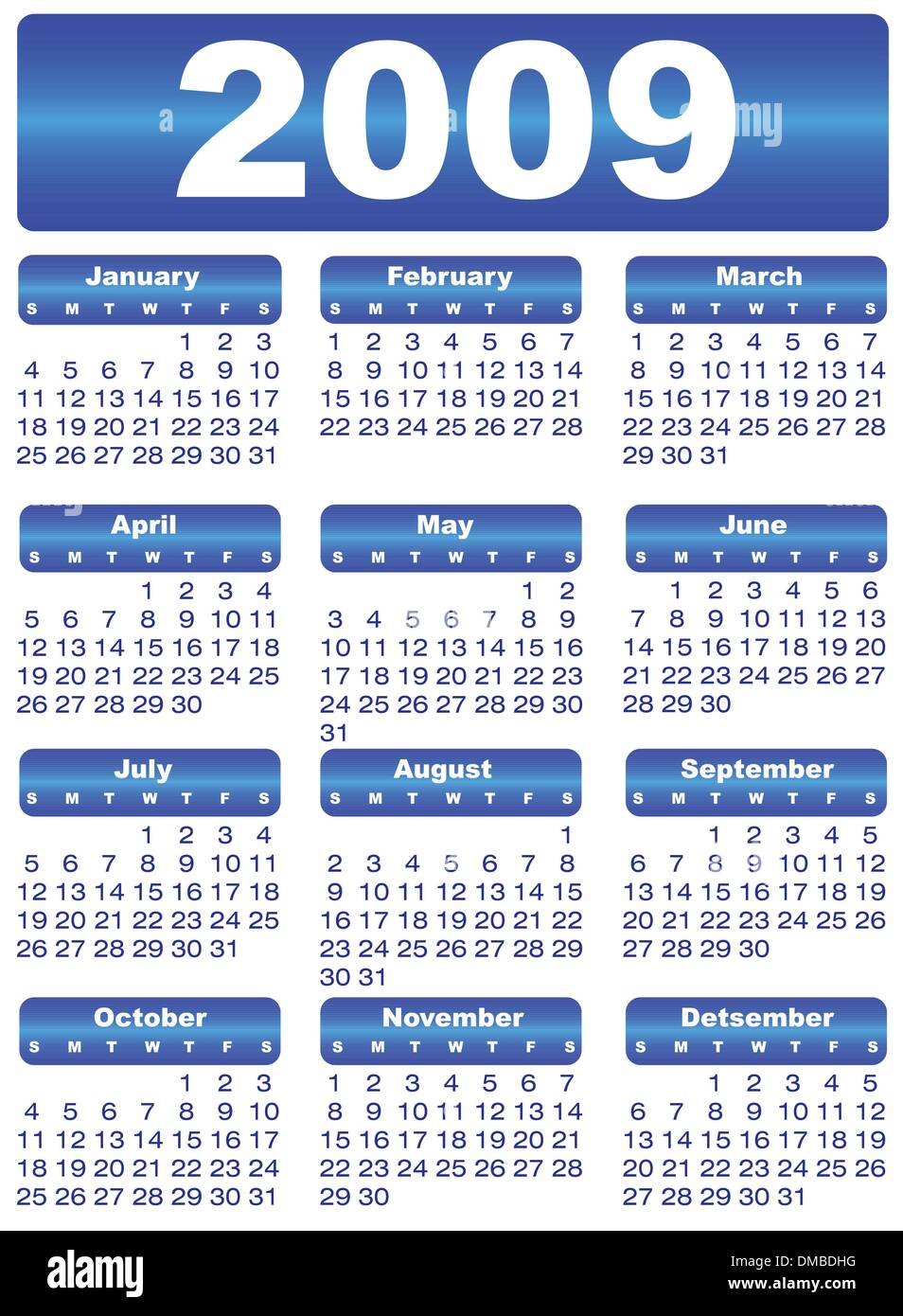
The year 2009 didn’t just turn a calendar page; it marked a profound global pivot, characterized by an historic US presidential inauguration, the deep troughs of a worldwide recession, and a moment of sheer human ingenuity against impossible odds. Examining the major events in 2009 reveals a period where traditional systems buckled, new ideas subtly emerged, and the human spirit was tested on multiple fronts, leaving an indelible mark on the decade that followed.
At a Glance: Understanding the Defining Moments of 2009
- A New Dawn in US Politics: Witness the historic inauguration of Barack Obama, signaling a shift in national and global leadership, immediately tackling economic and social challenges.
- Battling Economic Headwinds: Grasp the full scope of the global recession, from government bailouts and corporate bankruptcies to staggering financial fraud.
- The Quiet Birth of Bitcoin: Discover how the “Genesis Block” was mined, laying the unseen foundation for a revolutionary digital currency amidst financial chaos.
- Geopolitical Shifts and Crises: Explore active conflicts, significant political upheavals, and precedents set in international justice.
- Moments of Disaster and Deliverance: Reflect on both tragic global incidents and a dramatic “Miracle on the Hudson” that captivated the world.
- Technological Leaps and Losses: Observe breakthroughs in space exploration alongside the end of an iconic photographic era.
The Dawn of a New Political Era: Obama’s Ascent and Policy Shifts
January 20, 2009, wasn’t just a date; it was a watershed moment as Barack Obama became the 44th President of the United States, and the first African-American to hold the office. His inauguration, drawing an estimated 400,000 to the “We Are One” concert days earlier, symbolized a palpable sense of hope and change following years of global unrest and economic turmoil.
Obama’s administration hit the ground running, immediately grappling with the economic crisis. The US House of Representatives quickly passed his economic stimulus package, a crucial first step in his plan to avert a deeper collapse. He also signed the Lilly Ledbetter Fair Pay Act of 2009, addressing wage discrimination and signaling his administration’s commitment to social justice. These early actions reflected a determination to reshape policy, both domestically and internationally, setting a new tone for American leadership.
Through the Economic Vortex: Recession, Bailouts, and Financial Revelations
If Obama’s inauguration brought hope, the global economy delivered a stark dose of reality. The deep financial crisis that began in 2008 continued its painful unraveling through 2009. The UK officially entered recession in January, with GDP dropping 1.5% and unemployment climbing. The Netherlands followed suit in February. Governments worldwide scrambled to prevent total meltdown.
In the US, the Troubled Asset Relief Program (TARP) continued to be a lifeline. Bank of America, for instance, announced it would receive a further $20 billion bailout. Corporate giants faced unprecedented challenges: Chrysler filed for Chapter 11 bankruptcy in April, followed by General Motors in June, marking the fourth-largest bankruptcy in US history. This era wasn’t just about financial institutions; it highlighted the interconnectedness of the global economy, as evidenced by significant declines in global shipping and major accounting fraud at companies like India’s Satyam Computer Services. The Bernard Madoff scandal, where the financier pleaded guilty to a $18 billion Ponzi scheme, further underscored the systemic vulnerabilities and the need for stringent oversight that these events exposed.
The Quiet Revolution: Bitcoin’s Genesis Amidst Chaos
While the traditional financial world teetered, a quiet revolution was beginning. On January 3, 2009, an anonymous entity known as Satoshi Nakamoto mined the “Genesis Block” – the very first block in the Bitcoin blockchain. This singular, unheralded event marked the birth of a decentralized digital currency, designed to operate without central banks or government oversight.
For many, Bitcoin’s timing was no coincidence. Born precisely when trust in established financial institutions was at an all-time low, it offered an alternative vision: a peer-to-peer electronic cash system. Though barely noticed by mainstream media at the time, its creation was a profound statement about the future of finance, a testament to innovation rising from the ashes of crisis. If you’re looking to dive deeper into how these economic shifts intertwined with emerging technologies like Bitcoin, you can Uncover 2009’s defining year for a broader perspective.
Geopolitical Shocks: Conflicts, Transitions, and International Justice
The global stage in 2009 was anything but calm. January saw intense conflict in the Gaza Strip, with Israeli ground forces invading and artillery striking near UN schools. A ceasefire was eventually reached, but not before significant casualties. Further east, the Sri Lankan Civil War, which had raged for nearly 26 years, finally concluded in May with the defeat of the LTTE.
Beyond declared wars, political instability flared globally. Iceland, reeling from its financial collapse, saw its “Kitchenware Revolution” culminate in the election of Jóhanna Sigurðardóttir, the world’s first openly gay head of government. Madagascar experienced political unrest and riots, while protests erupted in Moldova over disputed election results. North Korea ratcheted up tensions with a controversial rocket launch and a suspected second nuclear test. In a landmark moment for international justice, the International Criminal Court (ICC) issued an arrest warrant for Sudan’s President Omar Hassan al-Bashir for war crimes and crimes against humanity in Darfur—the first such warrant for a sitting head of state. These events painted a picture of a world grappling with deep-seated conflicts and the fragile nature of political transitions.
When Humanity Met Fate: Disasters, Accidents, and the Hudson Miracle
Amidst the political and economic tumult, 2009 also saw moments of both devastating tragedy and extraordinary resilience. One event particularly captured the world’s imagination: the “Miracle on the Hudson.” On January 15, US Airways Flight 1549, after a bird strike disabled both engines, made an emergency landing on the Hudson River in New York City. All 155 passengers and crew remarkably survived, a testament to Captain Chesley Sullenberger’s skill and the swift response of emergency services. It was a powerful reminder of human ingenuity and courage in the face of imminent disaster.
However, the year also witnessed numerous natural and man-made catastrophes. January started with a deadly nightclub fire in Bangkok, killing 67. Australia experienced its worst natural disaster in history with wildfires in Victoria in February, claiming 173 lives. The Sayano–Shushenskaya dam accident in Russia killed 75 people and knocked out a major hydropower plant in August. September was particularly brutal, with Typhoon Ketsana causing 700 deaths in Southeast Asia, an 8.0 magnitude earthquake near the Samoa Islands triggering a tsunami, and the Sumatra earthquake killing over 1,115 people. These events served as somber reminders of humanity’s vulnerability to the forces of nature and the tragic consequences of accidents.
Technological Frontlines: Space, Innovation, and Digital Futures
2009 wasn’t just about crisis; it was also a year of notable technological advancements and transitions. In February, a rare event occurred in orbit: the collision of an Iridium 33 and a Kosmos-2251 communication satellite, destroying both and highlighting the growing problem of space debris. Undeterred, space exploration continued with NASA launching the Kepler space observatory in March, dedicated to discovering exoplanets, and the Lunar Reconnaissance Orbiter (LRO) in June, aimed at mapping the Moon.
Closer to home, the Dubai Metro, the Arabian Peninsula’s first urban rail network, was inaugurated in September, marking a significant infrastructure milestone. On a more poignant note, June saw Eastman Kodak Company announce the discontinuation of Kodachrome Color Film, an iconic product for generations of photographers. This signaled a broader shift towards digital photography, marking the end of an analog era and the accelerating pace of technological change.
Quick Answers: Decoding 2009’s Lasting Impact
Q: How did the economic events of 2009 influence today’s financial landscape?
A: The deep recession and corporate bankruptcies of 2009 triggered significant regulatory reforms aimed at preventing future collapses. It also accelerated public and private discussions about economic inequality and the stability of global markets, directly impacting how governments and financial institutions manage risk and implement stimulus measures today. The bailouts also created a precedent for state intervention in private enterprise during crises.
Q: What was the main takeaway from Obama’s first year?
A: Obama’s first year was defined by his historic inauguration and his immediate efforts to combat the economic crisis with stimulus packages and financial reforms. It also showcased a shift in US domestic policy, such as the Lilly Ledbetter Act, and a renewed diplomatic approach to global issues, attempting to mend international relations and address conflicts through negotiation.
Q: Was Bitcoin relevant to major events in 2009 at the time?
A: Not directly in a mainstream sense. While the “Genesis Block” was mined in January 2009, Bitcoin remained an obscure concept, primarily understood and discussed within niche cryptographic and tech communities. Its significance as a major event in 2009 is recognized in hindsight, given its subsequent growth and impact on the global financial system and digital innovation. At the time, it was a whisper, not a roar.
Q: What lessons can we draw from the “Miracle on the Hudson”?
A: The “Miracle on the Hudson” underscores the critical importance of crew training, quick decision-making under pressure, and robust emergency response systems. It highlighted human resilience and heroism, showing how coordinated efforts between individuals and agencies can avert catastrophic outcomes, even in seemingly impossible situations.
Navigating the Aftershocks: Key Takeaways from 2009
The major events in 2009 laid bare the systemic fragilities of a highly interconnected world, from financial markets to geopolitical stability. The year offered a stark lesson in crisis management, whether through government intervention in ailing industries or the swift coordination required for a successful river landing. It also demonstrated humanity’s capacity for both destructive conflict and inspiring innovation, as seen in the quiet birth of Bitcoin against the backdrop of a teetering global economy. Ultimately, 2009 solidified a narrative of recovery and adaptation, setting the stage for a decade defined by technological acceleration, shifting power dynamics, and a persistent drive for resilience in the face of ongoing challenges.










