For the bigger picture and full context, make sure you read our main guide on 1991 Interesting Facts About A Pivotal Year In History.
The year 1991 wasn’t just another spin of the calendar; it was a seismic shift, redefining global politics, kickstarting technological revolutions, and reshaping cultural landscapes. If you’re looking into what major events happened in 1991, you’re exploring a true hinge point in history – a year where the echoes of its happenings continue to reverberate in our present-day world. From the fall of empires to the birth of the internet, the decisions and developments of ’91 laid crucial groundwork for the next several decades.
At a Glance: Why 1991 Still Matters
- Geopolitical Overhaul: Witnessed the dissolution of the Soviet Union and the conclusion of the Cold War, redrawing the global map.
- Digital Genesis: Marked the public availability of the World Wide Web and the initial release of Linux, laying foundational stones for the internet age.
- Cultural Reshaping: Saw the rise of grunge, landmark films, and new festival formats that influenced pop culture for years.
- Environmental Crossroads: Highlighted growing awareness with significant natural disasters and early steps towards international climate dialogue.
- Social & Economic Tides: Grappled with major social issues like public health crises, police brutality, and significant shifts in global economic policy.
The Great Unraveling: Reshaping the Global Order
Few years have witnessed such profound geopolitical transformation as 1991. The existing world order, largely defined by the Cold War, crumbled with astonishing speed, leaving a vacuum that reshaped alliances and sparked new conflicts.
The Iron Curtain Falls, The USSR Dissolves
The most monumental event of 1991 was undoubtedly the dissolution of the Soviet Union. After decades as a global superpower, internal pressures, economic stagnation, and rising nationalist sentiments led to its collapse. By December, the hammer and sickle flag was lowered from the Kremlin for the last time, replaced by the Russian tricolor. This didn’t just end the Cold War; it ushered in an era where 15 new independent republics emerged, each navigating its unique path, a process that continues to influence European and Asian politics today. Boris Yeltsin, emerging from the dramatic August coup attempt, became the first President of the Russian Federation, symbolizing this monumental shift.
The Gulf War: A New Era of International Intervention
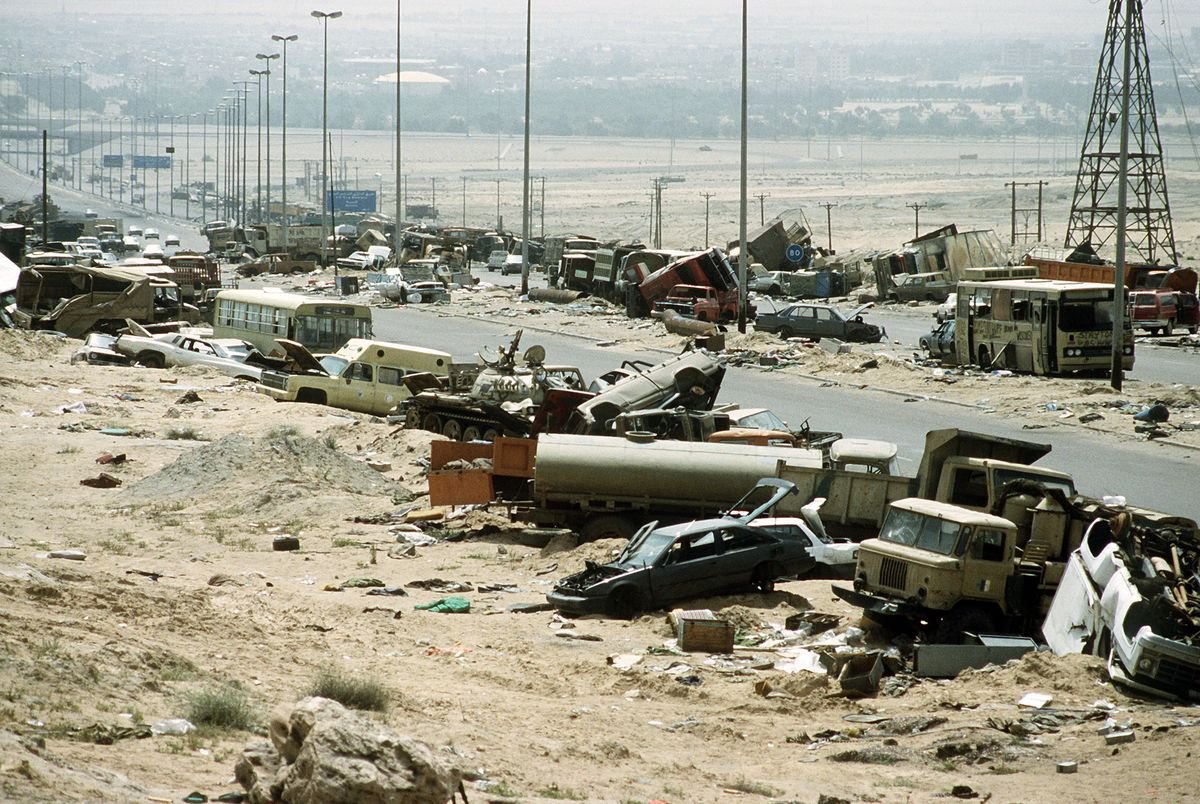
While the Soviet Union was collapsing, another major conflict was concluding. Operation Desert Storm, launched in January 1991, saw a US-led coalition drive Iraqi forces out of Kuwait. The swift military victory demonstrated new capabilities in precision warfare and multilateral cooperation. However, it also left a complex legacy in the Middle East, setting the stage for subsequent interventions and regional instability. The images of SCUD missile attacks on Israel and the environmental catastrophe of the Persian Gulf oil spill underscored the brutal realities of modern warfare.
Seeds of Conflict: The Yugoslav Wars Begin
As the geopolitical plates shifted, nationalist tensions flared elsewhere. In June 1991, Slovenia and Croatia declared independence from Yugoslavia, igniting a brutal series of conflicts that would plague the Balkans for the next decade. These wars, marked by ethnic cleansing and widespread human suffering, demonstrated the dark side of collapsing empires and the challenges of nation-building. The international community grappled with how to respond to these complex internal conflicts, setting precedents for future humanitarian interventions.
South Africa’s Apartheid Era Ends
Amidst these global upheavals, a significant stride for human rights was made in South Africa. In June 1991, the last of the apartheid laws were repealed, marking the official end of institutionalized racial segregation. While the road to full equality and reconciliation remained long and arduous, this legislative act was a monumental victory for anti-apartheid activists and a testament to sustained international pressure. The symbolic meeting between Nelson Mandela and Mangosuthu Buthelezi earlier in the year highlighted the ongoing efforts to forge a unified future.
The Digital Revolution Begins: From Niche to Necessity
If 1991 was a year of endings politically, it was a year of profound beginnings technologically. The seeds sown in labs and academic institutions for years finally broke ground, leading to innovations that would fundamentally alter how we communicate, work, and live.
The World Wide Web Goes Public
Perhaps the most impactful technological event was the public availability of the World Wide Web. Developed by Tim Berners-Lee at CERN, the Web moved beyond academic circles, allowing individuals and organizations worldwide to share and access information through linked documents. This wasn’t just an upgrade; it was a paradigm shift. Imagine a library where every book was linked to every other relevant book, accessible from anywhere. That’s the power the Web unleashed, making the internet accessible and user-friendly for the masses and sparking the digital age we inhabit today. To truly grasp the breadth of changes this year wrought, it’s worth taking a moment to Discover 1991’s pivotal facts.
Linux: The Open-Source Seed
In August 1991, Linus Torvalds, a Finnish student, announced the first version of the Linux kernel. This open-source operating system would grow into a foundational technology for servers, smartphones (Android is Linux-based), and countless embedded systems. It represented a powerful alternative to proprietary software, championing collaboration and community-driven development, a philosophy that continues to shape the tech industry.
The First GSM Call
While less dramatic than the Web’s public debut, the first GSM (Global System for Mobile Communications) call in 1991 was equally transformative. This digital standard for mobile telephony paved the way for the explosion of cellular technology, enabling global roaming and significantly improving call quality and data capabilities. It was a crucial step towards making mobile phones ubiquitous, evolving them from luxury items to essential tools for billions.
Culture, Climate, and Controversy: Shifting Social Tides
Beyond politics and technology, 1991 also made its mark on popular culture, raised environmental alarms, and grappled with pressing social issues.
Nirvana’s “Nevermind” and the Rise of Grunge
Music found a new voice in 1991 with the release of Nirvana’s album “Nevermind.” Its raw, angsty sound and Kurt Cobain’s enigmatic presence propelled grunge from the underground to mainstream dominance, challenging the polished pop and hair metal of the 1980s. This album wasn’t just popular; it was a cultural touchstone, defining the sound and attitude for a generation and influencing music for decades to come.
Blockbusters and Festivals: Entertainment Evolves
Film history was also made with the release of “Terminator 2: Judgment Day,” a special effects marvel that pushed cinematic boundaries and became a box office sensation. Meanwhile, a new kind of music festival emerged with the inaugural Lollapalooza, a traveling alternative rock festival that would define the summer experience for many in the 90s, showcasing diverse bands and fostering a counter-cultural community. Michael Jackson’s “Black or White” music video also premiered, captivating audiences with its groundbreaking special effects.
Environmental Alarms: Pinatubo and Early Climate Talks
Nature itself made headlines in 1991. The eruption of Mount Pinatubo in the Philippines was one of the largest of the 20th century, injecting massive amounts of ash and aerosols into the atmosphere, causing a temporary but noticeable drop in global temperatures. This event served as a stark reminder of humanity’s vulnerability to natural forces and the interconnectedness of global climate systems. Concurrently, the first Earth Summit was held in Rio de Janeiro, highlighting growing international concern for environmental issues and leading to the establishment of the United Nations Framework Convention on Climate Change (UNFCCC), laying the groundwork for future climate action.
Social Reckonings and Health Crises
1991 also brought difficult social realities to the forefront. Basketball legend Magic Johnson announced his HIV diagnosis, a courageous revelation that shattered stigmas and brought much-needed attention to the AIDS epidemic, changing public perception and fueling advocacy for research and treatment. The arrest of serial killer Jeffrey Dahmer exposed the depths of human depravity, shocking the nation. Simultaneously, the brutal beating of Rodney King by Los Angeles police officers, captured on video, sparked outrage and ignited crucial conversations about police brutality and racial injustice, issues that remain profoundly relevant today.
The Economic Ripple Effects of 1991
Economically, 1991 was a year of contrasts and future-shaping decisions.
India’s Economic Reforms
Facing a severe balance of payments crisis, India initiated sweeping economic reforms in 1991, liberalizing its economy, reducing trade barriers, and opening up to foreign investment. These reforms laid the foundation for India’s rapid economic growth in the subsequent decades, transforming it into a major global economic power.
European Integration and Global Recession
In Europe, the Maastricht Treaty was signed, laying the groundwork for the creation of the European Union and the eventual introduction of the Euro. This was a significant step towards deeper European integration, with long-term implications for global trade and finance. Meanwhile, the U.S. was grappling with a recession, and Japan’s asset price bubble burst, leading to its “Lost Decade” of economic stagnation. These events collectively highlighted the increasing interconnectedness of global economies and the challenges of managing boom-bust cycles.
The Lasting Legacies: How 1991 Shaped Our World
Thinking about what major events happened in 1991 isn’t just an exercise in historical recall; it’s about understanding the roots of our current reality. The year provided a unique confluence of geopolitical restructuring, technological birth pangs, and evolving cultural norms.
- Political Landscape: The post-Cold War world, with its single superpower (the U.S.) and the rise of new regional powers, is a direct outcome of 1991. The challenges of governing new democracies and managing ethnic conflicts in Eastern Europe and the Balkans continue to define international relations.
- Digital Dominance: Without the public launch of the World Wide Web and the Linux kernel, our digital lives—from browsing the internet to using smartphones—would look vastly different. These innovations set the stage for the dot-com boom, social media, and the entire information age.
- Cultural Crossroads: The shifts in music and film from 1991 demonstrate how culture evolves, reflecting and shaping societal attitudes. The rise of alternative voices and independent spirit continues to influence creative industries.
- Environmental Imperatives: Pinatubo and the early climate discussions underscored the urgency of environmental stewardship, issues that are now central to global policy and public discourse.
- Social Dialogue: Magic Johnson’s announcement, the Rodney King beating, and other social events of 1991 initiated crucial national and global conversations about public health, racial justice, and human rights—dialogues that continue to evolve and challenge societies worldwide.
Quick Answers: Unpacking Key 1991 Questions
Q: Was 1991 truly the end of the Cold War?
A: Yes, with the dissolution of the Soviet Union in December 1991, the ideological and geopolitical standoff known as the Cold War officially ended. While tensions remained, the fundamental bipolar structure of global power collapsed.
Q: What technology from 1991 has the biggest impact today?
A: The public availability of the World Wide Web and the initial release of the Linux kernel are arguably the two most impactful technological events. They laid essential groundwork for the internet, open-source software, and modern computing infrastructure, shaping nearly every aspect of digital life.
Q: How did 1991 influence modern music and film?
A: Nirvana’s “Nevermind” redefined rock music, introducing grunge to the mainstream and influencing countless bands. “Terminator 2: Judgment Day” pushed the boundaries of special effects, setting new standards for blockbuster cinema and paving the way for future CGI-heavy productions. The first Lollapalooza also changed the festival landscape.
Q: What significant environmental event occurred in 1991?
A: The eruption of Mount Pinatubo in the Philippines was a major environmental event, significantly impacting global weather patterns temporarily. Additionally, the initial steps towards establishing the UNFCCC at the Earth Summit in Rio de Janeiro highlighted a growing global awareness and commitment to addressing climate change.
The Unfolding Story: A Pivotal Year’s Enduring Relevance
Looking back at what major events happened in 1991, it’s clear this was more than just a collection of historical facts; it was a year that irrevocably altered the trajectory of human history. The decisions made, the innovations unleashed, and the conflicts ignited during those 365 days continue to define our world, demonstrating the profound and often unpredictable consequences of historical inflection points. Understanding 1991 isn’t just about the past; it’s about understanding the present and anticipating the future shaped by its indelible legacy.










