Nineteen ninety-four wasn’t just another year on the calendar; it was a launchpad, a pivotal moment where so many significant things that came out in 1994 carved deep, lasting grooves into our collective consciousness. From cinematic masterpieces that still resonate today to the quiet birth of technologies that underpin our digital lives, this single year reshaped the landscape of pop culture, entertainment, and even how we connect. It wasn’t a slow build; it was a sudden eruption of creativity and innovation that left an indelible mark.
At a Glance: How 1994 Defined a Generation
- Cinematic Gold: Iconic films like Forrest Gump, The Lion King, and Pulp Fiction didn’t just entertain; they became cultural touchstones.
- TV Game Changers: The debut of Friends and ER redefined network television, while Space Ghost Coast to Coast hinted at adult animation’s future.
- Digital Revolution: Netscape Navigator and Java laid the groundwork for the modern internet, making the World Wide Web accessible to the masses.
- Gaming’s Next Level: The release of the PlayStation irrevocably shifted the home console landscape.
- Music’s Crossroads: Grunge hit its peak, pop soared, and hip-hop saw a new era of lyrical depth.
- Cultural Currents: Major events, celebrity marriages, and the rise of “mullets” underscored a year of vibrant, sometimes chaotic, change.
The Silver Screen’s Golden Harvest: Films That Defined a Decade
The cinematic releases of 1994 weren’t just numerous; they were remarkably diverse and impactful, producing films that became instant classics and continue to be celebrated today. This year demonstrated a masterful blend of storytelling, visual innovation, and raw creative power.
Blockbuster Dominance and Genre Bending
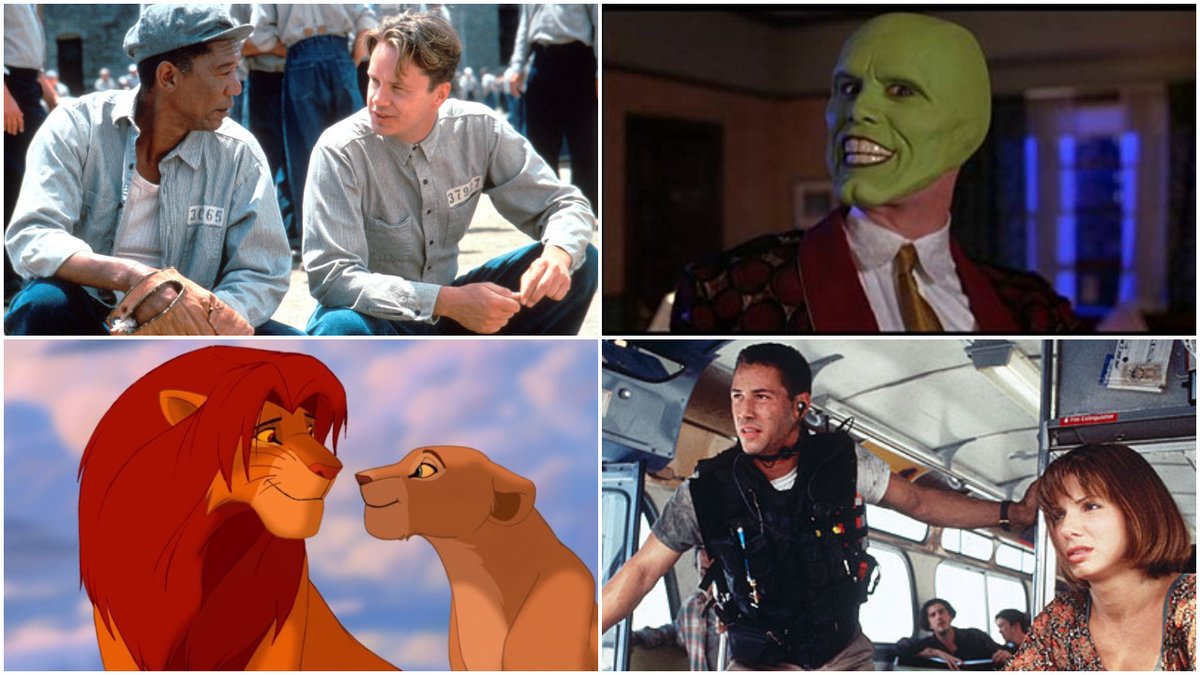
Films like Forrest Gump captured the zeitgeist with its heartwarming narrative and unforgettable lines. “Life was like a box of chocolates” became an instant idiom, highlighting the film’s profound impact on public discourse and its ability to blend historical events with a deeply personal journey. It wasn’t just a movie; it was a cultural phenomenon that spurred reflection on American history and destiny.
Then there was The Lion King, a triumph of animated storytelling that proved Disney’s mastery of the art form, earning both critical acclaim and massive box office success. Its emotional depth, memorable songs, and stunning animation set a new bar for family entertainment. Simultaneously, Quentin Tarantino’s Pulp Fiction shattered narrative conventions, introducing a gritty, non-linear style that revolutionized independent cinema and influenced countless filmmakers. Its sharp dialogue and iconic scenes cemented its place as a cornerstone of modern film.
Critical Acclaim and Enduring Legacies
Beyond the blockbusters, 1994 offered powerful dramas that explored the human condition. While Schindler’s List won Best Picture at the Oscars in 1994 (for films released in late 1993), its recognition solidified its status as a profoundly important historical drama. The film’s stark portrayal of the Holocaust underscored its role in fostering crucial conversations about humanity and injustice.
The Shawshank Redemption, though not an immediate box office smash, found its audience through word-of-mouth and home video, eventually becoming one of the most beloved and highly-rated films of all time. Its themes of hope, perseverance, and friendship continue to resonate. Other notable releases, like True Lies, pushed technological boundaries as one of the first films with a production budget over $100 million, showcasing the escalating ambition of Hollywood. Meanwhile, Speed and The Mask offered high-octane thrills and comedic genius, respectively, launching stars and defining genres for years to come.
Television’s New Era and the Digital Foundations
While cinema flourished, television was undergoing its own renaissance, launching shows that would become staples of American culture. At the same time, a nascent digital world began to stretch its limbs, promising a future of unprecedented connectivity.
Sitcoms, Dramas, and Animated Innovations
The fall of 1994 brought two immensely influential new series to primetime. Friends quickly became a cultural touchstone, defining a generation’s humor, fashion, and relationship dynamics. Its formula of six young adults navigating life and love in New York City resonated globally, turning its cast into household names and setting the template for countless sitcoms that followed. Parallel to this, ER redefined medical dramas with its fast-paced, high-stakes storytelling and ensemble cast. It pushed the boundaries of television realism, earning critical praise and massive viewership for its compelling narratives and groundbreaking production values.
Beyond live-action, Cartoon Network made a bold move with Space Ghost Coast to Coast, its first original series aimed at an older audience. This quirky, surreal talk show, repurposing animation cells from a 1960s Hanna-Barbera superhero cartoon, foreshadowed the rise of adult animation and paved the way for more experimental programming.
The Web Takes Hold and Gaming’s Next Frontier
While we were laughing with Joey and crying with Dr. Ross, the very fabric of how we’d connect was silently being woven. 1994 saw the World Wide Web shift from an academic curiosity to a public utility. The launch of Netscape Navigator made the internet accessible and user-friendly, transforming it from a niche tool into a burgeoning mass medium. Coupled with the introduction of Java, a programming language designed for network computing, the building blocks for modern internet connectivity and interactive web experiences were firmly put in place. These developments didn’t just facilitate information sharing; they created entirely new industries and ways of life that we now take for granted.
And then there was PlayStation. Its release wasn’t just another console; it marked a significant shift in the gaming world. With its focus on 3D graphics and CD-ROM technology, PlayStation ushered in a new era of immersive gaming experiences, challenging Nintendo and Sega’s dominance and ultimately reshaping the entire video game industry. Its impact was immediate and long-lasting, setting the stage for console gaming as we know it today. To fully grasp the broader context of how these landmark events fit into the larger cultural tapestry of the year, you might want to Explore 1994 pop culture further.
Soundscapes and Cultural Shifts: From Grunge to Gigantos
The sounds of 1994 were as diverse as its cultural moments, with music reflecting the various moods and movements of the time. Beyond the charts, the year was punctuated by moments that captured public attention, for better or worse.
Grunge’s Lasting Roar and Pop’s Resurgence
The music scene in 1994 represented a fascinating crossroads. Grunge, having dominated the early 90s, reached its melancholic peak, epitomized by bands like Nirvana and Pearl Jam. The tragic death of Kurt Cobain earlier in the year cast a long shadow, marking a symbolic end to an era for many. Pearl Jam, meanwhile, made headlines for canceling their summer tour in protest of Ticketmaster’s service fees, a bold move that highlighted artist frustrations with industry practices and sparked conversations about fair pricing in live music.
Yet, amidst grunge’s swan song, pop music was experiencing a powerful resurgence. Mariah Carey continued her reign with powerful vocals and chart-topping hits, while Boyz II Men’s “I’ll Make Love To You” became the year’s top song, showcasing the enduring appeal of R&B ballads. The year also saw the unique rise of Lisa Loeb, who achieved a #1 hit with “Stay (I Missed You)” without a record label, an unprecedented feat that wouldn’t be repeated for decades. Hip-hop, too, was evolving, with Nas’s album Illmatic emerging as a critically acclaimed masterpiece, celebrated for its lyrical complexity and vivid storytelling, influencing a generation of artists.
Memorable Moments and Social Echoes
Beyond music, 1994 was a year of indelible moments that dominated headlines and water cooler conversations. The infamous O.J. Simpson White Bronco car chase, broadcast live on television, became one of the most bizarre and widely watched events in history, a precursor to today’s obsession with real-time news spectacles. The Tonya Harding/Nancy Kerrigan figure skating scandal captivated the nation, a dramatic tale of rivalry and alleged sabotage that played out on the world stage.
Amidst these high-profile events, consumer culture was also shifting. The craze for Beanie Babies began, turning plush toys into coveted collectibles and sparking a unique form of speculative frenzy. Fashion saw the global introduction of the Wonderbra, revolutionizing lingerie and impacting beauty standards. Even the humble “mullet” hairstyle got its official name, coined by the Beastie Boys in their song “Mullet Head,” cementing its place in the lexicon of questionable fashion choices.
Sports, Milestones, and Unexpected Inventions
From thrilling championship victories to quirky historical footnotes, 1994 showcased a dynamic year in sports and brought forth a collection of fascinating, lesser-known innovations and events.
Championship Runs and Athletic Feats
In the world of team sports, 1994 delivered moments of triumph and heartbreak. The Houston Rockets claimed their first-ever NBA championship, defeating the New York Knicks in a hard-fought series. On the global stage, Brazil triumphed over Italy in a penalty shootout at the FIFA World Cup, hosted in the United States, securing their fourth title. American football saw the San Francisco 49ers dominate the San Diego Chargers in Super Bowl XXIX.
Individual athletes also made their mark. The legendary George Foreman, at the remarkable age of 45, staged an incredible comeback to reclaim the World Heavyweight boxing title, a testament to endurance and determination. Meanwhile, Michael Jordan, embarking on his baseball career, notably severed official ties with Sports Illustrated after a critical article about his performance, highlighting the intense scrutiny sports icons faced.
Everyday Innovations and Quirky Facts
Beyond the headlines, 1994 was peppered with intriguing developments and oddities. NFL officials made a subtle but significant change, switching from gunshots to whistles to signal the end of quarters, a small shift with broad impact on game presentation. On a more legalistic note, the “Driver’s Privacy Protection Act” was passed, a direct response to the 1989 murder of actress Rebecca Schaeffer, making it illegal to disclose private addresses, a crucial step in anti-stalking legislation.
Even corporate giants made waves with their actions. Procter & Gamble famously argued that Pringles contained only 42% potato flour to avoid a 17.5% tax on potato products under the UK’s “VAT Act” of 1994, a quirky example of how tax law can influence product classification. In a truly bizarre and unexplained event, Oakville, Washington, experienced rain that deposited gelatinous blobs containing human white blood cells (without nuclei), a mystery that remains unsolved to this day. And in a heartwarming note, the Soul Asylum music video for “Runaway Train” helped locate 25 of the 36 missing children featured, showcasing the unexpected power of media for social good.
Enduring Legacies: What 1994 Taught Us
Looking back at the myriad things that came out in 1994, it becomes clear that the year wasn’t just a collection of events; it was a foundational moment for many aspects of modern life. It laid tracks for how we consume media, interact with technology, and understand cultural shifts.
Shaping Entertainment Consumption
The dual launches of Friends and ER didn’t just provide popular programming; they helped solidify the appointment viewing model for network television that would dominate for another decade. Their success showcased the power of ensemble casts and sophisticated storytelling to capture and hold a mass audience. Simultaneously, films like The Lion King and Forrest Gump demonstrated the enduring appeal of both animation and narratives deeply woven into the American fabric, proving that diverse stories could achieve universal appeal. The raw, unconventional energy of Pulp Fiction, on the other hand, redefined indie cinema, signaling a shift in audience tastes towards more complex, morally ambiguous narratives.
The Dawn of the Connected World
Perhaps most profoundly, 1994 was the year the internet started its inexorable march into public consciousness. With Netscape Navigator and Java, the World Wide Web ceased being a niche tool and began its transformation into the ubiquitous force it is today. This wasn’t merely a technological upgrade; it was a societal shift, setting the stage for e-commerce, social media, and instant global communication. The PlayStation’s arrival was equally transformative, shifting video games from a niche hobby to a mainstream entertainment industry, preparing a generation for virtual worlds and interactive experiences that would continue to evolve exponentially. These technological leaps from 1994 directly influenced our daily routines, from how we work to how we relax and connect with one another.
Quick Answers: Revisiting 1994’s Impact
Q: Was 1994 really that significant for pop culture, or is it just nostalgia?
A: 1994 holds genuine significance beyond mere nostalgia. It was a rare confluence of major breakthroughs across film (Forrest Gump, Pulp Fiction, The Lion King), television (Friends, ER), technology (Netscape, Java, PlayStation), and music (the peak of grunge, the rise of powerful pop/R&B acts). Many of the “things that came out in 1994” set trends and laid groundwork that continue to influence us today, making it objectively a pivotal year.
Q: What’s a lesser-known innovation from 1994 that still affects us?
A: The “Driver’s Privacy Protection Act” stands out. While not flashy, this law, stemming from a tragic event in 1989, profoundly impacted personal privacy by making it illegal to widely disclose private addresses from DMV records. It was a crucial early step in recognizing and legislating for digital and personal privacy in an increasingly connected world, protecting individuals from harassment and stalking.
Q: How did 1994 challenge existing norms?
A: 1994 challenged norms in several ways. On screen, Pulp Fiction upended traditional narrative structures. On television, Space Ghost Coast to Coast dared to create adult animation that was experimental and surreal. In music, Lisa Loeb’s independent #1 hit showed that artists didn’t strictly need major labels for success, and Pearl Jam’s stand against Ticketmaster questioned industry practices. Technologically, the public emergence of the World Wide Web fundamentally challenged established communication and information-sharing models, opening the door to a new, decentralized global network.
The Echoes of a Pivotal Year
The sheer volume and lasting influence of the things that came out in 1994 truly make it a standout year. From the cinematic quotes we still recite to the foundational tech that powers our devices, its impact is undeniable. It was a year that didn’t just react to culture; it actively shaped it, laying down indelible markers that continue to define our shared experience. Reflecting on 1994 isn’t just a trip down memory lane; it’s an exploration of the very roots of much of our contemporary world.










