
The global political arena is witnessing an unprecedented revolution, profoundly shaped by the escalating presence and power of female political leaders. For centuries, the glass ceiling – that invisible yet unyielding barrier – has largely confined women to the periphery of power, particularly within the traditionally male-dominated corridors of politics. Yet, a formidable new generation of trailblazing women isn’t merely observing this ceiling; they are systematically shattering glass ceilings, transforming governance, championing inclusive progress, and radically redefining what true leadership embodies.
This comprehensive article takes a deep dive into the monumental impact of these extraordinary female political leaders, meticulously exploring the entrenched challenges they confront and conquer, the distinctive perspectives they enrich public discourse with, and their profound influence on political representation across the globe. We will meticulously examine how their unyielding resilience and unwavering determination are powerful catalysts for women’s empowerment, igniting global movements, and painstakingly forging a more equitable, inclusive future for every citizen. Prepare to embark on an insightful journey through the compelling narratives of individuals who are not just breaking longstanding barriers but are actively constructing entirely new, accessible pathways for women to ascend in politics.
The Enduring Battle Against the Political Glass Ceiling
The concept of the glass ceiling, while popularized in recent decades, finds its ancient roots deeply embedded in political life, reflecting centuries of ingrained societal biases and exclusionary practices. Comprehending the multifaceted nature of this invisible barrier is absolutely essential to truly appreciate the extraordinary achievements of female political leaders and the systemic hurdles they overcome.
Defining the Invisible Barrier: What the Glass Ceiling Means in Politics
The term “glass ceiling,” first coined in a business context in 1978, describes an unseen, unacknowledged barrier preventing qualified women and minorities from advancing to the highest echelons of power. In the political sphere, this manifests not as explicit legal prohibitions, but as a complex interplay of implicit biases, deeply entrenched discriminatory practices, and structural obstacles that impede women’s ascent to top leadership roles. It’s the “you can see the top, but you can’t reach it” phenomenon. This barrier is particularly insidious because it often operates beneath the surface, making it difficult to pinpoint and dismantle. It includes:
- Cultural and Societal Norms: Deeply ingrained stereotypes about leadership being inherently masculine, questioning women’s capability, emotional stability, or “electability.”
- Lack of Sponsorship and Mentorship: Women often have limited access to the informal networks and powerful sponsors critical for political advancement, traditionally dominated by men.
- Funding Disparities: Female candidates frequently face greater challenges in raising adequate campaign funds compared to their male counterparts, often perceived as “riskier” investments.
- Media Misrepresentation: Persistent media bias that scrutinizes female candidates’ appearance, family life, and emotional demeanor more intensely than their male counterparts, often undermining their credibility.
- Work-Life Integration Challenges: The disproportionate burden of family and caregiving responsibilities often falls on women, making the demanding and inflexible nature of a political career exceptionally difficult to reconcile.
The glass ceiling in politics is not a singular impediment but a cumulative effect of these interwoven social, cultural, and institutional forces.
Systemic Roots and Subtle Obstacles Faced by Female Political Leaders
The historical exclusion of women from formal political participation laid the groundwork for the modern glass ceiling. Even after gaining suffrage, the path to holding public office remained fraught with challenges. Early pioneers often faced tokenism, limited influence, and intense scrutiny. Beyond overt sexism, the political environment itself presents systemic obstacles that make shattering glass ceilings particularly arduous for female political leaders:
- The “Double Bind” Phenomenon: Women leaders are often caught in a no-win situation. If they are assertive, they are labeled “too aggressive” or “unlikable”; if they are collaborative, they are deemed “too soft” or “indecisive.” This makes navigating leadership expectations a constant tightrope walk.
- Hostile Political Culture: Political environments can be overtly aggressive, confrontational, and intimidating, which can be particularly alienating for women and can deter them from entering or staying in politics. Online harassment and threats disproportionately target female politicians, adding another layer of intimidation.
- Pipeline Problems: While more women are entering politics at local levels, the pipeline to higher office often narrows significantly, partly due to the aforementioned barriers and a lack of specific support structures for women aiming for national or international roles.
- Lack of Political Capital: Building the necessary political capital – a network of allies, donors, and endorsements – often requires years of engagement within established party structures that have historically been male-dominated and less accessible to women.
- Intersectionality of Identity: The challenges faced by female political leaders are compounded for women from marginalized groups, including women of color, LGBTQ+ women, women with disabilities, and Indigenous women. They encounter multiple, intersecting biases and systemic disadvantages, making their ascent even more arduous.
Understanding these profound, often subtle, obstacles is crucial to devising effective strategies for achieving full political representation and strengthening women’s empowerment.
Trailblazing Female Political Leaders: Architects of Global Change
Despite the formidable and pervasive nature of these barriers, remarkable female political leaders have emerged across every continent, not merely navigating the intricate labyrinths of power but actively reshaping their very foundations. Their narratives are compelling testaments to extraordinary courage, astute strategic acumen, and an unwavering commitment to public service, leaving an indelible mark on the landscape of women in politics and propelling the global movement for women’s empowerment.
Pioneers Who First Cracked the Glass Ceiling
Before the widespread surge in female leaders observed today, a determined few bravely broke through, laying essential groundwork and demonstrating that women could indeed govern with authority and effectiveness:
- Sirimavo Bandaranaike (Sri Lanka): In 1960, she etched her name in history as the world’s first non-hereditary female head of government, serving as Prime Minister of Sri Lanka. Her groundbreaking ascent irrevocably shattered glass ceilings globally, forever changing perceptions of who could legitimately hold ultimate executive power and becoming an immense source of inspiration for countless women across Asia and beyond.
- Indira Gandhi (India): Ascending to the Prime Ministership of India in 1966, Gandhi adeptly led one of the world’s most populous democracies through periods of extraordinary challenge and profound transformation. Her formidable leadership and strategic prowess solidified the revolutionary idea of a woman steering a major nation, showcasing exceptional political dexterity.
- Golda Meir (Israel): Serving as Prime Minister of Israel from 1969 to 1974, Meir became one of the first women to lead a major nation in the Middle East. Known for her iron will and direct communication, she navigated her country through intense geopolitical crises, demonstrating resolute leadership in a volatile region.
- Margaret Thatcher (United Kingdom): As Prime Minister from 1979 to 1990, Thatcher, famously dubbed the “Iron Lady,” profoundly reshaped Britain’s economy and society. Her long tenure and firm leadership in a deeply traditional political landscape showed the world the formidable impact a woman could have, proving that perceived “softness” had no place in her command.
These early pioneers were not just leaders; they were living proof that the glass ceiling could be cracked, paving the way for future generations of female political leaders.
While these women overcome systemic obstacles, it’s also worth noting that many are coming to power from unconventional backgrounds, as explored in this article about political leaders.
Modern Icons: Diverse Voices Shattering Glass Ceilings Worldwide
The 21st century has witnessed an astonishing acceleration in this trend, with a diverse array of female political leaders leaving an indelible and transformative mark on the global stage:
- Angela Merkel (Germany): As Chancellor of Germany from 2005 to 2021, Merkel rose to become arguably the most powerful woman in the world. She skillfully guided Germany and the European Union through multiple complex crises with a remarkably steady and pragmatic hand. Her consensus-driven, analytical leadership style became a masterclass in effective governance, forcefully dismantling outdated stereotypes about leadership qualities.
- Ellen Johnson Sirleaf (Liberia): In 2006, she made history as Africa’s first elected female head of state, serving as President of Liberia. Her visionary leadership was absolutely instrumental in rebuilding a nation ravaged by prolonged civil war, powerfully demonstrating that peace, stability, and good governance could be spearheaded by female political leaders. Her efforts earned her a Nobel Peace Prize in 2011.
- Jacinda Ardern (New Zealand): As Prime Minister from 2017 to 2023, Ardern garnered international acclaim for her empathetic, decisive, and compassionate leadership during profound national crises, including the Christchurch mosque shootings and the unprecedented COVID-19 pandemic. She redefined compassionate leadership, proving unequivocally that strength and empathy are not mutually exclusive but rather complementary attributes in high-stakes politics.
- Kamala Harris (United States): As the first female, first African American, and first South Asian American Vice President, Harris represents a monumental leap forward in shattering glass ceilings across multiple dimensions of identity. Her groundbreaking role opens doors and ignites aspirations for future generations of diverse women in politics.
- Tsai Ing-wen (Taiwan): As the first female President of Taiwan (since 2016), Tsai has navigated complex geopolitical challenges with calm resolve. Her leadership highlights a sophisticated approach to international relations and democratic governance in a highly sensitive region, further consolidating the role of female political leaders in East Asia.
- Sanna Marin (Finland): Becoming Prime Minister of Finland in 2019 at the age of 34, Marin was one of the youngest heads of government in the world. Her leadership, particularly during the COVID-19 pandemic and in navigating Finland’s NATO accession, exemplified modern, progressive governance, inspiring young women globally.
- Mia Mottley (Barbados): As Prime Minister of Barbados since 2018, Mottley has gained international prominence as a powerful advocate for climate justice and small island developing states. Her articulate and passionate voice on the world stage underscores the critical contributions female political leaders make to global issues.
The Ripple Effect: How Visibility Drives Women’s Empowerment
The very presence of these female political leaders in highly visible, prominent roles is an immensely powerful statement. This visibility plays a crucial role in normalizing the idea of women holding significant power, actively challenging and dismantling long-held stereotypes, and providing indispensable role models for aspiring young girls and women worldwide. When girls see themselves authentically reflected in positions of authority – leading nations, negotiating peace, shaping laws – it profoundly reconfigures their aspirations and strengthens their belief in their own boundless possibilities, directly fueling the engine of women’s empowerment. This “power of presence” creates a virtuous, self-reinforcing cycle, encouraging more women to both enter and succeed in political arenas, thereby further fortifying and diversifying political representation. It’s not just about leadership; it’s about changing the cultural script of leadership itself.
The Transformative Power of Robust Political Representation by Women
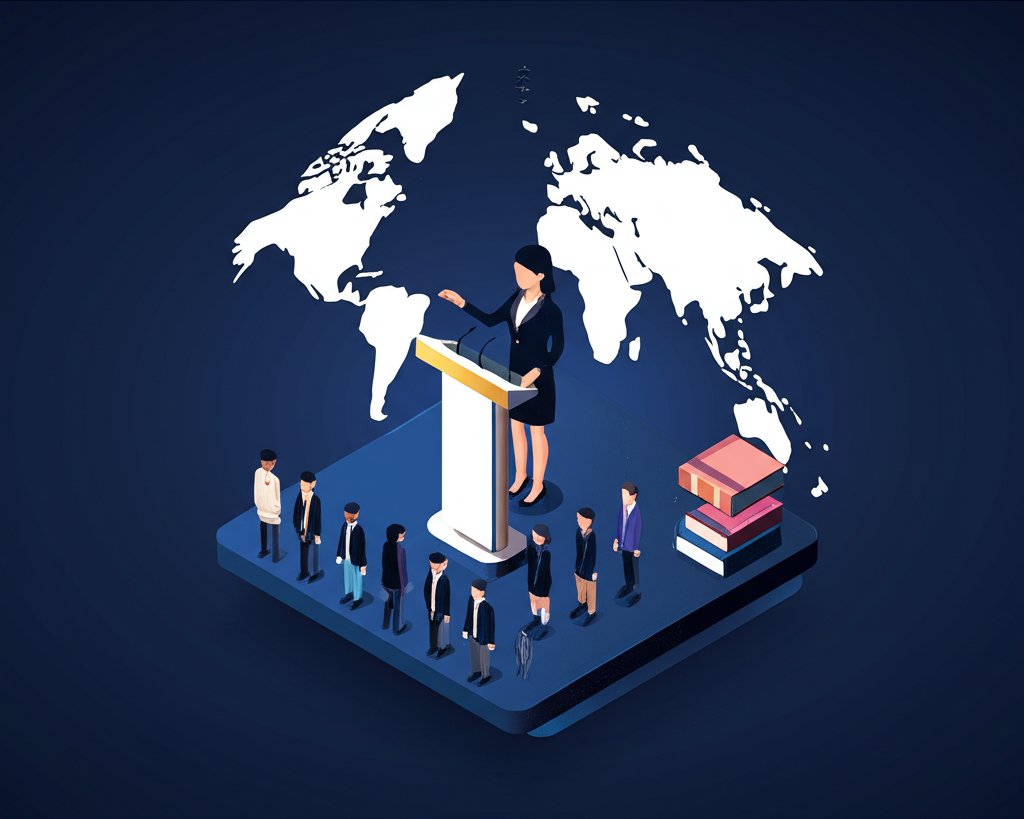
The profound impact of female political leaders extends far beyond their individual, groundbreaking achievements; it fundamentally reconfigures and revitalizes governance, policy formulation, and the very fabric of society itself. An increase in political representation for women is not merely a matter of achieving fairness or equity; it is a powerful, undeniable catalyst for generating demonstrably better, more inclusive outcomes for every single member of society.
Policy Innovation and Inclusive Governance
Extensive research consistently demonstrates a clear correlation: greater political representation by women leads to the creation of more inclusive and empathetic policies that effectively address a broader, more nuanced spectrum of societal needs. Women in politics are often at the forefront, passionately championing issues that disproportionately affect marginalized communities and bring fresh perspectives to the legislative table. These areas include:
- Healthcare Reform: Advocating vigorously for comprehensive reproductive rights, improved maternal and child health initiatives, and ensuring equitable, affordable access to quality healthcare for all citizens.
- Educational Advancement: Prioritizing investments in early childhood education, championing STEM initiatives specifically tailored for girls, and tirelessly working to guarantee equitable access to high-quality learning environments across all demographics.
- Social Justice and Welfare: Proposing and enacting policies that robustly support families, aggressively combat systemic poverty, and provide vital protections for vulnerable populations, including robust anti-discrimination legislation.
- Environmental Sustainability: Female leaders are statistically more likely to advocate for strong environmental protections and sustainable development policies, often bringing a long-term, intergenerational perspective to climate action.
- Anti-Corruption Measures: Numerous studies suggest that gender-diverse political bodies exhibit lower levels of corruption and tend to foster more effective decision-making processes, emphasizing crucial strengths such as collaboration, empathy, and consensus-building as core tenets of good governance.
The presence of diverse female political leaders ensures that legislation is not only more representative but also more robust, leading to better societal outcomes.
Boosting Women’s Empowerment Beyond Politics
The presence and success of female political leaders create a powerful ripple effect, significantly inspiring and enabling women’s empowerment across an expansive array of sectors, far beyond the halls of government:
- Economic Empowerment: Women leaders frequently champion and enact policies that actively support women entrepreneurs, rigorously enforce equal pay legislation, and deliberately create expansive opportunities for women to thrive in diverse sectors of the workforce, leading to substantial and measurable contributions to national economies.
- Breaking Gender Stereotypes: By excelling with distinction in traditionally male-dominated roles and demonstrating exceptional leadership, these trailblazing leaders actively challenge, subvert, and systematically dismantle restrictive gender stereotypes. This fosters a more equitable society where talent, capability, and ambition are recognized and rewarded irrespective of gender.
- Advancement of Women’s Rights: From robustly combating gender-based violence and advocating for comprehensive legal reforms that unequivocally protect women’s rights, to promoting gender equality in all spheres of life, female political leaders are consistently at the vanguard of profound social change efforts, relentlessly driving progress towards a truly egalitarian society.
- Increased Civic Participation: The visibility of women in power encourages other women to become more civically engaged, whether through voting, volunteering, or advocating for local issues, strengthening the democratic fabric.
This holistic approach to women’s empowerment demonstrates that political representation is not an isolated achievement but a catalyst for broader societal transformation.
Strengthening Democracy and Fostering Stability
Beyond the immediate social and economic benefits, increased political representation by women demonstrably correlates with more robust democratic institutions and greater societal stability. The inclusion of diverse perspectives in decision-making processes leads to more innovative solutions, more resilient policies, and a more comprehensive understanding of national challenges.
- Conflict Resolution and Peacebuilding: Research indicates that peace agreements are more durable and equitable when women are involved in their negotiation and implementation. Female political leaders often bring a different, more collaborative approach to conflict, prioritizing long-term stability and community well-being.
- Investor Confidence and Good Governance: Nations that exhibit higher levels of women in politics often present better development indicators, including stronger governance, reduced corruption, and more predictable policy environments, which can positively influence foreign investment and economic growth.
- Legitimacy and Trust: When government bodies are more representative of the population they serve, they gain greater legitimacy and public trust. This enhanced trust is crucial for maintaining social cohesion and effective governance, especially during times of crisis.
By fostering these attributes, the rise of female political leaders contributes significantly to building stronger, more sustainable democracies worldwide, reinforcing the idea that shattering glass ceilings is a national imperative, not just a gender issue.
Strategies for Accelerating Shattering Glass Ceilings in Politics
While substantial progress has been made, the glass ceiling in politics remains stubbornly intact in many regions, far from being fully shattered everywhere. Sustained, concerted effort and strategically planned interventions are absolutely critical to achieve true gender parity and robust, equitable political representation in every corner of the globe.
Cultivating the Pipeline: Mentorship, Training, and Networks
Developing a strong pipeline of aspiring female political leaders is fundamental. This requires targeted support mechanisms that address the unique challenges women face:
- Formal Mentorship and Sponsorship Programs: Establishing robust, structured programs where experienced political figures actively mentor and sponsor rising female talent. Sponsors, in particular, use their political capital to advocate for women, open doors, and provide critical endorsements and visibility.
- Leadership Development and Campaign Training: Offering specialized training in crucial areas such as effective public speaking, persuasive policy-making, strategic campaign management, fundraising techniques, and advanced negotiation skills. Organizations like EMILY’s List in the U.S. or political party women’s wings play a vital role in this.
- Network Building and Peer Support: Facilitating opportunities for women to build influential professional networks, both within and across political parties. These networks can counteract the traditional “old boys’ club” exclusion, providing crucial access to information, funding, and strategic political support, fostering a sense of solidarity and collective women’s empowerment.
- Early Engagement Initiatives: Encouraging young girls and women to engage with politics from an early age, through civic education, youth parliaments, and school programs, normalizing their participation and leadership aspirations.
Electoral & Legislative Reforms for Enhanced Political Representation
Structural changes are often necessary to overcome deeply entrenched biases and accelerate the pace of change in political representation:
- Gender Quotas: Implementing various forms of gender quotas, such as mandated percentages of female candidates on party lists (legislative quotas) or reserved seats in legislative bodies. While sometimes debated, these quotas have proven to be exceptionally effective in rapidly increasing the number of women in politics by directly addressing systemic barriers. For example, countries with proportional representation and party-list quotas often show higher female representation.
- Campaign Finance Reform: Instituting reforms that level the financial playing field for candidates, potentially by providing public financing or setting caps on individual donations, can reduce the fundraising disparities that disproportionately affect women.
- Electoral System Design: Examining and adapting electoral systems. For instance, proportional representation systems generally lead to higher rates of female political representation compared to winner-take-all systems, as they allow for greater diversity on party lists.
- Term Limits: In some contexts, term limits can create more open seats, providing new opportunities for women to enter legislative bodies.
These structured approaches directly confront the systemic issues that perpetually reinforce the glass ceiling.
Dismantling Bias and Reshaping Political Culture
Addressing the deeply ingrained biases and often adversarial political culture is critical for the long-term success of female political leaders:
- Implicit Bias Training: Implementing mandatory implicit bias training for political party members, campaign staff, media personnel, and even election officials to recognize and actively counteract unconscious biases against women in leadership roles.
- Media Accountability and Literacy: Promoting responsible, equitable, and stereotype-free media portrayal of female candidates and leaders. Encouraging media literacy among the public to critically evaluate biased political coverage.
- Promoting Work-Life Integration and Family-Friendly Policies: Advocating for and implementing family-friendly policies within political institutions, such as paid parental leave for elected officials, flexible meeting schedules, and on-site childcare options. These measures are crucial for supporting women (and men) in managing demanding political careers while fulfilling family responsibilities, explicitly addressing a major barrier for women in politics.
- Combating Harassment and Violence: Creating zero-tolerance policies and safe, respectful environments within political institutions, free from all forms of harassment, intimidation, and gender-based violence, both offline and online. Protecting female political leaders from such attacks is paramount.
- Public Education and Awareness Campaigns: Launching sustained, broad public education campaigns to challenge entrenched gender stereotypes about leadership, highlight the benefits of diverse representation, and promote a greater appreciation for women’s empowerment in politics.
Amplifying Diverse Voices: Intersectionality in Action
Recognizing that the experience of the glass ceiling is not monolithic, strategies must explicitly embrace intersectionality:
- Targeted Recruitment: Actively recruiting and supporting women from historically underrepresented groups, including women of color, Indigenous women, LGBTQ+ women, and women with disabilities, to ensure their unique perspectives are integrated into policy-making.
- Resource Allocation: Directing resources and support specifically to organizations and campaigns that champion the political representation of intersectional female candidates.
- Inclusive Policy Design: Ensuring that policy discussions and solutions are informed by the lived experiences of women across all identities, moving beyond a singular narrative of “womanhood.” This is essential for truly shattering glass ceilings for all women.
The Future of Female Political Leaders: Sustaining Momentum and Achieving Parity
The journey towards achieving full political representation and the complete, irreversible shattering of the glass ceiling is undeniably ongoing. While tremendous, inspiring strides have been made by dedicated female political leaders globally, unwavering vigilance and continuous, strategic effort remain absolutely essential to sustain this vital momentum and secure irreversible progress for women in politics.
Global Landscape and Collaborative Efforts
The challenge and the immense opportunity for women in politics are fundamentally global. No nation has yet achieved full gender parity in political leadership, and progress varies significantly across regions. International organizations, national governments, and a vibrant civil society must continue to collaborate, rigorously share best practices, and passionately advocate for policies that unequivocally promote gender equality in political leadership worldwide.
- International Benchmarking and Targets: Organizations like UN Women and the Inter-Parliamentary Union (IPU) consistently track and report on women’s representation in parliaments and executive positions, setting global benchmarks and encouraging nations to adopt and meet ambitious targets for gender parity.
- Cross-National Learning: Facilitating platforms for female political leaders worldwide to share their experiences, strategies, and challenges, fostering a global community of support and collective learning.
- Addressing Backsliding: Acknowledging and actively countering instances of backsliding on women’s rights and political participation, which can occur due to political instability, rising authoritarianism, or cultural resistance. This includes protecting and empowering women who are targets of political violence or repression.
- Funding and Capacity Building: Investing in international programs that provide funding and capacity-building support to women’s political organizations and aspiring female candidates in developing nations, recognizing that the barriers can be even more pronounced in fragile states.
By supporting initiatives that strengthen democratic institutions and advance women’s empowerment through political participation globally, we can collectively foster a world where leadership is truly reflective, dynamic, and representative of its entire population.
The Vision for Complete Political Representation
The ultimate vision is a political landscape where gender is no longer a barrier or even a distinguishing factor in a leader’s capability or electability – a world where the glass ceiling is not just cracked, but entirely obsolete. This future will be characterized by:
- Meritocracy and Opportunity: A system where talent, experience, and commitment alone determine political success, with equitable opportunities available to all.
- Diverse Perspectives as the Norm: Political bodies that inherently reflect the full diversity of society, leading to truly inclusive and innovative policy-making.
- Empowered Citizens: Societies where women’s empowerment is so deeply embedded that all individuals, regardless of gender, feel equipped and encouraged to participate actively in shaping their governance.
- Sustainable and Stable Governance: Nations that benefit from the full spectrum of human talent, leading to more resilient democracies, stronger economies, and more just societies.
Achieving this vision requires unwavering commitment from individuals, communities, and governments to continue the vital work of shattering glass ceilings and championing inclusive political representation.
Conclusion
The profound ascent of female political leaders stands as one of the most compelling and inspiring narratives of our modern era. From the courageous early pioneers who first dared to challenge the status quo to the influential modern icons who command global stages, these extraordinary women have not merely navigated opaque, often hostile political systems but have actively and relentlessly shattered the glass ceiling, thereby paving the way for unprecedented advancements in political representation. Their indomitable resilience in the face of deeply entrenched systemic barriers has unequivocally proven that their leadership is not simply a possibility, but an absolute necessity for fostering inclusive governance, driving innovative policy solutions, and accelerating the global movement for women’s empowerment.
However, the journey towards full gender parity and the complete dismantling of the political glass ceiling is by no means concluded. Persistent and targeted efforts in mentorship, crucial electoral reform, profound cultural shifts, and strategic global advocacy are paramount to consolidate the gains already made and to ensure the irreversible progress for women in politics. As we rightfully celebrate the remarkable achievements of these trailblazing female political leaders, let us collectively recommit to the vital mission of creating a world where every woman, irrespective of her background, is afforded the unequivocal opportunity to lead, to serve, and to profoundly shape the future, ensuring that the transformative legacy of shattering glass ceilings continues to inspire and empower generations yet to come.
FAQ Section

Q1: What is the “glass ceiling” specifically in the context of politics?
A1: The “glass ceiling” in politics refers to an invisible, metaphorical barrier that prevents qualified women and other minority groups from advancing to the highest political leadership positions, despite their skills, experience, and achievements. It’s not about explicit laws barring them, but rather the cumulative effect of systemic biases, persistent gender stereotypes, cultural norms, and structural obstacles that limit their political representation at the highest levels.
Q2: Who are some key Female Political Leaders who have been instrumental in Shattering Glass Ceilings?
A2: Many female political leaders have been instrumental in shattering glass ceilings globally. Notable examples include Sirimavo Bandaranaike (world’s first non-hereditary female Prime Minister), Indira Gandhi (India), Margaret Thatcher (UK), Golda Meir (Israel), Angela Merkel (Germany), Ellen Johnson Sirleaf (Liberia), Jacinda Ardern (New Zealand), Tsai Ing-wen (Taiwan), and Kamala Harris (USA). These women demonstrated exceptional leadership, courage, and resilience, opening critical doors for other women in politics.
Q3: How does increased Political Representation by women benefit society?
A3: Increased political representation by women in politics brings numerous profound benefits to society. These include more inclusive and empathetic policymaking that addresses a broader range of societal needs (e.g., healthcare, education, social welfare, environment), reduced levels of corruption, more collaborative and consensus-driven governance, stronger and more legitimate democratic institutions, and greater overall women’s empowerment across all sectors of society.










