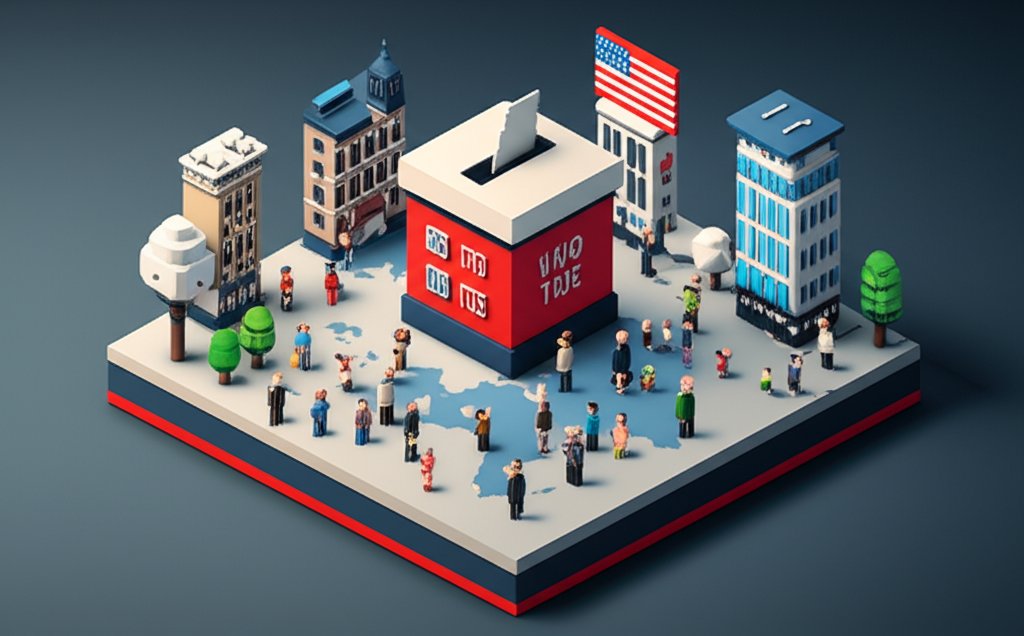
The world of politics has long been dominated by figures who follow a well-trodden path: years spent climbing the party ladder, Ivy League educations, and deep-rooted connections to established political families. But the winds of change are blowing, and a new breed of leader is emerging – those from unexpected backgrounds, whose diverse experiences and unconventional perspectives are reshaping the future of governance. These individuals, often lacking traditional political pedigrees, are resonating with voters who crave authenticity and a departure from the status quo. From entrepreneurs to activists, artists to military veterans, these leaders are proving that experience outside the political arena can be a powerful asset, bringing fresh ideas and innovative solutions to the challenges facing our world. Their rise signifies not only a shift in voter preferences but also a redefinition of what it means to be a political leader in the 21st century. This article explores the fascinating phenomenon of political leaders from unexpected backgrounds and their growing influence on the world stage.
The Shifting Sands of Political Leadership
The traditional image of a politician – someone who has spent their entire career navigating the intricate pathways of government – is increasingly being challenged. This shift is driven by several factors, including a growing distrust of established institutions, a desire for more authentic and relatable leaders, and the recognition that diverse perspectives are essential for effective governance. Political analysts suggest that in an era marked by rapid technological advancements and complex global challenges, leaders with experience outside the realm of politics are often better equipped to develop innovative solutions and connect with a broader range of citizens.
The Decline of Trust in Traditional Politics
Decades of political scandals, economic crises, and perceived failures of government have eroded public trust in traditional political institutions. A 2023 Gallup poll revealed that only 38% of Americans have a great deal or fair amount of trust in the legislative branch of the federal government. This decline in trust has created an opening for individuals who present themselves as outsiders, untainted by the perceived corruption and ineffectiveness of the political establishment. These leaders often campaign on platforms of reform, transparency, and accountability, appealing to voters who feel disenfranchised by the status quo.
The Demand for Authenticity and Relatability
In an age of social media and 24-hour news cycles, voters are increasingly seeking leaders who are authentic and relatable. They want to connect with individuals who understand their everyday struggles and share their values. This desire for authenticity has fueled the rise of political leaders from unexpected backgrounds, who often possess a unique ability to connect with voters on a personal level. Their life experiences, whether in business, community organizing, or the arts, resonate with citizens who are tired of the polished rhetoric and carefully crafted images of traditional politicians. Voters seek anti establishment leaders who understand their concerns.
The Value of Diverse Perspectives in Governance
The challenges facing modern societies are increasingly complex and interconnected, requiring innovative solutions and a broad range of perspectives. Political leaders from unexpected backgrounds often bring unique insights and experiences to the table, challenging established ways of thinking and promoting more inclusive and effective governance. Their diverse backgrounds can help bridge divides, foster collaboration, and create policies that better reflect the needs of all citizens. Unlocking governance innovative approaches become more important than ever.
Defining “Unexpected Backgrounds” in Politics
The term “unexpected background” can encompass a wide range of experiences and professions. However, certain common themes emerge when examining the backgrounds of leaders who have disrupted the traditional political landscape. These include careers in business, entrepreneurship, the arts, the military, and community activism.
Entrepreneurs and Business Leaders
Entrepreneurs and business leaders often bring valuable skills to the political arena, such as financial management, strategic planning, and problem-solving. Their experience in building and managing organizations can be particularly useful in navigating the complexities of government and implementing effective policies. Figures like Michael Bloomberg, the former mayor of New York City and founder of Bloomberg L.P., have demonstrated the potential for business acumen to translate into successful political leadership.
Artists and Creatives
Artists and creatives can offer unique perspectives on social issues and bring innovative approaches to problem-solving. Their ability to communicate complex ideas in compelling ways can be particularly valuable in building consensus and mobilizing public support for policy initiatives. Volodymyr Zelenskyy’s background as a comedian and actor showcases the ability of creatives to connect with the public.
Military Veterans
Military veterans often possess strong leadership skills, a deep sense of civic duty, and a commitment to service. Their experience in high-pressure situations and their understanding of national security issues can be valuable assets in political leadership. Many veterans find political underdogs their natural path to service.
Community Activists and Organizers
Community activists and organizers are often deeply engaged in the issues facing their communities and possess a strong understanding of the needs and concerns of ordinary citizens. Their experience in mobilizing grassroots support and advocating for policy changes can be invaluable in political leadership.
The Skills and Qualities That Translate from Unexpected Backgrounds
While experience in traditional politics is often seen as a prerequisite for leadership, individuals from unexpected backgrounds often possess a range of skills and qualities that can be equally, if not more, valuable. These include adaptability, communication skills, problem-solving abilities, and a strong sense of purpose.
Adaptability and Resilience
Individuals who have thrived in non-political fields often possess a high degree of adaptability and resilience, which are essential qualities for navigating the ever-changing landscape of politics. Their ability to learn quickly, adjust to new situations, and persevere in the face of adversity can be particularly valuable in dealing with the challenges and uncertainties of public service.
Effective Communication and Persuasion
The ability to communicate effectively and persuade others is crucial for any political leader. Individuals from unexpected backgrounds often develop these skills through their work in business, the arts, or community organizing. Their ability to articulate a clear vision, connect with audiences emotionally, and build consensus is essential for mobilizing support and achieving policy goals. You can master jacinda ardern style to become a great communicator.
Innovative Problem-Solving and Critical Thinking
Complex policy challenges require innovative solutions and critical thinking skills. Individuals from unexpected backgrounds often bring fresh perspectives and unconventional approaches to problem-solving, challenging established ways of thinking and pushing for more effective and efficient policies.
Strong Sense of Purpose and Civic Duty
Many individuals from unexpected backgrounds are drawn to politics by a strong sense of purpose and a desire to serve their communities. Their commitment to making a positive impact on the world can be a powerful motivator, driving them to overcome obstacles and work tirelessly for the common good.
Case Studies: Leaders Who Defied Expectations
Throughout history, there have been numerous examples of political leaders who rose to prominence despite lacking traditional political backgrounds. These individuals often defied expectations, challenged the status quo, and left a lasting impact on their societies.
Volodymyr Zelenskyy: From Comedian to Wartime President
Volodymyr Zelenskyy’s rise to the presidency of Ukraine is a remarkable example of a leader from an unexpected background. A comedian and actor with no prior political experience, Zelenskyy ran on a platform of anti-corruption and reform, tapping into widespread dissatisfaction with the political establishment. His leadership during the Russian invasion of Ukraine has been widely praised, demonstrating his resilience, communication skills, and unwavering commitment to his country.
Donald Trump: The Real Estate Mogul Who Became President
Donald Trump’s election as President of the United States in 2016 shocked the political world. A real estate mogul and reality television star with no prior experience in elected office, Trump capitalized on populist sentiment and a desire for change, appealing to voters who felt ignored by the political establishment. While his presidency was controversial, his success in winning the White House demonstrated the potential for individuals from outside the traditional political system to achieve high office.
Arnold Schwarzenegger: From Bodybuilder to Governor
Arnold Schwarzenegger’s transition from bodybuilding champion and Hollywood actor to Governor of California was another example of a leader who defied expectations. Schwarzenegger used his celebrity status and his experience in business to connect with voters and promote his policy agenda, demonstrating that diverse backgrounds can be an asset in political leadership.
The Challenges Faced by Outsider Leaders
While individuals from unexpected backgrounds can bring valuable skills and perspectives to political leadership, they also face unique challenges. These include navigating the complexities of government, overcoming skepticism from the political establishment, and maintaining their authenticity in the face of intense scrutiny.
Navigating the Bureaucracy and Political Landscape
One of the biggest challenges for outsider leaders is navigating the complex bureaucracy and political landscape of government. Understanding the rules, procedures, and power dynamics of the political system can be daunting for individuals who lack prior experience in this arena. Building relationships with key stakeholders and learning how to effectively advocate for their policies can be a steep learning curve.
Overcoming Skepticism and Resistance
Outsider leaders often face skepticism and resistance from the political establishment, who may view them as inexperienced or unqualified. Overcoming this skepticism requires demonstrating competence, building trust, and proving their commitment to public service.
Maintaining Authenticity and Integrity
The intense scrutiny and pressure of political life can make it difficult for outsider leaders to maintain their authenticity and integrity. They may face pressure to conform to established norms, compromise their values, or make decisions that are unpopular with their constituents. Staying true to their principles and maintaining a strong sense of ethics is essential for long-term success. They must show bold political leaders in their actions.
The Impact on Policy and Governance

The rise of political leaders from unexpected backgrounds is not just a symbolic shift; it can also have a tangible impact on policy and governance. These leaders often bring fresh perspectives, challenge established ways of thinking, and push for innovative solutions to complex problems.
Promoting Innovation and Creativity
Outsider leaders are often more willing to experiment with new ideas and approaches, fostering a culture of innovation and creativity in government. Their experience in non-political fields can help them identify best practices and adapt them to the public sector.
Challenging the Status Quo
Individuals from unexpected backgrounds are often less beholden to established interests and more willing to challenge the status quo. This can lead to more equitable and effective policies that benefit a broader range of citizens. Political mavericks shattering traditional systems can lead to progress.
Fostering Greater Citizen Engagement
The rise of outsider leaders can inspire greater citizen engagement in politics, as voters feel more connected to individuals who understand their everyday struggles and share their values. This increased engagement can lead to more responsive and accountable government.
The Future of Political Leadership
The trend of political leaders emerging from unexpected backgrounds is likely to continue, as voters increasingly seek authenticity, innovation, and a departure from the status quo. The future of political leadership may be shaped by individuals who possess diverse experiences, a strong sense of purpose, and a willingness to challenge conventional wisdom.
Embracing Diversity and Inclusivity
The political arena must embrace diversity and inclusivity, creating opportunities for individuals from all backgrounds to participate in public service. This requires dismantling barriers to entry, promoting mentorship programs, and fostering a culture of respect and collaboration.
Encouraging Citizen Participation
Encouraging greater citizen participation in politics is essential for ensuring that government is responsive to the needs and concerns of all citizens. This can be achieved through voter registration drives, educational programs, and initiatives that empower citizens to engage with their elected officials.
Promoting Ethical and Accountable Governance
Promoting ethical and accountable governance is crucial for restoring public trust in political institutions. This requires strengthening ethics laws, increasing transparency, and holding elected officials accountable for their actions.
Conclusion: A New Era of Leadership
The rise of political leaders from unexpected backgrounds represents a significant shift in the landscape of politics. These individuals, with their diverse experiences and unconventional perspectives, are reshaping the future of governance, challenging established norms, and inspiring greater citizen engagement. While they face unique challenges, their ability to connect with voters, promote innovation, and challenge the status quo makes them a valuable asset to the political arena. As we move forward, it is essential to embrace diversity, encourage citizen participation, and promote ethical governance to ensure that the future of political leadership is one that reflects the needs and aspirations of all citizens. Consider supporting organizations that promote diverse voices in politics and encourage individuals from all backgrounds to consider a career in public service. The crushing the glass ceiling requires constant vigilance and support.
FAQ Section

Q: What defines an “unexpected background” in politics?
A: An “unexpected background” refers to individuals entering politics from professions or life experiences outside traditional political career paths, such as business, arts, military, or community activism.
Q: Why are voters increasingly drawn to leaders from unexpected backgrounds?
A: Voters are seeking authenticity, a departure from the status quo, and leaders who understand their everyday struggles. They often perceive individuals from non-political backgrounds as more relatable and less influenced by the political establishment.
Q: What skills and qualities do these leaders typically bring to the table?
A: They often possess adaptability, strong communication skills, innovative problem-solving abilities, and a deep sense of purpose, honed through their experiences outside of politics.
Q: What are some of the challenges faced by outsider political leaders?
A: These leaders may struggle with navigating complex bureaucracies, overcoming skepticism from the political establishment, and maintaining their authenticity under intense scrutiny.
Q: How can the rise of outsider leaders impact policy and governance?
A: They can bring fresh perspectives, challenge established ways of thinking, promote innovation, and foster greater citizen engagement, leading to more effective and responsive governance.
Q: What does the future hold for political leadership?
A: The trend of leaders emerging from unexpected backgrounds is likely to continue, emphasizing the importance of diversity, citizen participation, and ethical governance.
Q: Can you provide some examples of leaders from unexpected backgrounds?
A: Examples include Volodymyr Zelenskyy (comedian), Donald Trump (real estate mogul), and Arnold Schwarzenegger (bodybuilder/actor).










