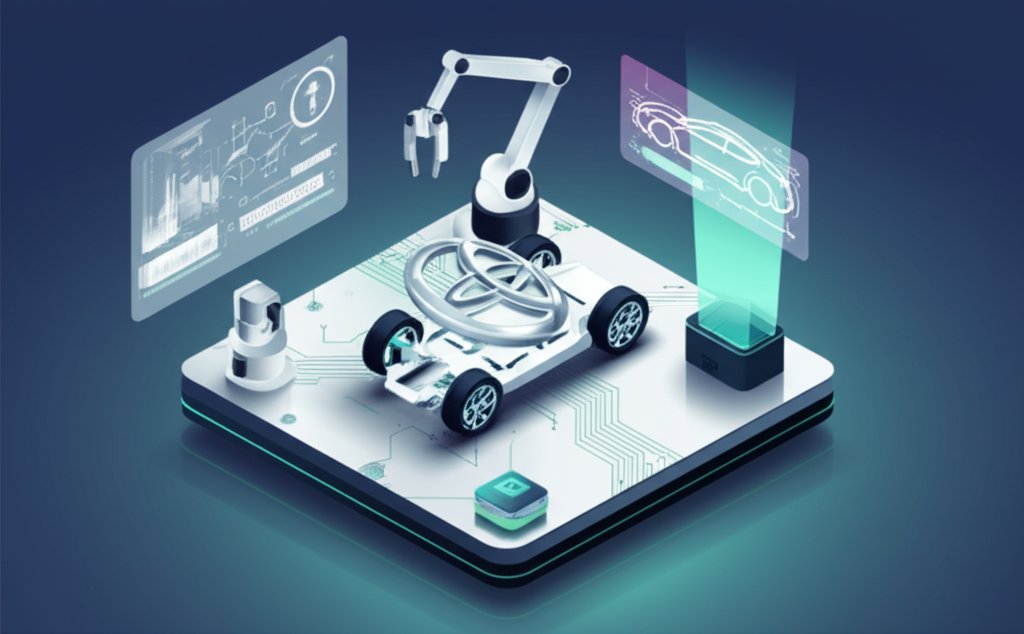
In the bustling arena of global automotive manufacturing, where new brands rise and fall with astonishing speed, one name has consistently stood as an unyielding titan: Toyota. It’s more than just a car company; it’s a global phenomenon, a benchmark of engineering prowess, and a byword for automotive excellence. For generations, Toyota Motor Corporation has meticulously crafted a legacy, intertwining two fundamental principles that define its very essence: unparalleled reliability and groundbreaking innovation.
Consumers worldwide face a dilemma: a market saturated with choices, each promising the next big thing, yet often falling short on enduring quality. The solution lies in a brand that has perfected the intricate dance between dependable performance and visionary progress. This comprehensive exploration delves deep into how Toyota has not only mastered the art of automotive engineering but also reimagined what’s possible on the road, creating vehicles that drivers trust implicitly and eagerly anticipate. Prepare to uncover the strategies, philosophies, and technological advancements that solidify Toyota’s position as an unstoppable force, poised to dominate the future of mobility.
Understanding Toyota’s success requires examining their core values, and many fascinating facts about Toyota cars, including its history and impact, can be found online for further research.
The Foundation of Trust: Decoding Toyota’s Legendary Reliability

When discussions turn to vehicle longevity, consistent performance, and peace of mind, Toyota invariably tops the list. The brand’s legendary reliability is not a mere outcome of chance; it is the meticulously cultivated result of a deeply ingrained corporate philosophy, rigorous processes, and an unyielding commitment to quality that permeates every facet of Toyota Motor Corporation.
The “Toyota Way” and Its Pillars of Durability
At the very core of Toyota’s unparalleled success and reliability lies “The Toyota Way.” This isn’t just a mission statement; it’s an actionable, living philosophy that guides every decision, from the factory floor to the executive boardroom. These principles directly translate into the enduring quality of every Toyota vehicle:
- Kaizen (Continuous Improvement): A relentless pursuit of perfection. This means every process, every component, and every system within Toyota is constantly evaluated and refined to enhance performance and reliability. It’s an ongoing journey, not a destination, ensuring that even the smallest gains contribute to overall durability.
- Genchi Genbutsu (Go and See): Problems are not solved in meeting rooms; they are tackled at the source. Engineers, designers, and managers are encouraged to physically go to where the work is done, observe the situation firsthand, gather facts, and develop practical solutions. This hands-on approach minimizes assumptions and ensures issues impacting reliability are addressed effectively.
- Respect for People: Empowering employees to think, contribute, and take ownership. This fosters a culture where every team member is invested in the quality of the product, understanding that their efforts directly contribute to the vehicle’s reliability and the customer’s satisfaction.
- Challenge & Teamwork: Encouraging audacious goals and fostering collaborative problem-solving. This environment pushes the boundaries of conventional automotive engineering, leading to more robust designs and innovative solutions that fortify vehicle durability.
Precision Automotive Engineering: Design, Materials, and Manufacturing Excellence
The bedrock of Toyota’s reliability is laid long before a car even enters production. It’s embedded in the very first sketches and engineering blueprints, where thoughtful design, superior material selection, and precision manufacturing converge to create vehicles built to last. This is where automotive engineering truly shines:
- Thoughtful Design for Longevity: Toyota vehicles are designed with a profound focus on functional durability. Components are often “over-engineered,” meaning they are built to withstand stresses far beyond typical operational limits. This proactive approach significantly reduces the likelihood of premature failure, a cornerstone of Toyota’s reputation for reliability. Every fastener, every chassis member, and every engine part is selected and designed for long-term resilience, not just immediate performance.
- Superior Material Science: Toyota Motor Corporation invests heavily in research and development of advanced materials. They meticulously select alloys, plastics, and composites that offer optimal strength-to-weight ratios, exceptional corrosion resistance, and high-temperature tolerance. This commitment ensures that critical vehicle parts can endure years of diverse driving conditions, from extreme cold to scorching heat, without degradation.
- Precision Manufacturing with the Toyota Production System (TPS): At its heart, the TPS (discussed in detail later) emphasizes precision and consistency. Advanced robotics work in seamless harmony with highly skilled human operators to ensure every component is manufactured to exacting specifications. This minimizes variations, eliminates defects at the source, and maximizes the integrity and overall reliability of the final product.
Unwavering Quality Control: From Andon Cords to Global Standards
One of the most distinctive and effective aspects of Toyota’s quest for reliability is its stringent, multi-layered quality control system. It’s a system designed to catch and rectify issues immediately, preventing them from ever reaching the customer.
- Jidoka (Autonomation with a Human Touch): This principle empowers equipment to detect abnormalities and stop itself. More famously, the Andon system exemplifies this: workers on the assembly line have the authority and responsibility to stop the entire production line if they spot a defect or anomaly. This “go-no-go” principle ensures that problems are identified and resolved at the earliest possible stage, preventing defective products from moving further down the line. It’s a proactive approach that prioritizes quality above all else, even over production speed.
- Continuous and Rigorous Testing: Every Toyota vehicle undergoes extensive testing, from virtual simulations to real-world conditions. This includes brutal weather testing, rigorous durability simulations that compress years of wear into weeks, and detailed inspections at multiple stages of production. This comprehensive, multi-layered approach to quality assurance is a significant factor in Toyota’s consistently low recall rates and exceptionally high customer satisfaction.
- Integrated Supplier Engagement: Toyota Motor Corporation extends its stringent quality standards far beyond its own factories. It works in close partnership with its vast global network of suppliers, ensuring that every component delivered meets Toyota’s exacting specifications. This integrated approach ensures reliability from the ground up, starting with the very raw materials and sub-components.
The Real-World Proof: Longevity, Value, and Owner Satisfaction
The theoretical underpinnings of Toyota’s reliability are consistently validated by real-world data and the experiences of millions of owners across the globe.
- Industry Accolades and Independent Ratings: Organizations like J.D. Power, Consumer Reports, and Kelley Blue Book consistently rank
Toyotamodels at the top for initial quality, long-term dependability, and segment-leading resale value. These metrics are direct, unbiased indicators of superior reliability. - Lower Maintenance and Repair Costs: Due to their robust construction, meticulous automotive engineering, and high-quality components, Toyota vehicles frequently incur lower maintenance and repair costs over their lifespan compared to many competitors. This financial benefit is a tangible testament to their inherent durability and reliability.
- Unrivaled Resale Value: The strong resale value of
Toyotavehicles is a direct reflection of public trust in their reliability and longevity. Buyers know that a pre-ownedToyotais likely to serve them well for many more years with minimal issues, making it a wise investment and contributing to higher demand in the secondary market.
Pioneering the Future: Toyota’s Relentless Drive for Innovation
While reliability forms the bedrock of the Toyota brand, its commitment to innovation is equally profound, positioning Toyota Motor Corporation as a visionary leader in the automotive world. Toyota has consistently pushed the boundaries of automotive engineering, delivering solutions that are not only cutting-edge but also practical, sustainable, and widely adopted.
The Hybrid Revolution: Toyota’s Game-Changing Legacy
Perhaps the most iconic chapter in Toyota’s innovation story is its pioneering role in hybrid technology. This wasn’t just an incremental improvement; it was a fundamental paradigm shift that forever altered the industry’s approach to fuel efficiency and environmental responsibility.
- The Birth of the Prius (1997): The launch of the Toyota Prius as the world’s first mass-produced hybrid vehicle was a bold statement. It demonstrated that high fuel economy and reduced emissions didn’t require sacrificing practicality or, crucially, reliability. The Prius proved that the future of mobility could be cleaner without compromise.
- Evolution of Hybrid Synergy Drive (HSD): The success of the Prius spurred other automakers to develop their own hybrid powertrains, but
Toyotaremained the undisputed leader. They continuously refined their award-winning Hybrid Synergy Drive system, making it more efficient, powerful, and compact. - Expanding the Hybrid Horizon: Today,
Toyota’s hybrid lineup is expansive, integrated across nearly all its core models. From the highly efficient Corolla Hybrid and the versatile RAV4 Hybrid to the family-friendly Highlander Hybrid and the luxurious Lexus hybrids,Toyotaoffers consumers a vast range of eco-conscious options, all built on a foundation of proven,reliablehybrid technology. This widespread adoption is a testament toToyota’s foresight and the enduring appeal of its hybridinnovation.
Beyond Hybrids: Diversifying Sustainable Mobility
Toyota’s commitment to innovation extends far beyond its hybrid dominance. Toyota Motor Corporation recognizes that the future of sustainable mobility will be multifaceted, requiring a diverse portfolio of solutions tailored to different needs and infrastructures. Its automotive engineering teams are at the forefront of this multi-pathway approach.
- Battery Electric Vehicles (BEVs): While carefully charting its course to ensure
reliabilityand long-term battery health,Toyotais rapidly expanding its Battery Electric Vehicle (BEV) offerings. Models like the bZ4X representToyota’s entry into the dedicated BEV segment. The company focuses on developing robust, long-lasting battery technology, efficient power management, and contributing to a convenient charging infrastructure to support these vehicles, always prioritizing user experience and provenreliability. - Hydrogen Fuel Cell Electric Vehicles (FCEVs):
Toyotais a fervent advocate for hydrogen as a clean energy source for sectors where BEVs might be less practical (e.g., heavy-duty transport, long-range passenger vehicles). The Toyota Mirai, its flagship FCEV, represents a monumental leap in sustainable transportation, offering zero tailpipe emissions, impressive range, and remarkably quick refueling times, effectively addressing different use cases with cutting-edge innovation. - Relentless Research & Development (R&D): Toyota Motor Corporation consistently invests billions annually in R&D, pushing the boundaries of
automotive engineering. This includes exploring next-generation battery technologies (such as solid-state batteries, which promise greater range and faster charging), advanced recycling processes for materials, and sustainable sourcing to ensure its vehicles are environmentally responsible throughout their entire lifecycle. This proactive R&D securesToyota’s leading position in future mobilityinnovation.
Smart Mobility & Autonomous Driving: Safety, Connectivity, and the Woven City
Looking beyond powertrains, Toyota continues to innovate in areas crucial for the future of driving: enhanced safety, seamless connectivity, and the very infrastructure of mobility.
- Toyota Safety Sense (TSS) – A Step Towards Autonomy:
ToyotaSafety Sense (TSS) is a comprehensive suite of active safety features, now standard on most newToyotavehicles. It represents a significant step towards autonomous driving and is a prime example ofToyota’sinnovationin passenger protection. Features like the Pre-Collision System (with pedestrian detection), Lane Departure Alert, Dynamic Radar Cruise Control, and Road Sign Assist enhance driver safety, reduce accident risks, and provide an invaluable layer of protection, showcasingToyota’s commitment to public well-being through advanced automotive engineering. - Connected Car Services: Modern Toyota vehicles integrate advanced infotainment systems, offering a suite of connected services. These include remote start capabilities, vehicle health reports, Wi-Fi hotspots, and seamless smartphone integration (Apple CarPlay, Android Auto). These
innovationsenhance the driving experience, offering unparalleled convenience, entertainment, and crucial safety features through intuitive andreliableconnectivity. - The Woven City Project – A Visionary Ecosystem: Toyota Motor Corporation is not just building cars; it’s envisioning entire smart ecosystems. The “Woven City” is a prototype city being built at the base of Mount Fuji, designed as a living laboratory to test and develop autonomous vehicles, robotics, smart homes, and new forms of personal mobility in a real-world, interconnected environment. This ambitious project underscores Toyota’s holistic approach to
innovation– not just in vehicle design, but in how we live, move, and interact with technology in the urban landscape.
The Engineering Brilliance: How Toyota Motor Corporation Builds Excellence
The sustained success of Toyota Motor Corporation isn’t accidental; it’s the direct outcome of a sophisticated approach to automotive engineering that prioritizes long-term quality, efficiency, and continuous improvement. This section delves into the distinctive methodological framework and design principles that ensure every Toyota vehicle embodies excellence.
The Global Standard: Toyota Production System (TPS) Deep Dive
The Toyota Production System (TPS) is arguably the most influential manufacturing philosophy in modern industrial history, transcending the Japanese auto industry to become a global blueprint for efficiency and quality. Developed by Toyota Motor Corporation engineers like Taiichi Ohno and Eiji Toyoda, TPS is a comprehensive system designed to minimize waste (muda) and maximize value, ensuring production efficiency, product quality, and manufacturing flexibility.
- Just-in-Time (JIT): A cornerstone of TPS, JIT aims to produce only what is needed, when it is needed, and in the amount needed. This minimizes inventory costs, reduces storage space, and eliminates waste associated with overproduction. It demands extremely precise coordination with suppliers and within the production line, ensuring a lean and highly responsive manufacturing process that directly impacts cost-effectiveness and reduces potential for defects, thereby bolstering
reliability. - Jidoka (Autonomation with a Human Touch): As mentioned earlier in the context of
reliability, Jidoka is automation that provides machines and operators with the ability to detect defects and stop themselves or the production line immediately. This principle “builds in quality” at each stage, preventing defective products from moving to the next process and ensuring problems are resolved at the source. This is a criticalautomotive engineeringsolution that underpins Toyota’s reputation for quality. - Heijunka (Leveling Production): This principle involves smoothing out the production schedule to minimize peaks and valleys in demand. By distributing the production of different vehicle types evenly over a period, Toyota can optimize resource utilization, reduce stress on equipment and personnel, and maintain a consistent, efficient workflow. This stability in manufacturing directly contributes to the consistent quality and
reliabilityofToyotavehicles.
Design Philosophy: Form Meets Function for Enduring Performance
Toyota’s automotive engineering excellence extends to its design philosophy, where aesthetics are carefully balanced with practicality, longevity, and superior functionality.
- Human-Centric Design: Every aspect of a Toyota vehicle, from the layout of the dashboard to the comfort of the seats, is designed with the driver and passengers in mind. Ergonomics, intuitive controls, and spacious interiors are prioritized, contributing to a comfortable and safe driving experience that stands the test of time.
- Robustness and Maintainability: Toyota engineers design vehicles not just for initial performance but for ease of maintenance and long-term durability. Components are positioned for accessibility, and common wear items are designed for straightforward replacement, reducing ownership costs and extending the vehicle’s lifespan, which directly reflects on its
reliability. The balance of performance, user-friendliness, and enduring strength is a hallmark of Toyota’sautomotive engineering. - Adaptive Platform Architecture:
Toyota’s use of modular platforms, such as theToyotaNew Global Architecture (TNGA), allows for greater flexibility in design and manufacturing while maintaining core strengths. TNGA enables the sharing of components and engineering principles across multiple models, leading to economies of scale, improved structural rigidity, enhanced safety, and ultimately, greaterreliabilityacross a diverse product lineup.
Material Science and Advanced Manufacturing for Unwavering Quality
The choice and treatment of materials are paramount in automotive engineering, and Toyota Motor Corporation leverages cutting-edge material science and manufacturing techniques to ensure superior quality and reliability.
- Strategic Material Selection: Toyota meticulously selects materials that offer optimal performance for their specific application. This includes using high-strength, lightweight steels for chassis components to enhance safety and fuel efficiency, advanced composites for interior parts for durability and aesthetic appeal, and corrosion-resistant coatings to extend the life of the vehicle’s body and undercarriage.
- Advanced Joining Technologies: Beyond the materials themselves, how they are joined together is crucial. Toyota employs state-of-the-art welding, bonding, and fastening technologies to ensure the structural integrity and long-term durability of its vehicles. These precise manufacturing techniques contribute significantly to the overall
reliabilityand safety performance of everyToyota. - Digital Prototyping and Simulation: Before a single physical prototype is built, Toyota utilizes advanced digital prototyping and simulation tools. These virtual environments allow engineers to test designs under extreme stress, identify potential weaknesses, and refine components for optimal performance and
reliabilitywithout incurring the time and cost of physical builds. Thisinnovationin the design process leads to more robust final products.
Toyota’s Global Reach: A Multifaceted Automotive Powerhouse
As the largest Automotive Manufacturer in the world, Toyota Motor Corporation wields an immense global footprint, influencing economies, setting production benchmarks, and catering to diverse consumer needs across continents. Its journey from a loom company in Japan to a multinational giant is a testament to its adaptable innovation and unwavering commitment to reliability.
From Toyota City to the World: Manufacturing & Market Leadership
Toyota’s origins are deeply rooted in the Japanese auto industry, where it emerged as a symbol of national technological prowess and economic revival. Today, its influence spans the globe.
- Pillar of the Japanese Auto Industry: Since its inception, Toyota has been the undisputed leader and a cornerstone of the Japanese auto industry. It has shaped manufacturing practices, inspired a culture of quality, and contributed significantly to Japan’s technological and economic advancements. Its domestic market dominance provides a strong foundation for its global operations.
- Expansive Global Production Network: With manufacturing plants and sales networks spanning every continent, Toyota operates as a truly global entity. Strategic production hubs, such as Mazda Toyota Manufacturing USA (MTMUS) in Alabama and Toyota Kirloskar Motor in India, highlight its successful localized manufacturing efforts. This global presence allows Toyota to not only adapt to and cater to specific market needs but also to export its core values of reliability and innovation worldwide.
- Market Leadership: For many years, Toyota Motor Corporation has consistently ranked as one of the top, if not the top, Automotive Manufacturer by volume globally, surpassing long-standing competitors. This leadership is sustained by a continuous cycle of innovation in products and manufacturing processes, coupled with uncompromising reliability that builds customer loyalty.
A Diverse Portfolio: Brands Under the Toyota Umbrella
Toyota’s global appeal is significantly amplified by its incredibly diverse product portfolio. As a multifaceted Automotive Manufacturer, it strategically caters to a broad spectrum of consumers, leveraging its core competencies in reliability and innovation across different market segments.
- Core Toyota Brand: This flagship brand offers an extensive array of vehicles, including popular sedans like the Camry and Corolla, highly sought-after SUVs such as the RAV4, Highlander, and 4Runner, robust trucks like the Tacoma and Tundra, and versatile minivans like the Sienna. Each model is renowned for its exceptional reliability, practicality, fuel efficiency, and enduring value.
- Lexus – The Luxury Standard: Launched in 1989, Lexus is Toyota’s luxury division. It rapidly established itself as a formidable competitor to established European luxury brands, not just on the basis of opulence and refinement, but crucially, by delivering unparalleled reliability and exceptional customer service – traits inherited and perfected from Toyota’s engineering foundation. Lexus has proven that luxury and
reliabilitycan coexist at the highest level ofautomotive engineering. - Daihatsu: A wholly-owned subsidiary, Daihatsu specializes in smaller, fuel-efficient vehicles, primarily catering to the Japanese auto industry and emerging Asian markets. This brand demonstrates
Toyota’s ability to innovate and deliverreliabilityacross different size and price segments. - Hino Motors: Toyota’s commercial vehicle brand, Hino Motors, produces a wide range of trucks and buses. This segment showcases Toyota Motor Corporation’s comprehensive
automotive engineeringcapabilities, extending its principles of durability and efficiency to heavy-duty transportation solutions.
Adapting to Global Needs: Localized Innovation and Design
One of Toyota’s key strengths is its ability to adapt its global strategies to local markets while maintaining its fundamental commitment to reliability and innovation.
- Regional Design Centers: Toyota operates design and engineering centers around the world, allowing it to develop vehicles that specifically cater to local tastes, road conditions, and environmental regulations. For example, vehicles designed for North America might prioritize larger sizes and powerful engines, while those for Europe might focus on fuel efficiency and compact dimensions.
- Manufacturing Customization: Local production facilities enable Toyota to customize vehicles with regional features and specifications, ensuring that the reliability and performance of its cars are optimized for the conditions they will face. This localized
innovationensures that global quality standards meet local user expectations. - Market-Specific R&D: Beyond design, Toyota Motor Corporation engages in market-specific R&D, exploring alternative fuels or mobility solutions that are most relevant to particular regions. This proactive approach ensures that Toyota remains at the forefront of
innovationin diverse global contexts, always aligning its advancements with local needs and opportunities.
The Toyota Ownership Edge: Trust, Value, and Lasting Performance
Choosing a Toyota vehicle is more than just a transaction; it’s an investment in reliability, peace of mind, and a superior ownership experience. Toyota Motor Corporation understands that the relationship with its customers extends far beyond the dealership lot, fostering loyalty through exceptional support and enduring product value.
Beyond the Sale: A Commitment to Customer Service and Support
Toyota’s dedication to customer satisfaction is evident in its expansive global dealership network and its consistently highly-rated customer service, which reinforces its promise of reliability.










