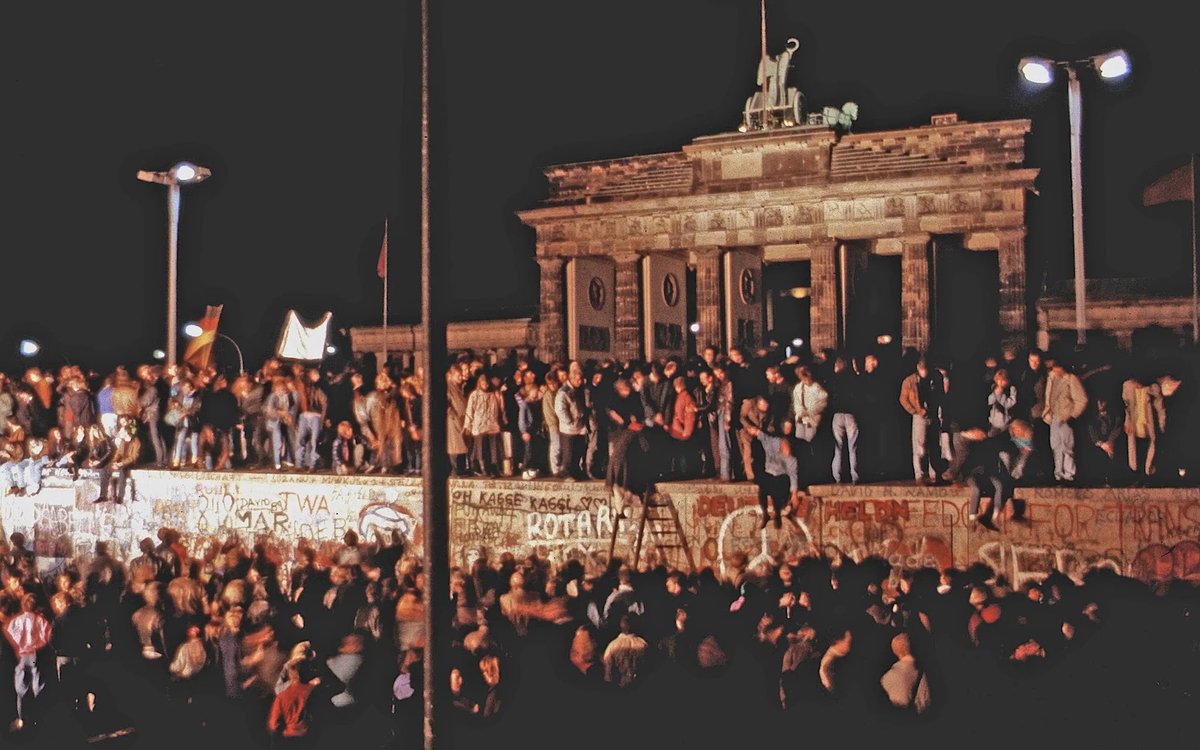
The concrete curtain fell over three decades ago, yet the spirit of the Berlin Wall continues to shape the city’s identity. Visiting Berlin today reveals not just remnants of its brutal past but a powerful testament to human resilience, artistic expression, and a nation’s ongoing reconciliation with division. Understanding what remains of the Berlin Wall today offers a profound journey through history, far beyond mere sightseeing.
At a glance
- Discover authentic sections: Learn where to find the most significant preserved segments, from vibrant art galleries to solemn memorials.
- Grasp the scale of division: Understand how the Wall’s complex security system functioned and its impact on daily life.
- Navigate with purpose: Get practical tips for tracing the Wall’s historic route and clustering your visit efficiently.
- Connect with personal stories: Explore sites that highlight the human cost and courageous escape attempts.
- Experience modern Berlin: See how the reunited city has integrated its past into its vibrant present.
- Plan your visit: Arm yourself with actionable advice for making the most of your time exploring the Wall’s legacy.
The Concrete Scar: A Brief History of Division
From the night of August 12-13, 1961, until its dramatic fall on November 9, 1989, the Berlin Wall stood as the starkest symbol of the Cold War and a divided Europe. Erected by the German Democratic Republic (GDR), or East Germany, its primary aim was to stem the tide of its citizens fleeing to West Germany, effectively asserting control over its population. West Berliners called it the “Wall of Shame,” while the GDR branded it an “Anti-Fascist Protection Rampart.”
This wasn’t just a simple barrier; it was a sophisticated, highly fortified military system that stretched over 155 kilometers (96 miles), completely encircling West Berlin. At its most impenetrable, it featured two parallel concrete walls roughly 12 feet high, hundreds of guard towers, patrols with dogs, alarm systems, anti-vehicle trenches, and the infamous “death strip”—a barren, heavily monitored no-man’s-land where escape attempts often ended tragically. It reshaped daily life, severing streets, isolating neighborhoods, and heartbreakingly separating families for over 28 years. Today, while much of it is gone, its legacy is etched into Berlin’s landscape and consciousness.
The Visible Legacy: Preserved Segments and Memorials
While the majority of the original structure was dismantled, several key sites ensure that the memory and physical presence of the Berlin Wall endure. These locations offer unique perspectives on its construction, impact, and eventual fall.
The East Side Gallery: An Open-Air Canvas of Freedom
Stretching 1.3 kilometers (0.8 miles) along the Spree River, the East Side Gallery stands as the largest remaining section of the Berlin Wall. This isn’t just a relic; it’s a vibrant, open-air art gallery featuring over 100 murals by international artists painted in 1990, immediately after the Wall’s fall. Each mural tells a story of hope, political change, or a poignant memory of the division.
For instance, Dimitri Vrubel’s iconic “My God, Help Me to Survive This Deadly Love,” depicting the fraternal kiss between Soviet leader Leonid Brezhnev and East German President Erich Honecker, remains a powerful visual statement. Walking its length offers a stark contrast between the Wall’s original purpose and its current role as a monument to freedom and artistic expression. It’s a dynamic site where the past informs a living, evolving present.
Bernauer Strasse: The Berlin Wall Memorial – A Deep Dive into Division
For a truly immersive and sobering experience, the Berlin Wall Memorial on Bernauer Strasse is unparalleled. This site meticulously preserves original wall segments, a reconstructed guard tower, and a chilling stretch of the “death strip,” offering an authentic glimpse into the Wall’s formidable defenses. The memorial is more than just preserved concrete; it’s an educational complex.
Here, you’ll find a documentation center with powerful exhibitions detailing the Wall’s construction, its impact on local residents, and the desperate, often tragic, escape attempts made by those seeking freedom. A particularly moving feature is the Window of Remembrance, commemorating the unknown number of people who lost their lives trying to cross. The site also includes the Chapel of Reconciliation, built on the former site of a church destroyed during the Wall’s construction, symbolizing healing and remembrance. It’s a place that forces reflection, making the abstract concept of division deeply personal.
Checkpoint Charlie: Echoes of the Cold War Frontier
Once the most famous border crossing between East and West Berlin, Checkpoint Charlie is now a site of historical reenactment and museum exploration. While the original guardhouse is long gone (now in the Allied Museum), a replica stands today, complete with actors posing as guards, providing a visual nod to its past. This checkpoint was a flashpoint for Cold War tensions, notably the 1961 tank standoff between U.S. and Soviet forces.
Nearby museums, like the Mauermuseum – Checkpoint Charlie, recount daring escape stories using hot air balloons, converted vehicles, and even surfboards. They present a vivid picture of ingenuity and courage against overwhelming odds. Visiting Checkpoint Charlie today serves as a reminder of the ideological battlegrounds of the Cold War, and the extraordinary human efforts to overcome political barriers.
Potsdamer Platz: From Death Strip to Modern Metropolis
Potsdamer Platz once lay in ruins after World War II, then became a desolate, heavily monitored section of the death strip, effectively a vast wasteland between East and West. Today, it’s a bustling, ultra-modern commercial hub, a testament to Berlin’s incredible transformation. The contrast is profound: where watchtowers once stood, gleaming skyscrapers now dominate the skyline.
While most physical remnants are gone, you’ll find historical markers embedded in the pavement outlining the Wall’s original route and small, symbolic fragments of the Wall interspersed within the plaza. These subtle markers prompt visitors to reflect on the dramatic shift from a desolate, divided space to a vibrant symbol of German reunification and prosperity. It’s a powerful example of how a city actively reclaims its past.
Tracing the Phantom Line: How to Navigate the Wall’s Route
Experiencing the Berlin Wall today isn’t just about visiting static sites; it’s about understanding its pervasive presence across the urban landscape. A comprehensive Berlin Wall historic route map is your best companion for this journey, guiding you through visible remnants and invisible histories.
Footpaths and Cycling Routes: Walking the Former Divide
The official Berlin Wall Trail (Berliner Mauerweg) offers an extraordinary way to trace the entire 160-kilometer (100-mile) former border. While you might not tackle the whole route, designated sections are perfect for walking or cycling. These paths are clearly marked, often following the exact line where the Wall once stood, embedded with information panels that provide historical context for specific locations.
For example, cycling along the former Wall route near the East Side Gallery or in areas like Mauerpark (which used to be part of the death strip) allows you to feel the vastness of the former barrier and appreciate how nature and urban life have reclaimed the space. It’s an active way to absorb the scale of the division.
Strategic Sightseeing: Clustering Your Visit for Impact
Berlin’s excellent public transport system (U-Bahn, S-Bahn, buses, and trams) makes navigating Wall sites remarkably easy. Instead of crisscrossing the city, group nearby attractions to optimize your time and minimize travel fatigue.
- East Side Gallery & Oberbaumbrücke: These are naturally clustered. You can walk the gallery, then admire the iconic bridge which was a border crossing, and reflect on the Spree River’s role in escapes.
- Berlin Wall Memorial (Bernauer Strasse): Dedicate ample time here. The documentation center, memorial park, and observation tower require at least 2-3 hours for a thorough visit. It’s well-connected by tram and U-Bahn.
- Checkpoint Charlie & Museums: These are tightly packed. After seeing the replica guardhouse, you can explore one or more of the several museums in the vicinity that delve into escape stories and Cold War history.
By clustering, you create a narrative flow to your visit, making the history feel more connected and impactful rather than disjointed.
The Power of Perspective: Guided Tours and Digital Tools
While self-guided exploration is rewarding, a guided tour can unlock deeper historical layers. Expert guides often share personal anecdotes, point out subtle historical details, and trace specific escape routes that might be missed otherwise. These tours provide invaluable context, connecting the preserved sites to the human stories behind them.
For those preferring self-direction, digital maps and dedicated Berlin Wall apps are indispensable. Apps often include GPS navigation that highlights the Wall’s exact former path, overlays historical photos onto current views, and offers audio commentary for specific points of interest. This digital layer enriches your visit, turning your smartphone into a portable historian.
Beyond the Concrete: The Enduring Cultural and Emotional Impact
The legacy of the Berlin Wall extends far beyond its physical remnants. It continues to influence Berlin’s identity, urban planning, and the collective memory of its citizens.
Stories of Escape and Loss: Remembering the Victims
The human cost of the Berlin Wall was immense. While exact figures vary, an estimated 140 people died attempting to cross the Wall in Berlin alone, victims of gunfire, landmines, or drowning. Countless others faced imprisonment, interrogation, and psychological trauma. The preserved sites, particularly the Berlin Wall Memorial, are powerful reminders of these personal tragedies.
Memorial plaques often mark the spots where individuals lost their lives, offering a poignant connection to their desperate struggle for freedom. These stories—of tunnels dug, hot air balloons flown, and cars modified—speak volumes about human ingenuity and courage in the face of oppression. Remembering these victims is a critical part of understanding what the Berlin Wall meant, and still means, to those who lived through it.
The Wall in Memory and Identity: A City Reunited, Not Forgotten
Decades after reunification, Berlin continues to grapple with its divided past. The Wall is not just a historical artifact; it’s woven into the city’s fabric and identity. You’ll hear terms like “Ossis” (East Germans) and “Wessis” (West Germans) still used, albeit often humorously, highlighting lingering cultural differences.
The constant effort to preserve and interpret the Wall’s history reflects a collective commitment to remembrance and education. Berlin has chosen not to erase its difficult past but to integrate it, using the scars of division to foster understanding and advocate for freedom worldwide. This ongoing dialogue ensures that the lessons learned from the Berlin Wall remain relevant for future generations.
Your Practical Playbook for Experiencing the Berlin Wall Today
Navigating the Berlin Wall’s remnants can be an emotional and educational experience. Here’s how to maximize your visit and ensure you gain a comprehensive understanding.
Planning Your Route: A Strategic Approach
- Prioritize Key Sites: If time is limited, focus on the East Side Gallery for art and culture, the Berlin Wall Memorial for historical depth and authenticity, and Checkpoint Charlie for Cold War intrigue.
- Cluster Attractions: Use Berlin’s public transport to group sites. For example, combine a visit to the Reichstag (German Parliament) with nearby Brandenburg Gate and fragments of the Wall along Ebertstraße.
- Consider a Wall Trail Segment: For a more active exploration, pick a section of the Berlin Wall Trail. The path near Nordbahnhof (for the Memorial) or along the Spree (for the East Side Gallery) offers a good mix of historical markers and scenic views.
Deepening Your Understanding: Beyond the Photo Op
- Visit Documentation Centers: Sites like the one at Bernauer Strasse provide invaluable context through photos, videos, and personal accounts. Don’t just look at the concrete; understand the stories behind it.
- Engage with Personal Narratives: Seek out guided tours that emphasize individual experiences of living with the Wall and attempting escapes. Hearing these stories makes the history much more vivid and relatable.
- Read Up Before You Go: A little background reading on the geopolitical context of the Cold War and the specific events leading to the Wall’s erection and fall will significantly enhance your visit.
Respecting the Past: Ethical Tourism
The Berlin Wall sites are not just tourist attractions; they are solemn memorials to division, struggle, and loss of life.
- Be Mindful: Treat the sites with respect. Avoid disrespectful behavior, especially at memorial areas.
- Support Local Efforts: Consider visiting the smaller, independent museums around Checkpoint Charlie or contributing to organizations dedicated to preserving the Wall’s history. These efforts ensure the stories continue to be told accurately.
Quick Answers: Demystifying the Berlin Wall Today
How much of the Berlin Wall is still standing?
While most of the Berlin Wall was dismantled, significant sections remain. The largest continuous stretch is the 1.3-kilometer East Side Gallery. Other key preserved segments are found at the Berlin Wall Memorial on Bernauer Strasse and smaller, scattered fragments throughout the city, often marked by historical plaques.
Can I still see the Death Strip today?
Yes, particularly at the Berlin Wall Memorial on Bernauer Strasse. This site offers an authentic recreation and preservation of the former “death strip,” including watchtowers and the barren no-man’s-land between the two walls, giving visitors a chilling sense of its original form and scale.
What’s the most impactful place to visit?
For a deep, authentic, and emotionally resonant experience, the Berlin Wall Memorial on Bernauer Strasse is widely considered the most impactful site. It provides the most comprehensive historical context, preserved original features, and a powerful focus on human stories of division and escape.
Is visiting the Wall free?
Visiting the outdoor sections of the Berlin Wall, such as the East Side Gallery and the memorial grounds at Bernauer Strasse, is completely free. Some associated museums, like the Documentation Center at Bernauer Strasse, also offer free entry. However, private museums, such as those around Checkpoint Charlie, typically charge an admission fee.
Remembering and Reconciling
Exploring the Berlin Wall today is a deeply personal journey through history. It’s an opportunity to bear witness to the profound human impact of political division and to celebrate the spirit of unity and freedom that ultimately prevailed. As you walk the former divide, you’ll find that Berlin doesn’t just remember its Wall; it actively uses its memory to educate, inspire, and foster a hopeful future. The concrete may be mostly gone, but its lessons resonate more strongly than ever.










