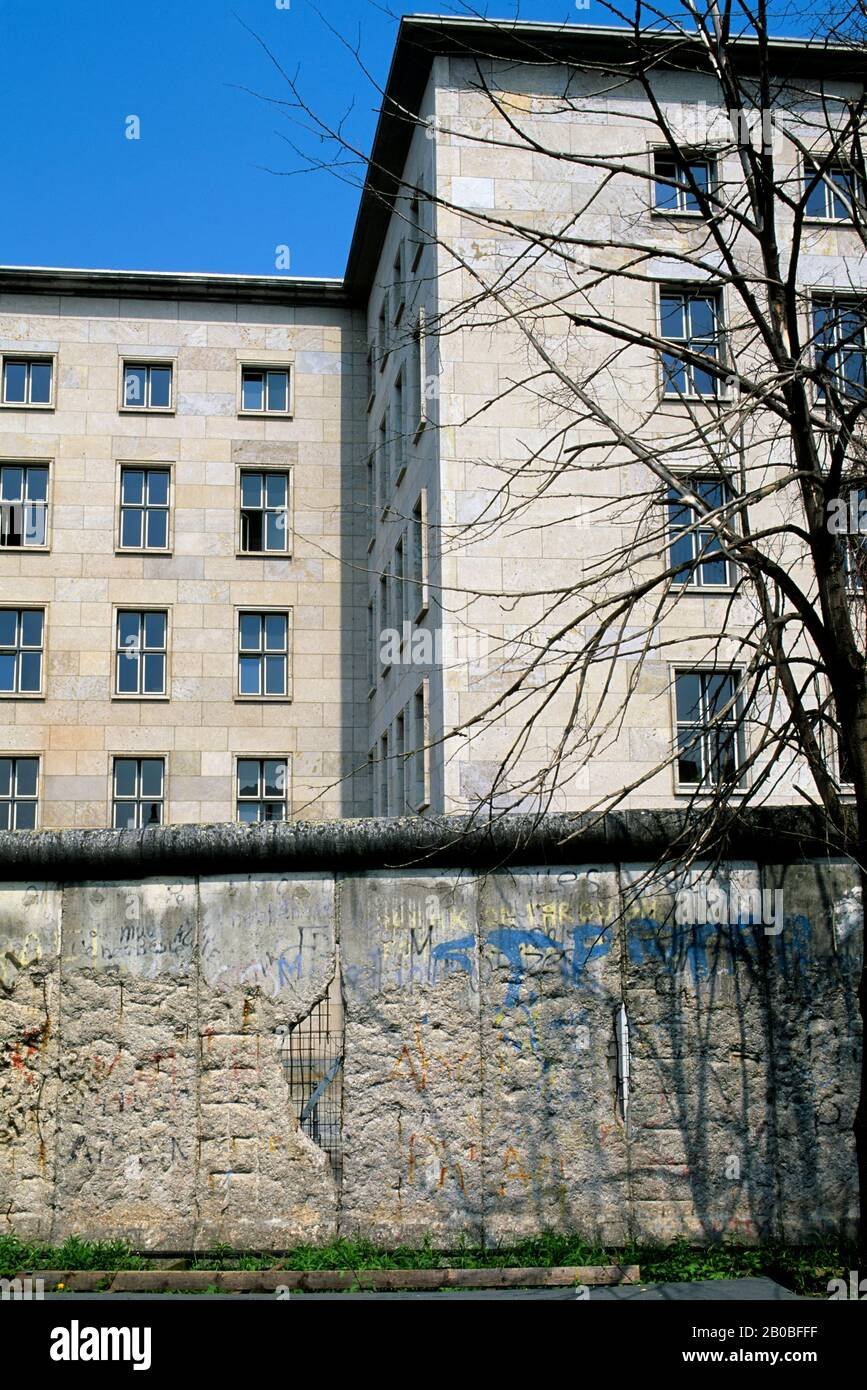
The Berlin Wall isn’t just a chapter in a history book; its physical presence, known as berlin wall remains, still profoundly shapes the modern city. While largely dismantled, scattered segments and poignant memorial sites offer a tangible connection to a divided past, serving as silent witnesses to a complex era of political division, human resilience, and dramatic escapes. Navigating these remnants isn’t just about seeing concrete; it’s about understanding the invisible lines that once cut through lives and landscapes.
At a Glance: Experiencing Berlin Wall Remains
- Diverse Traces: Learn to distinguish between original fortified segments, artistic reinterpretations, and subtle historical markers.
- Key Sites to Prioritize: Focus your exploration on the East Side Gallery, Berlin Wall Memorial at Bernauer Strasse, and the historical context around Checkpoint Charlie.
- Beyond the Concrete: Understand the “death strip,” watchtowers, and the psychological impact that defined the Wall’s presence.
- Navigational Pointers: Discover how maps and local knowledge are crucial for connecting the dots between fragmented historical points.
- Interpretive Lens: Gain insight into the human stories of division, escape, and reunification that echo through these sites.
- Practical Engagement: Equip yourself with strategies to explore authentically and avoid purely commercialized experiences.
More Than Just a Barrier: Unpacking the Wall’s Legacy
Erected with shocking speed on August 13, 1961, the Berlin Wall was far more than a simple barrier. It was a sophisticated military system stretching 96 miles, designed by East Germany (GDR) to stem a mass exodus of its citizens to West Berlin and the Federal Republic of Germany. This “Anti-Fascist Protection Rampart,” as the GDR called it, became the most potent symbol of the Cold War, cutting streets, isolating neighborhoods, and separating families without warning.
Its fortified structure evolved over 28 years into a deadly system comprising two parallel concrete walls, a “death strip” littered with obstacles, watchtowers, floodlights, and armed guards. Over 300 watchtowers and thousands of guards policed this boundary, making escape attempts perilous. While the Wall fell dramatically on November 9, 1989, its dissolution didn’t erase its physical and ideological scars. Today, understanding these berlin wall remains requires a grasp of this initial, brutal reality and its enduring impact.
Decoding Berlin’s Scars: Where to Find the Wall Remains
While much of the Wall was quickly removed after 1989, significant berlin wall remains have been preserved or marked, offering diverse perspectives on its history. Each site provides a unique lens through which to view the Cold War era.
The Living Canvas: East Side Gallery
The East Side Gallery is arguably the most famous and visually striking segment of the Wall. This 1.3-kilometer stretch of the former inner wall, running along the Spree River in Friedrichshain, is the longest continuous open-air gallery in the world. After the fall of the Wall, over 100 artists from 21 countries transformed it into a vibrant collection of murals, each reflecting the political changes of 1989 and 1990, as well as messages of peace, hope, and freedom.
Practical Insight: Don’t just walk past the art; actively look for specific iconic pieces like Dmitri Vrubel’s “My God, Help Me to Survive This Deadly Love” (the Brezhnev/Honecker kiss) or Birgit Kinder’s “Test the Best” (the Trabant breaking through the wall). Consider visiting early in the morning or later in the afternoon to avoid the densest crowds, allowing for a more reflective experience. Remember, this was once the inner wall, facing East Berlin, not the heavily guarded death strip. Its historical irony is profound: what was once a symbol of oppression now celebrates liberation through art.
The Authentic Remnant: Berlin Wall Memorial (Bernauer Strasse)
For a truly profound and authentic understanding of the Wall’s construction and impact, the Berlin Wall Memorial at Bernauer Strasse is indispensable. This site preserves an original section of the border fortifications, including a segment of the inner and outer wall, a watchtower, and a portion of the “death strip.” Unlike the East Side Gallery, this memorial prioritizes historical accuracy and remembrance.
Practical Insight: Start your visit at the Documentation Center, which offers an excellent overview of the Wall’s history, construction, and the fates of those affected. The viewing platform provides an unparalleled perspective over the preserved death strip, allowing you to visualize the former terror of the border. Pay close attention to the “Window of Remembrance,” honoring those who died trying to cross, and the Chapel of Reconciliation, built on the former site of a church demolished to make way for the Wall. Walking along the memorial, you’ll see markers indicating where tunnels were dug and where dramatic escapes from buildings occurred. This location vividly demonstrates the meticulous, deadly detail of the border system.
The Iconic Checkpoint: Checkpoint Charlie
Checkpoint Charlie, the most famous border crossing point between East and West Berlin, holds an almost mythical status. Today, it’s marked by a replica guardhouse, often flanked by actors dressed as Allied soldiers, and surrounded by various private museums and souvenir shops. While undeniably iconic, its current state blends historical significance with heavy commercialization.
Practical Insight: Approach Checkpoint Charlie with tempered expectations. The original guardhouse was removed, and much of what you see is reconstruction or interpretation. Focus on the historical information panels that explain its role as a key point of tension during the Cold War, where tanks once faced off. The nearby “Mauermuseum” (Wall Museum) offers an extensive, though sometimes overwhelming, collection of escape artifacts and stories. To ground your experience, consider exploring the nearby ‘BlackBox Cold War’ exhibition, which offers a more focused and historically rigorous account of the geopolitical context without the same level of commercial overlay.
Fragmented Memories: Potsdamer Platz and Beyond
Beyond these major sites, smaller, yet significant berlin wall remains are scattered across the city. Potsdamer Platz, once a desolate no-man’s land directly adjacent to the Wall, is now a bustling modern square. Here, you can find subtle markers on the ground indicating the Wall’s former path, along with a few preserved segments.
Practical Insight: At Potsdamer Platz, look for the metal strip embedded in the pavement that traces the Wall’s former course. A few original concrete segments stand near the entrance to the S-Bahn station and at the Leipziger Platz side, often accompanied by informational plaques. These fragments highlight the stark contrast between the area’s desolate past and its vibrant present. Elsewhere, you might stumble upon segments on Mühlenstrasse, near Friedrichstrasse Station (a former border crossing now home to the “Palace of Tears” museum detailing the emotional goodbyes at the border), or even further afield at the Glienicke Bridge, famously dubbed the “Bridge of Spies” for its role in prisoner exchanges. The 160-kilometer Berlin Wall Trail (Mauerweg) also clearly marks the Wall’s course, often with informative pillars.
Navigating the Past: Your Practical Playbook for Experiencing Berlin Wall Remains
Experiencing the berlin wall remains effectively requires more than just showing up. It demands a strategic approach to understand the fragmented history woven into the fabric of modern Berlin.
Planning Your Route for Maximum Impact
Berlin is vast, and its historical sites are spread out. Simply knowing where the berlin wall remains are located isn’t enough; you need a plan to connect them efficiently and meaningfully. A well-thought-out itinerary allows you to transition seamlessly between different aspects of the Wall’s history, from its brutal reality to its artistic legacy.
Tip: Group nearby sites. For instance, combine a visit to the Reichstag Building and Brandenburg Gate with the Wall’s former course near the Bundestag, then head towards the Holocaust Memorial. For a comprehensive overview of the Wall’s presence and how to navigate between its key remnants, it’s invaluable to consult a specialized guide. To truly understand the full scope of the Wall’s impact and efficiently plan your journey through its scattered remnants, I recommend you Explore Berlin Wall’s historic route with a dedicated map. This will help you visualize the former border and connect the dots between the distinct sites, from the East Side Gallery to the subtle ground markers.
What to Look For (and How to See It)
The concrete itself tells only part of the story. To truly grasp the Wall, you need to develop an “interpretive eye” for its various components and implications:
- The “Death Strip”: At Bernauer Strasse, observe the barren ground between the two walls. Imagine the anti-vehicle trenches, tripwires, and patrol paths that once made this area lethal. It wasn’t empty space; it was a killing zone.
- Watchtowers: Pay attention to the surviving watchtowers (like those at Bernauer Strasse or near the East Side Gallery). Consider the isolation of the guards, their vantage point, and the constant surveillance they provided.
- Architectural Scars: Notice how streets, squares, and even buildings were cut in half. Areas like Potsdamer Platz illustrate this stark division best – a once vibrant square reduced to a desolate borderland, now booming again.
- Material Differences: Sometimes, you can discern different phases of Wall construction by the concrete types or reinforcement. The later, smoother concrete sections with rounded tops were designed to make climbing almost impossible.
The Power of Story: Engaging with the Human Element
The Wall’s history is fundamentally a human one. Focusing on personal narratives brings the cold concrete to life.
- Escape Attempts: Research specific escape stories before you visit. Knowing about Tunnel 57 (near Bernauer Strasse) or the homemade hot air balloon escape can transform your perception of the sites. These acts of desperation and ingenuity highlight the human cost and resilience in the face of oppression.
- Separated Families: Understand the sudden, brutal separation of families, friends, and communities. The “Palace of Tears” at Friedrichstrasse Station offers a poignant look at these emotional goodbyes.
- Resistance and Memory: Engage with the narratives of those who resisted, those who remembered, and those who continue to work to preserve this history. The documentation at Bernauer Strasse is particularly effective in this regard, offering video interviews and personal accounts.
Avoiding “Tourist Traps” for an Authentic Experience
Berlin is adept at presenting its history, but some areas, like parts of Checkpoint Charlie, can lean heavily into commercialization.
- Prioritize Authenticity: Dedicate significant time to the Berlin Wall Memorial at Bernauer Strasse. It’s an official German government memorial designed for education and remembrance, offering a less commercialized, more historically grounded experience.
- Question Replicas: Understand that many elements, like the guardhouse at Checkpoint Charlie, are replicas. They serve as visual aids but aren’t original artifacts. Seek out original segments and structures wherever possible.
- Seek Depth Over Novelty: While interesting, unique artifacts in private museums might distract from the broader historical context. Focus on official memorial sites first, then delve into specific details if time permits.
- Use Official Information: Rely on the information provided by official memorial sites and well-regarded historical organizations. This ensures accuracy and helps in contextualizing what you see.
Quick Answers: Unpacking Common Questions About the Wall Remains
Are the segments I see everywhere “real” wall?
Not all berlin wall remains you encounter are original. Many smaller fragments sold as souvenirs or displayed in public spaces are often replicas or smaller, less significant pieces. The most substantial and authenticated original segments are found at the East Side Gallery, the Berlin Wall Memorial at Bernauer Strasse, and some scattered points marked by official plaques. Always check for context and official signage.
What’s the “death strip” and can I see it?
The “death strip” was the heavily guarded, barren area between the inner and outer walls, designed to prevent escape. It was littered with obstacles, sand to show footprints, and covered by a clear field of fire from watchtowers. Yes, you can see a remarkably well-preserved section of the death strip at the Berlin Wall Memorial on Bernauer Strasse, complete with original watchtowers and the foundations of other border elements. This is the best place to truly understand its menacing reality.
How much of the Wall actually remains?
After its fall, most of the Wall was quickly demolished. Only about 1.5 miles (2.4 kilometers) of the original wall remains in place today, primarily concentrated at the East Side Gallery (1.3 km) and the Berlin Wall Memorial (about 0.2 km). Beyond these, there are numerous smaller fragments, commemorative markers, and the “Mauerweg” (Wall Trail) that traces its entire 96-mile course.
Is it safe to explore these areas alone?
Yes, all official memorial sites and publicly accessible berlin wall remains are safe to explore alone. Berlin is a very safe city. However, like any major urban area, it’s wise to be aware of your surroundings, especially in crowded tourist areas or when using public transport.
What’s the best way to understand the human stories?
To grasp the human element, prioritize sites like the Berlin Wall Memorial at Bernauer Strasse, which integrates personal stories, video testimonies, and historical documentation. The “Palace of Tears” at Friedrichstrasse Station focuses specifically on the emotional impact of border crossings. Reading accounts of escape attempts and survivor testimonies before or during your visit can also profoundly enrich your understanding.
Embracing the Echoes: Your Next Steps to Discovering History
The berlin wall remains are more than just historical artifacts; they are powerful teaching tools, remnants of a complex past that continue to inform Berlin’s identity. To fully appreciate their significance, approach them not just as a tourist attraction but as a series of poignant historical sites requiring reflection and thoughtful engagement. Start by focusing on the authentic core experiences at Bernauer Strasse and the East Side Gallery. Allow yourself to absorb the stark contrasts between past and present, and the stories of resilience that permeate these spaces. By doing so, you won’t just see the Wall; you’ll feel its lingering echo, a testament to freedom hard-won.










