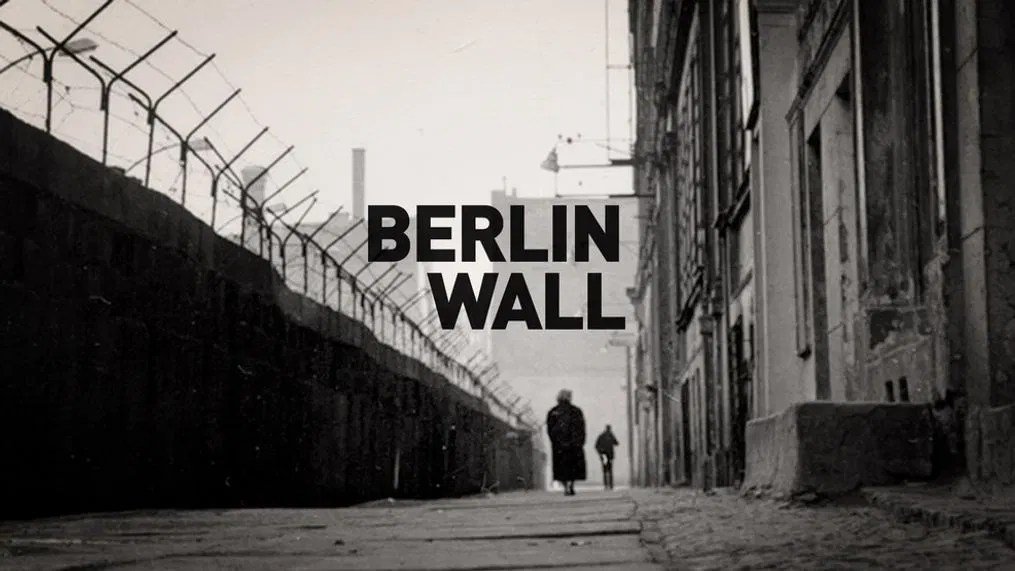
While the physical barriers that once tore Berlin in two are largely gone, the city today is a living museum, subtly etched with the memory of its division. Exploring Berlin Wall nowadays isn’t just about finding concrete remnants; it’s about discerning the lasting imprints on the urban fabric, the collective memory, and the very soul of the metropolis. Far from being a relic, the Wall continues to shape Berlin’s identity, offering powerful lessons in freedom, resilience, and reunification.
At a Glance: Navigating Berlin’s Divided Past in the Present
- Discover the “Invisible Wall”: Learn to recognize how the Wall’s route still influences street layouts, green spaces, and even neighborhood characteristics.
- Prioritize Authentic Remnants: Understand which preserved sections offer the most impactful historical insights and what distinguishes them.
- Engage with Art and Memory: Experience how art (East Side Gallery) and solemn memorials (Bernauer Strasse) tell the human stories of division and defiance.
- Beyond the Landmarks: Find smaller, often overlooked markers that trace the Wall’s exact path and commemorate escape attempts.
- Leverage Modern Tools: Utilize maps and public transport effectively to connect the scattered pieces of history into a coherent narrative.
- Grasp the Ongoing Legacy: Reflect on how reunification continues to unfold, revealing subtle economic, social, and cultural distinctions that persist.
The Invisible Map: How the Wall Still Shapes Berlin’s Urban Design
Many visitors expect to see a continuous line of concrete, but the reality of the Berlin Wall nowadays is far more nuanced. While most of the original barrier was swiftly dismantled after November 9, 1989, its ghost lingers in the city’s very blueprint. The infamous “death strip,” once a barren, heavily guarded expanse, now manifests as open spaces, parks, or new development zones that often feel distinctly different from older areas.
Consider the stark architectural contrasts you might observe: pre-war buildings in the former West Berlin often give way to modernist constructions from the GDR era in the East, a visible reminder of differing ideologies in urban planning. Roads that once led nowhere, abruptly cut off by the Wall, now function as throughways, yet the alignment of residential blocks or even the placement of trees can still hint at the former divide. It’s an urban scar, largely healed, but one whose contours remain visible if you know how to read the landscape.
Where Concrete Meets Conscience: Experiencing Preserved Wall Sections
To truly grasp the physical presence and profound impact of the Berlin Wall, engaging with its surviving segments is essential. These aren’t just inert relics; they are canvases for art, sites for solemn remembrance, and powerful educational tools.
The East Side Gallery: A Canvas of Freedom and Defiance
Stretching 1.3 kilometers along the Spree River in Friedrichshain, the East Side Gallery stands as the longest remaining section of the Berlin Wall. This isn’t just concrete; it’s an open-air art gallery featuring over 100 murals painted by artists from around the world in 1990, immediately after the Wall fell. Each mural expresses messages of peace, hope, and political commentary on the dramatic changes of the late 20th century.
- What to Look For: Beyond appreciating the vibrant artwork (some of which are iconic, like Dmitri Vrubel’s “My God, Help Me to Survive This Deadly Love”), take a moment to touch the concrete itself. Notice its rough texture and the sheer scale, which once formed the inner, East German side of the Wall system. The river on the other side was part of the border zone, making escape attempts across it particularly perilous.
- Practical Tip: Visit in the morning to avoid crowds and get better photos. Allow at least an hour to truly wander and absorb the art and atmosphere.
Berlin Wall Memorial (Bernauer Strasse): A Somber, Authentic Encounter
For a deeply immersive and historically accurate experience, the Berlin Wall Memorial on Bernauer Strasse is unparalleled. This site meticulously preserves a section of the original Wall, complete with the “death strip,” an original guard tower, and reconstructed border fortifications. It offers the most comprehensive insight into the brutal reality of the border system.
- Key Features:
- The Memorial: A steel monument featuring images of those who died attempting to cross the Wall.
- Documentation Center: Provides invaluable context through exhibitions, survivor testimonies, and historical photographs. Climb to the viewing platform for an aerial perspective of the preserved Wall segment.
- Chapel of Reconciliation: Built on the site of a church controversially demolished by the GDR, symbolizing spiritual healing.
- Window of Remembrance: Commemorates specific victims by name and photo.
- Case Snippet: Standing by the preserved wall segment, you can see the houses on the West Berlin side that once faced directly onto the “death strip.” Early on, people would jump from these buildings into West Berlin, sometimes to their deaths. The memorial details these desperate acts, making the human cost of division incredibly tangible.
- Practical Tip: Dedicate at least 2-3 hours here. Start at the Documentation Center to gain context, then explore the outdoor memorial. This site is crucial for understanding the human stories behind the concrete.
Checkpoint Charlie: An Icon of Cold War Tensions
Once the most famous crossing point between East and West Berlin for foreigners and Allied personnel, Checkpoint Charlie remains a pivotal stop for visitors exploring the Berlin Wall nowadays. While largely commercialized, its historical significance as a Cold War flashpoint is undeniable.
- What You’ll Find: A replica guardhouse, actors dressed as Allied soldiers, and numerous souvenir stalls. Nearby, the Checkpoint Charlie Museum (Mauermuseum) offers extensive exhibitions on escape attempts and Cold War history.
- Symbolic Weight: This was where US and Soviet tanks famously faced off in 1961, bringing the world to the brink of nuclear conflict. It represents the sharpest edge of the Iron Curtain.
- Practical Tip: Manage expectations regarding authenticity; the replica guardhouse is purely for tourism. Focus instead on the historical photographs and nearby museum exhibits to grasp the site’s true importance.
Beyond the Concrete: Markers, Trails, and Memorial Landscapes
The Berlin Wall’s presence extends far beyond its preserved segments. The city has woven its history into its landscape, allowing for discovery even in seemingly ordinary places.
The Berlin Wall Trail (Mauerweg): Following the Former Border
For those who wish to trace the full historical line, the Berlin Wall Trail (Mauerweg) is an invaluable resource. This 160-kilometer (approximately 100 miles) path for cyclists and pedestrians follows the exact course of the former border fortifications that encircled West Berlin. It’s an excellent way to grasp the sheer scale of the division.
- What to See Along the Way: The Mauerweg is punctuated by informational plaques, smaller memorial stones, and sometimes subtle changes in the environment (e.g., specific types of paving stones, variations in flora indicating former cleared zones). It connects many of the major memorial sites, often running through quiet residential areas or peaceful green corridors that once formed the restricted border zone.
- Planning Your Journey: While undertaking the entire trail is a multi-day commitment, even walking or cycling shorter sections offers profound insight. For instance, the section connecting the Reichstag, Brandenburg Gate, and the Memorial to the Murdered Jews of Europe often traces the former Wall line with a double row of cobblestones embedded in the street.
- For detailed guidance on navigating this historic path and finding all the key locations, you’ll find an indispensable resource in a dedicated guide to the city’s historic divide. Explore the Berlin Wall route.
Potsdamer Platz: From No Man’s Land to Modern Metropolis
Once a bustling square before WWII, Potsdamer Platz became a desolate “no man’s land” directly adjacent to the Wall after 1961. Today, it’s a gleaming testament to Berlin’s reunification, reborn as a futuristic hub of offices, shopping centers, and entertainment venues.
- Finding the Traces: Amidst the glass and steel, you’ll find small, preserved sections of the Wall (often just a few meters long) and informational panels explaining its grim past. A prominent marker indicates where the Wall once ran, showcasing the dramatic transformation of the area.
- Understanding the Contrast: The sheer vibrancy of Potsdamer Platz highlights how drastically the former border zones have been reclaimed and reimagined, offering a powerful visual contrast between division and dynamism.
The “Mauerpark” and Beyond: Repurposed Spaces
Many areas that were once part of the “death strip” have been transformed into beloved public spaces. Mauerpark (Wall Park), for instance, was once a border patrol road and cleared zone. Today, it’s famous for its Sunday flea market, open-air karaoke, and vibrant street art. While the atmosphere is light-hearted, the park’s name and location are constant reminders of its past.
Similarly, other former border areas have been redeveloped into parks, residential zones, or even new transport infrastructure. These spaces, often marked by plaques or subtle design cues, illustrate how Berlin continues to integrate its divided history into its ongoing evolution.
Navigating the Past: Your Practical Playbook for Discovery
Experiencing the Berlin Wall nowadays requires a bit of planning to connect the dots effectively. Think of it as piecing together a vast, open-air historical puzzle.
1. Prioritize Your Interest Areas
Not every visitor needs to see every fragment. Decide what aspects of the Berlin Wall story resonate most with you:
- Art and Expression: Focus on the East Side Gallery.
- Authentic History and Human Stories: Dedicate significant time to the Berlin Wall Memorial on Bernauer Strasse.
- Cold War Geopolitics: Visit Checkpoint Charlie and the surrounding museums.
- Urban Transformation: Explore Potsdamer Platz and walk sections of the Mauerweg.
2. Master Berlin’s Public Transport
Berlin has an excellent U-Bahn (subway), S-Bahn (urban rail), tram, and bus network.
- Efficiency: Use apps like Google Maps or Berlin’s BVG app to plan routes between sites. Many key Wall locations are near public transport stops.
- Tickets: Consider a day pass (Tageskarte) or a multi-day pass (Welcome Card/CityTourCard) for unlimited travel.
3. Consider Guided Tours
While self-exploration is rewarding, a good guided tour can provide invaluable context, personal anecdotes, and a deeper understanding that goes beyond plaques.
- Expert Insight: Guides can point out subtle markers you might miss and share stories of escape attempts or daily life under division.
- Varied Focus: Look for tours specializing in Cold War history, escape routes, or specific neighborhoods affected by the Wall.
4. Leverage Digital Berlin Wall Maps
Beyond general navigation apps, specific Berlin Wall maps (often available as apps or from tourist information centers) highlight the exact route of the Wall, showing all remaining segments, memorial plaques, and points of interest.
- Enhanced Context: These maps often overlay the historical Wall route onto modern street plans, vividly illustrating its impact.
- Offline Access: Download maps for offline use, especially if you’re venturing into less crowded areas of the Mauerweg.
5. Look Beyond the Obvious
The most profound experiences often come from recognizing the Wall’s impact in unexpected places.
- Street Art and Graffiti: In neighborhoods like Kreuzberg or Prenzlauer Berg, you might find modern street art referencing the Wall or Cold War era.
- Architectural Differences: Pay attention to building styles, urban planning, and infrastructure as you move between former East and West.
- Local Conversations: If you get a chance, talk to Berliners, especially older generations, about their memories of the Wall. Their personal stories are the most powerful testament to its legacy.
Quick Answers: Unpacking Common Questions about the Berlin Wall Today
Is the entire Berlin Wall still standing?
No, the vast majority of the Berlin Wall was dismantled quickly after its fall in 1989. Only specific, carefully preserved segments and memorials remain today. The fragments are powerful, but they don’t form a continuous barrier.
How much of the Wall can you actually see?
You can see significant portions at the East Side Gallery (1.3 km), the Berlin Wall Memorial at Bernauer Strasse (a long, authentic segment with a death strip), and smaller fragments scattered across the city, such as at Potsdamer Platz, Topography of Terror, and along sections of the Mauerweg.
Is it depressing to visit the Berlin Wall remnants?
It can be a somber and reflective experience, particularly at sites like the Bernauer Strasse Memorial, where the human cost of division is acutely felt. However, many visitors also find it incredibly inspiring, a testament to the human spirit’s resilience and the triumph of freedom and reunification. The East Side Gallery, with its art and messages of hope, often evokes a more optimistic feeling.
Are there still differences between East and West Berlin today?
While 30+ years of reunification have blurred many distinctions, subtle differences persist. These can be seen in architecture (e.g., GDR-era “Plattenbau” buildings in the East vs. older Wilhelminian styles in the West), infrastructure, and even voting patterns or economic disparities. Culturally, some older generations retain a distinct “Ostalgie” (nostalgia for the East), though this is less common among younger Berliners. These differences are diminishing but form part of the city’s complex identity.
What’s the best way to understand the Wall’s lasting impact beyond the physical fragments?
Beyond visiting the physical sites, reading personal accounts, watching documentaries, and talking to locals can provide profound insights. Observing the varying urban landscapes, noticing how former “death strip” areas have been redeveloped, and contemplating how new infrastructure connects previously severed neighborhoods all contribute to understanding its ongoing legacy. The historical context provided by the Berlin Wall Memorial’s documentation center is also crucial.
Beyond the Barrier: A City Still Telling Its Story
The Berlin Wall nowadays is more than just a historical artifact; it’s an active narrator in the story of a city that once stood at the epicenter of a divided world. By consciously seeking out its lingering marks – from the grand murals of the East Side Gallery to the subtle cobblestones of the Mauerweg, from the solemnity of Bernauer Strasse to the bustling modernity of Potsdamer Platz – you engage with a powerful, ongoing dialogue. This exploration isn’t merely about witnessing history; it’s about understanding how a city heals, remembers, and continuously reinvents itself, always carrying the profound lessons of its past. Take the time to truly see, listen, and feel, and you’ll find Berlin’s story of division and reunification etched not just in concrete, but in its very soul.










