
Untuk gambaran yang lebih besar dan konteks penuh, pastikan Anda membaca panduan utama kami tentang Early Forms of Credit: How Installment Plans Shaped American Buying.
markdown
Imagine purchasing a plot of land by promising to pay the landowner a portion of your harvest each year. This wasn’t some futuristic payment plan, but a common practice in Ancient Mesopotamia, revealing surprisingly sophisticated financial arrangements. Let’s explore how these early forms of credit shaped society and laid the groundwork for modern installment payments.
At a glance:
- Discover the sophisticated credit systems of Ancient Mesopotamia, predating modern finance.
- Uncover how farmers, merchants, and even rulers used debt for trade and survival.
- Understand the social implications of debt, including laws designed to protect debtors.
- Learn about the parallels between ancient credit practices and modern installment plans.
- Assess how these historical understandings can inform our perspective on contemporary debt.
Ancient Mesopotamia: A Cradle of Credit
While we often associate installment plans with the 19th and 20th centuries, the seeds were sown much earlier. Ancient Mesopotamia, encompassing modern-day Iraq and parts of surrounding countries, developed intricate systems of lending and borrowing as early as the 3rd millennium BCE. These systems weren’t just about survival; they were integral to trade, agriculture, and societal structure.
The Code of Hammurabi, dating back to around 1754 BCE, provides some of the earliest written laws regarding debt. These laws reveal a society grappling with the implications of credit, demonstrating that considerations like interest rates, loan terms, and debtor protection were already on their minds.
Cuneiform Contracts: The Paper Trail of Ancient Debt
How do we know all this? Thanks to the enduring nature of clay tablets, we have thousands of contracts inscribed in cuneiform script. These tablets detail various loan agreements, specifying the amount borrowed (usually grain or silver), the interest rate, the repayment schedule, and the collateral offered.
- Example: A farmer might borrow silver to buy seeds, promising to repay the loan with a portion of the harvest plus interest. The land itself could serve as collateral.
These contracts weren’t casual agreements; they were legally binding documents witnessed by scribes and often sealed for added security. The level of detail in these contracts indicates a well-established and regulated credit system.
Interest Rates and Loan Terms: Ancient Finance in Action

While the concept of interest is familiar to us today, its application in Ancient Mesopotamia offers insights into their economic thinking. Interest rates varied depending on the type of loan and the prevailing economic conditions. Grain loans, essential for agriculture, often carried lower interest rates than silver loans used for trade.
- Typical Rates: Interest rates on silver loans could range from 20% to 33% per year – significantly higher than modern rates, reflecting the greater risk involved.
Loan terms also differed. Some loans were short-term, intended to be repaid after a single harvest, while others extended over several years. Installment payments weren’t always explicitly outlined in the way we understand them today, but the concept of repayment over time with interest was undeniably present. Learn about early credit.
Protecting the Debtor: Hammurabi’s Code and Beyond
Ancient Mesopotamian law recognized the potential for debt to become oppressive. The Code of Hammurabi included provisions designed to protect debtors from exploitation.
- Debt Slavery Limits: While debt slavery was practiced, laws limited the duration of servitude, typically to three years. This prevented individuals from being trapped in perpetual debt.
- Crop Failure Protection: If a borrower’s crops failed due to natural disaster, the lender was obligated to forgive the debt or postpone repayment. This demonstrated a recognition of the inherent risks in agricultural lending.
- Collateral Restrictions: Some laws restricted the types of collateral that could be seized, preventing lenders from taking essential household items or tools necessary for survival.
These protections, while limited, highlight the ethical considerations surrounding debt in ancient society. They also reveal the understanding that unchecked usury could destabilize the community.
From Barley to Buy Now, Pay Later: Parallels to Modern Installment Plans
While separated by millennia, some intriguing parallels exist between ancient Mesopotamian credit practices and modern installment plans.
- Essential Goods on Credit: Just as ancient farmers relied on credit to acquire seeds and tools, modern consumers use installment plans to purchase essential items like appliances and vehicles.
- Repayment Over Time: Both systems involve repaying a loan in smaller, manageable increments over a set period, making larger purchases more accessible.
- Risk and Collateral: In both ancient and modern systems, lenders assess the borrower’s risk and may require collateral to secure the loan.
- The Potential for Debt Traps: Both systems carry the risk of individuals becoming over-indebted, highlighting the importance of responsible borrowing and lending practices.
However, key differences also exist. Modern installment plans are subject to complex regulations and consumer protection laws that didn’t exist in Ancient Mesopotamia. Furthermore, the scale and sophistication of modern financial markets far exceed anything imaginable in the ancient world.
The Social Implications of Debt: Then and Now
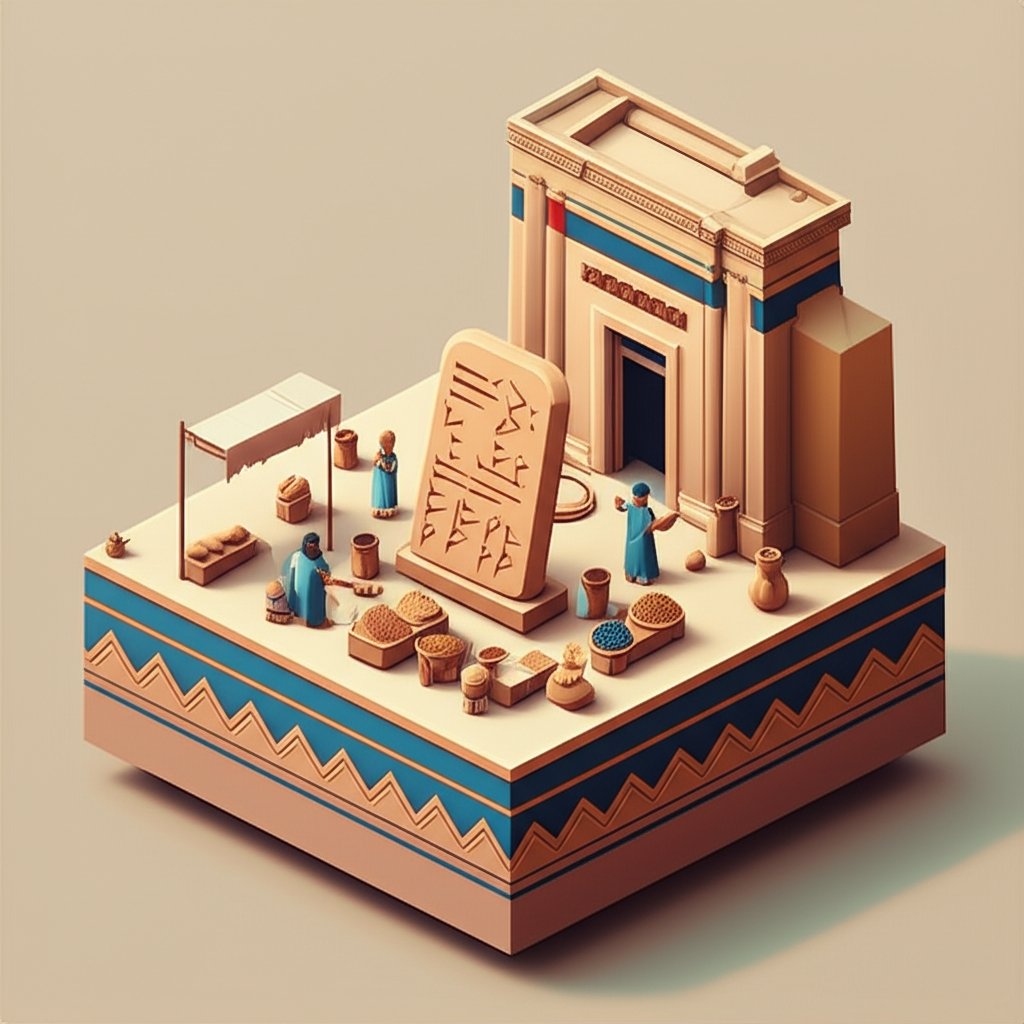
Debt in Ancient Mesopotamia, as it does today, had significant social implications. While credit facilitated trade and agricultural production, it also created hierarchies and dependencies.
- Wealth Concentration: Successful merchants and landowners could accumulate wealth by lending money and charging interest, further widening the gap between the rich and the poor.
- Social Stratification: Debt could reinforce existing social hierarchies, with those already marginalized being more vulnerable to debt bondage.
- Community Stability: Excessive debt could destabilize communities, leading to social unrest and economic hardship.
These social implications mirror some of the concerns surrounding debt in modern society. While credit can be a powerful tool for economic advancement, it can also exacerbate inequality and create financial instability if not managed responsibly.
Practical Playbook: Lessons from Ancient Mesopotamia for Modern Borrowers
What can we learn from the ancient Mesopotamian experience with credit? Here’s a practical playbook for modern borrowers:
- Understand the Terms: Just as ancient scribes meticulously documented loan agreements, carefully review the terms of any loan before signing. Pay attention to the interest rate, repayment schedule, and any fees or penalties.
- Assess Your Ability to Repay: Before taking on debt, honestly assess your ability to repay the loan based on your current income and expenses. Consider potential risks, such as job loss or unexpected expenses.
- Avoid Over-Indebtedness: Be mindful of your overall debt burden and avoid taking on more debt than you can comfortably manage. Resist the temptation to borrow beyond your means.
- Seek Help if Needed: If you’re struggling to manage your debt, seek help from a financial advisor or credit counseling agency. Many resources are available to assist you in developing a budget and managing your finances.
- Advocate for Responsible Lending: Support policies that promote responsible lending practices and protect borrowers from predatory lenders. Just as the Code of Hammurabi sought to protect debtors, advocate for modern regulations that ensure fairness and transparency in the credit market.
Quick Answers: FAQs on Ancient Mesopotamian Credit
- Did Ancient Mesopotamians have credit scores? No. Credit scoring as we know it didn’t exist. Lenders relied on personal relationships, reputation, and collateral to assess risk.
- Were there banks in Ancient Mesopotamia? Not in the modern sense. Temples and wealthy individuals often served as lenders, but there were no formal banking institutions.
- What happened if someone couldn’t repay a loan? Consequences varied depending on the terms of the loan and the laws of the time. Debt slavery, seizure of property, and social stigma were all possible outcomes.
- Was interest considered moral in Ancient Mesopotamia? Views on interest varied. Some considered it a necessary cost of borrowing, while others viewed it as exploitative. The Code of Hammurabi attempted to strike a balance between the rights of lenders and the protection of borrowers.
- How did ancient credit impact economic growth? Credit played a crucial role in facilitating trade, agriculture, and construction projects, contributing to the overall economic growth of Mesopotamian society.
Actionable Close
The story of Ancient Mesopotamia credit history is more than just an academic curiosity. It’s a reminder that the fundamental principles of credit and debt have been with us for millennia. By understanding the historical context of these practices, we can gain valuable insights into the challenges and opportunities we face in our modern financial world. Reflect on the lessons from the past and apply them to your own financial decisions. Strive for responsible borrowing, informed lending, and a balanced approach to credit that benefits both individuals and society as a whole.










