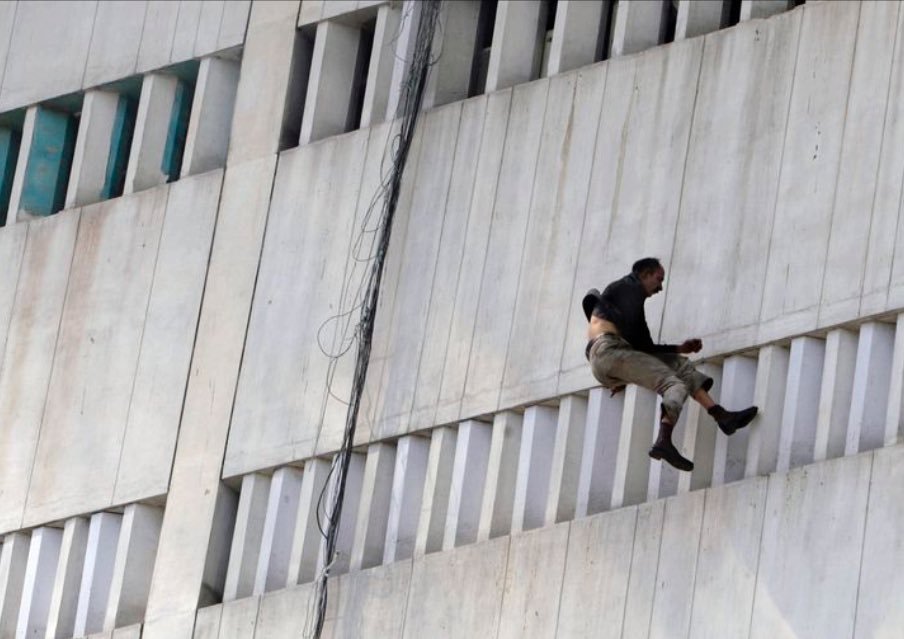
The indelible images of individuals falling from the Twin Towers on September 11, 2001, represent one of the most agonizing aspects of that horrific day. The term “9 11 jump” has become a shorthand for an act born not of free will, but of an unimaginable, instantaneous decision to escape a fiery, suffocating death. These individuals weren’t choosing to end their lives in the conventional sense; they were reacting to an immediate, unbearable threat, seeking any possible escape from an inferno.
At a Glance: Understanding the Impossible Choices of 9/11 Jumpers
- Context of Desperation: Grasp the dire, inescapable conditions inside the Twin Towers that led to these acts.
- Absence of Choice: Understand that “jumping” was not a considered decision but a reactive attempt to escape immediate incineration or suffocation.
- Humanity Over Judgment: Learn why empathy, not moral judgment, is crucial when confronting images and stories of the jumpers.
- The Power of Imagery: Recognize the profound, often controversial, impact of photographs depicting those who fell, like “The Falling Man.”
- Remembering All Victims: Appreciate that all who died on 9/11 were victims of terrorism, regardless of the manner of their death.
Trapped Above the Inferno: The Unthinkable Scenario
Imagine being trapped hundreds of feet above the ground, in a skyscraper that has just been struck by a jetliner. The initial impact would have been devastating, instantly severing escape routes, particularly stairwells. Smoke would have rapidly filled the upper floors, thick and acrid, making breathing impossible. Then came the heat. Jet fuel fires are immensely hot, reaching temperatures that could weaken steel and warp concrete, turning the upper levels into an oven.
For those on the impact floors and above, the situation quickly became terminal. Smoke inhalation would have been a primary threat, followed by the unbearable heat. With stairwells blocked or compromised, and elevators non-functional, there was nowhere to go. Rescue by helicopter was quickly deemed impossible due to the intense smoke, debris, and structural instability. Faced with overwhelming heat, choking smoke, and no hope of escape, individuals found themselves confronting an unbearable choice.
Beyond Choice: A Reaction to Inevitability
To label the act of a “9 11 jump” as a “choice” in the traditional sense is to fundamentally misunderstand the horrific circumstances. These individuals were not contemplating suicide; they were facing an immediate, agonizing death by fire or suffocation. As journalist Tom Junod wrote, they “had only two choices — to jump to their deaths or to be incinerated — which is to say they had no choice at all.” This wasn’t a calculated decision-making process but a desperate, instantaneous reaction to an unfolding catastrophe.
The instinct to flee danger, to find air, to escape pain, is primal. When all conventional exits are blocked, and the alternative is a prolonged, agonizing death by fire, the body and mind may seek an escape, however desperate or seemingly impossible. It’s estimated that approximately 200 people, roughly 7% of those who perished that day, died by falling or jumping from the towers. Their actions underscore the utter vulnerability of the victims and the extreme conditions they endured. For a deeper understanding of the profound desperation that gripped these individuals, explore the broader context of People jumping from Twin Towers.
The Taboo and The Truth: Photographic Evidence and Public Perception
The visual documentation of people falling from the Twin Towers on 9/11 immediately became one of the most controversial and suppressed aspects of the tragedy. Richard Drew’s iconic photograph, “The Falling Man,” printed initially in newspapers like the New York Times, quickly disappeared from American media. Many deemed such images too brutal, an insult to the dead, and an unbearable shock to the living.
Yet, these photographs offer a stark, unfiltered glimpse into the human experience of terrorism. They cut through political rhetoric and abstract discussions, presenting the raw, visceral reality of that day. They remind us that behind the statistics and the collapsed buildings were individuals facing a nightmare beyond comprehension. While some found them too disturbing, others argue that these images are vital for fully grasping the scale of the horror and showing the utter vulnerability of the victims. They force us to confront the truth of what people endured in those last moments.
Understanding, Not Judging: Empathy for the “Jumpers”
The natural human instinct might be to categorize or judge actions, even in extreme circumstances. However, moralizing the “choices” faced by those in the Twin Towers on 9/11 — despising one as cowardly or valorizing another as heroic — fundamentally misses the point. The victims faced an absence of options. There was no “right” way to die in that situation.
Instead, empathy is the only appropriate response. These individuals were victims of an attack, trapped in an inferno, making an impossible, split-second decision under duress that none of us can truly fathom unless we were there. Their actions were a desperate attempt to escape an immediate, terrifying death, not a reflection of courage or lack thereof. Focusing on empathy allows us to acknowledge their suffering and respect their tragic end without imposing our own interpretations onto their final moments.
The Last Moments: What We Can Infer
While no one can know the exact thoughts or feelings of those who fell, we can infer the overwhelming sensory experience that precipitated their actions.
- Intense Heat: Temperatures on the upper floors would have been unbearable, causing severe burns and making the air unbreathable.
- Suffocating Smoke: Dense, toxic smoke would have filled every space, rapidly causing disorientation, choking, and blinding.
- Structural Compromise: The integrity of the building was compromised, creating a terrifying sense of instability and impending collapse.
- Search for Air: Many individuals were seen near windows, likely desperate for fresh air, before succumbing to the heat or smoke, or falling.
These factors combine to paint a picture of extraordinary torment, pushing individuals to a point where the horror of falling became, in that moment, a perceived escape from the more immediate and agonizing horror within.
Navigating the Emotional Landscape of 9/11 Imagery
Discussing and viewing imagery related to the “9 11 jump” requires immense sensitivity and context. Here’s how to approach it:
- Educate, Don’t Exploit: If sharing images, ensure the purpose is educational – to understand the human cost of 9/11 – and not sensationalist. Always provide context.
- Prepare for Impact: Understand that these images are profoundly disturbing. Not everyone can or should view them. Respect individual comfort levels.
- Focus on Empathy: Use these images as a catalyst for empathy, prompting reflection on the victims’ suffering rather than judgment of their actions.
- Historical Documentation: Acknowledge their role as part of the historical record, vital for future generations to understand the full scope of the tragedy.
Remembering the Victims: A Broader Context
It’s crucial to remember that every person who died on September 11, 2001, whether in the initial impact, from fire and smoke, during the collapse, or by jumping, was a victim of a terrorist attack. The manner of death does not diminish their victimhood or the horror they faced. The 9/11 Memorial and Museum, along with countless personal stories, strives to honor all 2,977 victims by name, recognizing the individuality and humanity of each person lost. Their stories, including those of the jumpers, are a testament to the sheer brutality of the attacks and the resilience of the human spirit in the face of unimaginable terror.
Quick Answers: Common Questions and Misconceptions
Q: How many people jumped from the Twin Towers on 9/11?
A: It’s estimated that approximately 200 people, roughly 7% of those who perished, died by falling or jumping from the Twin Towers on 9/11.
Q: Was jumping a conscious choice?
A: In most cases, it was not a conscious “choice” in the typical sense, but a desperate, reactive attempt to escape immediate and agonizing death by fire or smoke inhalation. They were reacting to an inescapable inferno.
Q: Why were images of the 9/11 jumpers controversial?
A: Images like Richard Drew’s “The Falling Man” were controversial due to their graphic nature, depicting profound suffering. Many found them too disturbing and disrespectful to the victims and their families, leading to their widespread suppression in American media.
Q: How should we view those who jumped?
A: We should view them with profound empathy and respect. They were victims caught in an impossible situation, facing an absence of options. Their actions were a desperate response to unimaginable torment, not a reflection of cowardice or bravery.
Understanding the Human Cost
The events of September 11, 2001, left an indelible mark on the world, and the tragic fate of those who resorted to a “9 11 jump” is a poignant reminder of the extreme human cost. Their final moments were not a choice but a desperate, primal reaction to a scenario beyond human comprehension. By understanding the impossible conditions they faced, we can move past judgment to a place of profound empathy and respect, honoring their memory and recognizing the ultimate horror of that day. Their stories underscore the necessity of never forgetting the human tragedy behind the headlines.










