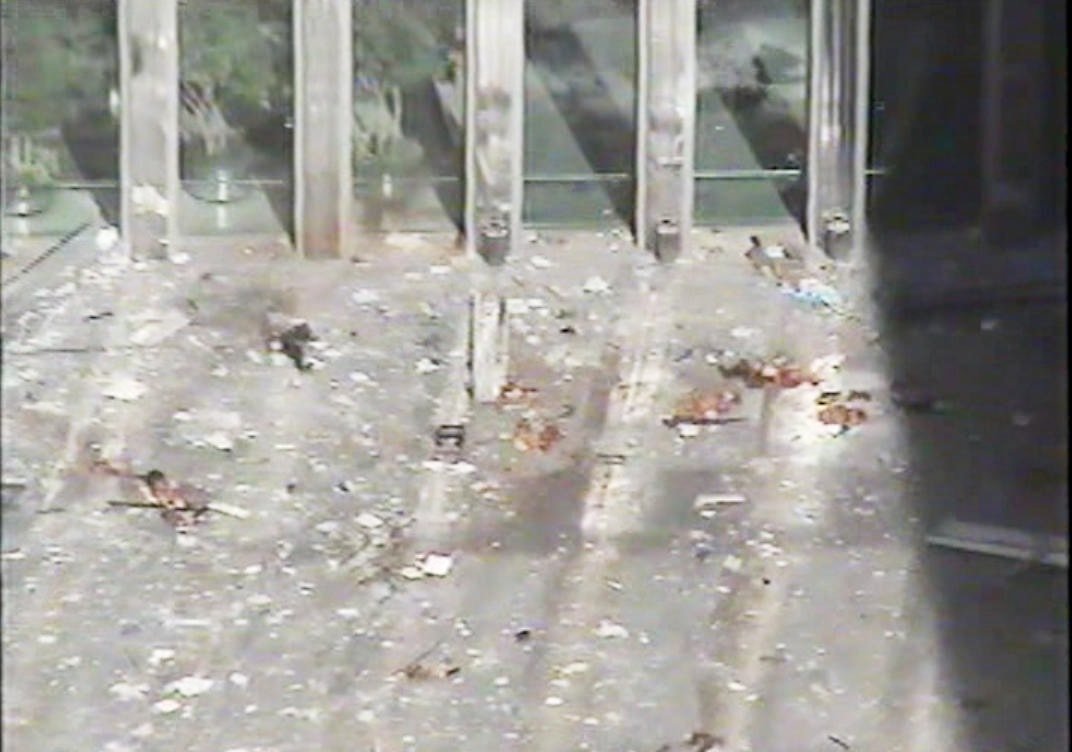
On September 11, 2001, as the Twin Towers burned, the world watched in horror, both live on television and through stark photographs, as people jumping from Twin Towers became a tragic, indelible image of the day. It was an act of unfathomable desperation, a final, horrifying choice made by those trapped above the inferno, forcing us to confront the deepest terror and impossible decisions faced by victims during the deadliest terror attack on U.S. soil. This isn’t just a story about a moment; it’s a profound look into the human will to escape the inescapable, and how we grapple with such raw, agonizing truths.
At a Glance: The Tragic Reality of People Falling from the Twin Towers
- Who were they? Approximately 200 individuals, mostly from the North Tower, trapped above the impact zones.
- Why did they fall? Not out of a desire for suicide, but to escape extreme heat (over 2,000°F), smoke, and flames that made breathing and survival impossible. They were forced out.
- How are their deaths classified? The New York City medical examiner classified all 9/11 deaths (excluding the terrorists) as homicides, stating victims were “forced out by the smoke and flames or blown out.”
- The Iconic Image: “The Falling Man,” a photograph by Richard Drew, captures one such individual, widely believed to be Jonathan Briley.
- Remembering: The 9/11 Memorial and Museum acknowledges these tragic acts with an exhibit, allowing visitors to choose whether to view the confronting images.
The Unbearable Choice: When the Only Escape Was Down
Imagine the scene: you’re hundreds of feet in the air, a beautiful morning turning into an unimaginable nightmare. The building you’re in, once a symbol of human ingenuity, is now a burning tomb. Temperatures inside soared to over 2,000 degrees Fahrenheit (1,090 °C), hot enough to melt aluminum and turn steel into a pliable, failing material. Smoke, thick and black, filled every available space, robbing trapped individuals of oxygen and visibility. Flames licked at the windows, and the very air became an oven.
For those trapped on floors above the plane’s impact, escape routes were immediately cut off. Stairwells were destroyed, elevators rendered useless. With no way down and the inferno raging behind them, the windows offered a perverse, terrifying “choice.” It’s critical to understand that these weren’t acts of suicide in the conventional sense. These were individuals making a desperate attempt to escape the agonizing horror of being burned alive or suffocating. They were forced out by conditions that no human could endure. The New York City medical examiner’s office, recognizing this grim reality, classified these deaths as homicides, just like all other victims of the 9/11 attacks, acknowledging that they were “forced out by the smoke and flames or blown out.” This crucial distinction underscores the extreme circumstances that led to so many People falling from WTC.
The Iconic Image: ‘The Falling Man’ and its Enduring Legacy
Among the many harrowing images from that day, one stands out with stark, almost artistic, horror: “The Falling Man.” Taken by Associated Press photographer Richard Drew at 9:41:15 A.M. on September 11, 2001, this photograph captures an unidentified man in mid-air, plummeting headfirst from the North Tower. Drew, who had been on a Fashion Week assignment, rushed to the scene via subway, capturing a sequence of eight photographs from a low angle near West and Vesey Street. He recognized the profound impact of the image upon reviewing his camera.
While the man’s true identity has never been officially confirmed, he is widely believed to be Jonathan Briley, a 43-year-old sound engineer who worked at the Windows on the World restaurant, located on the North Tower’s 106th floor. This identification is supported by his brother Timothy, sister Gwendolyn, and executive chef Michael Lomonaco, who recognized his body type and specific clothing—an orange t-shirt visible under a blown-open shirt. His remains were later recovered, offering a degree of closure, though the full horror of his final moments remains with us. Earlier speculation that the man was Norberto Hernandez was later disproven, cementing Briley as the most likely identity.
Initially, “The Falling Man” caused severe backlash and controversy due to its graphic nature when published in international newspapers, including The New York Times, the day after the attacks. For years, its publication in the U.S. became rare. Yet, with time, its raw power has transformed it into a symbol, acclaimed by figures like Elton John, who called it “the most beautiful image of something so tragic.” The photograph has become a poignant representation of the “unknown soldier” for all who faced similar fates that day, encapsulating the sheer desperation of those trapped.
The Agony of Identification: Who Were They?
The devastating conditions within the burning Twin Towers and the subsequent collapse made the identification of any victim an immense, painstaking challenge. For the approximately 200 individuals seen falling or jumping, the difficulties were compounded. Many of their bodies were never recovered, or only partial remains were found amidst the colossal debris. This reality means that while we know roughly how many people falling from Twin Towers, definitive identification for many remains tragically out of reach.
The distinction between “jumping” and “falling” might seem semantic, but it’s crucial for understanding the context. Some people, in their struggle to breathe or find a way out, might have been pushed out by the force of explosions, shifts in the building, or simply lost their footing on compromised ledges. Others made a deliberate, desperate choice to climb out and release themselves from the building rather than endure the inferno inside. Regardless of the exact mechanism, their fate was sealed by the terrorists’ actions. The chaos of the scene, the immense heights, and the rapid destruction meant that clear observation was often impossible for witnesses below, leading to the collective term “jumpers” or “fallers” to describe this group.
Understanding the ‘Jumpers’: Debunking Misconceptions
It’s a common, yet deeply flawed, misconception to label those who fell from the Twin Towers as “suicides.” This interpretation fundamentally misunderstands the horrific calculus they faced. Suicide implies a choice made in a state of mind that, however distressed, usually involves agency and an alternative. For the individuals on the upper floors of the World Trade Center, there were no viable alternatives. They were trapped, facing imminent death by fire or smoke inhalation.
Their “choice” was not to end their lives, but to escape an agonizing, immediate end. As the medical examiner’s office unequivocally stated, these victims were “forced out by the smoke and flames or blown out.” This classification as homicide, not suicide, is a vital legal and moral distinction that respects the victims’ plight. It underscores that their deaths were a direct consequence of the terrorist attack, not an independent act of self-harm. When we consider Remembering 9/11s jumping victims, it’s essential to honor their memory with this understanding: they were desperate victims, not individuals seeking to end their own lives.
Bearing Witness: The Impact on Those Who Saw
The sight of people falling from the Twin Towers etched itself into the minds of witnesses, first responders, and news personnel, leaving a profound and often traumatic impact. For those on the ground, the horror was immediate and visceral, a stark counterpoint to the distant images captured by cameras. Every thud, every fleeting glimpse, painted a picture of terror that words struggle to convey. Many journalists grappling with the ethical dilemma of showing such graphic human suffering debated the balance between reporting truth and protecting sensibilities.
The initial backlash against publications featuring “The Falling Man” underscored this societal struggle. Yet, over time, the photograph and similar images have gained an unavoidable, if painful, acceptance. They serve as a testament to the extremity of that day, a grim reminder of the choices snatched away from victims. To omit this aspect of 9/11 would be to sanitize history, to diminish the full scope of human suffering. The images, however difficult to view, force us to acknowledge the full brutality of the attacks and the unimaginable terror faced by those caught inside. They become a permanent record of the rawest form of human desperation. It’s an overwhelming reality that defined the 9 11 jump for countless observers.
Preserving the Memory: How the 9/11 Memorial Approaches the Topic
The 9/11 Memorial and Museum in downtown Manhattan grapples with the immense responsibility of preserving the truth of that day, including its most difficult aspects. Conscious of the graphic nature and emotional weight, the museum handles the confronting photos of people jumping with profound sensitivity. Within the museum, an exhibit featuring these images is deliberately placed behind a wall, allowing visitors to choose whether to view them. This approach acknowledges the profound impact of these visuals while respecting individual sensitivities.
By not shying away from these difficult truths, the Memorial ensures that future generations can understand the full scope of the tragedy. It’s a testament to the victims’ final moments, a recognition that their desperate acts were a part of the day’s horror, not something to be hidden or forgotten. The exhibit, while challenging, reinforces the memorial’s commitment to telling the complete story of 9/11, allowing for an informed and personal confrontation with its most painful realities.
The Broader Context of 9/11: A Day of Unfathomable Loss
The individual tragedies of those who fell from the Twin Towers are inextricably linked to the broader catastrophe of September 11, 2001. The attacks, orchestrated by al-Qaeda, targeted symbols of American economic and military power, claiming nearly 3,000 lives across New York City, Washington D.C., and Shanksville, Pennsylvania. Each death, whether instant, protracted by fire, or a final desperate plunge, was a direct consequence of this coordinated act of terror.
The scale of the devastation overwhelmed emergency services. In any normal circumstance, a person experiencing a fall would trigger an immediate emergency response, perhaps by Calling 911 after a fall. But on 9/11, the sheer magnitude of the disaster meant that traditional emergency protocols were shattered. Rescue efforts focused on those who might still be saved, while those trapped in the upper floors faced an impossible situation where external help simply could not reach them. The horror of people falling from the towers underscores the complete breakdown of safety and the systematic destruction of life by the attackers.
Frequently Asked Questions about the 9/11 Jumpers
Navigating such a sensitive topic naturally brings forth many questions. Here are some of the most common, addressed with the facts and respect they deserve.
Were the people who fell from the Twin Towers suicides?
No. This is a crucial distinction. The New York City medical examiner’s office classified these deaths as homicides, stating victims were “forced out by the smoke and flames or blown out” by the extreme conditions. They were escaping unimaginable heat, smoke, and flames, not choosing to end their lives by their own volition.
How many people were seen falling or jumping?
Estimates suggest approximately 200 people were witnessed falling from the upper levels of the burning skyscrapers, predominantly from the North Tower, where the impact was higher and the fires more intense in the initial hours.
Why aren’t all their identities known?
The intense heat, the force of the impact, and the subsequent collapse of the towers tragically disintegrated many of the victims. For many who fell, only partial remains or no identifiable remains were recovered, making traditional identification processes incredibly challenging.
Is it true their remains weren’t recovered?
For many, yes. The conditions were so extreme that a significant number of victims, including many who fell, could not be identified through remains. This adds another layer of sorrow for their families.
What about People falling from WTC photos – should they be shown?
This remains a debated topic, highlighting the tension between historical accuracy and human dignity. While some argue such images are too graphic for public consumption, others contend they are a vital, albeit painful, part of the historical record, depicting the true horror of 9/11. The 9/11 Memorial and Museum offers a nuanced approach, presenting the images behind a wall to allow visitors an informed choice.
Remembering with Respect and Understanding
The images and stories of people jumping from the Twin Towers are among the most difficult to confront from September 11, 2001. Yet, they are an essential part of understanding the full scope of human tragedy and desperation that unfolded that day. To turn away from these images, or to misunderstand the circumstances of these victims, would be to diminish the truth of their final moments.
By remembering them not as suicides, but as individuals forced into an impossible choice by an act of terror, we honor their memory with empathy and respect. Their final acts serve as a stark reminder of the devastating power of the attacks and the profound resilience of the human spirit, even in the face of unimaginable horror. As we reflect on 9/11, let us ensure that these individuals are remembered with the dignity and understanding they deserve. They are a part of a collective grief, a somber testament to a day that changed the world forever.










