Nineteen ninety-one wasn’t just another year on the calendar; it was a seismic shift, a pivotal moment where the world as we knew it fundamentally reorganized. The sheer volume and magnitude of major historical events in 1991 – from geopolitical earthquakes to silent technological revolutions – left an indelible mark, challenging established orders and setting the stage for the modern era. Understanding these shifts isn’t just about revisiting the past; it’s about recognizing the roots of today’s global landscape and the enduring patterns of change.
At a Glance: What 1991 Taught Us
- Geopolitical Reordering: Witness the dramatic dissolution of the Soviet Union and the immediate aftermath of the Gulf War.
- Technological Dawn: Grasp the quiet genesis of the World Wide Web and Linux, foundational elements of our digital lives.
- Cultural Resonances: Explore the music, film, and sports that captured the era’s zeitgeist.
- Environmental Awakening: Understand early global efforts to address climate change and stark natural warnings.
- Economic Crosscurrents: See how diverse nations navigated recession, reform, and regional integration.
- Societal Flashpoints: Reflect on individual stories that brought major societal issues to the forefront.
The Global Reset: From Cold War’s End to New Conflicts
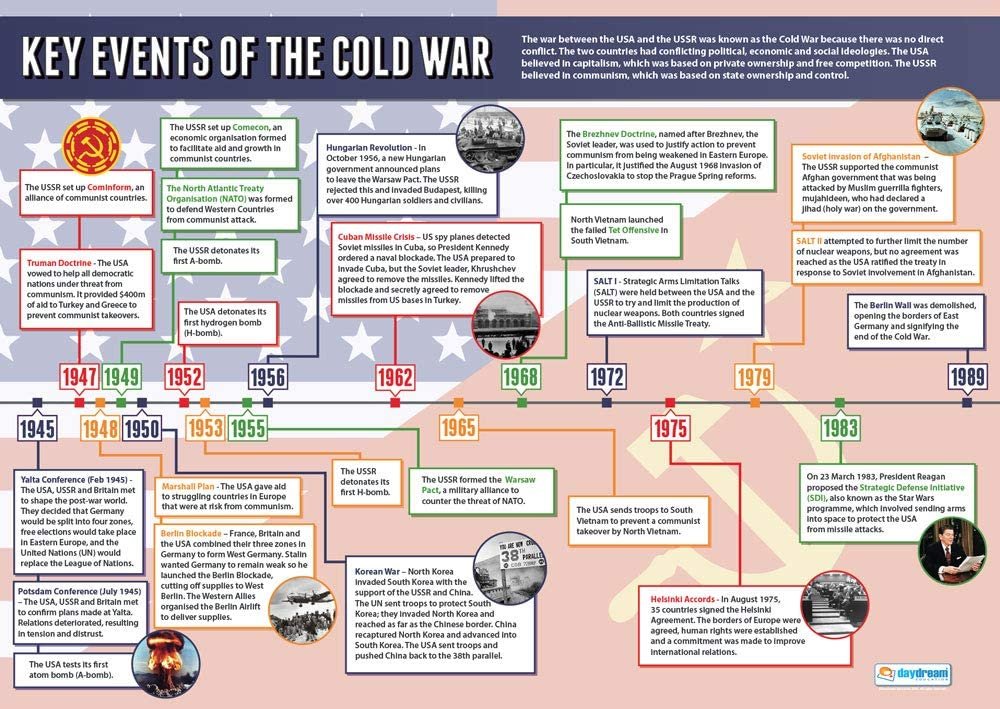
Imagine a geopolitical landscape where the two superpowers are locked in a decades-long standoff, and then, almost overnight, one simply ceases to exist. That was 1991. The dissolution of the Soviet Union stands as arguably the most significant event, drawing the curtains on the Cold War. As early as January 11th, we saw Soviet troops storming buildings in Vilnius, Lithuania, attempting to quash independence movements – a desperate, final act that foreshadowed the empire’s unraveling. By December, 15 republics declared independence, giving birth to a new world order where the lines of power were drastically redrawn. Boris Yeltsin, rising through this chaos, became the first President of the Russian Federation, symbolizing Russia’s break from its communist past.
Concurrent to this monumental shift was the resolution of the Gulf War. Tensions had been building for months, escalating rapidly in January 1991. Remember the failed Baker-Aziz talks in Geneva on January 9th? That was the diplomatic endgame, setting the stage for what was to come. When the UN’s deadline for Iraq to withdraw from Kuwait passed on January 15th, the world braced itself. Two days later, on January 17th, Operation Desert Storm began with US-led coalition forces initiating a massive bombing campaign against Iraq. The swift military action, coupled with Iraq’s retaliatory Scud missile attacks on Israel, dominated headlines. While Kuwait was liberated, Iraqi forces left behind the world’s largest oil spill and widespread destruction of Kuwaiti oil facilities, creating an ecological and economic disaster. These events underscored a stark new reality: post-Cold War conflicts would be regional, intense, and often involve international coalitions.
Further complicating the global map, Slovenia and Croatia declared independence from Yugoslavia, igniting the brutal Yugoslav Wars. This marked the beginning of a prolonged period of ethnic conflict and dissolution in the Balkans, a stark contrast to the relatively peaceful transitions seen in parts of the former Soviet bloc. Meanwhile, in a powerful act of progress, South Africa repealed its last apartheid laws, dismantling a system of institutionalized racial segregation that had long been a global pariah. This legislative victory was a testament to decades of struggle and international pressure, signaling a profound internal transformation for the nation.
A New Digital Frontier: The Dawn of Connectivity
While political structures crumbled and new nations formed, another, quieter revolution was brewing: the digital age was truly beginning. The public availability of the World Wide Web in 1991, initiated by Tim Berners-Lee at CERN, wasn’t immediately headline news, but its long-term impact is incalculable. It laid the foundation for the interconnected world we inhabit today, transforming communication, commerce, and access to information. Think about it: before 1991, the internet was largely a domain for academics and government researchers; after, it slowly began its march towards global ubiquity.
In a parallel development, Linus Torvalds released the first Linux kernel. This open-source operating system project would grow into a cornerstone of servers, smartphones (Android is built on Linux), and countless embedded devices worldwide. It championed a collaborative development model, challenging the proprietary software giants of the day. And if you made a phone call on a mobile network that year, it might have been the first GSM call. This global system for mobile communications standard vastly improved mobile phone capabilities and laid the groundwork for the modern mobile industry, offering digital clarity and international roaming capabilities. Microsoft also kept pace, releasing MS-DOS 5.0, a significant upgrade to its dominant operating system, offering better memory management and a full-screen text editor that improved the user experience on personal computers. Even space got a digital upgrade; the Hubble Space Telescope began sending back its first breathtaking images, opening a new window into the universe and providing visual data that continues to redefine our understanding of cosmology.
For a deeper dive into how these shifts and others defined the year, you might want to Explore 1991’s pivotal facts.
Shaping Culture and Consciousness
1991 wasn’t just about politics and pixels; it was also a year that profoundly influenced culture. Music, in particular, saw a seismic shift. Nirvana released “Nevermind,” an album that catapulted grunge into the mainstream and fundamentally altered the trajectory of rock music. Its raw energy and introspective lyrics resonated deeply, defining a generation. The first Lollapalooza festival also took place, offering an alternative rock carnival that became a touring phenomenon and a blueprint for future music festivals. On the pop front, Michael Jackson’s “Black or White” music video premiered, pushing boundaries with its innovative morphing technology and global message of unity.
The silver screen offered powerful narratives and visual spectacles. “Terminator 2: Judgment Day” became a groundbreaking box office hit, pushing the limits of special effects and delivering a compelling sci-fi action narrative. Meanwhile, Disney’s “Beauty and the Beast” enchanted audiences, becoming the first animated film ever nominated for a Best Picture Oscar, signaling a new era for animation as a serious art form.
Even in sports, 1991 was iconic. The Chicago Bulls, led by Michael Jordan, won their first NBA Championship, marking the beginning of a dynasty that would dominate the decade and elevate basketball to unprecedented global popularity. These cultural touchstones, from grunge anthems to cinematic breakthroughs and athletic triumphs, captured the spirit of a world grappling with immense change.
Earth’s Plea and Scientific Leaps
The year also brought a renewed focus on our planet and significant scientific advancements. The first Earth Summit in Rio de Janeiro was held, laying the groundwork for international cooperation on environmental issues. This led to the establishment of the United Nations Framework Convention on Climate Change (UNFCCC), a critical international treaty that continues to guide global climate action today. It was a recognition that environmental challenges transcend national borders. Greenpeace, a prominent environmental advocacy group, launched its impactful “Save the Whales” campaign, mobilizing public support for marine conservation.
Nature itself delivered a dramatic reminder of its power. The eruption of Mount Pinatubo in the Philippines, one of the 20th century’s largest, spewed immense amounts of ash and aerosols into the atmosphere, causing a temporary global temperature drop and vivid sunsets worldwide. This event served as a stark, real-time lesson in the interconnectedness of atmospheric science and global climate.
In the realm of pure science, 1991 was equally dynamic. Scientists detected the first exoplanet orbiting 51 Pegasi, although its confirmation would come later. This initial observation helped ignite the ongoing search for planets beyond our solar system. The Human Genome Project made significant progress, laying the foundation for mapping the entire human genetic code, promising revolutionary insights into health and disease. Researchers also identified the gene for cystic fibrosis, a major breakthrough for understanding and eventually treating this genetic disorder. The year also saw the first successful gene therapy trial, offering a glimpse into a future where genetic diseases could be corrected at their source. And adding to environmental concerns, the ozone hole over the Arctic was discovered, mirroring the earlier finding over Antarctica and highlighting the global scale of atmospheric damage from human activities.
Economic Tides and Societal Crossroads
Economically, 1991 was a mixed bag of challenges and reforms. India launched sweeping economic reforms, moving away from protectionist policies and opening its markets to the world. This marked a crucial turning point for the nation, paving the way for decades of economic growth and integration into the global economy. In Europe, the Maastricht Treaty was signed, a landmark agreement that established the European Union and laid the groundwork for a common European currency, the Euro. This was a bold step towards deeper economic and political integration on the continent.
However, not all economic news was positive. The U.S. experienced a recession, impacting employment and economic growth, a stark reminder of economic cycles. Across the Pacific, Japan’s asset price bubble burst, initiating what would become known as its “Lost Decade” of stagnant economic growth, offering a cautionary tale about speculative markets.
Societal moments also left a deep impression. Basketball legend Magic Johnson’s announcement of his HIV diagnosis was a powerful, personal moment that shattered misconceptions and raised global awareness about the virus, humanizing the crisis for millions. The arrest of serial killer Jeffrey Dahmer shocked the world with the gruesome details of his crimes, sparking debates on mental health, criminal justice, and urban decay. The infamous Rodney King beating by LAPD officers, captured on video, ignited national outrage and became a flashpoint in the ongoing struggle for racial justice and police accountability in the United States. And on a lighter note, the Super Nintendo Entertainment System (SNES) was released, quickly becoming one of the most beloved gaming consoles of all time, further cementing video games as a major cultural force.
The Practical Lens: Navigating Historical Data
As a specialist, examining these major historical events in 1991 isn’t just about recounting facts; it’s about discerning patterns and understanding causality. How can we, today, apply this historical perspective?
1. Recognizing Early Warning Signals:
The January 1991 timeline is a masterclass in this. The failed Baker-Aziz talks on January 9th, the UN deadline passing on the 15th, and Soviet crackdowns in Lithuania on the 11th weren’t isolated incidents. They were clear, escalating indicators of major conflicts and collapses.
- Actionable Insight: When tracking global tensions, pay close attention to diplomatic impasses, ignored international deadlines, and internal state suppression. These are often precursors to significant shifts.
2. Understanding Interconnectedness:
The Gulf War wasn’t just a military operation; it led to an ecological disaster, prompted a global energy debate, and shaped international relations for decades. The dissolution of the USSR wasn’t just a political event; it unleashed nationalist movements, economic reorientations, and a power vacuum. - Actionable Insight: Avoid analyzing events in silos. Always consider the ripple effects—political, economic, environmental, and social—across different domains and geographies.
3. The Power of “Quiet” Innovation:
While the Gulf War dominated headlines, the public release of the World Wide Web, the Linux kernel, and the first GSM call were quietly laying foundations that would utterly transform society. These weren’t dramatic, immediate upheavals but slow-burn revolutions. - Actionable Insight: Don’t underestimate innovations that seem niche or unglamorous in their early stages. The most profound changes often begin without fanfare. Look for technologies that enable widespread communication, collaboration, or access to information.
Case Snippet: The Vilnius Crackdown and Soviet Collapse
On January 13, 1991, Soviet troops continued their attack on Vilnius, Lithuania, killing 13 and injuring 140. This violent attempt to suppress independence was a clear signal. While the USSR wouldn’t officially dissolve for another 11 months, this event, following the January 11th storming of buildings, revealed the central government’s desperation and declining authority. It underscored that the old order was fighting a losing battle against the tide of self-determination. For analysts, such events serve as high-confidence indicators of state weakness, even before the final collapse.
Decoding 1991’s Impact: Quick Answers
Q: Was 1991 truly the “end of history” as some predicted?
A: No, not at all. While the Cold War’s end marked the triumph of liberal democracy and market capitalism in many eyes, 1991 actually initiated new forms of conflict (like the Yugoslav Wars) and revealed new challenges (environmental crises, economic volatility, digital ethics). It was a transition point, not an endpoint.
Q: How did the Gulf War specifically alter military strategy?
A: The Gulf War demonstrated the effectiveness of precision-guided munitions, air superiority, and multinational coalitions. It highlighted the power of technology in warfare and shaped post-Cold War military doctrine, moving towards smaller, more agile forces capable of rapid deployment.
Q: Did the World Wide Web’s public release immediately change daily life?
A: Not immediately for the average person. In 1991, access was still limited, and the concept was nascent. Its impact grew exponentially over the following years as browsers were developed and internet service became more accessible, truly beginning to transform daily life by the mid-to-late 1990s.
Q: What’s the biggest misconception about 1991’s technological advancements?
A: A common misconception is that these innovations were fully formed or widely adopted instantly. In reality, the public availability of the Web, Linux, and GSM were starting points. They were seeds planted that year, requiring years of development, investment, and adoption to reach their current ubiquitous status.
Your 1991 Action Plan: Extracting Lessons from Upheaval
The tapestry of major historical events in 1991 offers a rich lesson in the nature of global change. To truly grasp its significance and apply its lessons:
- Map Causal Chains: Don’t just list events. For each major incident, identify its direct causes, immediate effects, and long-term ripple effects. This helps you understand how one event, like the Soviet crackdowns, can be linked to a larger outcome, like its eventual dissolution.
- Categorize Impact: Consider how each event affected different spheres: geopolitics, economy, technology, culture, and environment. This multi-faceted view reveals the holistic nature of historical moments.
- Identify Tipping Points: Pinpoint specific dates or decisions (e.g., the UN deadline for Iraq, the signing of the Maastricht Treaty) that irrevocably altered a trajectory. These are crucial moments where future possibilities narrowed or expanded.
- Balance Grand Narratives with Micro-Events: While the end of the Cold War is a grand narrative, remember the specific skirmishes, diplomatic failures, and individual innovations that built up to it. The detailed January events illustrate how smaller moments contribute to monumental shifts.
1991 wasn’t merely a collection of isolated incidents; it was a year where decades of underlying tensions surfaced, technological seeds blossomed, and global power structures were fundamentally reshaped. By dissecting these events, we gain not just historical knowledge, but a deeper understanding of how our world transforms.










