For the bigger picture and full context, make sure you read our main guide on Ancient Egypt Food: What Did the Egyptians Really Eat?.
markdown
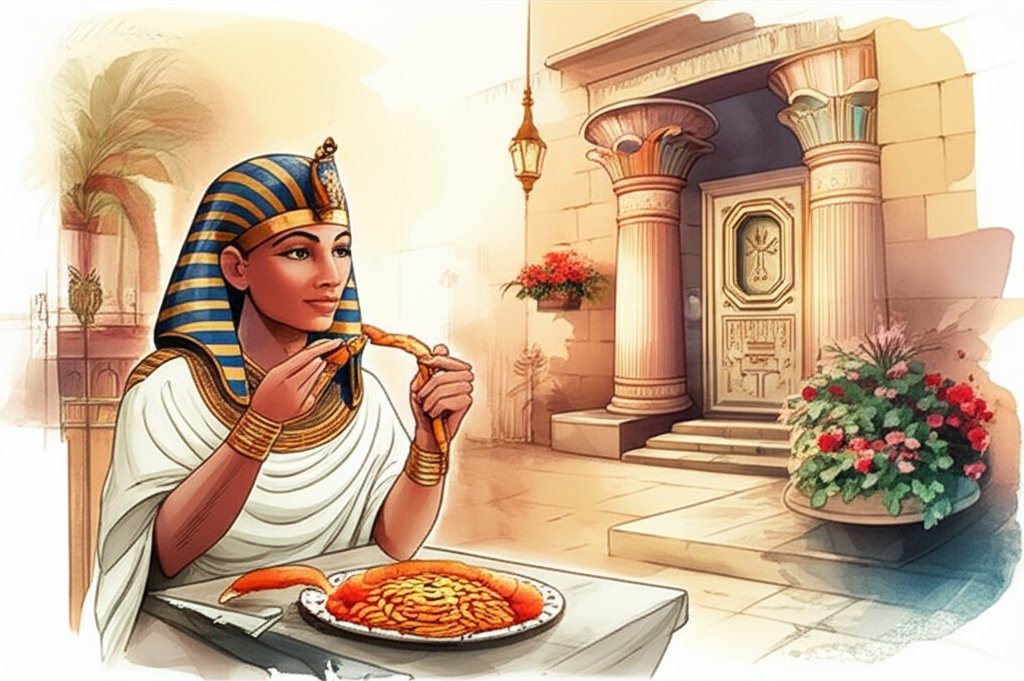
Imagine sitting at the table with a pharaoh, the ruler of all Egypt. But what exactly would be on that table? The lavish depictions in tombs might lead you to believe it was non-stop feasting, but the reality, while luxurious compared to the commoners, was more nuanced. Let’s delve into the royal diet and uncover what the pharaohs truly ate.
At a Glance:
- Discover the staple foods that formed the base of a pharaoh’s diet.
- Learn how their access to luxury ingredients differed from the common people.
- Understand the role of feasting and religious offerings in royal meals.
- Explore specific food items frequently found in pharaohs’ tombs.
- Uncover the preparation methods that made their food palatable and preservable.
- Debunk common myths about the excessiveness of the pharaoh’s diet.
The Foundation: Royal Variations on Common Staples
While the average Egyptian depended on readily available staples, pharaohs enjoyed higher-quality versions and greater variety. Their diet wasn’t drastically different in kind, but rather in quality and quantity. Understanding this distinction is key to appreciating the royal palate.
- Bread and Beer: Emmer wheat and barley remained central, but the pharaoh’s bakers had access to the finest grains, producing lighter, more refined breads. Likewise, royal breweries crafted stronger, more flavorful beers, sometimes even flavored with herbs and spices.
- Fruits and Vegetables: The pharaoh’s gardens cultivated a wider range of produce, including imported fruits and vegetables not commonly available to others. Think of it as “seasonal produce” taken to the extreme, with year-round access due to vast resources.
- Meat and Poultry: While beef was a luxury for most Egyptians, pharaohs enjoyed it more frequently, along with poultry like duck, goose, and pigeon. Hunting expeditions ensured a steady supply of game, further diversifying their protein intake.
Royal Luxuries: Ingredients Reserved for the Elite
Access to rare and imported ingredients set the royal diet apart. These luxuries were not just about sustenance; they were symbols of power and divine right.
- Wine: Unlike beer, wine was almost exclusively reserved for the elite. Vineyards were carefully maintained, and wines were meticulously stored in amphorae labeled with the vintage, region, and even the winemaker’s name – a testament to their value.
- Honey: Used as a sweetener, honey was far more accessible to the elites than the commoners. The pharaoh would have access to the purest form of Honey to use in food or religious ceremony.
- Imported Spices and Oils: Trade brought exotic spices and oils to the royal kitchens. These added flavor and complexity to dishes far beyond the simple fare of the commoners. Think of things like almonds from the Near East.
- Fine Cuts of Meat: While commoners might eat tougher cuts of goat or lamb, the pharaoh enjoyed prime cuts of beef, carefully prepared by skilled butchers.
Feasts and Offerings: Meals with Multiple Meanings
For the pharaoh, dining wasn’t just about satisfying hunger. It was often a ceremonial act, tied to religious rituals and displays of power.
- Religious Offerings: The pharaoh, seen as a divine intermediary, offered elaborate meals to the gods. These offerings, often consisting of the finest foods available, were believed to sustain the deities and maintain cosmic order.
- State Banquets: Feasts were used to impress foreign dignitaries, celebrate victories, and solidify political alliances. These were opulent affairs, showcasing the kingdom’s wealth and the pharaoh’s power. Imagine tables laden with food, musicians playing, and dancers entertaining guests.
- Funerary Meals: Tombs were stocked with food for the pharaoh’s journey into the afterlife. Archaeological discoveries reveal a variety of preserved foods, including bread, meat, fruit, and even beer, providing valuable insights into royal dietary preferences.
Preparing the Royal Feast: Techniques and Tools

The techniques used to prepare food in the royal kitchens were more refined than those used in the average household. Skilled chefs and bakers employed specialized tools and methods to create dishes fit for a king.
- Ovens and Cooking Vessels: Royal kitchens boasted more sophisticated ovens, allowing for better temperature control and more even cooking. Fine pottery and metal vessels were used for preparing and serving food.
- Preservation Techniques: Drying, salting, and pickling were used to preserve food, ensuring a constant supply of ingredients even during times of scarcity. This was especially important for meat and fish.
- Specialized Utensils: Royal kitchens were equipped with a variety of specialized utensils, including knives, mortars, pestles, and sieves, allowing for more precise food preparation.
Debunking the Myth: Was the Pharaoh’s Diet Really Excessive?
While certainly more luxurious than the average Egyptian’s, the pharaoh’s diet wasn’t necessarily characterized by gluttony. Moderation and balance were important, particularly given the pharaoh’s role as a leader and symbol of stability.
- Emphasis on Balanced Nutrition: Archaeological evidence suggests that the pharaohs consumed a balanced diet, rich in grains, vegetables, fruits, and protein. This was crucial for maintaining their health and energy levels.
- Awareness of Health: Ancient Egyptian medical texts reveal an understanding of the connection between diet and health. Doctors advised pharaohs on dietary matters, emphasizing the importance of moderation and avoiding overindulgence.
- Practical Limitations: Even with access to vast resources, there were practical limitations to how much food could be consumed. Overeating would have been frowned upon and could have negatively impacted the pharaoh’s health and ability to rule.
Want to learn more about the diet of ancient Egyptians, from the commoners to the royalty? You can delve deeper into the intricacies of Egyptian cuisine uncovered.
A Practical Playbook: Emulating a Royal Meal (Respectfully)
How can we glean insights from the pharaoh’s diet for our own modern meals? Here’s a simplified approach:
- Focus on Whole Grains: Choose emmer wheat or barley-based breads and cereals when available. Whole wheat and barley are good substitutes.
- Embrace Seasonal Produce: Prioritize fresh, seasonal fruits and vegetables. Visit your local farmer’s market for inspiration.
- Include Lean Protein: Opt for lean cuts of meat, poultry, or fish. Prepare them using simple grilling techniques.
- Use Natural Sweeteners: Experiment with using honey or dates as natural sweeteners.
- Incorporate Herbs and Spices: Add flavor and complexity to your dishes using traditional Egyptian spices like coriander, cumin, and dill.
- Practice Mindful Eating: Savor each bite and appreciate the flavors and textures of your food.
Quick Answers about the Pharaoh’s Plate
Q: Did pharaohs only eat meat?
A: No. While they had greater access to meat than commoners, their diet was primarily plant-based, with grains, vegetables, and fruits forming the foundation of their meals.
Q: Was the pharaoh’s diet unhealthy?
A: Not necessarily. While they likely consumed more fat and sugar than the average Egyptian, their diet also included a variety of nutrient-rich foods. It’s important to remember that they were also physically active, engaging in activities like hunting and chariot racing.
Q: Did pharaohs eat with forks and knives?
A: No. Ancient Egyptians typically ate with their hands. Knives were used for cutting meat, but forks were not yet in use.
Q: Were any foods considered taboo for pharaohs?
A: Yes, certain animals were considered sacred and were not eaten. Pork was generally avoided, and the consumption of certain types of fish may have been restricted due to religious beliefs or regional taboos. Also keep in mind that specific taboos evolved during different dynasties.
Actionable Close: Your Own Royal Feast
The pharaoh’s diet offers a glimpse into the life of ancient Egyptian royalty. While we can’t replicate it exactly, we can draw inspiration from its emphasis on fresh, whole foods, balanced nutrition, and mindful eating. By incorporating these principles into our own diets, we can experience a taste of the royal life – without the need for a crown.










