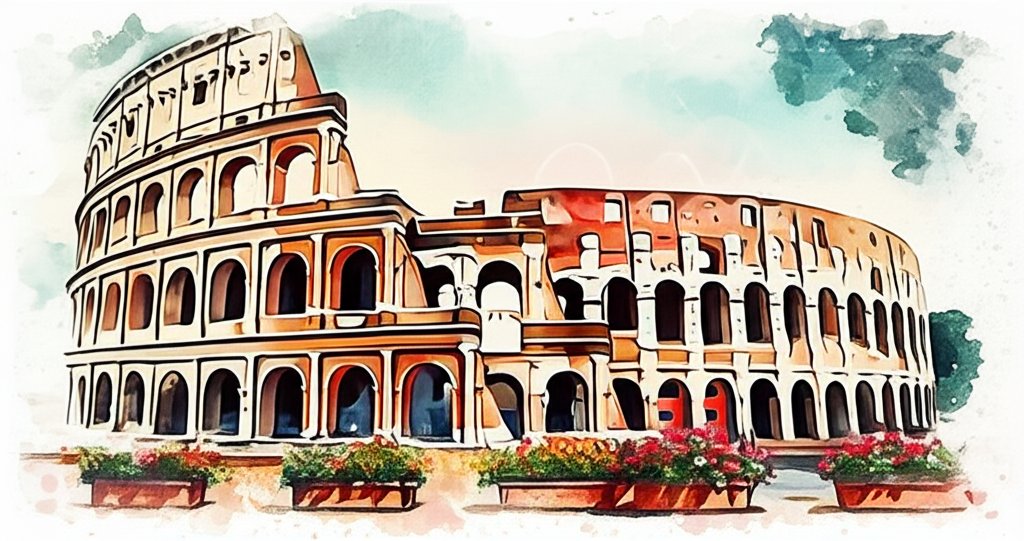
Imagine standing where gladiators once fought, the roar of the crowd echoing in your ears, even centuries later. The Colosseum, a timeless icon of Rome, holds secrets within its weathered walls, a palpable sense of history lingering in every stone. Getting to experience what it was like Explore the Colosseums Inner Secrets is a privilege millions seek yearly. But what is it really like to step back in time and explore the old inside the Colosseum? This guide answers that question, preparing you for an unforgettable journey.
At a glance:
- The Colosseum was used for gladiatorial contests, animal hunts, and public executions.
- The arena floor is partially reconstructed, and you can visit the underground chambers.
- Tickets should be booked in advance to avoid long queues.
- Wear comfortable shoes, as the ground is uneven.
- Allow at least an hour to explore the interior.
A History Etched in Stone: Building the Colosseum
Before diving into the experience of being inside, it’s crucial to understand how the Colosseum came to be. Construction began around 72 AD under Emperor Vespasian of the Flavian Dynasty and was completed in 80 AD under his son, Titus. It was originally known as the Flavian Amphitheater, a name less familiar than the one it carries today, potentially derived from a colossal statue of Emperor Nero that once stood nearby.
The Colosseum’s construction was a massive undertaking, employing tens of thousands of workers (some historians estimate between 60,000 and 100,000), including a significant number of Jewish slaves brought to Rome after the Jewish-Roman War. Roman engineers oversaw the project, showcasing the empire’s prowess in construction and organization. This history makes seeing the Colosseum: Then and Now all the more impactful.
The Arena Floor and Hypogeum: Where the Action Happened
The heart of the Colosseum was undoubtedly the arena floor. This is where gladiators clashed, animals were hunted, and mock naval battles (naumachiae) were once staged. Sadly, very little of the original arena floor remains; what you see today is a partial reconstruction. Look closely, and you’ll spot holes in the reconstructed floor – these were used to anchor the elaborate scenery and mechanisms used in the spectacles.
Beneath the arena floor lies the Hypogeum, a complex network of tunnels and chambers. This underground area housed gladiators, animals, and equipment, all waiting for their dramatic moment to emerge into the arena. Trapdoors and elevators, powered by a system of pulleys and levers, allowed for sudden and surprising entrances, adding to the excitement of the games. Modern access to the Hypogeum offers a fascinating glimpse into the workings behind the scenes.
Climbing the Seating Tiers: A Social Hierarchy in Stone
The Colosseum’s seating arrangement reflected the rigid social hierarchy of Roman society. The Emperor and VIPs occupied the best seats, closest to the action. Above them sat senators, followed by other social classes, with the common plebeians occupying the higher, less desirable tiers. The very top level may even have been standing room only. It’s amazing to consider how many people could fit in the stands.
While much of the original seating has been lost to time and looting (the Colosseum was, for a time, used as a quarry for building materials), remnants remain. Look closely at the lower tiers, and you may even spot faint inscriptions identifying the seats reserved for specific individuals or groups.
The Velarium and Upper Levels: Views and Artifacts
Imagine the Colosseum under the scorching Roman sun. To provide shade and respite for the spectators, a massive retractable awning called the velarium was installed. This complex structure, supported by a network of ropes and pulleys, shielded the audience from the elements. Holes in the upper walls of the Colosseum are evidence of the velarium‘s supports.
Today, the upper levels of the Colosseum offer stunning panoramic views of Rome, stretching from the Roman Forum to Palatine Hill. A small museum on one of the upper levels houses artifacts discovered during excavations, providing further insights into the Colosseum’s history and the events that took place within its walls.
What You Would Have Seen: Spectacles of Blood and Glory
The Colosseum was the stage for a variety of spectacles, each designed to entertain and awe the Roman populace.
- Gladiator Battles: These were a staple of Colosseum entertainment, featuring trained fighters battling each other, often to the death. Gladiators came from various backgrounds – slaves, prisoners of war, and even free men seeking fame and fortune. These contests were far more than just random brawls; they were carefully choreographed events, with gladiators categorized by size, skill, and fighting style. It’s interesting to note that being a gladiator colosseum was a tough life, but for some, a fast track to fame.
- Animal Hunts (Venationes): Exotic animals from across the Roman Empire were brought to the Colosseum to be hunted. Lions, tigers, bears, elephants, and giraffes were among the creatures featured in these hunts, showcasing the empire’s reach and power.
- Executions: Public executions of criminals and prisoners of war were also held in the Colosseum. These events served as a stark reminder of Roman law and justice.
- Naumachiae (Naval Battles): In the early days of the Colosseum, the arena could be flooded to stage mock naval battles. These spectacles involved real ships and sailors, recreating famous naval victories.
Navigating the Modern Colosseum: A Visitor’s Guide
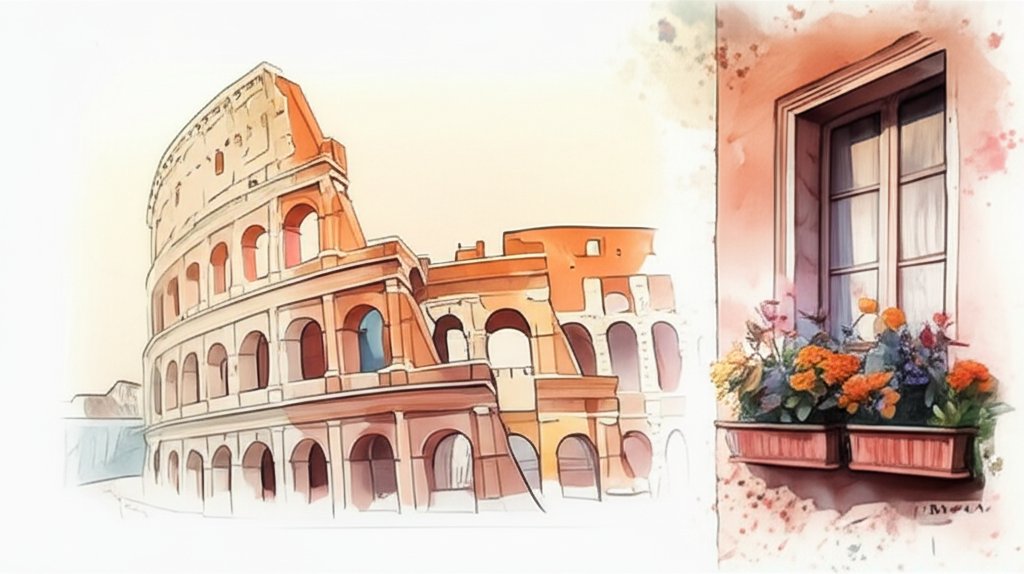
Visiting the Colosseum today requires some planning to make the most of your experience.
- Tickets: Booking tickets online in advance is essential to avoid long queues, especially during peak season. Over 30,000 people now visit the Colosseum every day, so planning ahead is critical.
- Tours: Consider taking a guided tour. Knowledgeable guides can provide historical context and access to restricted areas, such as the arena floor and underground chambers.
- Accessibility: Be prepared for uneven ground and stairs. Comfortable shoes are a must.
- Photography: Photography is generally allowed, but tripods may be restricted in some areas.
- Time: Allocate at least an hour to properly explore the interior of the Colosseum.
- Opening Hours: The Colosseum typically opens around 8:30 AM and closes between 4:30 PM and 7:00 PM, depending on the season. Check the official website for the latest information.
Seeing the colosseum interior is awe-inspiring and well worth the time and effort.
Changes Over Time: From Arena to Ruin and Restoration
The Colosseum has undergone significant changes throughout its history. After the decline of the Roman Empire, the arena fell into disuse and neglect. Earthquakes caused considerable damage, and the structure was quarried for building materials.
In later centuries, the Colosseum served various purposes, including a cemetery, a place of worship, housing, workshops, and even a fortified castle.
Restoration efforts have been ongoing for centuries, aiming to preserve the Colosseum’s scale and integrity. While much of the original structure has been lost, the remaining ruins offer a powerful glimpse into the past.
Common Questions About the Colosseum
Here are a few answers to frequently asked questions about the Colosseum:
- Was the Colosseum always called the Colosseum? No. It was originally known as the Flavian Amphitheater.
- Did Christians really die in the Colosseum? While Christian persecution did occur in ancient Rome, there’s little historical evidence to definitively say that Christians were systematically executed in the Colosseum. Other venues were more commonly used for executions.
- How big is the Colosseum? The Colosseum measures approximately 189 meters long, 156 meters wide, and 48.5 meters tall. Its surface area covers about 6 acres.
- What was the velarium? The velarium was a large awning that provided shade for spectators.
Stepping Back in Time: Experiencing the Colosseum Today
Walking through the Colosseum, it’s impossible not to feel a connection to the past. Imagine the roar of the crowd, the clash of steel, and the drama of the spectacles that unfolded within these walls. While the passage of time has taken its toll, the Colosseum remains a powerful symbol of Roman ingenuity, power, and entertainment. By understanding its history and planning your visit, you can make the most of this unforgettable experience.










