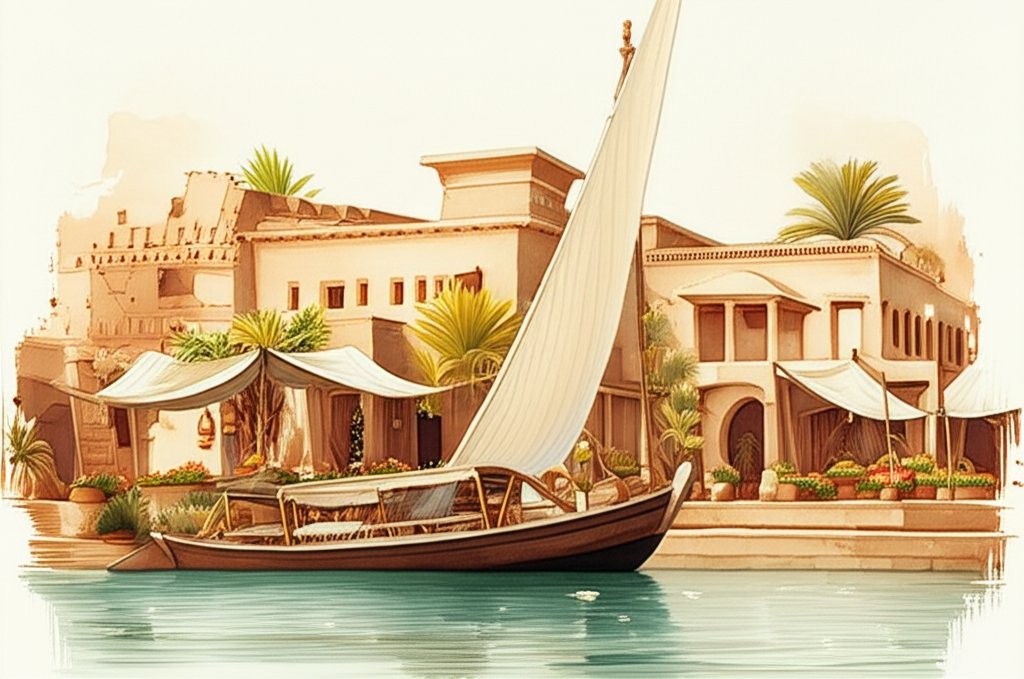
Imagine stepping back in time, not just to see the pyramids, but to experience daily life as an ancient Egyptian. Beyond pharaohs and gods, ancient egyptian traditions shaped every aspect of existence, from the food they ate to the laws they lived by. What was it really like to live in ancient Egypt?
At a glance:
- Discover how deeply religion influenced daily routines and social structure.
- Understand the importance of the Nile River in shaping traditions around agriculture and sustenance.
- Explore the roles and responsibilities within families and communities.
- Learn about the unique customs surrounding birth, marriage, and death.
- Uncover the legal and judicial customs that maintained order and balance in society.
The Rhythm of Life: Shaped by Gods and the Nile
Daily life in ancient Egypt was inextricably linked to religion and the Nile River. The cyclical flooding of the Nile dictated the agricultural seasons, which in turn, impacted everything from food supplies to social activities. Religious beliefs permeated every corner of existence, influencing everything from personal hygiene to monumental architecture.
How did the Nile impact daily life?
The Nile’s annual flood was predictable (though sometimes insufficient or excessive). The ancient Egyptians categorized their year into three seasons: Akhet (flooding), Peret (growing), and Shemu (harvest). This rhythm dictated when people farmed, when they built, and even when they celebrated festivals. Without the Nile, there is no ancient Egypt. The civilization relied on the Nile for its sustenance.
Religious rituals were woven into every act
Whether it was offering a simple prayer before a meal or participating in elaborate temple ceremonies, religion played a central role. Egyptians believed in a pantheon of gods and goddesses who influenced every aspect of their world, from the sun’s journey across the sky to the fertility of the land. Daily rituals were performed to appease these deities and maintain Ma’at, the cosmic balance. Learn about ancient Egyptian contributions to science and innovations that helped shape their religious practices and daily life; Explore Egyptian Science.
Home and Family: The Building Blocks of Society
The family was the cornerstone of ancient Egyptian society. Respect for elders and ancestors was paramount, and children were valued for their potential to carry on the family line. Marriage was considered a sacred union, and although formal ceremonies as we know them didn’t exist, it was a significant life event.
Gender roles were well-defined but not always rigid.
Men typically worked in fields, crafts, or administrative roles, while women managed the household and raised children. However, women could own property, conduct business, and even hold certain positions of authority.
Children learned by doing.
Education was primarily practical, with children learning the skills and trades necessary to support their families. While formal schooling was available for some (primarily scribes and priests), most children learned from their parents.
Food and Dress: Reflecting Status and Climate
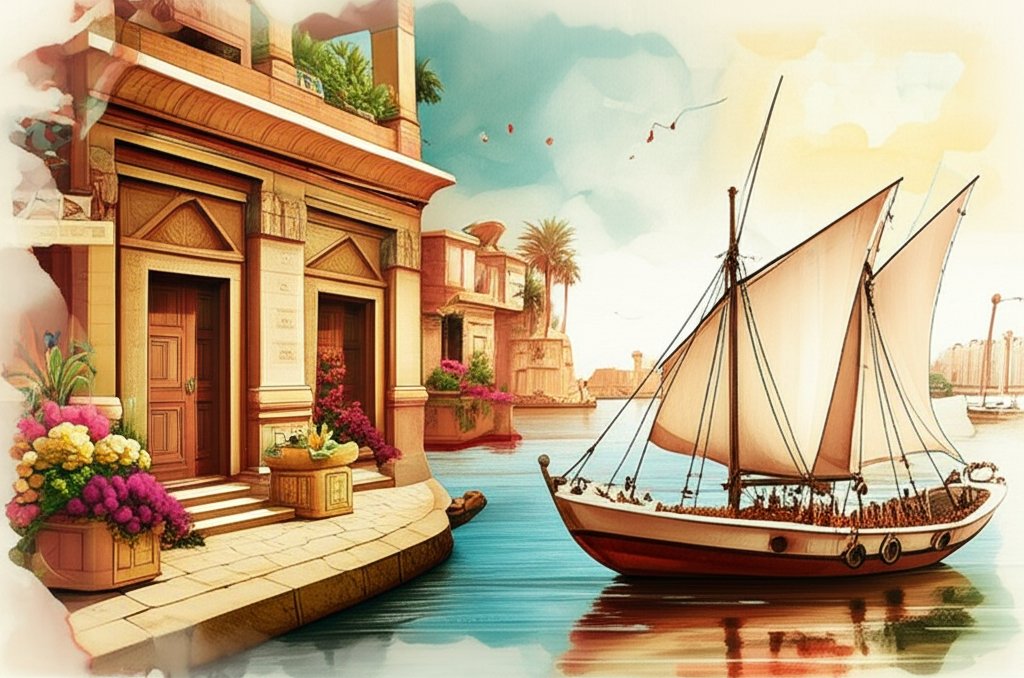
The ancient Egyptian diet was largely vegetarian, with bread and beer forming the staple foods for most people. Vegetables like onions, garlic, and lentils were common, and fruits were enjoyed when in season. Meat was less frequently consumed, primarily by the wealthy.
Linen was the fabric of choice.
Clothing was made from linen, a lightweight fabric that was well-suited to the hot Egyptian climate. The style and quality of clothing reflected a person’s social status. Simple tunics were worn by laborers, while elaborate garments adorned the elite.
Consider this snippet: Excavations at Deir el-Medina, a village of artisans who worked on the royal tombs, revealed details about their diet, clothing, and daily struggles. They were workers of all sorts, including sculptors, painters, and draftsmen. Records found there included details on worker salaries, absences, and the tools necessary for their job.
Law and Order: Maintaining Harmony and Justice
Ancient Egyptian society had a well-developed legal system that aimed to maintain order and resolve disputes. While a formal code of law hasn’t been discovered, evidence suggests that legal principles were based on Ma’at, the concept of truth, justice, and cosmic balance.
Justice was dispensed through a hierarchy of courts.
Local disputes were typically handled by village elders, while more serious cases were brought before higher courts presided over by officials and priests. Punishments ranged from fines and beatings to imprisonment and execution, depending on the severity of the crime.
Key Legal Principles:
- Ma’at: The guiding principle of justice.
- Written contracts: Used for business transactions and property agreements.
- Witness testimony: Crucial in legal proceedings.
- Penalties: Varied based on the offense and social status.
- Appeals: Possible in some cases.
Death and the Afterlife: Preparing for Eternity

The ancient Egyptians had a profound belief in the afterlife, and death was seen as a transition to another existence. Mummification was practiced to preserve the body, and elaborate tombs were built to house the deceased along with everything they would need in the afterlife.
The journey to the afterlife was fraught with challenges.
The deceased had to navigate a perilous journey through the underworld, facing various trials and tribulations. The most important test was the Weighing of the Heart ceremony, where the deceased’s heart was weighed against the feather of Ma’at. If the heart was lighter than the feather, the deceased was deemed worthy of eternal life.
Funerary Customs at a Glance:
- Mummification: Preserving the body for the afterlife.
- Tombs: Designed to house the deceased and their belongings.
- Funerary texts: Like the Book of the Dead, guided the deceased through the underworld.
- Offerings: Food, drink, and other items were provided to sustain the deceased in the afterlife.
- Belief in resurrection: The ultimate goal was to achieve eternal life.
Daily Life Playbook: Living Like an Ancient Egyptian (Hypothetically)
While we can’t literally live like ancient Egyptians, here’s a glimpse into how you might incorporate some of their principles into modern life:
- Embrace Simplicity: Focus on essential needs and appreciate the natural world.
- Value Family: Prioritize relationships and honor your ancestors.
- Seek Balance: Strive for harmony in all aspects of your life, both personal and professional.
- Respect Tradition: Learn from the past and incorporate valuable customs into your own life.
- Live Intentionally: Be mindful of your actions and their impact on others.
Quick Answers: Common Questions about Daily Life in Ancient Egypt
Q: Was everyone involved in building the pyramids?
A: No. While pyramid construction was a significant undertaking, it didn’t involve the entire population. Skilled laborers, craftsmen, and administrators were involved, along with a workforce of conscripted laborers (often during the Nile’s flood season when farming was impossible).
Q: Was ancient Egyptian society rigidly stratified?
A: Yes and no. While there was a clear social hierarchy, it wasn’t entirely fixed. Individuals could rise in status through education, military service, or administrative roles.
Q: How accurate are movies about ancient Egypt?
A: Movies often take creative liberties for entertainment purposes, so they shouldn’t be taken as entirely accurate depictions of ancient Egyptian life. Archaeological evidence and historical texts provide a more reliable source of information.
Q: Did they really believe in all those gods?
A: Absolutely. Religion was an integral part of their worldview. The ancient Egyptians were polytheistic, meaning they believed in multiple gods and goddesses, each with their own specific roles and responsibilities. These deities were seen as active participants in the world, influencing everything from the weather to human destiny.
Actionable Close
Exploring ancient egyptian traditions offers more than just a glimpse into the past—it provides a framework for understanding human values, societal structures, and the enduring power of belief. By studying their daily lives, we can gain insights into our own, and perhaps even find inspiration for living a more meaningful and balanced life.










