
For the bigger picture and full context, make sure you read our main guide on Greek And Roman Mythology Names: Origins And Modern Usage.
markdown
Ever wonder who to thank for a bountiful harvest or a strategic military victory in ancient Rome? The answer lies within the intricate pantheon of roman deities, each governing specific aspects of life and influencing the very fabric of Roman society.
At a glance:
- Learn the key differences between Roman and Greek deities and understand interpretatio Romana.
- Identify the major Roman gods and goddesses within the Dii Consentes and their roles.
- Explore other important Roman deities beyond the Olympians, including those related to agriculture, the underworld, and abstract concepts.
- Understand how Romans worshipped their gods through specific cultic practices and rituals.
- Decipher divine titles and epithets commonly associated with Roman deities.
How Roman Gods Differed From Their Greek Counterparts
While deeply intertwined, Roman deities weren’t simply carbon copies of their Greek counterparts. The Romans, practical and pragmatic, absorbed Greek mythology after conquering Greece but adapted the gods to fit their own cultural values and societal needs. This process, known as interpretatio Romana, involved syncretizing Greek deities with existing Roman divinities or creating new ones with distinct attributes.
Here’s a breakdown of the key differences:
- Names: The most obvious difference. Zeus became Jupiter, Hera became Juno, and so on.
- Personality: Greek gods were known for their human-like flaws, dramas, and emotional outbursts. Roman gods, in contrast, often possessed a more dignified, stoic demeanor, emphasizing their role as upholders of Roman values and order.
- Focus: Greek myths often centered around elaborate narratives and personal stories of the gods. Roman religion, on the other hand, placed greater emphasis on the gods’ function and their role in ensuring the prosperity and stability of the Roman state.
- Worship: While both cultures worshipped their gods through rituals and offerings, the Romans placed a greater emphasis on precise, formalized rituals performed by priests to maintain pax deorum (peace with the gods). Discover Mythology Names to delve deeper into the origins of these divine figures.
The Dii Consentes: Rome’s Version of the Olympian Gods

Just as the Greeks had their Twelve Olympians, the Romans had the Dii Consentes, a council of twelve major gods and goddesses. They were considered the most important deities in the Roman pantheon and were often depicted together in temples and artwork.
Here are the Dii Consentes and their primary roles:
| Roman Name | Greek Equivalent | Domain |
|---|---|---|
| Jupiter | Zeus | King of the Gods, Sky, Lightning, Law, Order |
| Juno | Hera | Queen of the Gods, Marriage, Women, Childbirth |
| Neptune | Poseidon | Sea, Earthquakes, Horses |
| Minerva | Athena | Wisdom, Strategy, War (Defensive), Crafts |
| Mars | Ares | War (Offensive & Violent), Bloodshed, Courage |
| Venus | Aphrodite | Love, Beauty, Pleasure, Fertility |
| Apollo | Apollo | Light, Music, Poetry, Prophecy, Healing |
| Diana | Artemis | Hunt, Wilderness, Moon, Virginity |
| Vulcan | Hephaestus | Fire, Metalworking, Volcanoes |
| Mercury | Hermes | Messenger of the Gods, Trade, Thieves, Travelers |
| Ceres | Demeter | Agriculture, Harvest, Fertility |
| Vesta | Hestia | Hearth, Home, Family, State |
| Example: A Roman general, before leading his troops into battle, might offer prayers to Mars, the god of war, for courage and victory. Similarly, a Roman woman hoping for a successful marriage would pray to Juno, the goddess of marriage and childbirth. |
Beyond the Main Twelve: Exploring Other Vital Roman Deities
The Dii Consentes were just the tip of the iceberg. Roman religion encompassed a vast array of other deities, each with their own specific domain and importance. These deities can be broadly categorized as follows:
- Agricultural Deities: These gods and goddesses were crucial for ensuring the fertility of the land and a bountiful harvest. Examples include Ceres (grain), Liber (wine and fertility), and Flora (flowers and spring).
- Underworld Deities: While not part of the Olympian council, Pluto (or Dis Pater) ruled the underworld. He was responsible for the souls of the dead and the riches hidden beneath the earth.
- Abstract Deities: The Romans personified abstract concepts and qualities, such as Pax (peace), Concordia (harmony), Fortuna (fortune), and Spes (hope). These deities reflected the Romans’ values and aspirations.
- Household Deities: The Lares and Penates were household gods who protected the family and the home. They were worshipped in the home with daily offerings.
Case Snippet: The Aventine Triad, comprised of Ceres, Liber, and Libera, was particularly important to the plebeians (common citizens) of Rome. Their temple on the Aventine Hill served as a center for plebeian religious and political activities.
Cultic Practices: How Romans Worshipped Their Gods
Roman religious practices were highly formalized and ritualistic. The goal was to maintain pax deorum – a state of peace and harmony between the gods and the Roman state. This was achieved through a variety of means:
- Sacrifices: Animal sacrifices were a common offering to the gods. The type of animal sacrificed depended on the deity being honored and the purpose of the sacrifice.
- Prayers: Prayers were an essential part of Roman worship. They were often recited in a formal and structured manner.
- Festivals: Numerous festivals were held throughout the year to honor specific gods and goddesses. These festivals often involved processions, games, and public feasts.
- Temples: Temples served as the physical homes of the gods. They were often grand and imposing structures, reflecting the power and importance of the deities they housed.
- Lectisternium: A formal banquet at which the images of deities were placed, as if present, and offered food.
The Pontifex Maximus, the highest priest in Rome, oversaw the Roman state religion and ensured that all rituals were performed correctly.
Deciphering Divine Titles and Epithets
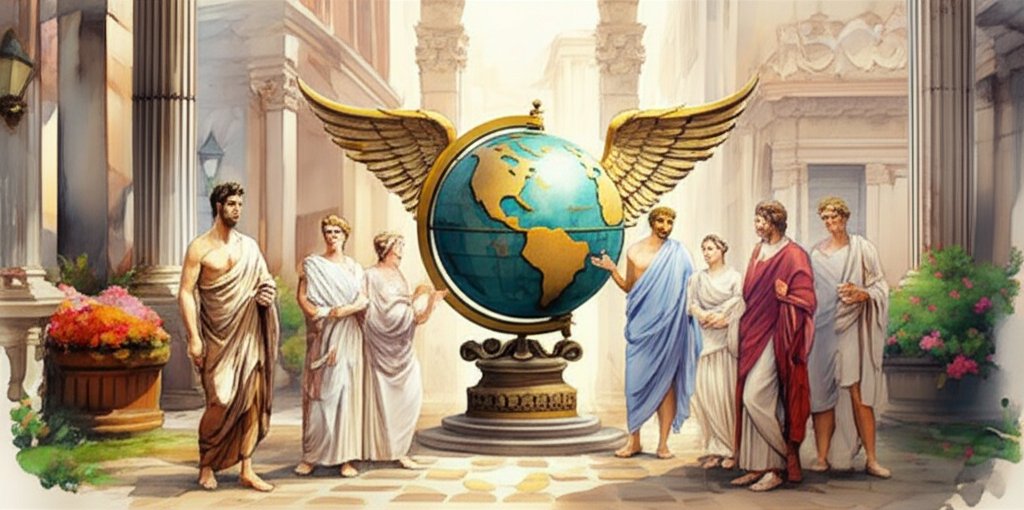
Roman deities were often referred to by various titles and epithets that highlighted specific aspects of their character or domain. Understanding these titles can provide valuable insight into how the Romans viewed their gods.
Here are some common examples:
- Augustus/Augusta: These titles, meaning “venerable” or “majestic,” were often associated with the Imperial cult and used to honor emperors and empresses as divine figures.
- Bonus/Bona: Meaning “good,” this title was often applied to deities associated with positive qualities, such as Bona Fortuna (“Good Fortune”).
- Caelestis: Meaning “heavenly,” this title was often used to refer to goddesses who embodied aspects of a supreme heavenly goddess.
- Invictus: Meaning “unconquered” or “invincible,” this title was often applied to deities associated with strength and power, such as Jupiter, Mars, and Hercules.
- Mater/Pater: Meaning “mother” and “father” respectively, these titles denoted a god’s maternal or paternal role and were used to express respect and affection.
Practical Tip: When encountering Roman names in historical texts or literature, pay attention to any accompanying titles or epithets. These can provide clues about the deity’s specific role and significance within the context of the story.
Quick Answers to Common Questions about Roman Deities
- Were Roman gods exactly the same as Greek gods? No. While heavily influenced by Greek mythology, the Romans adapted the gods to fit their own cultural values and societal needs.
- Who was the most important Roman god? Jupiter, the king of the gods, was generally considered the most important deity in the Roman pantheon.
- Did Romans only worship the Dii Consentes? No. Roman religion included a vast array of other deities, including agricultural gods, household gods, and personifications of abstract concepts.
- How did Romans show their devotion to the gods? Through sacrifices, prayers, festivals, and the construction of temples.
- What was pax deorum and why was it important? Pax deorum was a state of peace and harmony between the gods and the Roman state. Maintaining it was crucial for ensuring the prosperity and stability of Rome.
Actionable Playbook: Understanding and Applying Your Knowledge of Roman Deities
Ready to put your newfound knowledge into practice? Here’s a quick-start guide:
- Identify the Context: Are you reading a historical text, a work of literature, or viewing a piece of art? The context will help you understand which deities are relevant and how they are being portrayed.
- Determine the Deity’s Role: Research the specific functions and domains of the relevant Roman deities. Consult reputable sources on Roman mythology.
- Consider the Titles and Epithets: Pay attention to any titles or epithets associated with the deity. These can provide further clues about their specific attributes and significance.
- Analyze the Ritual or Offering: If the text or artwork depicts a ritual or offering, analyze the details to understand which deity is being honored and what the purpose of the offering might be.
- Draw Connections: Consider how the deity’s role, titles, and the nature of the ritual or offering relate to the broader themes and messages of the text or artwork.
By following these steps, you can gain a deeper understanding of the role that Roman deities played in ancient Roman society and culture and appreciate the lasting legacy of Roman mythology.










