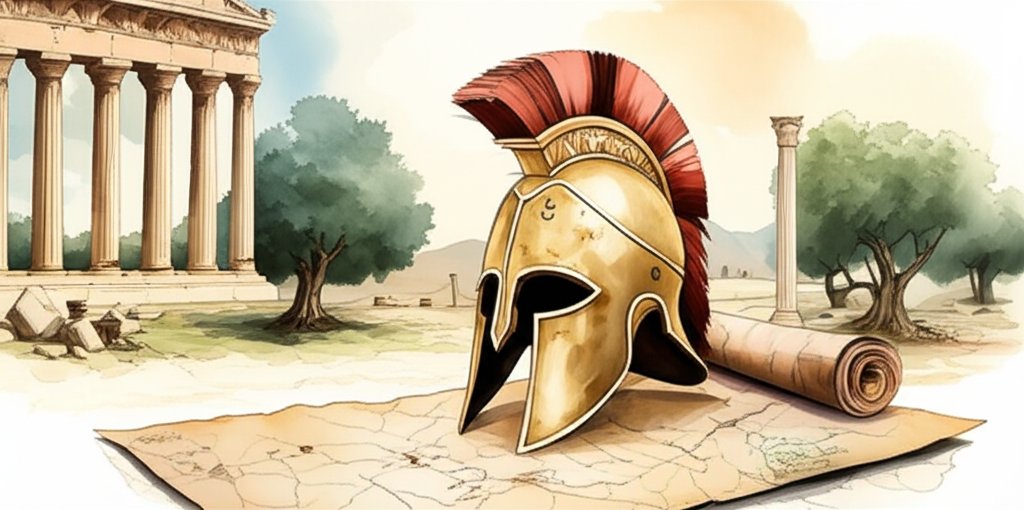
The classical age in greece wasn’t simply a period of history; it was a cultural explosion that shaped the very foundations of Western Civilization. From groundbreaking political experiments like democracy to devastating wars that redefined the balance of power, this era left an indelible mark on philosophy, art, and governance that continues to resonate today.
At a glance:
- Understand the core tenets of Athenian democracy and its influence.
- Examine the key players and turning points of the Peloponnesian War.
- Explore the architectural and artistic achievements that defined the classical aesthetic.
- Learn how the philosophical inquiries of Socrates, Plato, and Aristotle underpin Western thought.
- Glean insights into Alexander the Great’s conquests and their impact.
The Birth of Demokratia: Power to the People
Before the classical age in greece, kings and aristocrats ruled. Then came Cleisthenes, often called the “father of Athenian democracy.” His reforms around 507 BC introduced a radical idea: demokratia, or “power to the people.” What did this mean in practice?
- The Ekklesia (Assembly): Every male citizen over 18 had the right to attend and speak at the Assembly, the sovereign decision-making body. This wasn’t just a rubber stamp; the Assembly debated and voted on laws, declared war, and made crucial policy decisions.
- Random Selection (Sortition): Most government officials weren’t elected; they were chosen by lot. The Athenians believed this prevented corruption and ensured that ordinary citizens had a chance to serve. Think of it like jury duty, but for running the entire city-state!
- Ostracism: A unique feature of Athenian democracy was ostracism. Once a year, citizens could vote to exile someone they considered a threat to democracy. While harsh, this was intended to prevent tyranny.
Pitfalls of Athenian Democracy:
It’s important to acknowledge that Athenian democracy wasn’t perfect. Women, slaves, and foreigners were excluded from citizenship and political participation. It was direct democracy, which isn’t scalable to nation-states. However, the core principles of citizen participation and the rule of law laid the groundwork for later democratic systems.
The Peloponnesian War: A Clash of Civilizations

The rivalry between Athens and Sparta, the two dominant city-states, eventually erupted into the Peloponnesian War (431-404 BC). This wasn’t a simple conflict; it was a clash of ideologies and power struggles that ripped Greece apart.
Key Players:
- Athens: Leader of the Delian League, a powerful naval empire. Known for its democratic government, cultural achievements, and ambitious expansionist policies. Pericles, a prominent Athenian statesman and general, played a crucial role in the early years of the war.
- Sparta: Head of the Peloponnesian League, a land-based military power. Known for its rigid social structure, militaristic society, and oligarchic government. King Archidamus II of Sparta led the initial Peloponnesian invasion of Attica.
- Other City-States: Many other Greek city-states were drawn into the conflict, aligning themselves with either Athens or Sparta based on their interests and alliances.
Turning Points: - The Plague of Athens (430-427 BC): A devastating plague swept through Athens, killing a significant portion of the population, including Pericles. This weakened Athens and undermined its war effort.
- The Sicilian Expedition (415-413 BC): Athens launched a disastrous expedition to conquer Syracuse in Sicily. The Athenian fleet was destroyed, and thousands of soldiers were killed. This marked a turning point in the war, significantly weakening Athens.
- Sparta’s Alliance with Persia: Sparta secured financial support from the Persian Empire, allowing them to build a powerful navy that rivaled Athens’.
The Outcome: Sparta ultimately defeated Athens, ending Athenian dominance and ushering in a period of Spartan hegemony. The war had a devastating impact on Greece, weakening the city-states and making them vulnerable to foreign invasion.
Lessons from the Peloponnesian War:
The Peloponnesian War provides valuable lessons about the dangers of unchecked ambition, the importance of strategic alliances, and the fragility of even the most powerful empires. Thucydides, a contemporary historian, documented the war in detail, offering insights into the complexities of human nature and the dynamics of conflict.
You can Explore Classical Greece Explore Classical Greece in more detail for a broader overview.
Art and Architecture: Defining the Classical Aesthetic
The classical age in greece witnessed a flourishing of art and architecture that defined the classical aesthetic. Greek temples, sculptures, and pottery are still admired today for their beauty, harmony, and attention to detail.
Key Architectural Achievements:
- The Parthenon: Located on the Acropolis in Athens, the Parthenon is a masterpiece of Doric architecture. It was dedicated to the goddess Athena and served as a symbol of Athenian power and cultural achievement.
- Doric, Ionic, and Corinthian Orders: Greek architects developed three distinct architectural orders: Doric, Ionic, and Corinthian. Each order had its own unique style and characteristics, influencing architectural design for centuries. Doric is the oldest and plainest, Ionic features scroll-like capitals, and Corinthian is the most ornate, with acanthus leaf capitals.
Sculptural Innovations: - Lifelike Representation: Greek sculptors aimed to create realistic and idealized representations of the human form. They studied anatomy and proportion carefully, striving for a sense of balance and harmony.
- Marble as the Medium: The abundance of high-quality marble in Greece made it the perfect medium for sculpture. Greek sculptors used marble to create stunning statues of gods, goddesses, athletes, and heroes.
- Key Sculptors: Phidias (sculptor of the statue of Zeus at Olympia and the Parthenon sculptures), Polyclitus (known for his “Doryphoros” or Spear-Bearer, which embodied his canon of proportions), Myron (sculptor of the “Discobolus” or Discus Thrower), Praxiteles (famous for his sensuous and graceful statues).
Example: Polyclitus’ “Doryphoros” (Spear-Bearer) exemplifies the Greek pursuit of ideal human form. He even wrote a treatise, “The Canon,” detailing his principles of proportion and symmetry.
Philosophical Foundations: Socrates, Plato, and Aristotle
The classical age in greece was a golden age of philosophy. Socrates, Plato, and Aristotle, three of the most influential thinkers in Western history, developed groundbreaking ideas that continue to shape our understanding of the world.
Socrates (470-399 BC):
- The Socratic Method: Socrates didn’t write down his ideas. Instead, he engaged in dialogues with his students, asking probing questions to challenge their assumptions and encourage critical thinking.
- Emphasis on Ethics: Socrates was primarily concerned with ethics and morality. He believed that virtue was knowledge and that people would do good if they knew what was right.
Plato (428-348 BC): - The Theory of Forms: Plato believed that the physical world is merely a shadow of a higher realm of Forms, which are perfect and eternal ideals.
- The Republic: In his most famous work, The Republic, Plato outlined his vision of an ideal society ruled by philosopher-kings.
Aristotle (384-322 BC): - Emphasis on Empirical Observation: Aristotle was a polymath who made significant contributions to a wide range of fields, including logic, physics, biology, and ethics. He emphasized the importance of empirical observation and scientific inquiry.
- Nicomachean Ethics: In Nicomachean Ethics, Aristotle explored the nature of happiness and the virtues that lead to a fulfilling life.
- Politics: He analyzed different forms of government and advocated for a constitutional republic.
How to Apply Their Ideas Today:
While living in the 21st century, it can be hard to see the link to ancient philosophers, but there are simple steps:
- Question Assertions: Like Socrates, always ask “why” and challenge assumptions.
- Seek Timeless Principles: Plato encourages searching for underlying truths beyond fleeting trends.
- Embrace Observation: Aristotle’s method reminds us to look around, gather facts, and base conclusions on evidence.
Alexander the Great: A New Chapter
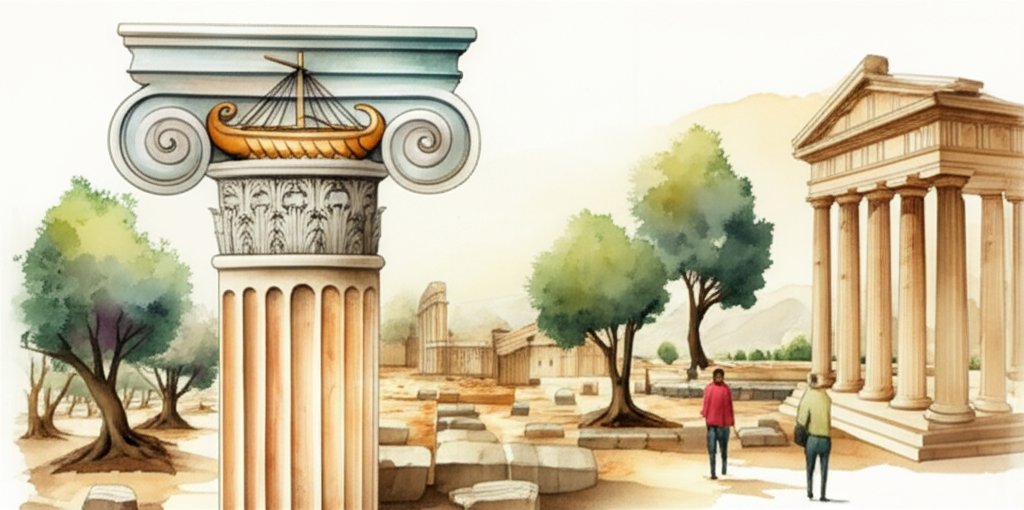
While often considered the end of the Classical period, Alexander the Great’s conquests (336-323 BC) dramatically spread Greek culture and influence throughout the Mediterranean and beyond.
Key Conquests:
- Persian Empire: Alexander led his army to victory against the Persian Empire, conquering vast territories in Asia Minor, Egypt, and Mesopotamia.
- Expansion into India: Alexander continued his conquests eastward, reaching as far as India before turning back due to his soldiers’ fatigue.
Impact: - Hellenistic Period: Alexander’s conquests ushered in the Hellenistic period, a time of cultural fusion between Greek and Eastern civilizations.
- Spread of Greek Culture: Greek language, philosophy, and art spread throughout the conquered territories, influencing local cultures and contributing to the development of a more cosmopolitan world.
- Enduring Legacy: Alexander the Great’s military genius and his role in spreading Greek culture cemented his place in history as one of the most influential figures of the ancient world.
Quick Answers: Common Questions about the Classical Age in Greece
- Q: What is the main difference between the Classical and Hellenistic periods in Greece?
- A: The Classical period is characterized by the dominance of independent city-states and the flourishing of Athenian democracy, while the Hellenistic period followed Alexander the Great’s conquests and saw the spread of Greek culture throughout a vast empire.
- Q: Why is Athenian democracy considered important?
- A: Athenian democracy was the first known example of a government where citizens directly participated in decision-making. It introduced concepts like the rule of law, freedom of speech, and political equality, which have influenced democratic systems around the world.
- Q: Was everyone in Athens a citizen?
- A: No. Citizenship was limited to adult male citizens who were born to Athenian parents. Women, slaves, and foreigners were excluded from citizenship and political participation.
- Q: What were the main causes of the Peloponnesian War?
- A: The main causes included Athenian imperialism, Spartan fear of Athenian power, and a series of escalating conflicts between the two city-states and their allies.
- Q: What are some examples of classical Greek art and architecture that can still be seen today?
- A: The Parthenon in Athens is one of the most famous examples. Many museums around the world also showcase classical Greek sculptures, pottery, and other artifacts.
Your Next Steps: Embracing the Classical Legacy
The classical age in greece may be long gone, but its influence is still alive in our art, philosophy, and political systems.
Actionable Steps:
- Explore a Museum: Visit a local museum with classical Greek artifacts. Observe the artistry and craftsmanship of ancient sculptures and pottery.
- Read a Classical Text: Dive into a classic work of Greek literature or philosophy. The Iliad, The Odyssey, Plato’s Republic, or Aristotle’s Nicomachean Ethics are good starting points.
- Research a Specific Topic: Choose a topic that interests you, such as Athenian democracy, the Peloponnesian War, or Greek mythology, and delve deeper into it through books, articles, or online resources.
- Practice Socratic Questioning: During conversations, ask open ended questions. Challenge assumptions, and seek deeper understanding.
By engaging with the ideas and achievements of the classical age in greece, you can gain a deeper appreciation for the foundations of Western civilization and develop your own critical thinking skills.










