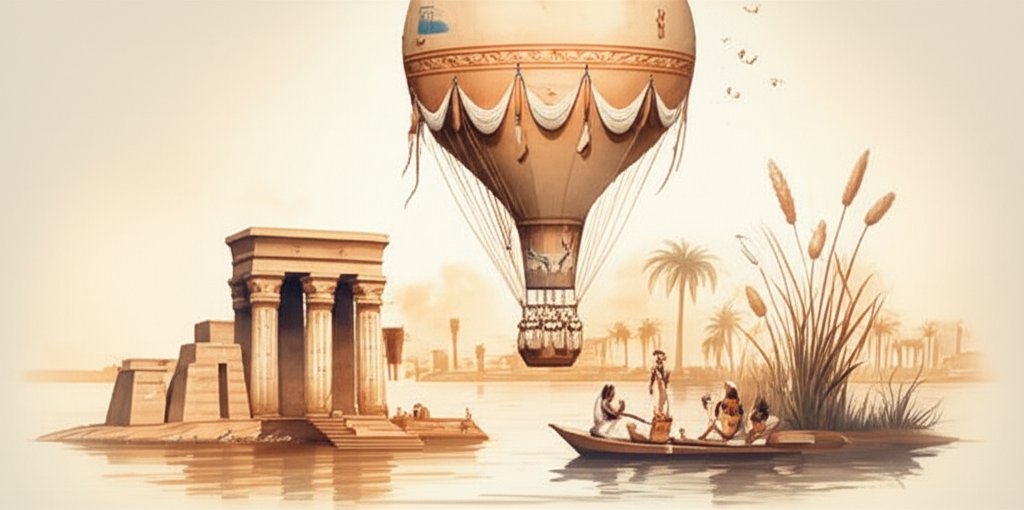
Imagine a world without Netflix, smartphones, or even books as we know them. Yet, people still found ways to unwind and enjoy themselves. That’s the world of ancient Egypt. So, what did Egyptians do for entertainment? From wrestling matches on the banks of the Nile to elaborate religious festivals, the ancient Egyptians knew how to have a good time. Their entertainment wasn’t just about leisure; it was deeply intertwined with their religion, culture, and daily lives.
At a glance:
- Ancient Egyptians enjoyed sports, games, music, and dance.
- Entertainment was a part of both religious and secular life.
- Both the elite and commoners participated in various forms of recreation.
- Storytelling played a crucial role in conveying morals and beliefs.
- Festivals were major sources of entertainment for everyone.
Life’s a Game: The Ancient Egyptian Pursuit of Fun
The ancient Egyptians didn’t just work; they played, celebrated, and found joy in a variety of activities. From the pharaoh to the farmer, entertainment was a vital part of life, serving as a social glue and a way to honor the gods.
Get Physical: Sports and Athletic Competitions
Ancient Egyptians were no couch potatoes. They valued physical fitness and competition, and their sports reflected that.
- Wrestling and Boxing: These were popular spectator sports, often depicted in tomb paintings. Imagine the roar of the crowd as two burly men grappled in the sand!
- Archery: More than just a hunting skill, archery was an elite sport, showcasing precision and strength.
- Water Sports: Living along the Nile, it’s no surprise they loved the water. Swimming, rowing, and even a daring sport called “shooting-the-rapids” were common.
- Team Sports: Evidence suggests they played a form of hockey using palm sticks and a leather ball. Tug-of-war was also a favorite, testing strength and teamwork.
These activities served multiple purposes. They kept people fit, prepared them for military service, and provided exciting entertainment for both participants and onlookers.
The Thrill of the Hunt (and Catch)
Hunting and fishing weren’t just about putting food on the table; they were also forms of recreation, especially for the elite.
- Elite Hunts: Pharaohs and nobles hunted gazelles, birds, and even larger game like lions and hippos. These hunts were elaborate affairs, showcasing their wealth and power.
- Fishing: Commoners fished in the Nile for sustenance, but it also provided a relaxing pastime.
Let the Music Play: Dance and Musical Performances
Music and dance were integral to ancient Egyptian culture, featuring prominently in religious ceremonies, banquets, and celebrations. Egyptians enjoyed six types of dances, including dances for the harem and for religious rituals which indicates the role music and dance played in their culture.
- Instruments: Harps, flutes, lutes, tambourines, cymbals, and pipes filled the air with melodies.
- Dance Troupes: Professional dancers were hired to perform at various events, from banquets to religious festivals.
Imagine the vibrant colors, rhythmic sounds, and graceful movements that brought these events to life!
Board to Death? Not with These Games!
Board games were a popular pastime for Egyptians of all social classes. These games weren’t just about luck; they required strategy and skill.
- Senet: This was more than just a game; it was a symbolic journey to the afterlife, played since around 3100 BC. The board represented the underworld, and the pieces represented the player’s soul.
- Mehen: Also known as the Game of Snakes, this game dates back even further, to before 3000 BC. The rules are still debated by historians, but it clearly involved strategic movement and competition.
- Hounds and Jackals: Another popular game featuring pegs moving around a board.
These games fostered social connection, strategic thinking, and problem-solving skills. Some even believed they could predict the future through gambling linked to divination.
Lights, Camera, Ancient Egypt! The Rise of Theater
While not as prevalent as other forms of entertainment, theater emerged in the 3rd century BCE, evolving from temple performances to outdoor venues. Plays often focused on moral values and honored gods or commemorated significant events.
Party Time! Festivals and Celebrations Galore
Festivals were a major source of entertainment for everyone, offering a chance to celebrate religious and cultural events.
- Opet Festival: A grand procession honoring the Theban Triad: Amun, Mut, and Khonsu, along with the Pharaoh. The festival involved boat processions, feasts, and public celebrations.
- Beautiful Feast of the Valley: A celebration honoring the deceased ancestors, involving visits to tombs and offerings of food and drink.
- Wepet-Renpet (Egyptian New Year): Marked the beginning of the inundation of the Nile, a vital event for agriculture. Celebrations included feasting, music, and dancing.
- Sed Festival: A celebration of the Pharaoh’s power renewal after 30 years of rule. This involved elaborate rituals, processions, and displays of royal authority.
- Feast of Drunkenness: A raucous celebration dedicated to the goddess Hathor. The goal was to become intoxicated to appease the goddess and ensure fertility.
- Festival of Min: Celebrated the fertility god Min with processions, offerings, and agricultural rituals.
- Osiris Festival: Commemorated the life, death, and resurrection of Osiris, a central figure in Egyptian mythology.
- Festival of the Inundation: Celebrated the annual flooding of the Nile, which brought life-giving silt to the land.
These festivals provided entertainment for all social classes, strengthening community bonds and reinforcing religious beliefs.
Little Egyptians: What Did Kids Do for Fun?
Even the youngest Egyptians knew how to have fun. Their games and toys were simple but engaging.
- Dolls: Made from cloth, clay, or even horsehair, dolls were beloved companions.
- Balls: Crafted from palm leaves or fabric, balls were used for chasing games.
- Animal Toys: Clay or wooden animals, sometimes with movable jaws, sparked imagination.
- Pull Cars: Miniature chariots and other vehicles were pulled along, providing hours of entertainment.
- Puppets: Puppets brought stories and characters to life.
Games included chasing, rope pulling, climbing, and a game called “angel dancing.” These activities fostered physical development, social skills, and creativity.
Tales Around the Fire: The Power of Storytelling
Storytelling was a cornerstone of ancient Egyptian culture, passing down myths, heroic tales, and moral lessons.
- Popular Stories: The Tale of Sinuhe and The Tale of the Shipwrecked Sailor are just two examples of captivating stories that have survived to this day.
- Ghost Stories: Even ghost stories were told, offering a glimpse into their beliefs about the afterlife and the supernatural.
These stories conveyed morals, beliefs, and values, shaping the cultural identity of the ancient Egyptians.
More Than Just Fun and Games: The Deeper Meaning
Entertainment in ancient Egypt wasn’t just a way to pass the time. It served several important functions:
- Honoring the Gods: Many forms of entertainment were directly linked to religious ceremonies and festivals, honoring the deities and maintaining cosmic balance.
- Strengthening Social Bonds: Games, festivals, and other communal activities fostered a sense of community and belonging.
- Ensuring Fitness: Sports and physical activities kept people healthy and prepared for the demands of daily life and military service.
- Reflecting Cultural Values: The themes and characters in stories, plays, and art reflected the values and beliefs of Egyptian society.
Debunking Common Misconceptions
- Misconception: Only the wealthy enjoyed entertainment.
- Reality: While the elite had access to more elaborate forms of entertainment, commoners also participated in festivals, games, and storytelling.
- Misconception: Entertainment was frivolous and unimportant.
- Reality: Entertainment played a vital role in religious practice, social cohesion, and cultural transmission.
Modern Takeaways From Ancient Fun
While the world has changed dramatically since the time of the pharaohs, we can still learn from the ancient Egyptians’ approach to entertainment. Their emphasis on community, physical activity, and cultural expression offers valuable lessons for modern life.
Here’s how:
- Embrace Community: Find opportunities to connect with others through shared activities and celebrations.
- Get Active: Prioritize physical fitness through sports, games, or even a simple walk in nature.
- Express Yourself: Engage in creative pursuits like music, dance, or storytelling.
- Find Meaning: Seek out entertainment that enriches your life and connects you to something larger than yourself.
By incorporating these principles into our lives, we can rediscover the joy and meaning that the ancient Egyptians found in their leisure activities. You can organize a game night with friends or family to bond over some friendly competition as the Egyptians did thousands of years ago, perhaps even adapting ancient Egyptian games to modern rules. Now, it’s your turn to get out there and find new ways to have fun!










