
Imagine stepping back in time, not just to witness grand battles and the rise and fall of empires, but to experience the everyday lives of people who lived thousands of years ago. That’s the beauty of studying ancient history culture and society: it’s a journey into the human experience across millennia. From the mud-brick homes of Mesopotamia to the bustling marketplaces of Rome, we can uncover the foundations of our modern world.
This hub will serve as your guide to understanding the multifaceted aspects of ancient history culture and society. We’ll delve into social structures, religious beliefs, technological advancements, and the daily routines of ordinary people in extraordinary times. We’ll visit civilizations like Mesopotamia, Egypt, Greece, Rome, and many more, each contributing unique threads to the tapestry of human history.
Unearthing the Building Blocks of Civilization
Ancient civilizations didn’t just spring up overnight. They were built on innovations in agriculture, sophisticated trade networks, and intricate social organizations. Think about the specialization of labor – a farmer growing food, a craftsman creating tools, a scribe recording information. This division of labor was crucial for the growth of communities and, ultimately, the development of complex societies. Social stratification, where people were ranked in a hierarchical system, also played a significant role. To understand where modern ideas about class and wealth come from we can revisit these ancient examples.
We can trace the evolution of these concepts through the relics, texts and art they left behind. Take the Incans, for example; Between 1438 and 1532, they blossomed from a small tribe to being South America’s largest empire in the pre-Columbian era.
Power, Faith, and the Foundations of Governance
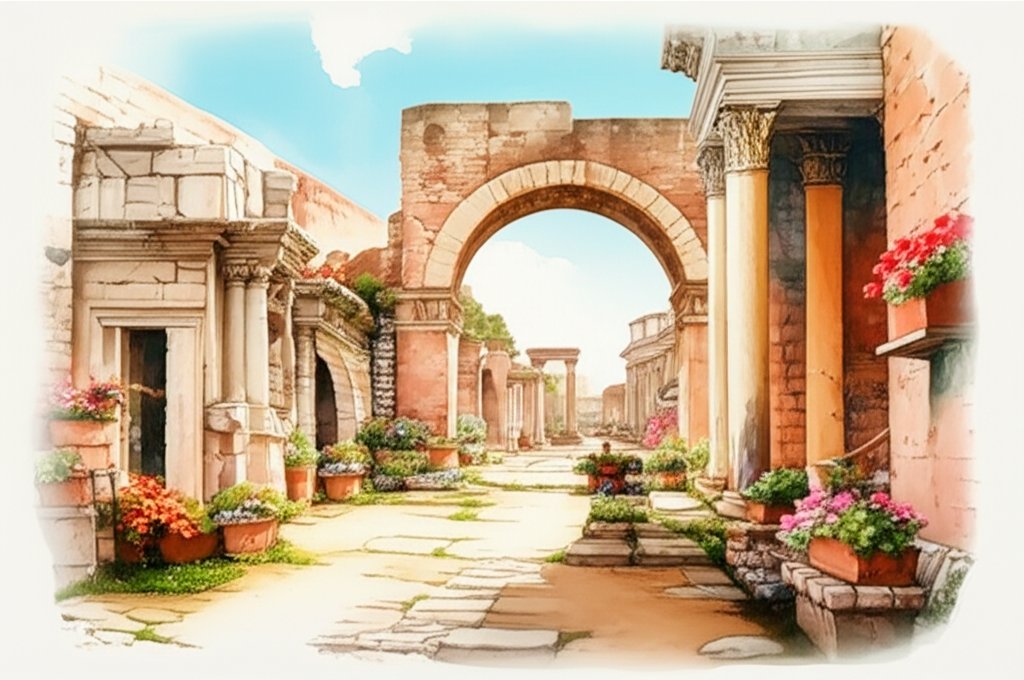
The concept of power in the ancient world was often intertwined with religion. Divine kingship, the belief that rulers were chosen by the gods, was a common theme. This fusion of religious authority and political power shaped the relationship between the state and its people. We still see echoes of this in some modern political systems and certainly in many of our social and cultural institutions.
Law played a vital role, too. The codification of laws, like the famous Code of Hammurabi, provided a framework for social order and influenced the development of modern legal systems. Consider how early administrative systems laid the groundwork for the governments we have today. All this, and more, is part of ancient history culture and society.
Arts, Entertainment, and the Pursuit of Leisure
Life in the ancient world wasn’t all work and no play. People found ways to entertain themselves, express their creativity, and celebrate their beliefs. From elaborate religious festivals to athletic competitions, art, and music, ancient cultures had their own unique forms of entertainment. While the lives of the people of Ancient Egypt may be lost to the sands of time, you can learn more about what did egyptians do for.
Connecting the Past to the Present

Studying ancient history culture and society isn’t just about learning about the past; it’s about understanding the present. We can see how ancient civilizations influenced everything from our political systems to our urban planning, from our art to our religious practices. Understanding the roots of our culture helps us better navigate the complexities of the modern world.
Delving Deeper: Exploring Individual Civilizations
Ready to embark on a more focused journey? Each of the following civilizations offers a unique lens through which to view the ancient history culture and society.
- Ancient Greece: From their philosophical innovations to their democratic ideals, the Ancient Greeks left an indelible mark on Western civilization. Their art, literature, and architecture continue to inspire us today. If you want to Pelajari lebih lanjut tentang era Yunani, then check out the guide.
- Mesopotamia: Often referred to as the “cradle of civilization,” Mesopotamia was home to some of the earliest cities, writing systems, and legal codes. It was also the birthplace of impressive social and political structures. Consider the social pyramid as one example of hierarchy.
- Ancient Rome: From their engineering marvels to their vast empire, the Romans shaped the course of European history. Their legal system, language, and political institutions have had a lasting impact on the world.
- Ancient Egypt: With its towering pyramids and enigmatic pharaohs, Ancient Egypt continues to fascinate us. Their religious beliefs, artistic achievements, and technological advancements show an impressive society.
- Australian Aboriginals: The most mind-bending ancient civilization that is still around which indigenous people arrived in Australia 50,000 years ago. They remain today.
- Other Civilizations: Don’t forget other important civilizations like the Indus Valley Civilization, the Mayan Civilization, the Chinese Civilization, and the Persian Civilization. Each civilization offers unique perspectives on ancient life, culture, and society.
Looking Ahead: The Enduring Legacy
The study of ancient history culture and society isn’t just an academic pursuit; it’s a journey of self-discovery. By understanding the past, we can gain a deeper appreciation for the present and a clearer vision for the future. We can also honor the legacy of those who came before us, whose innovations and struggles shaped the world we live in today. As an exercise, imagine what the future may say about our society.










