
Ever feel like love’s a puzzle wrapped in a mystery, sprinkled with a little bit of madness? The ancient Greeks certainly did. Their philosophies and stories are filled with observations on love that still ring true, even thousands of years later. In fact, many of our modern ideas about love, from soulmates to the agony of heartbreak, have roots in ancient Greece. Let’s dive into some of the most insightful ancient greek quotes on love and see what wisdom they offer for our own lives.
At a glance:
- The Greeks understood love in many forms, from passionate eros to brotherly philia.
- Their quotes often explore the complexities and contradictions of love.
- Many quotes emphasize the importance of wisdom and self-knowledge in love.
- These ancient insights can help us navigate our own relationships and understand the enduring human experience.
- Ancient perspectives can offer fresh insights that can improve your love life.
The Many Faces of Love in Ancient Greece
The ancient Greeks didn’t just have one word for love; they had several, each describing a different facet of this complex emotion. Understanding these nuances can shed light on the different ways we experience love in our own lives.
- Eros: This refers to passionate, romantic love, often associated with physical attraction and desire. Think of Cupid, or Eros himself, the god of love and desire.
- Philia: This describes the deep, affectionate friendship between equals. It involves loyalty, trust, and shared values. Ancient Wisdom on Love Aristotle considered philia essential for a fulfilling life.
- Agape: This is unconditional, selfless love, often associated with divine love or the love of humanity.
- Storge: This refers to familial love, the natural affection between parents and children.
- Ludus: This describes playful, flirtatious love, often characterized by lightheartedness and enjoyment.
Timeless Wisdom: Ancient Greek Quotes on Love

Now, let’s explore some specific quotes and unpack their meaning for us today.
The Poet in All of Us: Love’s Transformative Power
Plato, one of the most influential philosophers of all time, famously said, “At the touch of love, everyone becomes a poet.” This speaks to the way love can inspire creativity, change our perception, and make us see the world in a new light. Love can unlock a part of ourselves we didn’t know existed, giving us the courage to express our deepest feelings.
But Plato also had a darker side to his view of love. He also stated, “Love is a serious mental disease.” This quote might seem harsh, but it acknowledges the obsessive, sometimes irrational nature of love. It highlights the potential for love to consume us, leading to intense emotions and even suffering. It reminds us to maintain balance and self-awareness, even in the throes of passion.
Two Souls, One Body: Love’s Unity
Aristotle, Plato’s student, offered a different perspective. “Love is composed of a single soul inhabiting two bodies,” he wrote. This beautiful quote captures the sense of unity and deep connection that true love can bring. It suggests that love transcends physical boundaries, creating a bond so profound that two individuals feel like one. It underscores the power of companionship in loving relationships.
Forgiveness and Acceptance: The Bedrock of Lasting Love
While the phrase “Love is an endless act of forgiveness” isn’t directly attributed to an ancient Greek philosopher, it echoes a sentiment found throughout their writings on love and relationships. The idea that love involves overlooking flaws and embracing imperfections is essential for building lasting bonds. Loves wisdom from ancient voices Without forgiveness, resentments can fester and ultimately destroy even the strongest connections.
Finding Happiness
Democritus: “Happiness resides not in possessions, and not in gold; happiness dwells in the soul.” This quote reminds us that true happiness isn’t found in material things but within ourselves. Love, as a source of deep connection and emotional well-being, is a key component of this inner happiness.
The Importance of Mindful Living
Although this quote might not be directly about romantic love, it has vast implications on relationships. Nagarjuna: “Although you may spend your life killing, you will not exhaust all your foes. But if you quell your own anger, your real enemy will be slain.” This quote underscores that managing our emotions, especially anger, is key to a peaceful and loving life.
Understanding Time
Pericles: “Time is the wisest counselor of all.” While not specifically about love, this quote reminds us that time can heal wounds, provide perspective, and ultimately guide us towards wisdom in relationships.
Practical Applications: How to Use Ancient Wisdom in Your Modern Love Life
Okay, so we’ve explored some fascinating quotes. But how can we actually use this ancient wisdom in our relationships today?
- Reflect on your own definition of love: Consider the different types of love described by the Greeks. Which ones are most important to you? How do you express them in your relationships?
- Embrace the imperfections: Remember that love involves forgiveness and acceptance. Don’t expect your partner (or yourself) to be perfect.
- Cultivate friendship: Nurture the philia aspect of your romantic relationships. Build a foundation of trust, loyalty, and shared values.
- Seek wisdom and self-knowledge: Understand your own needs, desires, and patterns in relationships. This will help you make better choices and build healthier connections.
- Practice mindfulness: Be present in your relationships. Pay attention to your partner’s needs and communicate your own feelings openly and honestly.
- Remember the transformative power of love: Allow love to inspire you, challenge you, and help you grow as a person.
- Communicate openly: Talk to your partner and have open communication.
Addressing Common Questions About Love
Let’s tackle some common questions and misconceptions about love, drawing on the wisdom of the ancient Greeks.
Q: Is passionate love (eros) the only “real” love?
A: No. While eros is a powerful and exciting emotion, it’s just one aspect of love. The Greeks recognized the importance of other types of love, such as philia (friendship) and agape (unconditional love), for a fulfilling life. Each has its place!
Q: Is it possible to have “too much” love?
A: Plato’s quote about love being a “serious mental disease” suggests that love can become obsessive or destructive if it’s not balanced with reason and self-awareness. It’s important to maintain a sense of identity and independence, even in the closest relationships.
Q: How can I find “true love”?
A: The ancient Greeks didn’t necessarily believe in a single “soulmate” for everyone. Instead, they emphasized the importance of finding someone with whom you share values, interests, and a deep connection. True love is something you cultivate over time, through commitment, communication, and mutual respect. Love Lessons from Greek Myths
Q: What do ancient Greek philosophers suggest about self-love?
A: While they didn’t explicitly discuss “self-love” in the way we do today, their emphasis on self-knowledge and virtue suggests that taking care of oneself – mentally, emotionally, and physically – is essential for living a good life and forming healthy relationships.
Common Pitfalls to Avoid in Love, According to the Ancients
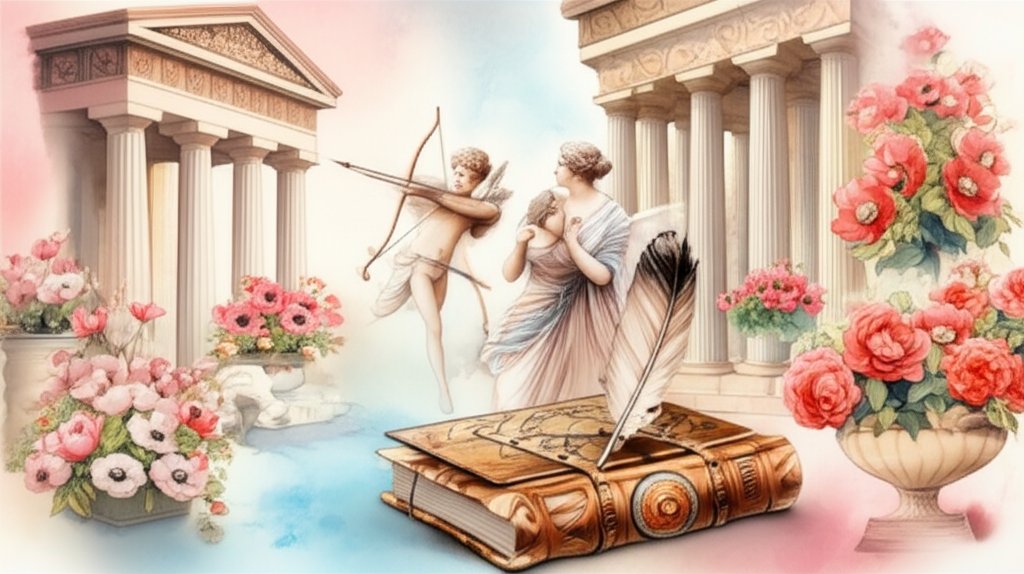
The ancient Greeks also offer warnings about potential pitfalls in love:
- Blindness to flaws: Letting passion cloud your judgment and ignoring red flags.
- Jealousy and possessiveness: Allowing insecurity and fear to control your behavior.
- Lack of communication: Failing to express your needs and listen to your partner’s.
- Neglecting friendship: Forgetting to nurture the philia aspect of your relationship.
- Unrealistic expectations: Believing in fairy tales and expecting your partner to fulfill all your needs.
Beyond Romance: Love in a Broader Context
It’s important to remember that the ancient Greeks viewed love not just in the context of romantic relationships, but also in the broader context of society and humanity. Agape, the unconditional love for all, was considered a virtue that could contribute to a more just and compassionate world. So, consider how you can extend your love beyond your immediate circle and contribute to the well-being of others.
Taking Action: Start Cultivating Love Today
So, where do you go from here? The wisdom of the ancient Greeks offers a timeless framework for understanding and cultivating love in our lives. Start by reflecting on your own experiences and beliefs about love. Consider the different types of love and how they manifest in your relationships. And remember that love is not just a feeling, but also a choice – a commitment to nurturing connection, practicing forgiveness, and striving for mutual understanding. Timeless words of love.
The final thought comes from Buddha: “What we are today comes from our thoughts of yesterday, and our present thoughts build our life of tomorrow. Our life is the creation of our mind.” Think about this to cultivate a life full of fulfilling relationships.










