
Untuk gambaran yang lebih besar dan konteks penuh, pastikan Anda membaca panduan utama kami tentang The Evolution of Credit Scoring: Are Social Scores Next?.
markdown
Ever wondered why you got turned down for that apartment or car loan? The answer often boils down to answering: Why is my credit score important? It’s more than just a number; it’s a financial report card that lenders use to assess your trustworthiness.
At a glance:
- Understand the direct impact of your credit score on loan interest rates and approval odds.
- Explore how your credit influences opportunities beyond borrowing, like renting an apartment or securing a job.
- Learn how to practically improve your score to unlock better financial opportunities.
- Debunk common credit score myths and avoid costly mistakes.
- Discover how alternative data may influence credit scoring in the future.
Unlocking Financial Doors: How Your Credit Score Opens (or Closes) Them
Your credit score is a three-digit number that summarizes your creditworthiness. Lenders use it to determine the risk of lending you money. A higher score indicates lower risk, translating to better interest rates and a higher chance of approval for loans, credit cards, and mortgages. Conversely, a lower score signals higher risk, potentially leading to rejection or unfavorable terms. For instance, someone with a credit score of 750 might qualify for a mortgage with a 3% interest rate, while someone with a score of 650 might face a 5% rate – adding tens of thousands of dollars to the total cost of the loan.
Lenders primarily rely on reports from the three major credit bureaus – Equifax, Experian, and TransUnion. These bureaus use scoring models like FICO and VantageScore to calculate your score based on factors like payment history, amounts owed, length of credit history, new credit, and credit mix. Understanding these factors is key to improving your score.
Beyond Loans: The Surprising Ways Your Credit Score Matters
The impact of your credit score extends far beyond just loans and credit cards. It affects various aspects of your life you might not even realize.
- Renting an Apartment: Landlords often check credit scores to assess a prospective tenant’s reliability. A good score increases your chances of approval and may even help you negotiate better lease terms.
- Getting a Job: Some employers, especially in the financial sector, check credit reports as part of the hiring process. They see it as an indicator of responsibility and trustworthiness.
- Insurance Rates: Insurers may use your credit score to determine your premiums. Studies have shown a correlation between credit scores and the likelihood of filing claims, so those with lower scores might pay more.
- Utility Services: Utility companies may require a deposit if you have a low credit score, while those with good credit often get this waived.
Consider Sarah’s situation: she applied for a new apartment but was initially rejected due to a low credit score caused by late payments on a student loan. After negotiating with the landlord and providing proof of consistent income and responsible financial behavior in other areas, she was eventually approved, highlighting the importance of understanding and addressing credit score issues.
Boosting Your Score: Practical Steps You Can Take Today
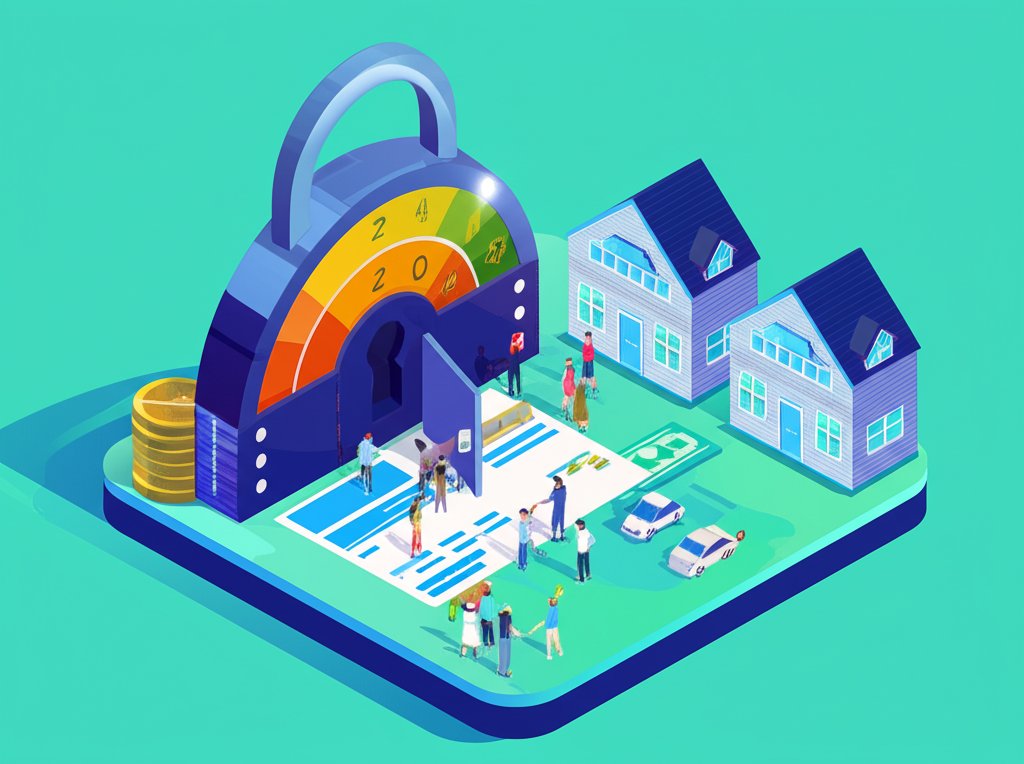
Improving your credit score isn’t an overnight process, but consistent effort can yield significant results. Here’s a practical guide:
- Pay Your Bills on Time: Payment history is the most crucial factor in determining your credit score (35%), so set reminders and automate payments to avoid late fees and negative marks.
- Keep Credit Utilization Low: Aim to use less than 30% of your available credit on each card. For example, if you have a credit card with a $10,000 limit, try to keep your balance below $3,000.
- Check Your Credit Report Regularly: Obtain free copies of your credit report from AnnualCreditReport.com to identify any errors or inaccuracies and dispute them promptly.
- Don’t Open Too Many Accounts at Once: Opening multiple credit accounts in a short period can lower your average account age and potentially hurt your score.
- Consider a Secured Credit Card or Credit-Builder Loan: These options are designed for individuals with little or no credit history to establish a positive credit record.
- Become an Authorized User: Ask a trusted friend or family member with a good credit history to add you as an authorized user on their credit card. Their responsible credit usage will reflect positively on your credit report.
Common Credit Score Myths Debunked
Several misconceptions surround credit scores, leading to confusion and potentially harmful financial decisions. Let’s clarify some of the most prevalent myths:
- Myth: Checking your own credit score will lower it.
- Reality: Checking your own credit score with a soft inquiry does not impact your score. Only hard inquiries, typically associated with applying for credit, can have a minor, temporary effect.
- Myth: Closing old credit card accounts will improve your credit score.
- Reality: Closing old credit card accounts can actually hurt your score, especially if they represent a significant portion of your available credit. Keeping them open (and using them responsibly) can increase your credit utilization ratio and improve your score.
- Myth: You only have one credit score.
- Reality: You have multiple credit scores, as each credit bureau uses different scoring models. Lenders may use different scores depending on the type of loan they’re offering.
- Myth: All debt is bad for your credit score.
- Reality: Having some debt and managing it responsibly can actually boost your credit score. It demonstrates your ability to handle credit and make timely payments.
The Future of Credit Scoring: Alternative Data and Beyond
Traditional credit scoring relies heavily on past borrowing and repayment behavior. However, this system can disadvantage those with limited or no credit history, often called “credit invisibles.” To address this limitation, alternative data sources are gaining traction. These include:
- Rent Payments: Consistently paying your rent on time can positively impact your creditworthiness. Some services report rent payments to credit bureaus.
- Utility Payments: Similar to rent, on-time utility payments can demonstrate your financial responsibility. Experian Boost is a program that allows you to add utility and telecom payments to your Experian credit report.
- Bank Account Data: Analyzing your bank account activity, including cash flow, savings, and overdraft history, can provide a more comprehensive picture of your financial health.
These alternative data sources are particularly beneficial for young adults, immigrants, and others who may not have a long credit history. While the integration of alternative data is still evolving, it represents a promising step toward more inclusive and accurate credit scoring. Learn about credit scoring’s future and its evolution beyond traditional metrics.
Addressing Concerns: Data Privacy and Potential Biases
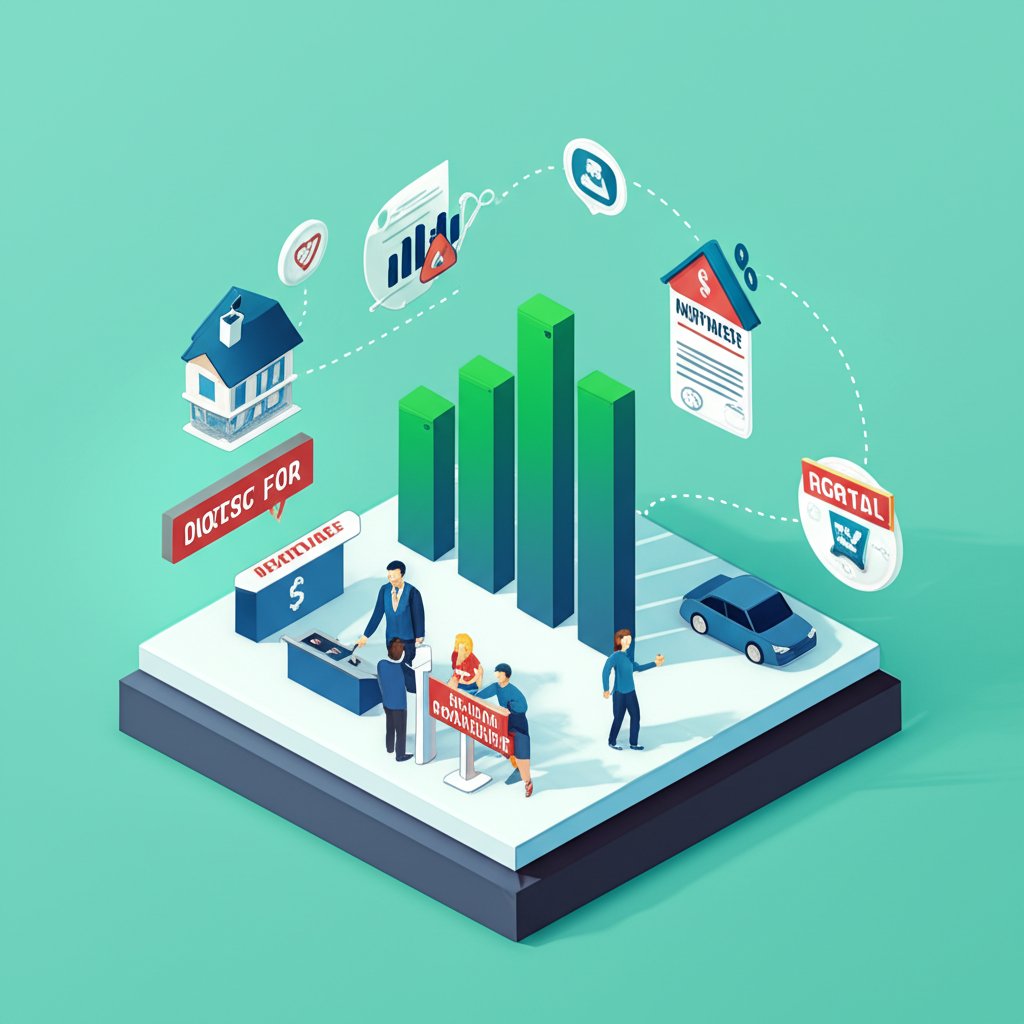
While the use of alternative data offers numerous benefits, it also raises concerns about data privacy and potential biases. It’s crucial to ensure that data collection and usage are transparent, secure, and compliant with regulations like the Fair Credit Reporting Act (FCRA) in the US and the General Data Protection Regulation (GDPR) in Europe.
There are also concerns that algorithms used to analyze alternative data may perpetuate existing biases, particularly against marginalized communities. Therefore, ongoing monitoring and evaluation are essential to ensure fairness and equity in credit scoring.
Your Credit Score Playbook: A Quick Start Guide
Want to take immediate action? Here’s a quick start guide:
- Check your credit report: Visit AnnualCreditReport.com and request reports from all three bureaus.
- Identify and dispute errors: Correct any inaccuracies you find on your reports.
- Set up payment reminders: Automate bill payments to avoid late fees.
- Lower credit utilization: Pay down credit card balances to below 30% of your credit limit.
- Consider Experian Boost: Add utility and telecom payments to your Experian credit report.
Quick Answers: FAQs About Credit Scores
- Q: How long does it take to improve my credit score?
- A: It depends on the factors affecting your score. Addressing negative marks like late payments can take several months to a year to show significant improvement.
- Q: What is a good credit score?
- A: Generally, a score of 700 or higher is considered good, while a score of 750 or higher is considered excellent.
- Q: What if I don’t have any credit history?
- A: Consider opening a secured credit card or credit-builder loan, or ask a trusted friend or family member to add you as an authorized user on their credit card.
- Q: How often should I check my credit report?
- A: You should check your credit report at least once a year to identify and correct any errors. You can also sign up for credit monitoring services that provide ongoing updates.
- Q: Can I remove negative information from my credit report?
- A: You can dispute inaccurate or outdated information on your credit report. However, accurate negative information typically remains on your report for seven years.
Taking Control: Your Credit Score, Your Financial Future
Understanding credit scores is not just about qualifying for loans; it’s about taking control of your financial future. By actively managing your credit and making informed decisions, you can unlock opportunities, save money, and achieve your financial goals. Start today, and watch your financial horizons expand.










