Untuk gambaran yang lebih besar dan konteks penuh, pastikan Anda membaca panduan utama kami tentang Future of Credit Cards: Whats Next for Your Wallet?.
markdown
Tired of fumbling for your credit card at checkout? Mobile wallets are streamlining payments, but understanding how they interact with your existing credit cards is key to maximizing convenience and security.
At a glance:
- Learn how mobile wallets work and their security features.
- Discover the benefits of using credit cards within mobile wallets.
- Understand the rise of “super apps” and their impact on your finances.
- Explore emerging trends like digital ID wallets and wearable payments.
- Get practical steps to set up and use mobile wallets securely with your credit cards.
What Exactly Is a Mobile Wallet?
Think of a mobile wallet as a digital version of your physical wallet, stored on your smartphone or smartwatch. It securely holds your credit card information (and sometimes loyalty cards, transit passes, and even digital IDs) and allows you to make contactless payments at participating merchants. Instead of swiping or inserting your physical card, you simply tap your device at the point-of-sale (POS) terminal. It’s quick, convenient, and increasingly popular.
How Mobile Wallets Work With Credit Cards
The magic behind mobile wallets lies in Near Field Communication (NFC) technology. When you add a credit card to your mobile wallet, the app typically goes through a verification process with your bank or card issuer. Once verified, it replaces your actual card number with a unique digital “token.” This process, called tokenization, is a crucial security measure.
Here’s how it works step-by-step:
- Adding Your Card: You enter your credit card information (or scan it with your phone’s camera) into the mobile wallet app (e.g., Apple Pay, Google Pay, Samsung Pay).
- Verification: The app sends your card details to your bank or card issuer for verification. This often involves a text message or email with a one-time code.
- Tokenization: Once verified, your card number is replaced with a unique token. This token is stored securely on your device.
- Making a Payment: When you tap your phone at a contactless payment terminal, the device sends the token (not your actual card number) to the merchant.
- Transaction Processing: The merchant’s payment processor decrypts the token and sends it to your bank for authorization.
Security: Are Mobile Wallets Safer Than Physical Cards?
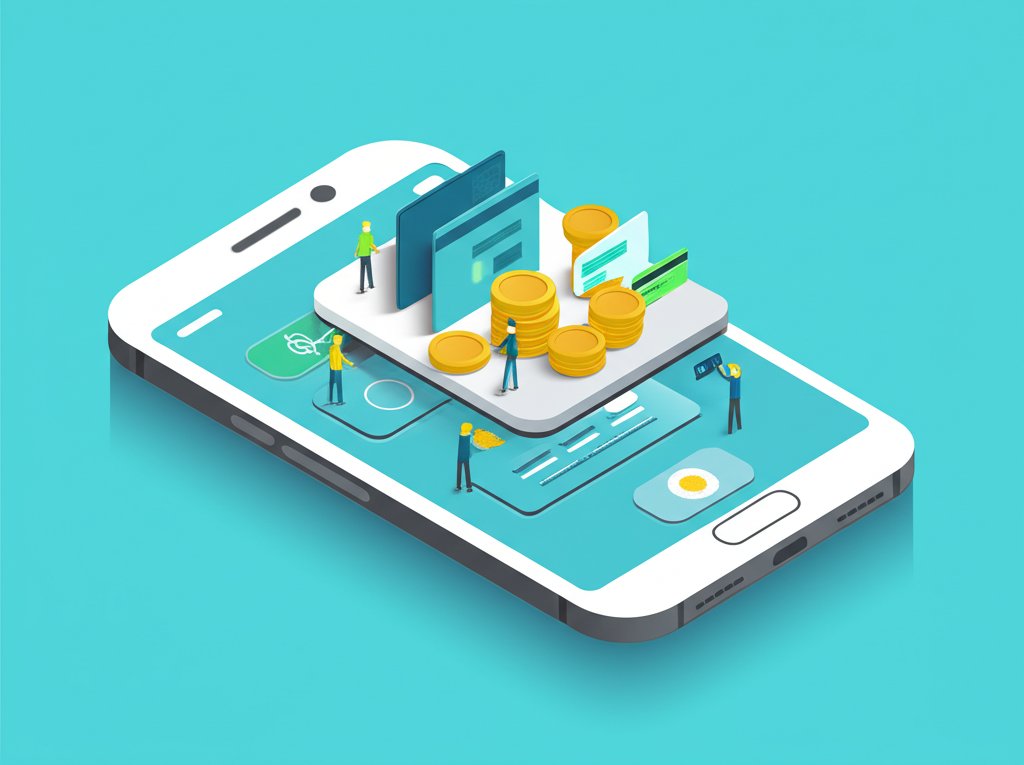
In many ways, yes. Mobile wallets offer enhanced security features like:
- Tokenization: As mentioned earlier, this prevents your actual card number from being exposed during transactions.
- Biometric Authentication: Most mobile wallets require fingerprint or facial recognition to authorize payments, adding an extra layer of security.
- Device-Level Security: If your phone is lost or stolen, you can remotely lock or wipe the device to prevent unauthorized access to your mobile wallet.
- Real-Time Notifications: You receive instant notifications for every transaction, allowing you to quickly identify and report any fraudulent activity.
That said, remember that mobile wallets are only as secure as your device. Use a strong password or PIN, enable biometric authentication, and keep your device’s software up to date.
Credit Card Rewards and Mobile Wallets: Double Dipping?
Absolutely! One of the best things about using mobile wallets with your credit cards is that you can still earn all the rewards, cashback, or points that your card offers. The transaction is still processed as a credit card purchase, so you’re eligible for all the same benefits.
For example, if you have a credit card that offers 2% cashback on all purchases, you’ll still earn that 2% when you use your card through a mobile wallet. This makes mobile wallets a convenient way to maximize your credit card rewards. You can explore the Future of Credit and learn more about how credit cards are evolving to offer even more personalized rewards.
“Super Apps”: More Than Just a Wallet
The future of mobile wallets is heading towards “super apps”—single platforms that offer a wide range of services beyond just payments. Think of apps like Alipay and WeChat in Asia, which allow you to pay bills, book flights, order food, invest money, and much more, all within a single app.
In the US, PayPal and Venmo are evolving in this direction, adding features like cryptocurrency trading and cashback rewards. These super apps aim to become your all-in-one financial hub, simplifying your life and streamlining your finances.
Emerging Trends: Digital IDs and Wearable Payments
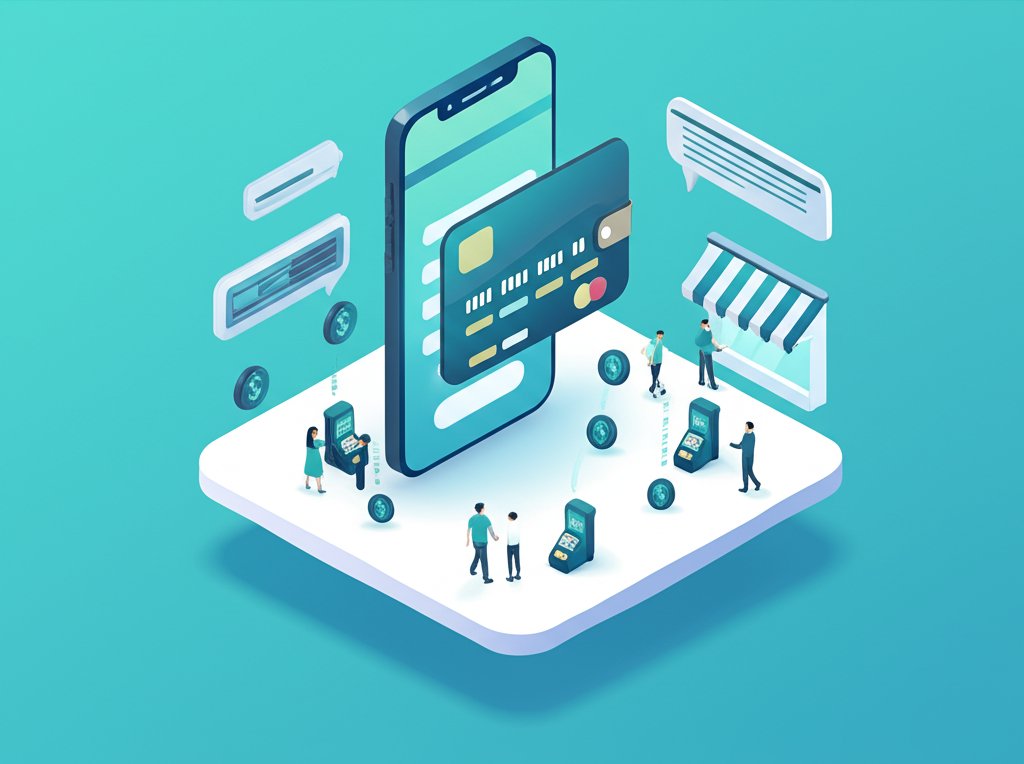
The mobile wallet is evolving beyond just a payment tool. Here are a few emerging trends to watch:
- Digital ID Wallets: Imagine storing your driver’s license, passport, and other forms of identification securely on your phone. Apple is already launching digital IDs for Apple Wallet, and other companies are exploring similar solutions. This could revolutionize how we verify our identity in various situations, from airport security to age verification at bars.
- Wearable Payments: Smartwatches and fitness trackers are already popular for contactless payments. But companies are also developing NFC-enabled key fobs, rings, and even implants for even more seamless transactions. The wearable payment device market is expected to reach $1.3 trillion by 2028, so expect to see more innovative wearable payment options in the future.
Quick Answers: Common Questions About Mobile Wallets
- Q: Are mobile wallets free to use?
A: Generally, yes. Most mobile wallet apps are free to download and use. However, your bank or card issuer may charge fees for certain transactions, such as foreign currency conversions. Always check with your bank for details. - Q: What if my phone gets lost or stolen?
A: You can remotely lock or wipe your device to prevent unauthorized access to your mobile wallet. Contact your bank or card issuer to suspend or cancel your credit cards. - Q: Can I use a mobile wallet anywhere?
A: Mobile wallets are accepted at any merchant that supports contactless payments (indicated by the contactless payment symbol). The adoption of contactless payments is growing rapidly, so you’re likely to find more and more places that accept mobile wallets. - Q: What happens if the merchant asks for ID when I pay with my mobile wallet?
A: Some merchants may ask for ID to verify your identity, especially for large transactions. Be prepared to show a physical form of identification, such as your driver’s license.
Practical Playbook: Getting Started with Mobile Wallets
Ready to ditch your physical wallet and embrace the convenience of mobile payments? Here’s a step-by-step guide:
- Choose a Mobile Wallet: Decide which mobile wallet app is right for you. Popular options include Apple Pay (for iOS devices), Google Pay (for Android devices), and Samsung Pay (for Samsung devices). Your bank may also offer its own mobile wallet app.
- Download and Install the App: Download the mobile wallet app from the App Store or Google Play Store and follow the on-screen instructions to install it.
- Add Your Credit Cards: Open the app and add your credit cards by scanning them with your phone’s camera or entering the card details manually. You’ll need to verify your card with your bank or card issuer.
- Set Up Authentication: Enable biometric authentication (fingerprint or facial recognition) for an extra layer of security.
- Start Paying: When you’re at a participating merchant, simply tap your phone at the contactless payment terminal and authenticate with your fingerprint or facial recognition.
Tips for Secure Mobile Wallet Usage:
- Use a strong password or PIN for your phone.
- Enable biometric authentication for your mobile wallet app.
- Keep your phone’s software up to date.
- Review your transactions regularly for any unauthorized activity.
- Report any suspicious activity to your bank or card issuer immediately.
Embrace the Future of Payments
Mobile wallets and credit cards are intertwined in the future of payments. By understanding how they work together, you can take advantage of the convenience, security, and rewards they offer. Embrace the future of finance and make your wallet a little lighter (and a lot smarter).










