
Untuk gambaran yang lebih besar dan konteks penuh, pastikan Anda membaca panduan utama kami tentang Credit Card Legislation and Consumer Protection: Know Your Rights.
markdown
Are you buried under credit card debt, facing unfair fees, or being harassed by debt collectors? Knowing when to find a consumer credit lawyer can be the crucial step in protecting your rights and regaining control of your financial situation.
At a glance:
- Recognize common credit card issues that warrant legal help.
- Learn how to evaluate and choose the right consumer credit lawyer.
- Understand what a consumer credit lawyer can do for you, from negotiation to litigation.
- Discover alternatives to hiring a lawyer, such as credit counseling.
- Know your rights under key credit card legislation like the Credit CARD Act.
Is It Time to Find a Consumer Credit Lawyer? Key Indicators
Not every credit card problem requires hiring a lawyer. However, certain situations definitely warrant seeking legal assistance. Think of it as a spectrum: simple disputes might be resolvable on your own, while complex issues demand expert guidance. Here are some scenarios where a lawyer’s expertise becomes invaluable:
- Debt Collection Harassment: Are debt collectors calling you incessantly, using abusive language, or threatening legal action they can’t realistically pursue? This violates the Fair Debt Collection Practices Act (FDCPA). For example, if a collector calls you multiple times a day after you’ve asked them to stop in writing, that’s harassment.
- Credit Report Errors: Do you have inaccurate or outdated information on your credit report that’s affecting your credit score and ability to get loans? While you can dispute errors yourself under the Fair Credit Reporting Act (FCRA), a lawyer can help if the credit bureaus are unresponsive or continue to report inaccurate information.
- Debt Lawsuits: Have you been sued by a credit card company or debt collector? Ignoring the lawsuit won’t make it go away; it will likely result in a default judgment against you. A lawyer can help you understand your options, negotiate a settlement, or defend yourself in court.
- Violations of the Credit CARD Act: Did your credit card company raise your interest rate retroactively or without proper notice, charge excessive fees, or engage in other practices that violate the Credit CARD Act? This type of violation may require a lawyer’s help to rectify.
- Bankruptcy Considerations: Are you considering filing for bankruptcy to discharge credit card debt? A bankruptcy lawyer can advise you on the best course of action and guide you through the bankruptcy process.
Finding the Right Consumer Credit Lawyer: What to Look For

Finding a competent consumer credit lawyer is essential. Here’s how to approach the search:
- Specialization: Look for lawyers who specifically focus on consumer credit law. General practice attorneys might not have the in-depth knowledge and experience needed to handle complex credit card issues.
- Experience: How long has the lawyer been practicing consumer credit law? What types of cases have they handled? Ask for examples of successful outcomes they’ve achieved for their clients.
- Reputation: Check online reviews and ratings of the lawyer. See what other clients have to say about their experience. You can also check with your state’s bar association to see if the lawyer has any disciplinary actions on their record.
- Fees and Payment Options: Understand the lawyer’s fees upfront. Do they charge an hourly rate, a flat fee, or work on a contingency basis? Get a written fee agreement that clearly outlines the scope of services and payment terms. Some lawyers offer free initial consultations.
- Communication: Choose a lawyer who communicates clearly and responsively. You should feel comfortable asking questions and getting updates on your case.
Where to Search:
- State and Local Bar Associations: Many bar associations have referral services that can connect you with qualified attorneys in your area.
- National Association of Consumer Advocates (NACA): NACA is a non-profit organization of attorneys committed to representing consumers in disputes with businesses. Their website has a directory of consumer law attorneys.
- Online Search Engines: Use search terms like “consumer credit lawyer near me” or “debt defense attorney” to find lawyers in your area. Be sure to vet any lawyers you find online before hiring them.
What a Consumer Credit Lawyer Can Do For You: A Toolkit of Solutions
A consumer credit lawyer can provide a range of services to help you resolve credit card problems. Their role can vary depending on your situation, but here are some common actions they take:
- Negotiation: A lawyer can negotiate with credit card companies or debt collectors to reduce your debt, lower your interest rate, or establish a payment plan. They can often achieve better results than you could on your own because they understand the law and know how to present your case effectively.
- Dispute Credit Report Errors: Lawyers can assist in disputing inaccurate information on your credit report. If the credit bureaus are unresponsive, a lawyer can file a lawsuit to force them to correct the errors.
- Defend Against Debt Lawsuits: If you’ve been sued for credit card debt, a lawyer can represent you in court. They can raise legal defenses, challenge the validity of the debt, and negotiate a settlement.
- File Lawsuits for FDCPA or FCRA Violations: If you’ve been subjected to debt collection harassment or credit reporting errors, a lawyer can file a lawsuit against the debt collector or credit bureau. You may be entitled to damages for emotional distress, attorney’s fees, and other costs.
- Provide Guidance on Bankruptcy: A lawyer can advise you on whether bankruptcy is the right option for you. If you decide to file, they can help you prepare the necessary paperwork and represent you in court.
Example: Imagine you receive a debt collection letter for a credit card you never opened. You dispute the debt with the collection agency and the credit bureaus, but they insist the debt is valid. A consumer credit lawyer can investigate the matter, gather evidence to prove the debt is fraudulent, and file a lawsuit if necessary.
Alternatives to Hiring a Lawyer: Exploring Your Options
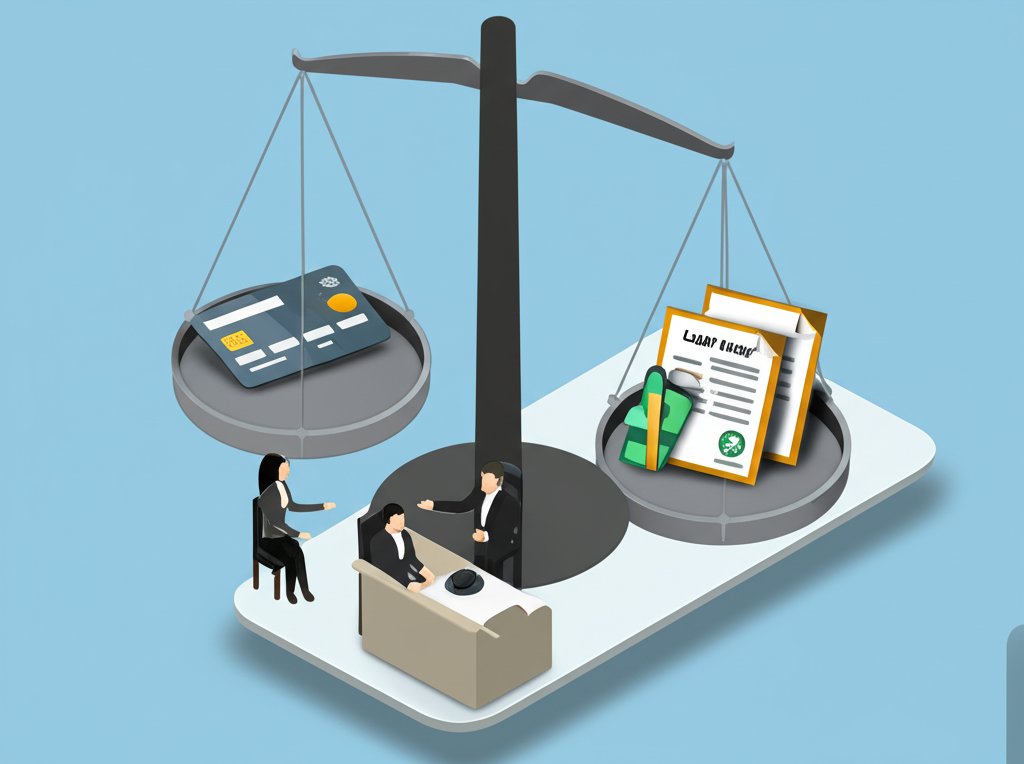
While hiring a lawyer can be the best course of action in some cases, it’s not always necessary or affordable. Here are some alternatives to consider:
- Credit Counseling: Non-profit credit counseling agencies can provide budget counseling, debt management plans, and education on credit and debt. These services are often free or low-cost. A credit counselor can help you create a plan to repay your debts and avoid future financial problems.
- Debt Settlement Companies: Debt settlement companies negotiate with your creditors to reduce the amount you owe. However, these companies often charge high fees, and there’s no guarantee they’ll be successful. Be wary of debt settlement companies that make unrealistic promises or ask for upfront fees.
- Negotiate Directly with Creditors: You can try negotiating with your credit card companies yourself. Explain your situation and ask if they’re willing to lower your interest rate, waive fees, or establish a payment plan.
- Legal Aid Societies: Legal aid societies provide free or low-cost legal services to low-income individuals. These societies may be able to help you with credit card problems, depending on your income and the availability of resources.
Decision Tree:
- Is the Issue Complex or Resulted in a Lawsuit? If no, proceed to step 2. If yes, consider a lawyer.
- Can You Negotiate with Creditors directly? If yes, try it. If no, proceed to step 3.
- Can a Credit Counselor Help? If yes, this is a good place to start. If no, consider a lawyer.
Quick Answers: Common Questions About Consumer Credit Lawyers
- How much does a consumer credit lawyer cost? Costs vary depending on the lawyer’s experience, the complexity of the case, and the fee arrangement. Some lawyers charge an hourly rate, while others charge a flat fee or work on a contingency basis. Get a written fee agreement upfront.
- Can I represent myself in court? Yes, you have the right to represent yourself in court (pro se). However, it’s generally not recommended, especially if the case is complex. A lawyer can help you understand the law, present your case effectively, and protect your rights.
- What is the statute of limitations on credit card debt? The statute of limitations is the time limit within which a creditor can sue you to collect a debt. The statute of limitations for credit card debt varies by state, typically ranging from three to six years. After the statute of limitations expires, the creditor can no longer sue you, but they can still try to collect the debt.
- What is the Credit CARD Act? The Credit CARD Act of 2009 is a federal law that provides protections for credit card holders. It mandates transparency in fees, limits interest rate hikes, and requires clear billing practices. Your credit card rights guide can provide a more detailed overview of your protections under this important legislation.
Take Action: Protect Your Credit Card Rights
Understanding your options and taking appropriate action is crucial when facing credit card problems. Whether you choose to negotiate directly with creditors, seek help from a credit counselor, or find a consumer credit lawyer, being informed and proactive is the first step toward resolving your issues and protecting your financial future. Don’t let debt collectors or credit card companies take advantage of you. Know your rights and exercise them.










