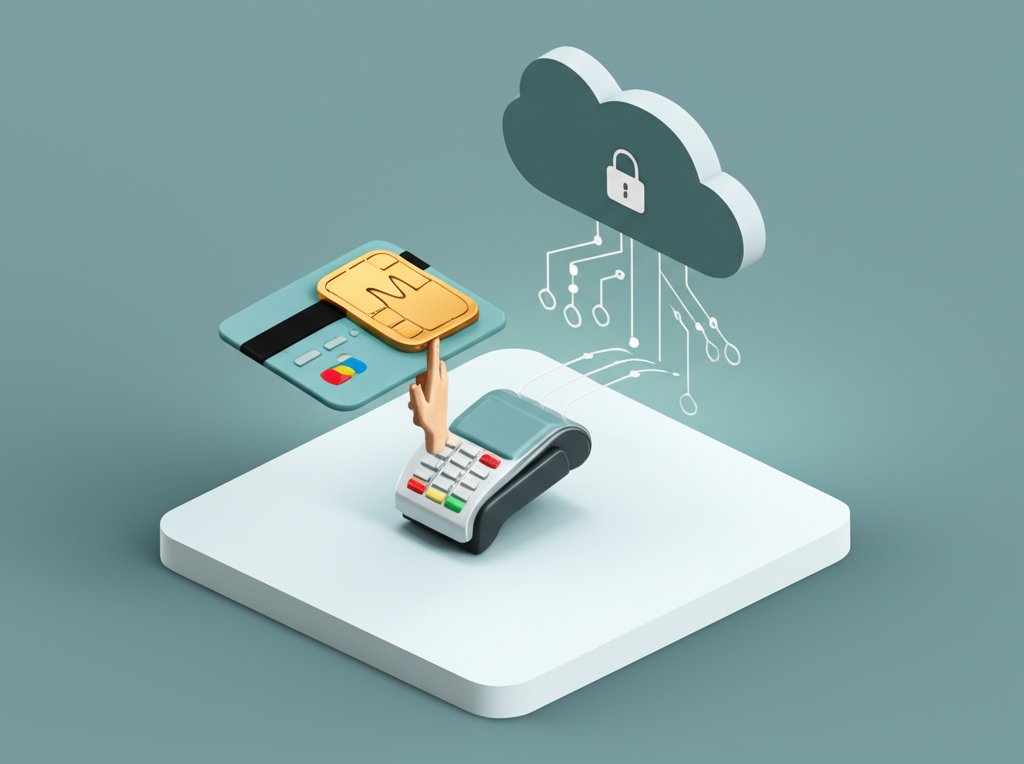
Tired of hearing about credit card fraud? You’re not alone. The shift towards EMV chip credit cards has been a game-changer in combating counterfeiting, but where did this technology come from and how does it really work? Understanding the EMV chip credit card history gives you the power to choose safer payment methods and protect your finances.
At a glance:
- Discover the origins of EMV chip technology and why it became essential for fraud prevention.
- Understand the difference between contact and contactless chip cards, and which offers better security.
- Learn how EMV chips work to generate dynamic transaction codes that thwart fraudsters.
- Explore emerging trends like biometric authentication and AI-powered fraud detection.
- Get a quick start guide to using EMV cards safely and protecting your financial information.
From Magnetic Stripes to Microchips: The Genesis of EMV
Before the tap or dip, there was the swipe. Magnetic stripes stored static data, making them incredibly vulnerable to skimming and counterfeiting. Criminals could easily copy the information and create fake cards. This created a need for a more secure solution, thus laying the groundwork for the EMV chip.
The acronym EMV stands for Europay, Mastercard, and Visa—the original three companies who collaborated to create this global standard. While the technology was developed much earlier, it gained real traction in Europe during the 1990s due to high rates of card fraud. Europe is often at the forefront when it comes to EMV technology, and the countries in Europe were among the first to implement chip technology across the board. The United States, however, lagged behind, only making the switch in earnest around 2015. This delayed adoption left US consumers and merchants more vulnerable to fraud for a longer period. To get a wider view of the evolution, Tech is changing credit cards.
Contact vs. Contactless: Understanding the EMV Landscape
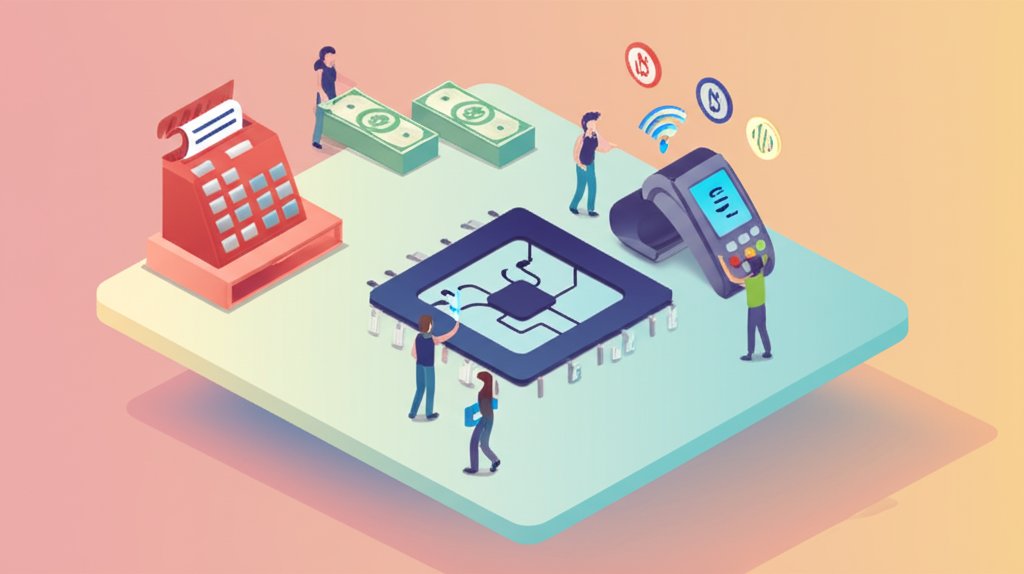
EMV cards aren’t a monolith. There are two main types:
- Contact Chip Cards: These require physical insertion into a payment terminal. You “dip” the card, and it stays in the terminal until the transaction is complete.
- Contactless Chip Cards: These allow you to “tap” your card near the reader, using Near Field Communication (NFC).
Both offer significantly better security than magnetic stripes, but contactless adds convenience. Think of it like this: a contact chip card is like using a key to unlock a door, while contactless is like using a key fob – both work, but one is faster.
Which is More Secure?
Generally, both are very secure. The main security comes from the chip generating unique, one-time codes for each transaction. The risk with contactless is primarily from “skimming,” where someone tries to intercept the signal, but modern systems have security measures in place (like limited transmission range) to minimize this.
How EMV Chips Thwart Fraud: Dynamic Authentication in Action
The heart of EMV security lies in its dynamic authentication process. Unlike magnetic stripes that transmit the same static data every time, EMV chips generate a unique transaction code for each payment.
Here’s how it works:
- Card Insertion/Tap: You either insert your card into the terminal or tap it near the reader.
- Chip Activation: The terminal activates the EMV chip.
- Dynamic Code Generation: The chip generates a unique, one-time-use transaction code.
- Data Transmission: This code, along with other transaction details, is sent to the card issuer for verification.
- Authentication: The issuer verifies the code and approves or declines the transaction.
Because the transaction code is unique for each purchase, even if a criminal intercepts the data, they can’t reuse it to clone the card or make fraudulent purchases. This is where the term “dynamic authentication” comes from. It’s not a static password; it’s constantly changing.
Example: Imagine trying to use the same airplane boarding pass multiple times. It wouldn’t work, right? EMV chips work similarly, rendering stolen data useless.
The Ongoing Evolution: Biometrics, AI, and Beyond
EMV technology isn’t static; it’s constantly evolving to meet new security challenges and improve user experience. Several exciting trends are on the horizon:
- Biometric Authentication: Integrating fingerprint or facial recognition directly into credit cards adds an extra layer of security by verifying the cardholder’s identity.
- AI-Powered Fraud Detection: Artificial intelligence is being used to analyze spending patterns and identify anomalies that could indicate fraudulent activity. For example, if you suddenly make a large purchase in a foreign country when your typical spending is local, the system can flag the transaction.
- Risk-Based Authentication: Systems are learning to assess the risk level of a transaction based on factors like location, purchase amount, and transaction history. High-risk transactions may trigger additional security checks, like a request for a PIN or a one-time passcode sent to your phone.
- Blockchain Integration: While still in its early stages, blockchain technology could provide a secure and transparent way to record credit card transactions, making it even harder for fraudsters to tamper with data.
Practical Playbook: Using EMV Cards Safely
Okay, so how can you leverage EMV technology to protect yourself?
Best Practices:
- Always Dip or Tap: When given the option, always use the EMV chip instead of swiping the magnetic stripe.
- Protect Your PIN: If your card requires a PIN, memorize it and never share it with anyone. Cover the keypad when entering your PIN in public.
- Monitor Your Accounts Regularly: Review your credit card statements frequently for any unauthorized transactions.
- Report Suspicious Activity Immediately: If you notice any suspicious activity, report it to your bank or credit card issuer right away.
- Be Wary of Skimmers: Before using an ATM or payment terminal, inspect it for any signs of tampering, such as loose or damaged parts.
- Use Digital Wallets Wisely: Digital wallets are generally secure, but make sure you use a strong password or biometric authentication to protect your phone.
Quick Start:
- Check Your Cards: Ensure your credit and debit cards have EMV chips. If not, contact your bank for a replacement.
- Familiarize Yourself: Get comfortable with both “dipping” and “tapping” your card at different terminals.
- Stay Vigilant: Make a habit of reviewing your statements for any unusual activity.
Quick Answers: Common Questions About EMV Chips
Q: Are EMV chip cards 100% fraud-proof?
A: No. While EMV chips significantly reduce card-present fraud (counterfeiting), they don’t eliminate all types of fraud. Online fraud (card-not-present) and account takeovers are still risks.
Q: What if a merchant doesn’t have an EMV-enabled terminal?
A: You can still swipe your card using the magnetic stripe. However, you’re potentially more vulnerable to fraud in this scenario.
Q: Do I need to get a new credit card with a chip?
A: Most credit cards issued today already have EMV chips. If your card doesn’t have one, contact your bank or credit card issuer for a replacement.
Q: Are contactless cards less secure because you just tap them?
A: No, contactless cards are generally secure. The chip still generates a unique transaction code for each payment. Modern systems also limit the transmission range to prevent skimming.
Take Action: Making EMV Work for You
Understanding the EMV chip credit card history isn’t just about knowing the past; it’s about equipping yourself for a safer financial future. By embracing EMV technology and following best practices, you can significantly reduce your risk of credit card fraud and protect your hard-earned money. Stay informed, stay vigilant, and make EMV work for you.










