Imagine a simple, everyday act that empowers you to revolutionize how we manage waste, enrich our planet’s most vital resource, and actively combat climate change. This isn’t a futuristic dream; it’s the accessible, profound reality of composting. More than just a gardening technique, composting is a fundamental practice that transforms organic kitchen and yard waste into a nutrient-dense, dark, crumbly treasure known as compost. This article is your ultimate guide, meticulously crafted to help you unlock the incredible potential of this humble yet revolutionary process, demonstrating how it can dramatically supercharge soil health, drastically reduce waste, and embody true environmental stewardship to ultimately help save our planet.
Join us as we embark on a comprehensive journey into the world of composting, exploring its multifaceted benefits, revealing crucial insights, and providing actionable strategies for everyone – from beginners taking their first steps to seasoned eco-activists. Prepare to discover why embracing composting isn’t just an option, but one of the most impactful and rewarding choices you can make for your home, your garden, and the Earth.
The Unseen Powerhouse: Understanding Composting and Its Core Principles
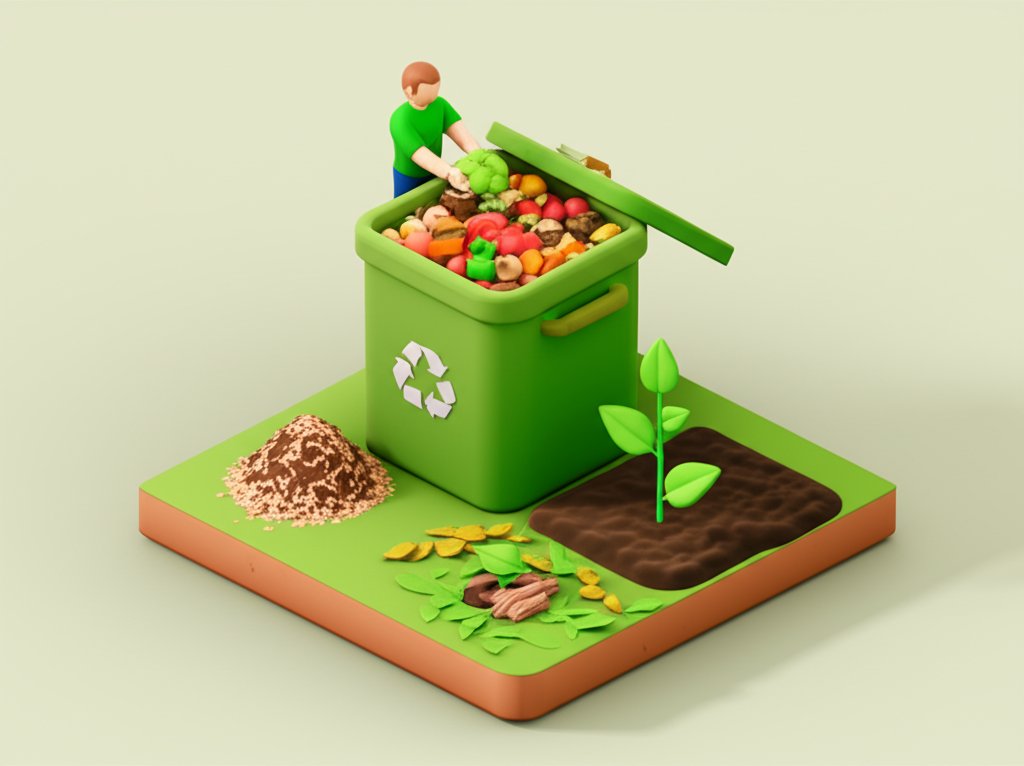
At its core, composting is nature’s recycling system in action, accelerated and optimized by human intervention. It’s the controlled decomposition of organic materials by an army of beneficial microorganisms, resulting in a stable, earthy substance that is invaluable for plants and their foundational support system – the soil itself.
What is Composting? Nature’s Aerobic Recycling System
Composting is the aerobic (oxygen-rich) decomposition of organic materials such as food scraps, yard trimmings, and other plant-based matter. This natural process is orchestrated by a diverse and thriving community of microscopic organisms – including bacteria, fungi, actinomycetes – alongside larger invertebrates like worms and insects. These tireless decomposers break down complex organic compounds into simpler, stable forms, creating a dark, rich, and highly beneficial material known as humus. Humus is the heart of healthy soil, giving it its characteristic look, smell, and incredible fertility.
Crucially, aerobic composting differs significantly from anaerobic decomposition, which occurs in oxygen-deprived environments like landfills. While anaerobic breakdown produces large quantities of methane (CH4) – a potent greenhouse gas – aerobic composting minimizes these harmful emissions, primarily releasing carbon dioxide (CO2) and water vapor, and maximizing nutrient retention. This distinction highlights composting’s critical role in mitigating climate change.
Why Composting is Essential for a Sustainable Future: Key Facts and Global Impact
The significance of composting extends far beyond your backyard, addressing some of the most pressing environmental challenges facing our world today:
- Waste Crisis: Organic waste constitutes a staggering portion – often over 40% – of municipal solid waste globally. This volume puts immense strain on landfills, accelerating their fill rates and contributing to pollution.
- Soil Degradation: Decades of intensive farming, over-reliance on chemical fertilizers, and unsustainable land management practices have severely depleted soil nutrients, destroyed soil structure, and diminished biodiversity worldwide. Restoring soil health is paramount for food security and ecosystem resilience.
- Climate Change: As mentioned, organic matter decomposing in oxygen-starved landfills releases methane, a greenhouse gas with a global warming potential far greater than CO2 over a 20-year period. Diverting this waste through composting directly combats these emissions.
Composting offers a tangible, accessible, and highly effective solution to each of these problems, making it a cornerstone of sustainable living and an exemplary act of environmental stewardship. These fundamental composting facts underscore its essential role in building a more resilient, healthier future for all.
The Science Behind the ‘Black Gold’: Ingredients and Conditions
The magic of composting lies in the intricate biological processes at play. To thrive and efficiently break down materials, the microbial community needs four key ingredients in the right balance:
- Carbon (Browns): These are the energy source for the microbes. Examples include dried leaves, straw, wood chips, shredded paper and cardboard, and sawdust. They are typically dry, brown, and coarse.
- Nitrogen (Greens): These provide the proteins and enzymes essential for microbial growth and reproduction. Examples include fresh food scraps (fruit and vegetable peels, coffee grounds), grass clippings, fresh plant trimmings, and herbivore manure. They are generally moist, green, and lush.
- Water (Moisture): Essential for microbial activity, transport of nutrients, and decomposition (think of it like a damp sponge). Too little moisture slows the process; too much creates anaerobic conditions.
- Air (Oxygen): Crucial for aerobic decomposition. Adequate airflow prevents the pile from becoming anaerobic, which leads to foul odors and methane production. Regular turning or aeration strategies are key.
The ideal carbon-to-nitrogen (C:N) ratio for rapid composting is roughly 25-30 parts carbon to 1 part nitrogen by weight. Maintaining this balance, along with consistent moisture (around 40-60%) and regular aeration, ensures a hot, efficient composting process that quickly transforms raw organic materials into finished compost.
Revolutionizing Soil: How Composting Creates Epic Soil Health
One of the most remarkable and immediate composting benefits is its profound impact on soil health. Compost isn’t merely a fertilizer; it’s a living, dynamic soil amendment that revitalizes and sustains the very foundation of plant life, transforming depleted ground into vibrant living ecosystems.
Building Soil Structure and Enhancing Water Retention
Compost acts as a powerful soil conditioner, dramatically improving the physical structure of various soil types:
- For Sandy Soils: Compost provides organic matter that binds sandy particles together, increasing their ability to hold water and nutrients that would otherwise leach away quickly. It gives sandy soils the “body” they inherently lack.
- For Clay Soils: In dense clay soils, compost creates larger pore spaces, improving drainage and aeration. It helps break up compacted clay, allowing roots to penetrate more easily and preventing waterlogging.
- Creating Stable Aggregates: The sticky substances produced by microbes in compost (polysaccharides) glue soil particles together, forming stable aggregates. This enhances overall soil structure, making it more workable, less prone to compaction, and significantly helping to prevent soil erosion by making it more resistant to wind and water.
- Increased Water Holding Capacity: Compost acts like a sponge, dramatically improving the soil’s ability to absorb and hold water. This reduces the need for frequent irrigation, saving precious water resources, and making plants far more resilient to drought conditions and erratic weather patterns.
A Living Nutrient Factory: Sustaining Fertility Naturally
Compost is a living, slow-release nutrient factory, providing a balanced suite of essential macro- and micronutrients vital for sustained plant growth:
- Balanced Nutrient Release: Unlike synthetic fertilizers that deliver a sudden, often overwhelming dose of specific nutrients, compost gradually releases a broad spectrum of nutrients as the soil microbes continue their work. This ensures plants receive a steady, balanced supply, tailored to their needs over time.
- Cation Exchange Capacity (CEC) Enhancement: Compost significantly increases the soil’s Cation Exchange Capacity. CEC is the soil’s ability to hold onto positively charged nutrient ions (like calcium, magnesium, potassium) and prevent them from leaching away. Higher CEC means more nutrients are available to plant roots, especially in sandy soils.
- Reducing Chemical Dependency: By providing a natural, sustainable source of plant nutrition, compost greatly reduces or even eliminates the need for synthetic chemical fertilizers. This protects soil life from harsh chemicals, prevents nutrient runoff into waterways (which can cause algal blooms), and ultimately fosters a healthier ecosystem.
Fostering a Vibrant Soil Ecosystem
Healthy soil is teeming with life, and compost is the catalyst for this subterranean biodiversity:
- Introducing Beneficial Microorganisms: Compost is rich in beneficial bacteria, fungi, protozoa, and nematodes. When added to soil, it inoculates the ground with these vital organisms, kickstarting or enhancing the soil food web.
- Nourishing the Soil Food Web: These microbes decompose organic matter further, cycle nutrients, and form symbiotic relationships with plant roots. Mycorrhizal fungi, for instance, extend the reach of plant roots, improving their uptake of water and phosphorus.
- Natural Disease Suppression: A diverse and active microbial community in compost-amended soil can outcompete, suppress, or even consume plant pathogens, leading to healthier plants with fewer disease issues. This is a key aspect of natural pest and disease management.
- Carbon Sequestration (Soil Carbon): Compost is rich in stable organic carbon. When incorporated into soil, it sequesters atmospheric carbon, storing it in the ground rather than releasing it as a greenhouse gas. This process is a significant long-term benefit for climate change mitigation and directly contributes to enhanced soil health.
- Boosting Soil Biodiversity: Compost creates an ideal habitat for earthworms and other beneficial invertebrates. Earthworms aerate the soil, improve drainage, and create channels for root growth, further enhancing overall soil health and fertility.
Beyond Fertility: Boosting Crop Yields and Plant Resilience
With improved soil structure, enhanced water regulation, and a steady supply of balanced nutrients from compost, plants are demonstrably healthier, stronger, and more productive. This often translates to:
- Higher Crop Yields: Healthier plants are less stressed and better able to put energy into fruit and vegetable production.
- More Nutritious and Flavorful Produce: Plants grown in biologically rich, compost-amended soil can absorb a wider range of micronutrients, leading to more nutrient-dense and tastier harvests.
- Increased Stress Resistance: Plants with strong root systems and access to a balanced nutrient profile are more resilient to environmental stressors like pests, diseases, drought, and temperature fluctuations.
The Ultimate Waste Solution: How Composting Helps Reduce Waste Dramatically
The sheer volume of organic waste sent to landfills is a global crisis, but composting offers a powerful, elegant, and highly effective solution to reduce waste on an unprecedented scale. It transforms a problem into a precious resource, embodying the principles of a circular economy.
Diverting Organic Waste from Landfills: A Global Imperative
- Significant Landfill Diversion: Organic materials – food scraps, yard clippings, paper products, and untreated wood – often constitute 30-50% (and sometimes more) of municipal solid waste. By diverting these materials through composting, we dramatically decrease the burden on landfills, conserving valuable landfill space and delaying the need for new, often controversial, landfill sites. This directly contributes to a substantial reduction in overall municipal waste.
- Reducing Leachate Production: When organic waste breaks down in landfills, it mixes with rainwater and other liquids, forming a toxic liquid called leachate. This leachate can contaminate groundwater if not properly managed. Diverting organics through composting helps reduce leachate volume and toxicity.
Combating Climate Change: Methane Reduction and Carbon Sequestration
This is arguably one of the most critical environmental composting benefits:
- Mitigating Potent Greenhouse Gases: As widely discussed, when organic materials decompose in oxygen-deprived (anaerobic) landfill environments, they generate large quantities of methane (CH4). Methane is a greenhouse gas far more potent than carbon dioxide (CO2), trapping significantly more heat in the atmosphere over its active lifespan. Aerobic composting, however, produces primarily CO2 (a less potent greenhouse gas) and water vapor, virtually eliminating methane generation from organic waste. This direct reduction of methane emissions plays a crucial role in mitigating climate change.
- Carbon Sequestration: Beyond preventing methane, finished compost acts as a significant carbon sink. When incorporated into soil, the stable organic carbon within compost locks away atmospheric carbon, storing it in the ground for decades or even centuries. This dual action – preventing methane release and sequestering carbon – makes composting an incredibly powerful tool in the fight against global warming.
Transforming “Waste” into a Valuable Resource: The Circular Economy in Action
Composting is a prime example of a circular economy in practice, where resources are kept in use for as long as possible, extracting the maximum value from them whilst in use, then recovering and regenerating products and materials at the end of each service life.
- Closing the Loop: Instead of disposing of organic materials as “waste” that ends up in a landfill, composting transforms them into a valuable resource – “black gold” – that enriches our soils, grows healthier food, and ultimately cycles back into the ecosystem. This closes the loop on organic matter, reducing the need for virgin resources.
- Resource Conservation: By creating a nutrient-rich soil amendment, composting reduces the demand for synthetic fertilizers, which are energy-intensive to produce and rely on finite resources. It also conserves water resources by improving soil moisture retention.
- Economic Benefits: Large-scale composting operations create jobs in collection, processing, and distribution. For individuals, producing your own compost significantly reduces or eliminates the need to purchase soil amendments and fertilizers.
Broader Impact: Protecting Our Waterways and Air Quality
Beyond the soil and landfills, composting offers tangible benefits for broader environmental quality, reflecting excellent environmental stewardship.
- Preventing Nutrient Runoff and Pollution: Excess synthetic fertilizers applied to gardens and farms can wash into rivers, lakes, and oceans, causing harmful algal blooms that deplete oxygen and create “dead zones” in aquatic ecosystems. Compost, with its slow-release nutrients and exceptional water-holding capacity, drastically reduces this runoff, safeguarding our precious waterways.
- Filtering Contaminants: The complex microbial and organic matrix of compost can help bind and even degrade certain pollutants and heavy metals in the soil, acting as a natural filter and preventing harmful substances from leaching into groundwater supplies.
- Improving Air Quality: By reducing landfill reliance, composting lessens the need for incinerators, which release air pollutants. It also reduces vehicle miles traveled for waste hauling when practiced locally.
Embracing Environmental Stewardship Through Composting
Environmental stewardship is the responsible use and protection of the natural environment through conservation and sustainable practices. Composting is not merely a practical waste management strategy; it is a profound act of environmental stewardship that connects individuals and communities directly to the health of our planet.
Individual Action, Global Impact: Your Role in a Healthier Planet
Every individual act of composting contributes to a collective good, demonstrating that personal choices can have a far-reaching positive impact. By transforming your kitchen scraps and yard waste, you are actively participating in:
- Resource Conservation: You are preventing valuable organic matter from being lost forever in a landfill, instead returning its vital nutrients to the earth.
- Climate Action: You are directly reducing methane emissions and helping to sequester carbon in the soil, making a tangible difference in the fight against climate change.
- Ecosystem Restoration: You are contributing to the regeneration of healthy soil, which is the foundation of all terrestrial life and crucial for biodiversity.
This direct involvement fosters a deeper connection to nature and a sense of responsibility for the planet’s well-being, embodying the core definition of environmental stewardship.
Sustainable Living and Resource Management
Composting is an integral component of a holistic sustainable lifestyle, promoting responsible resource management at every level:
- Circular Economy: It reinforces the concept of a circular economy, where resources are continuously reused and regenerated, rather than consumed and discarded.
- Reduced Consumption: By valuing and transforming organic “waste,” composting encourages a mindful approach to consumption, promoting the idea that everything has value and a potential second life.
- Local Resilience: Home or community composting reduces reliance on distant waste management systems and external inputs like synthetic fertilizers, fostering local self-sufficiency and resilience.
Educating and Empowering Communities
Composting serves as an invaluable educational tool, raising awareness and empowering future generations:
- Hands-On Learning: It provides a practical, tangible way for children and adults to learn about natural cycles, decomposition, soil biology, and the interconnectedness of ecosystems.
- Community Engagement: Community composting programs foster local connections, encourage collective action, and build a shared commitment to environmental stewardship. They often become hubs for local food movements and ecological education.
- Inspiring Change: Seeing the successful transformation of waste into compost can inspire individuals to adopt other sustainable practices, creating a ripple effect of positive change.
Economic and Social Benefits
The advantages of composting extend beyond ecological realms, touching our wallets and overall well-being:
- Economic Savings: Producing your own compost can significantly reduce or eliminate the need to purchase synthetic fertilizers, potting mixes, and other soil amendments, leading to considerable cost savings for gardeners and farmers.
- Food Security: Healthier, more productive soil supports robust food production, enhancing local food security and resilience.
- Mental Well-being: For many, the act of composting is a satisfying, hands-on activity that fosters a deeper connection with nature, promotes mindfulness, and instills a sense of purpose and contribution to a greater cause.
Getting Started: Your Complete Guide to Composting for Every Home
Ready to harness these incredible composting benefits and become an active participant in environmental stewardship? Starting your compost journey is easier than you think. This section provides actionable, step-by-step guidance to begin transforming your waste into a valuable resource.
Choosing Your Composting Method: Tailoring to Your Space and Lifestyle
There’s a composting method suitable for almost every living situation, from sprawling backyards to small apartments.
- Backyard Composting (Outdoor): Ideal for homes with outdoor space, offering flexibility and capacity for larger volumes of waste.
- Compost Piles: The simplest method – just a heap of organic materials. Requires regular turning for aeration and faster decomposition. Best for larger volumes of yard waste.
- Compost Bins: Enclosed structures (e.g., plastic, wire mesh, wood, even repurposed pallets) that contain the pile, helping retain heat and moisture while deterring pests. They come in various designs, from simple open-bottom bins to multi-chamber systems.
- Compost Tumblers: Sealed, rotating bins that make turning significantly easier and often speed up the decomposition process due to efficient aeration. They are excellent for deterring pests and maintaining a neat appearance.
- Vermicomposting (Worm Composting): Perfect for smaller spaces, apartments, or those who prefer an indoor system.
- How it Works: Red wiggler worms (specifically Eisenia fetida or Eisenia andrei) consume food scraps, bedding (shredded paper, cardboard), and other organic matter. They produce nutrient-rich “worm castings” (vermicompost) and a liquid byproduct called “worm tea.”
- Benefits: Low odor (if managed correctly), fast decomposition for food scraps, produces exceptionally rich compost.
- Setup: Requires a specialized worm bin (stackable trays, single container with drainage holes). Keep it in a cool, dark place.
- Community Composting Programs: If you lack space, time, or the desire for a home setup, many municipalities and private organizations offer solutions.
- Drop-off Points: Community gardens, farmers’ markets, or designated waste facilities often accept food scraps for composting.
- Curbside Collection: Growing in popularity, some cities offer curbside pick-up for organic waste alongside traditional recycling and trash services.
- Benefits: A convenient way to reduce waste without managing your own pile, contributing to larger-scale environmental stewardship. Check with your local waste management services for available options.
The Golden Ratio: Balancing Browns (Carbon) and Greens (Nitrogen)
Success in composting hinges on balancing your “greens” (nitrogen-rich materials) and “browns” (carbon-rich materials). A general rule of thumb is to aim for approximately 2-3 parts browns to 1 part greens by volume initially, then adjust as needed.
- Greens (Nitrogen-rich) – These add moisture and fuel rapid microbial growth:
- Fruit and vegetable scraps (peels, cores, wilted produce – non-citrus preferred in large quantities for vermicomposting)
- Grass clippings (use in moderation to avoid matting and strong odors)
- Spent coffee grounds and paper filters
- Tea bags (remove staples if present)
- Fresh plant trimmings, soft green weeds (no seeds)
- Manure from herbivores (chicken, cow, horse, rabbit – avoid dog/cat feces)
- Algae or seaweed
- Browns (Carbon-rich) – These provide energy, structure, and porosity:
- Dried leaves
- Shredded newspaper and plain cardboard (no glossy finishes, colored inks, or adhesive tapes)
- Straw and hay
- Untreated wood chips and sawdust (aged is better, fresh can take longer to break down)
- Pine needles
- Small twigs and prunings
- Paper towel and toilet paper rolls (shredded)
Layering and Management:
Build your pile or fill your bin in alternating layers of greens and browns. Chop larger materials into smaller pieces to speed up decomposition. Keep the pile consistently damp (like a wrung-out sponge), and remember to turn it regularly for aeration (for piles and bins; tumblers do this automatically).
What to Compost: A Comprehensive List for Diverse Homes
Beyond the basics, here’s a more detailed list of common household items that are excellent for composting, further helping you to reduce waste:
- Kitchen Scraps:
- Most fruit and vegetable scraps (peels, cores, pulp, discarded produce)
- Eggshells (crushed for faster breakdown)
- Nut shells (except black walnut shells, which can be toxic to some plants)
- Stale bread, crackers, pasta, rice, grains (in moderation, buried to avoid pests)
- Coffee grounds and paper filters (highly nitrogenous)
- Tea bags (paper only, remove staples)
- Flour, sugar, spices (in small amounts)
- Yard Waste:
- Leaves (dried or fresh)
- Grass clippings (thin layers to prevent matting)
- Weeds (seed-free only, or hot compost to kill seeds)
- Small branches and twigs (chopped into small pieces)
- Untreated wood chips and sawdust
- Pine needles (can be acidic, use in moderation)
- Old potting soil
- Household Items:
- Shredded paper (non-glossy, black ink only for newspaper)
- Shredded cardboard (plain, no tape/labels)
- Hair and pet fur (from herbivores/grooming, not cat litter)
- Cotton and wool rags (natural fibers only, shredded)
- Feathers
- Ash from wood fires (in small amounts, avoid charcoal ash)
- Natural corks
What NOT to Compost: Avoiding Pitfalls and Pests
Knowing what to exclude is as important as knowing what to include to prevent odors, pests, harmful pathogens, and undesirable outcomes in your compost.
- Meat, Fish, and Bones: Attract pests (rodents, raccoons, flies), create foul odors, decompose very slowly, and can harbor harmful bacteria like E. coli and Salmonella.
- Dairy Products (Milk, Cheese, Yogurt, Butter): Attract pests, create foul odors, and are slow to decompose.
- Oils, Greases, and Fatty Foods (including Salad Dressings, Peanut Butter in large quantities): Attract pests, slow down decomposition, and can create anaerobic conditions in the pile.
- Pet Waste (Dog/Cat Feces): Contains pathogens (bacteria, viruses, parasites) harmful to humans and should only be composted in specialized, high-temperature municipal or industrial systems, not home piles used for gardens.
- Diseased Plants: Can harbor plant pathogens that may survive the composting process and spread diseases back to your garden.
- Weeds with Seeds (especially persistent ones like bindweed, crabgrass): Unless your pile consistently reaches high temperatures (130-160°F / 55-70°C) for several days, these seeds can survive and spread unwanted weeds throughout your garden when you use the compost.
- Chemically Treated Wood or Lawn Clippings: Introduces harmful chemicals (e.g., arsenic, chromium, copper from pressure-treated lumber; herbicides/pesticides from lawn treatments) into your compost, which would then transfer to your soil and plants.
- Citrus Peels in Large Quantities: Can be acidic and deter worms in vermicomposting systems. In large hot piles, a moderate amount is generally acceptable, but excessive quantities can slow decomposition.
- Shiny, Coated, or Waxy Paper/Cardboard: These materials may contain non-biodegradable plastics or chemicals. Stick to plain, non-glossy paper and cardboard.
- Synthetic Materials (Plastic, Metal, Glass): These do not decompose and will contaminate your compost.
Essential Tools and Setup Tips for Success
You don’t need much to start composting, but a few basic tools can make the process easier and more efficient:










