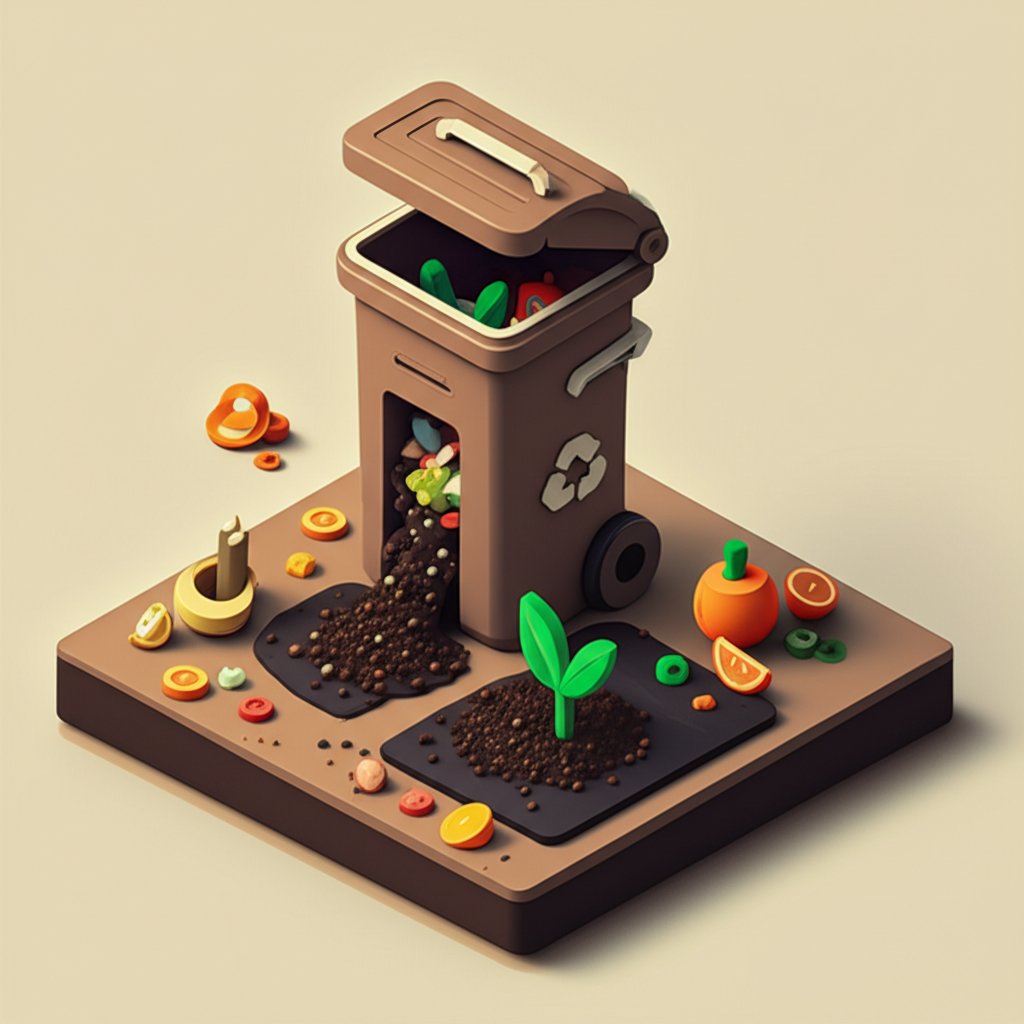
In an era defined by environmental urgency, where landfills overflow and the very ground beneath our feet struggles for vitality, a profound yet simple practice offers a powerful answer: composting. This isn’t merely about disposing of leftovers; it’s a revolutionary act that deeply impacts our planet, enriching the earth from its core and fundamentally transforming how we view waste.
This comprehensive guide will illuminate the multifaceted environmental advantages of composting, demonstrating its indispensable role in waste reduction, its unmatched capacity for boosting soil fertility, and its position as a cornerstone of a truly sustainable solution. Join us to uncover the incredible potential of transforming organic waste into a valuable resource, and empower yourself to become a pivotal part of this global movement.
Understanding Composting: Nature’s Ultimate Recycling Program
To truly understand the impact of composting, it’s helpful to delve into composting food facts and understand how different materials contribute to the overall process.
At its essence, composting is nature’s sophisticated recycling system. It’s the controlled biological decomposition of organic materials into a dark, crumbly, nutrient-rich soil amendment universally known as compost, or “black gold.” This intricate process relies on a thriving community of beneficial microorganisms, adequate moisture, and sufficient oxygen to break down everything from kitchen scraps to yard trimmings, preventing their detrimental decay in less favorable conditions.
What is Composting? Defining the Process
Unlike simply burying organic waste in a landfill, where it undergoes anaerobic decomposition (without oxygen), producing potent greenhouse gases like methane, composting is an aerobic process. This distinction is critical. When managed correctly, composting efficiently transforms organic matter into stable humus – a miracle substance that nurtures life. It’s a natural, cyclical process that returns valuable nutrients to the earth, rather than sequestering them away in waste dumps. It embraces the principle of a circular economy, redefining “waste” as a powerful resource.
The Fundamental Principles of Decomposition
Successful composting harnesses natural biological processes, relying on four key ingredients:
- Greens (Nitrogen-rich): Provide the “protein” for microorganisms, fueling their activity. Examples include fresh grass clippings, food scraps (fruit and vegetable peels, coffee grounds, tea bags), and fresh plant trimmings.
- Browns (Carbon-rich): Serve as an energy source for microorganisms and provide the necessary bulk and structure to ensure proper aeration. Examples include dried leaves, straw, wood chips, shredded newspaper or cardboard, and small twigs.
- Water (Moisture): Essential for microbial life. The compost pile should be consistently moist, like a wrung-out sponge – never waterlogged or bone dry.
- Air (Oxygen): Crucial for aerobic decomposition. Regular turning or agitation of the pile introduces oxygen, preventing anaerobic conditions that lead to foul odors and methane production.
By diligently balancing these elements, we can create an optimal environment for rapid and efficient decomposition, yielding high-quality compost.
Why Composting is More Than Just Waste Management
Composting transcends simple waste disposal; it embodies a holistic approach to environmental stewardship. It’s a proactive step towards ecological resilience, offering a tangible way for individuals, communities, and industries to significantly reduce their environmental footprint. By engaging in composting, you directly contribute to healthier ecosystems, actively mitigate climate change, and cultivate a more robust planet. It’s an accessible act that profoundly contributes to the principles of a circular economy, where resources are optimally utilized and continuously regenerated.
The Profound Environmental Advantages of Composting
The systemic benefits of composting propagate throughout our environment, initiating a cascade of positive impacts. Understanding these extensive environmental advantages of composting reveals why it stands as such a critical practice for global ecological health.
Drastically Reducing Landfill Waste & Methane Emissions
One of the most immediate and impactful environmental advantages of composting is its pivotal role in waste reduction. Organic materials, encompassing food scraps and yard waste, constitute a staggering portion of what ends up in landfills—often over a third of household waste, according to the USDA. When these organics are buried in airless (anaerobic) landfill conditions, they decompose to produce methane, a potent greenhouse gas that is at least 25 times more effective at trapping heat than carbon dioxide over a 100-year period.
By diverting these materials to a compost pile, we prevent methane from entering the atmosphere. This single act dramatically reduces our carbon footprint and plays a direct role in combating climate change. Communities implementing widespread composting programs observe a significant decrease in landfill volume, extending the operational life of existing sites and diminishing the need for new ones, which often entail considerable environmental and social costs.
Carbon Sequestration: A Climate Change Powerhouse
Beyond preventing methane emissions, composting stands as a powerful tool for carbon sequestration. When organic waste is transformed into stable compost and subsequently incorporated into soil, the carbon it contains becomes locked away in the form of humus. This process effectively removes carbon dioxide from the atmosphere and stores it in the soil for extended periods. Healthy, compost-enriched soils can become significant carbon sinks, actively mitigating global warming. This long-term storage of carbon makes composting a proactive strategy in the fight against climate change, solidifying its role as a premier sustainable solution.
Water Conservation & Erosion Control
Compost dramatically improves soil’s capacity to retain moisture. The organic matter acts like a sponge, absorbing and holding water, which significantly reduces the need for frequent irrigation. This conserves precious water resources, particularly vital in drought-prone regions. Furthermore, improved soil structure, facilitated by compost, makes the soil less susceptible to erosion from wind and water. It helps bind soil particles together, preventing valuable topsoil from washing away and preserving the integrity of landscapes.
Minimizing Pollution: Less Runoff, Fewer Chemicals
The widespread adoption of composting directly contributes to cleaner air and water. By diminishing the reliance on synthetic fertilizers and chemical pesticides, composting curtails the runoff of these harmful chemicals into rivers, lakes, and oceans. This prevents nutrient pollution (eutrophication), which can devastate aquatic ecosystems by promoting algal blooms that deplete oxygen. Moreover, healthier soil, fortified with compost, provides a natural defense against pests and diseases, further reducing the need for chemical interventions and minimizing their ecological impact. This comprehensive reduction in environmental harm underscores composting as an undeniable sustainable solution.
Fostering Biodiversity and Ecosystem Resilience
The introduction of compost into soil doesn’t just benefit cultivated plants; it creates a thriving underground metropolis. The rich organic matter and diverse microbial life within compost attract and sustain a wide array of beneficial organisms, from microscopic bacteria and fungi to visible insects, mites, and earthworms. These creatures are essential for nutrient cycling, soil aeration, and the breakdown of organic matter, fostering a diverse and resilient ecosystem both below and above ground. Increased biodiversity leads to more robust plant growth, greater natural pest control, and an overall healthier, more balanced environment.
Beyond the Bin: Boosting Soil Fertility with Black Gold
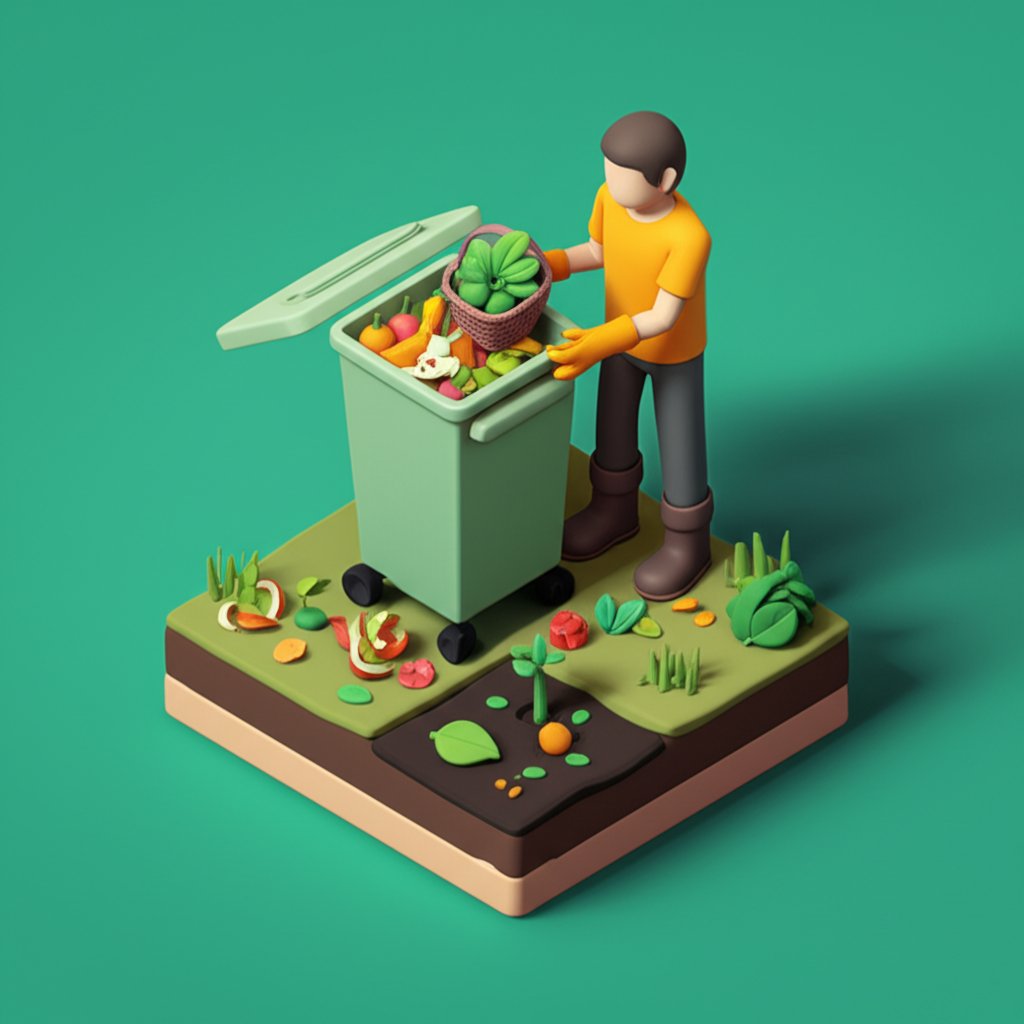
Perhaps the most celebrated and tangible benefit of composting is its extraordinary impact on soil fertility. Compost isn’t merely a fertilizer; it’s a dynamic soil conditioner that delivers a holistic boost to the earth’s natural systems, transforming ordinary soil into a vibrant, productive medium.
The Science of Soil Fertility Enhancement
When added to gardens, agricultural fields, or even potted plants, compost introduces a wealth of benefits that fundamentally improve soil fertility:
- Nutrient Enrichment & Slow Release: Compost is packed with essential macro- and micronutrients vital for plant growth, including nitrogen, phosphorus, potassium, calcium, and magnesium. These nutrients are released slowly over time as microorganisms continue their work, providing a sustained and balanced food source for plants, unlike synthetic fertilizers that offer a quick but often short-lived burst. This “slow-release” mechanism prevents nutrient leaching and ensures efficient uptake by plants.
- Improved Soil Structure (Aggregation): Compost transforms both dense clay soils and loose sandy soils. In clay, it creates looser, more aerated environments, allowing roots to penetrate easily and water to drain effectively, preventing compaction. For sandy soils, compost acts like a sponge, significantly improving water retention and nutrient holding capacity, which is crucial for plant survival in drier conditions. This improved aggregation also contributes to better gas exchange in the soil.
- Enhanced Cation-Exchange Capacity (CEC): Compost significantly boosts the soil’s CEC, which is its ability to hold onto positively charged nutrient ions (cations like calcium, magnesium, potassium) and make them available to plants. Higher CEC means less nutrient leaching and more efficient nutrient use by plants, directly impacting soil fertility.
- pH Buffering: Compost helps to stabilize soil pH, making it more favorable for a wider range of plants by buffering against drastic changes in acidity or alkalinity.
Cultivating Healthy Root Systems & Plant Vigor
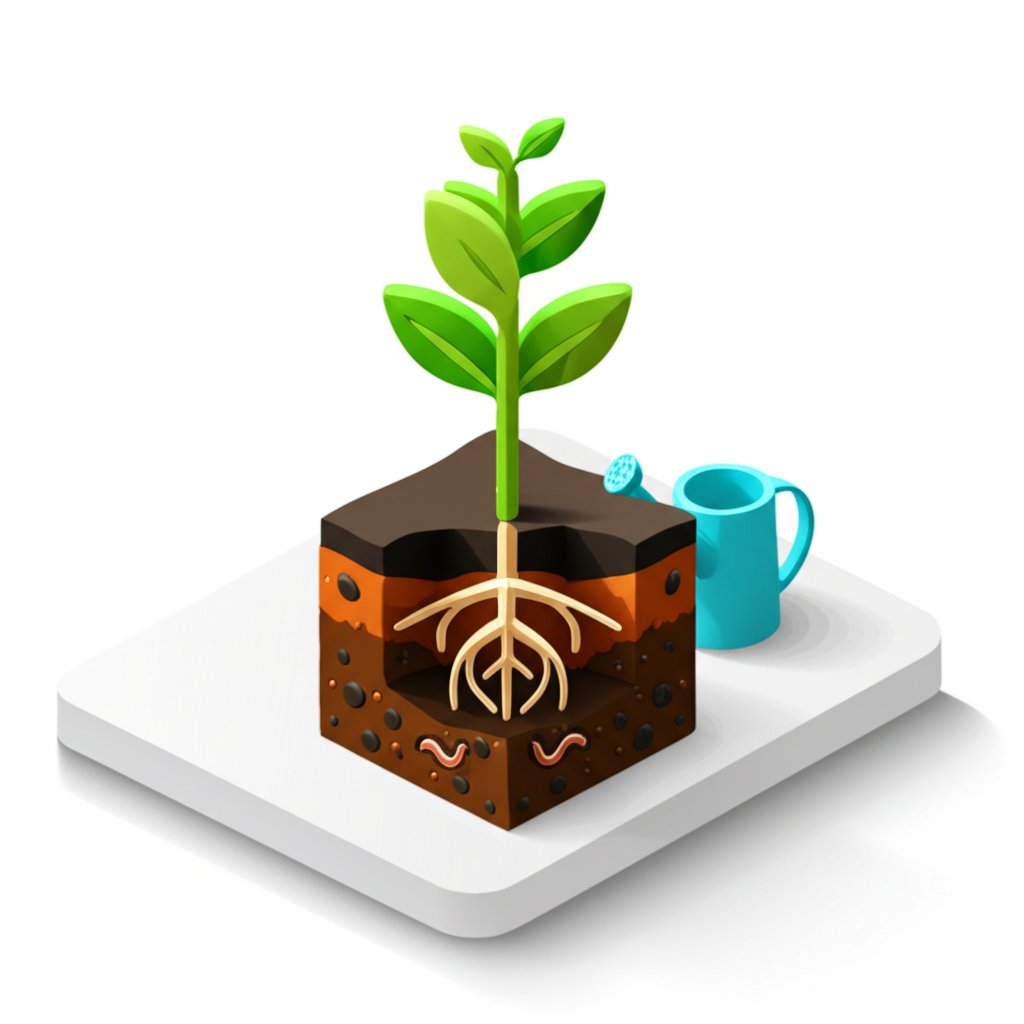
The improved structure and nutrient availability provided by compost directly lead to stronger, healthier root systems. Roots can grow deeper and spread wider, accessing more water and nutrients. This translates into more vigorous plant growth, increased yields, and a natural enhancement of plant immunity, making them more resilient to pests and diseases. By fostering this natural ecosystem, composting reduces reliance on chemical fertilizers and pesticides, which can harm soil life and runoff into waterways.
Reducing Reliance on Synthetic Fertilizers
By consistently amending soil with compost, gardeners and farmers can significantly reduce, or even eliminate, their dependence on chemical fertilizers. This not only offers economic benefits by cutting input costs but also ecological advantages by preventing the negative environmental impacts associated with the production and application of synthetic chemicals, such as energy consumption and pollution. Compost builds genuine, long-term soil fertility, unlike chemical fertilizers that offer a temporary boost without addressing underlying soil health issues.
Composting as a Global Sustainable Solution
Composting is more than just an ecological ideal; it’s a practical, actionable sustainable solution that can be implemented at every level, from individual households to entire cities and large-scale agricultural operations.
Empowering Individual Action: Home Composting
For many, composting begins at home. It’s a simple, rewarding act that empowers individuals to take direct responsibility for their waste and contribute to a greener lifestyle. Whether you reside in a house with a sprawling backyard or an apartment with limited space, there’s a composting method suited for you. Home composting transforms everyday kitchen scraps and yard trimmings into a valuable resource, fostering a deeper connection to the natural cycles of growth and decomposition. It’s a tangible way to make a difference, one banana peel at a time.
Exploring various home composting methods:
Community & Municipal Composting Programs
Beyond individual efforts, composting fosters community. Many municipalities and local organizations offer food scrap drop-off programs, community compost sites, or even curbside collection services. These initiatives build local resilience, reduce waste disposal costs for cities, and create a closed-loop system where local organic waste is transformed into a resource for local gardens, farms, and parks. This supports a circular economy, where resources are kept in use for as long as possible, extracting maximum value from them, then recovering and regenerating products and materials at the end of each service life. Composting truly embodies a collective pursuit of a sustainable solution.
Composting in Agriculture: Large-Scale Impact
On a larger scale, commercial and agricultural composting operations play a crucial role in managing vast quantities of organic waste from farms, food processing plants, and municipal sources. The resulting compost is then used to replenish agricultural lands, restoring degraded soils, improving water retention, and reducing the need for chemical fertilizers across broad areas. This directly supports sustainable agriculture and enhances global food security by preserving and improving the most fundamental resource: healthy soil.
Your Guide to Successful Composting: Getting Started & Beyond
Ready to embrace the comprehensive environmental advantages of composting and contribute to significant waste reduction and profound soil fertility? Starting is simpler than you might think, and mastering a few key techniques will ensure your success.
Choosing Your Composting Method: A Tailored Approach
Consider your space, time commitment, and the type of waste you’ll generate:
- Backyard Composting: The most common method, ideal for those with outdoor space. Options range from simple open piles (requires more monitoring) to enclosed bins (better pest control, tidier). Handles larger volumes of yard waste and food scraps.
- Tumbler Composting: A sealed, rotating drum that makes turning easy and quickens decomposition by maintaining heat. Excellent for preventing pests and managing odors in smaller yards.
- Vermicomposting (Worm Composting): Ideal for apartments, small patios, or indoor use. Red wiggler worms efficiently convert kitchen scraps (excluding meats/dairy) into highly potent worm castings. It’s clean, odor-free, and fascinating.
- Community Composting: If home composting isn’t feasible, seek out local drop-off sites, farmers’ markets that accept food scraps, or municipal collection programs. Many cities are rapidly expanding these services as part of their sustainable solution initiatives.
The Ideal Compost Ingredients: Balancing Greens & Browns
Successful composting hinges on maintaining an optimal balance between “greens” (nitrogen-rich materials) and “browns” (carbon-rich materials), along with adequate moisture and aeration. Aim for roughly a 2:1 or 3:1 ratio of browns to greens by volume.
- Greens (Nitrogen): These materials are often moist and decompose quickly.
- Fruit and vegetable scraps (peels, cores, wilted produce)
- Coffee grounds and filters, tea bags
- Grass clippings (use sparingly to avoid matting and odor)
- Fresh garden trimmings and plant waste
- Expired bread or grains (in moderation)
- Browns (Carbon): These materials are typically dry and provide structure.
- Dried leaves
- Straw or hay
- Wood chips, untreated sawdust
- Shredded newspaper and cardboard (non-glossy, non-waxy)
- Twigs and small branches (chopped)
- Paper towels and toilet paper rolls (unbleached/unprinted)
What to AVOID in Your Home Compost Pile (and Why)
While composting is versatile, certain materials should be excluded from typical home compost piles to prevent pests, odors, and the spread of pathogens:
- Meat, Bones, Fish, Dairy Products: Attract pests (rodents, flies), create foul odors, and are difficult for home compost piles to break down safely at sufficient temperatures.
- Fats, Oils, Grease: Attract pests, slow decomposition, and can create anaerobic pockets.
- Diseased Plants: Can harbor pathogens that may survive the composting process and reinfect your garden.
- Weeds with Seeds: Many weed seeds can survive lower compost temperatures and sprout in your garden when compost is applied.
- Pet Waste (Dog/Cat Feces): May contain harmful pathogens (bacteria, parasites) that are not reliably killed in typical home compost piles. Note: Specialized composting toilets or commercial facilities can process human waste safely, but this requires specific high-temperature, long-duration treatment not achievable in a standard backyard compost bin. For typical home setups, human waste, like pet waste, is not recommended.
- Treated Wood: Contains chemicals that can leach into your compost and soil.
- Synthetics: Plastics, synthetic fabrics, synthetic sponges. These do not decompose naturally.
- Coal Ash or Charcoal Briquettes: Can contain heavy metals or sulfur compounds harmful to plants.
Essential Composting Practices: Moisture, Aeration & Patience
For a thriving compost pile, consistency is key:
- Moisture: Keep your pile damp, like a thoroughly wrung-out sponge. If it’s too dry, decomposition slows to a crawl. If it’s too wet, it can become anaerobic and smelly. Add water during dry spells or if materials appear parched.
- Aeration: Turn your pile regularly (weekly or bi-weekly is often ideal). This introduces oxygen, prevents compaction, and helps distribute heat and moisture evenly, significantly speeding up decomposition.
- Particle Size: Smaller pieces break down faster. Chop or shred larger items before adding them.
- Layering: While not strictly necessary, layering greens and browns can help maintain balance and aeration.
Troubleshooting Common Composting Challenges
Don’t be discouraged by minor setbacks; most composting issues are easily resolved:
- Bad Odors: Usually a sign of too much nitrogen (greens) or insufficient aeration. Add more browns (dried leaves, shredded cardboard) and turn the pile thoroughly. Avoid prohibited items.
- Slow Decomposition: The pile might be too dry, lack enough nitrogen, or need more aeration. Add water, more greens, and turn it. Ensure particle size is small enough.
- Pests (Rats, Flies): Often due to including prohibited items (meat, dairy) or leaving food scraps exposed. Bury food scraps deep within the pile, cover them with browns, and strictly avoid problem ingredients. An enclosed bin can also help.
- Pile Isn’t Heating Up: Too small, too dry, or insufficient greens. Build a larger pile, add moisture, and ensure a good mix of greens.
How to Harvest and Use Your Finished Compost
Your “black gold” is ready when it’s dark brown, crumbly, smells earthy, and you can no longer identify the original materials. Depending on your method and management, this can take anywhere from a few weeks to several months.
- Top Dressing: Spread 1-2 inches of compost around the base of plants in your garden beds.
- Soil Amendment: Mix compost into garden soil before planting to improve structure and fertility.
- Potting Mix: Create your own nutrient-rich potting mix by blending compost with garden soil, perlite, and other amendments.
- Compost Tea: Steep compost in water to create a liquid fertilizer that can be sprayed on plants or used for watering.
Storing Excess Compost
If you have more compost than you can use immediately, you can store it. Finished compost can be kept in a covered bin, a dedicated pile, or even bagged. Ensure it remains slightly moist to preserve its microbial activity. Storing it in a cool, shaded area will help retain its nutrient quality and beneficial organisms.
Conclusion: Embrace Composting, Embrace a Sustainable Future
Composting is far more than a simple gardening task; it stands as a powerful and highly accessible sustainable solution that offers profound environmental advantages of composting. From its critical role in waste reduction by diverting organic materials from overburdened landfills, to its unparalleled ability to boost soil fertility, conserve water, and actively sequester carbon, composting is a cornerstone of a healthy, resilient planet.
By embracing composting, whether in your backyard, through a fascinating worm bin, or by actively participating in community programs, you directly reduce pollution, conserve precious resources, and cultivate a richer, more vibrant earth. It truly is a simple act with global impact, connecting us to the fundamental cycles of nature. Start your composting journey today and experience the transformative power of “black gold” – for your garden, your community, and our shared green planet.
FAQ
Q: What is composting?
A: Composting is the natural process of recycling organic matter—such as food scraps and yard waste—into a valuable, nutrient-rich soil amendment called compost (or “black gold”). It relies on beneficial microorganisms, moisture, and air to break down materials into stable humus.
Q: What are the main environmental advantages of composting?
A: The main environmental advantages of composting include significant waste reduction in landfills, a drastic decrease in harmful methane gas emissions, profound enhancement of soil fertility and structure, effective carbon sequestration, increased soil biodiversity, and reduced reliance on synthetic fertilizers and pesticides, which minimizes broad environmental pollution.
Q: How does composting help with waste reduction?
A: Composting diverts a substantial portion of organic waste (food scraps, yard trimmings) from landfills, often accounting for over a third of household waste. This directly reduces the volume of waste sent to landfills, extending their lifespan and preventing the generation of potent greenhouse gases like methane that occur when organic materials decompose anaerobically in landfills.
Q: How does composting improve soil fertility?
A: Composting dramatically improves soil fertility by enriching it with essential nutrients, enhancing its structure for better aeration, drainage, and root penetration, and significantly increasing its capacity to retain water. It also introduces beneficial microorganisms and organic matter, which support healthy root systems, improve plant immunity, boost cation-exchange capacity, and reduce the need for chemical inputs.
Q: Is composting a truly sustainable solution?
A: Yes, composting is a quintessential sustainable solution. It embodies the principles of a circular economy by turning waste into a valuable resource, reducing environmental pollution, conserving natural resources (like water and soil nutrients), and actively helping to mitigate climate change through carbon sequestration. It promotes a regenerative approach to resource management.
Q: What types of materials can I compost at home?
A: You can compost fruit and vegetable scraps, coffee grounds and filters, tea bags, eggshells (crushed), yard trimmings (leaves, grass clippings, small twigs), shredded newspaper, untreated wood chips, and non-glossy cardboard. Avoid meat, dairy, oily foods, diseased plants, weeds with seeds, and pet waste in home compost piles.
Q: How do I start home composting?
A: To start home composting, first choose a method (backyard pile/bin, tumbler, or vermicomposting). Then, gather a balanced mix of “greens” (nitrogen-rich, like food scraps) and “browns” (carbon-rich, like dried leaves), ensure the pile is consistently moist like a wrung-out sponge, and turn it regularly for aeration. If home composting isn’t feasible, explore local community composting programs.
Q: Can I compost human waste?
A: In typical home compost piles, human waste (feces) should not be composted due to the potential presence of harmful pathogens that are not reliably killed at the temperatures achieved in backyard systems. However, specialized, high-temperature composting toilets or commercial-scale facilities are designed to safely process human waste into compost suitable for non-edible plants or ornamental gardens, following strict health and safety guidelines.
Q: Does composting save money?
A: Yes, composting can save money for several reasons. For homeowners and gardeners, manufacturing your own nutrient-rich compost significantly reduces or eliminates the need to purchase expensive synthetic fertilizers, soil amendments, and even some pest control products. For municipalities and businesses, diverting organic waste through composting can lead to substantial savings on waste hauling and landfill tipping fees.










