Ever wondered how ancient Romans moved massive amounts of goods across their vast empire, connecting distant provinces and fueling their economic might? The answer lies in a seemingly humble clay pot: the **ancient Roman amphora**. These weren't just simple containers; they were the logistical backbone of a sprawling civilization, indispensable for transporting everything from fine wines and rich olive oils to staple grains and exotic fish sauces. Far from being mere relics, these vessels offer profound insights into Roman daily life, intricate trade networks, and sophisticated culinary preferences. You can learn more about the [trade of ancient Rome](https://www.lolaapp.com/trade-of-ancient-rome) here.

By meticulously studying their varied shapes, subtle markings, and precise origins, archaeologists have unlocked a treasure trove of information, transforming passive artifacts into dynamic historical documents. Join us as we delve into the enduring legacy of the Roman amphora, exploring its pivotal role in antiquity and even its unexpected resurgence in modern practices like winemaking.

## The Enduring Legacy of Roman Amphorae: Workhorses of an Empire

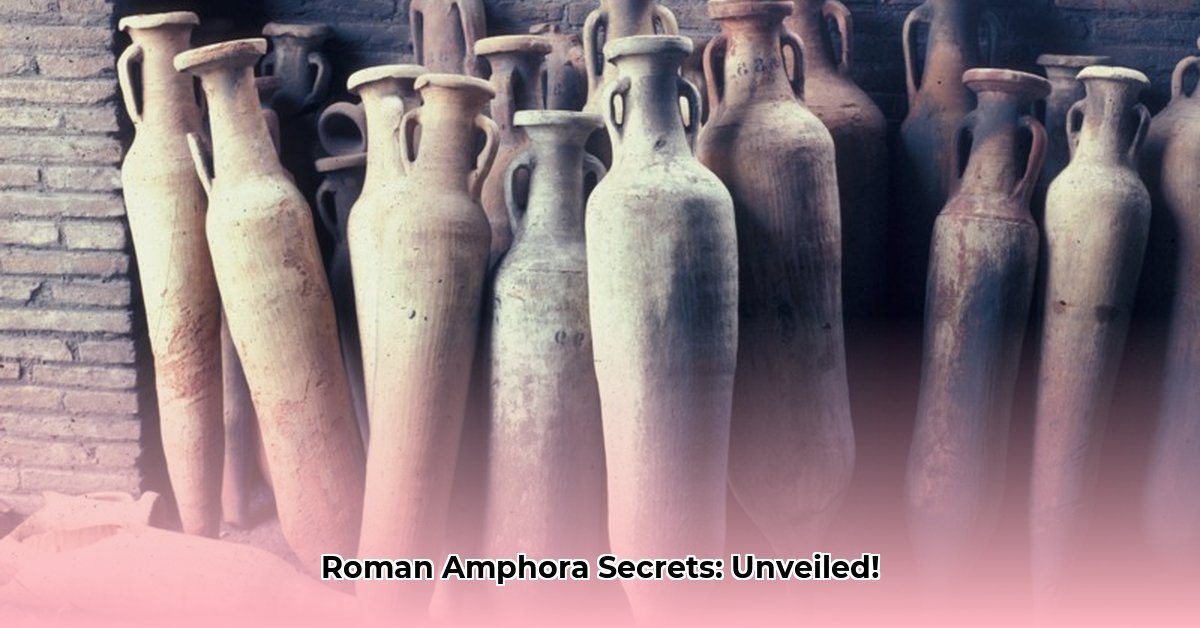
Imagine the vibrant ports of ancient Rome, bustling with ships laden with cargo from across the Mediterranean. At the heart of this thriving commerce stood the **ancient Roman amphora**, a testament to practical design and standardized production. Characterized by a distinctive pointed bottom and two vertical handles, these ceramic vessels were ingeniously crafted for efficient stacking and secure transport, whether packed tightly in a ship's hold or carried across rugged terrain.

Originating from much older Neolithic traditions and evolving through Phoenician and Greek influences, the amphora reached its zenith under Roman command. The Romans, renowned for their organizational prowess, elevated amphora production to an industrial scale. They transformed these vessels into the standardized shipping containers of their era, essential for circulating goods throughout their extensive empire.

### A Deep Dive into Amphora Types and Evolution

The history of the amphora spans millennia, with its design continually adapting to meet evolving needs. Early storage vessels, such as the massive *pithoi* used by the Minoans and Mycenaeans, primarily served as stationary storage. However, as trade expanded, the amphora emerged as the premier transport solution.

Archaeologists classify amphorae into two principal types based on their neck-to-body transition:
*   **Neck Amphorae:** Where the neck and body meet at a distinct, sharp angle. These were prevalent in early Greek periods.
*   **One-Piece Amphorae:** Featuring a continuous, graceful curve from the mouth to the body, becoming more common from the 7th century BC onwards.

Roman amphorae exhibited remarkable diversity, with over 66 distinct types identified. This standardization allowed for efficient packing and identification of contents. A pivotal breakthrough in understanding Roman types came from German scholar Heinrich Dressel in the late 19th century. His **Dressel classification system** – still used today – provided a crucial framework for categorizing vessels based on shape, size, and clay type. For instance, the heavy-walled Dressel 1 type, common in the late 2nd century BC, was gradually replaced by the lighter, more efficient Dressel 2-4 around the mid-1st century BC, significantly increasing cargo capacity on Roman ships. Further regional classifications, such as Lamboglia for Adriatic types or Beltràn for Spanish vessels, underscore the specialized nature of ancient production.

### The Art and Science of Amphora Production

Roman amphorae were predominantly wheel-thrown terracotta containers, manufactured through a meticulous, multi-stage process:
1.  **Body Formation:** The main body of the amphora was crafted first and allowed to partially dry.
2.  **Neck, Rim, and Handles:** Coils of clay were then added to form the neck, the rim, and finally, the signature two handles.
3.  **Interior Treatment:** Once complete, the interior was often treated with resin to prevent stored liquids from permeating the porous clay, a crucial step for preserving contents like wine and oil. The reconstruction of these techniques largely relies on observing traditional pottery methods still practiced in parts of the eastern Mediterranean.

Amphorae varied significantly in size, from small *amphoriskoi* (less than 12 inches high) used for perfumes, to monumental vessels reaching 5 feet in height. Most common transport amphorae stood around 18 inches tall and held a standard measure, with the Roman *amphora quadrantal* equating to approximately 26.2 liters (about 6.9 US gallons).

## Amphorae as Economic Engines: Unraveling Ancient Trade

Beyond their function as simple containers, amphorae served as crucial economic indicators, providing unparalleled insights into the pulse of ancient commerce. Their standardized shapes facilitated efficient loading and unloading, maximizing cargo space on ships and in warehouses. The sheer volume of amphorae discovered across the Roman Empire vividly illustrates the scale of ancient trade and economic interdependence, revealing complex supply chains that spanned continents.

### Decoding the Past: The Power of Stamps and *Tituli Picti*

Imagine amphorae as the ancient world's "smart containers," each bearing a wealth of information. Roman authorities and producers used various markings to track their goods:
*   **Stamps:** Typically applied to the neck, rim, or handles before firing, these acted as "maker's marks." They identified the *figlina* (workshop), the owner, or even a controlling official, akin to a modern brand or quality assurance stamp. For example, a stamp might indicate wine from Rhodes or olive oil from Baetica.
*   **_Tituli picti_ (Painted Inscriptions):** These handwritten labels, applied after the amphora was filled, provided even more granular details. They often recorded the weight of the empty container, the precise contents, the net weight, the year of production, and sometimes even the intended destination or recipient. These were essentially the shipping manifests and nutritional labels of the ancient world.

Archaeologists use these "barcodes of antiquity" to reconstruct elaborate ancient trade routes, determine the origin and volume of goods, and even deduce dietary habits. For instance, the **Monte Testaccio** in Rome, a colossal artificial mound rising 148 feet high and over half a mile in circumference, is composed of an estimated 53 million discarded amphora shards, overwhelmingly from olive oil imports. This monumental refuse heap provides tangible evidence of Rome's immense consumption and the efficiency of its supply lines.

However, relying solely on stamped amphorae to reconstruct ancient economies can introduce biases. Many vessels, particularly those used for local trade or of lesser value, were not stamped. This "stamp-centric view" can underrepresent certain regions or trade volumes if not balanced with a comprehensive analysis of all ceramic evidence. For instance, excavations at sites like Ilion (ancient Troy) have revealed significant discrepancies between stamped and unstamped finds, urging archaeologists to adopt a more holistic approach.

The **Virginia Grace Amphora Archive** at the Athenian Agora stands as a testament to the meticulous work of pioneering scholars. Housing over 20,000 stamped amphora handles, this archive has become an invaluable global resource, allowing researchers to piece together intricate patterns of supply and demand across the ancient Mediterranean. By combining study of stamps, *tituli picti*, and the amphora's overall shape and clay composition, historians can construct a more accurate and nuanced understanding of ancient Roman economic activity and its complex social dynamics. Archaeological analysis of these markings, bolstered by comprehensive databases, consistently unlocks invaluable insights into Roman trade routes, economic policies, and dietary habits.

## Beyond Commerce: The Cultural and Ritualistic Echoes of Amphorae

While primarily utilitarian, **ancient Roman amphorae** transcended their commercial purpose, weaving their way into the cultural and ritualistic fabric of ancient societies.

*   **Prizes of Glory:** In ancient Greece, particularly during the Panathenaic Games, large, beautifully decorated amphorae filled with sacred olive oil were awarded as prizes to victorious athletes. These "Panathenaic prize amphorae" often depicted the goddess Athena on one side and the specific athletic event on the other, serving as cherished mementos of triumph.
*   **Funerary Vessels:** Amphorae also played a significant role in ancient funerary practices. Outsize versions sometimes served as grave markers, while others, like the slender *loutrophoros*, were used in ritual ceremonies, including weddings and funerals. Archaeological discoveries have even revealed instances of infants buried within amphorae, suggesting a deeper, symbolic connection to life cycles and the afterlife, hinting at unique local customs or religious beliefs.
*   **Ingenious Repurposing:** The Romans, masters of practical innovation, frequently repurposed discarded amphorae. Beyond contributing to Monte Testaccio, broken shards were often integrated into construction materials, providing lightweight infill for concrete or serving as foundational pillars in marshy ground, showcasing an early form of recycling and resourcefulness in urban development.

These diverse applications highlight that even ubiquitous everyday objects could hold considerable symbolic and practical value, shaping not only trade but also the very landscape and rituals of the ancient Roman world.

## The Amphora's Modern Renaissance: A Return to Clay in Winemaking

Believe it or not, the **ancient Roman amphora** is experiencing a remarkable modern revival, particularly in the world of winemaking and brewing. Contemporary vintners are rediscovering the unique qualities that aging and fermenting in clay vessels impart to their products, offering an alternative to traditional stainless steel or oak barrels. Global amphora wine production has seen a notable increase in recent years, bridging millennia of tradition with cutting-edge viticultural trends.

### The Allure of Clay: Terroir and Flavor Expression

Modern winemakers are drawn to amphorae for several compelling reasons:
*   **Unique Flavor Profiles:** The porous nature of clay allows for subtle micro-oxidation, which can influence a wine's aroma and texture differently than oak, often resulting in wines with heightened fruit purity and distinct mineral characteristics. This contributes to unique flavor profiles not achievable with other vessels.
*   **Terroir Expression:** Amphorae are celebrated for their ability to allow the natural characteristics of the grapes and the *terroir* (the complete natural environment in which a particular wine is produced) to shine through, offering a "purer" sense of place without the strong influence of wood.
*   **Sustainability:** Clay is a natural, environmentally sustainable material, aligning with growing consumer demand for eco-conscious winemaking practices.

Regions like Bordeaux, in their quest to differentiate their wines and enhance regional identity, are actively exploring amphorae. This strategic adoption underscores a move towards unique market positioning, appealing to consumers seeking distinctive, nuanced vintages.

### Qvevri, Tinaja, Talha, and Amphora: Understanding the Nuances

While often grouped under the "clay vessel" umbrella, different ancient (and modern) traditions employ distinct types of ceramic containers, each with its own influence:
*   ***Qvevri*** **(Georgian):** Large, egg-shaped vessels buried in the earth, traditionally used for white wines with extended skin contact, creating unique orange wines.
*   ***Tinaja*** **(Spanish):** Varied in size and shape, typically unburied, used for red and white wines, offering gentle aeration.
*   ***Talha*** **(Portuguese):** Large, conical vessels used for traditional Alentejo wines, often with skin contact and spontaneous fermentation.
*   **Roman Amphora:** Typically smaller, taller, and often with distinct pointed bases, as seen in archaeological finds, now re-created for modern use.

The subtleties of each clay vessel – their specific clay composition, internal geometry, and porosity – are key to the unique maturation and flavor development they impart to the wine.

### Blending Tradition with Technology: A Balancing Act

While some winemakers wholeheartedly embrace the inherent porosity and natural temperature regulation of amphorae, others integrate modern technology. This might include applying internal linings, such as epoxy resin, to achieve a more inert vessel or employing temperature control systems to ensure consistent conditions. Finding the right balance between ancient methods and contemporary viticultural science is crucial for achieving desired wine characteristics and consistent quality in a growing market segment. Consumers' purchasing decisions are increasingly influenced by the narrative of ancient winemaking traditions, amplified through media, highlighting the importance of clear communication and authenticity from producers.

### Actionable Insights for Winemakers

To successfully integrate amphora winemaking, producers can consider:
1.  **Experimentation:** Start by experimenting with different amphora types (considering clay composition, size, and shape) and fermentation techniques to understand their influence on specific grape varietals.
2.  **Research & Standardization:** Invest in research to quantify the impact of amphora aging on wine chemistry and sensory profiles, potentially collaborating to develop standardized protocols for amphora winemaking to ensure consistent quality and authenticity.
3.  **Market Differentiation:** Incorporate amphora-aged wines into your portfolio to differentiate your brand and appeal to the growing niche market seeking unique, historically-inspired products.

## Amphorae Stamps: Expert Insights on Economic Activity

The study of **amphorae stamps** offers profound insights into ancient economic systems, revealing intricate trade routes and the complexities of ancient production and distribution. These seemingly simple marks are, in fact, crucial pieces of a vast historical puzzle.

### The Humble Amphora: More Than Just a Jar

Have you ever wondered how ancient Romans transported vast quantities of wine, olive oil, and other goods across their empire? The answer lies in the humble amphora. These clay containers, seemingly simple, offer an extraordinary window into the economic heart of the Roman world. Stamped handles, in particular, act as valuable clues to unraveling ancient trade networks and regional production.

### Reading the Stamps: Decoding the Ancient Economy

**Amphorae stamps aren't just random marks; they're essentially ancient business cards.** By analyzing these stamps, archaeologists and historians can identify the producers, workshops (*figlinae*), and even the specific regions from which the goods originated. This meticulous cataloging and research allows for the reconstruction of complex trade routes and understanding economic relationships between different parts of the Roman world with remarkable detail, revealing patterns of supply and demand. The sheer volume of goods moved, estimated in millions of tons, underscores the scale of this ancient logistics system.

### The Perils of a Stamp-Centric View

However, relying exclusively on stamped handles to reconstruct trade patterns can be misleading. Many amphorae, particularly those involved in local or informal trade, were not stamped. Focusing solely on the stamped examples can skew our understanding of actual trade volumes and regional influence. Excavations at places like Ilion (Troy) have shown that areas which did not frequently use stamps might be significantly underrepresented in economic reconstructions if a purely stamp-centric view is adopted, leading to incomplete economic models. Therefore, a comprehensive analysis must account for both stamped and unstamped fragments.

### Beyond the Stamp: A Holistic Approach

To overcome this inherent bias in archaeological data, a more comprehensive and systematic approach is essential:
1.  **Analyze Unstamped Fragments:** Meticulously examining unstamped amphora fragments, studying their shape, clay composition (e.g., through petrographic analysis), and any residue, can offer equally valuable insights into their origin and contents.
2.  **Combine Quantitative and Qualitative Data:** Evaluate the frequency of specific stamps to estimate trade volumes (quantitative). Simultaneously, conduct qualitative analyses of amphora shapes and residue to infer content and consumption patterns. Combining these approaches ensures that trade estimates accurately reflect actual cargo.
3.  **Embrace Interdisciplinary Collaboration:** No single discipline holds all the answers. Collaborating with historians, archaeologists, material scientists, and economic modelers fosters a more nuanced understanding of the ancient economy, integrating diverse perspectives and analytical tools to create a richer tapestry of historical knowledge.

### Actionable Intelligence: What Can We Do?

Understanding ancient trade through amphorae involves concerted efforts from various stakeholders:

| Stakeholders      | Short-Term Actions (0-1 Year)                                                                                                                              | Long-Term Vision (3-5 Years)                                                                                                                                                                                                 |
| :---------------- | :--------------------------------------------------------------------------------------------------------------------------------------------------------- | :--------------------------------------------------------------------------------------------------------------------------------------------------------------------------------------------------------------------------- |
| Archaeologists    | Prioritize detailed analysis of both stamped and unstamped fragments, improving dating methods and clay analysis through advanced scientific techniques.     | Develop and implement advanced statistical models that incorporate diverse archaeological data beyond stamps to refine trade reconstructions and generate more accurate economic insights.                                     |
| Historians        | Employ comprehensive amphora data to analyze economic and social dynamics, integrating these findings into broader historical narratives and academic research. | Integrate amphora findings with additional material culture evidence, textual sources, and environmental data to produce a holistic, interdisciplinary understanding of Roman commerce and socio-economic structures.          |
| Museum Curators   | Digitize existing amphora collections and all associated documentation (excavation records, conservation reports) to improve accessibility for researchers globally. | Create interactive, multi-platform exhibits showcasing the profound impact of amphorae on ancient trade, daily life, and cultural exchange, leveraging digital tools for enhanced public engagement and educational outreach. |

The legacy of scholars like Virginia Grace, whose dedication to cataloging and analyzing amphora stamps laid the foundation for much of our current knowledge, continues to inspire. By prioritizing both quantitative and qualitative data derived from these ubiquitous artifacts, we enhance our ability to reconstruct ancient economies with remarkable precision and depth, unlocking even greater insights into the complex historical narrative of human civilization.