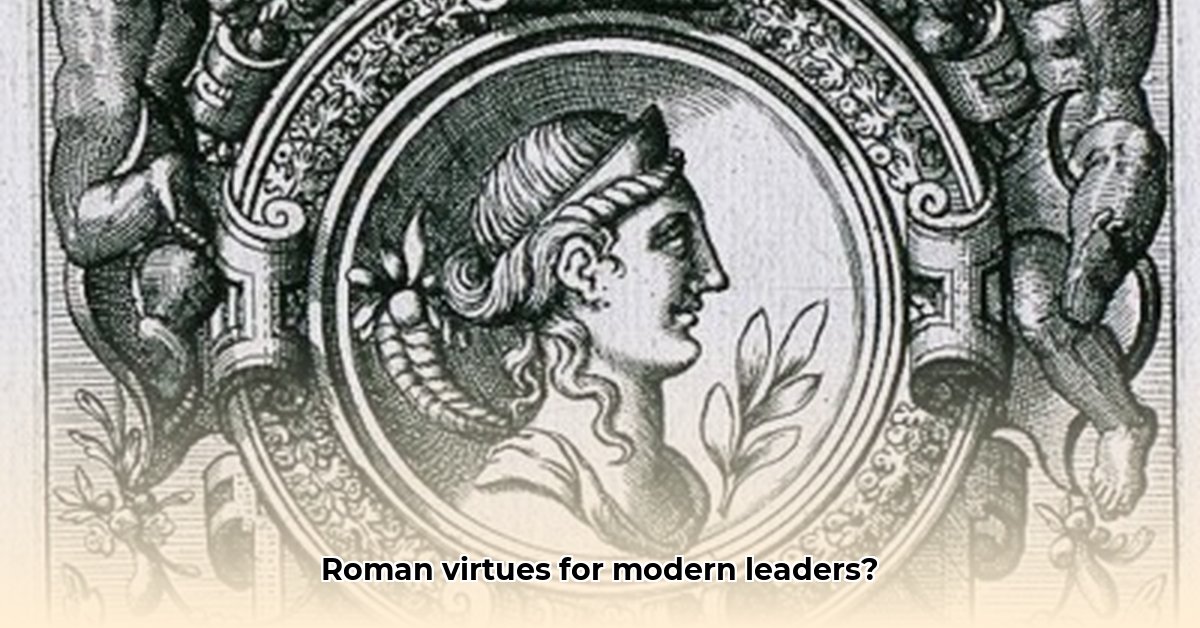
Can principles from a distant past truly illuminate our path today? Absolutely. The ancient Roman virtues, a robust ethical framework that shaped one of history’s most enduring civilizations, offer profound and actionable lessons for ethical leadership, personal excellence, and civic responsibility in our contemporary world. Explore more on the topic of Roman ideals. This comprehensive guide delves into these enduring ideals, providing clear pathways to integrate them into your life, work, and community, fostering a legacy of integrity and societal impact.
The Foundational Pillars: Ethical Governance Rooted in Roman Character
The enduring strength of ancient Rome stemmed not merely from its military might but from a deeply ingrained moral compass. Core principles like Virtus (courage and excellence), Pietas (duty and devotion), and Dignitas (self-respect and honor) were more than abstract concepts; they were the very sinews of Roman society, guiding personal conduct, military strategy, and civic administration. Understanding these ancient principles is the first step toward making them resonate and take root in our lives today.
Decoding the Roman Moral Framework: Learn from the Ancients
To grasp the transformative power of Roman virtues, it is crucial to understand their essence and historical context:
- Virtus (Courage and Excellence): Derived from vir (man), Virtus initially signified martial courage and manliness. Over time, it evolved to encompass a broader spectrum of excellence, implying a relentless pursuit of the highest standards in all endeavors. It embodies resilience in confronting challenges directly, demonstrating an unwavering commitment to outstanding performance. A true display of Virtus meant achieving glory for the res publica (public good), not personal gain. Roman figures like Cincinnatus, who famously left his plow to serve as dictator in a time of crisis and then promptly returned to his farm after achieving victory, perfectly embodied this selfless excellence.
- Pietas (Duty and Devotion): Far more than religious piety, Pietas signified unwavering loyalty, respect, and responsibility towards one’s family (familia), community (res publica), the gods, and ancestors. It was the steadfast commitment to fulfilling all obligations—a profound respect for the natural order, socially, politically, and religiously. This virtue underscored patriotism and devotion to others, forming the bedrock of Roman social cohesion. Aeneas, the mythical founder of Rome, is often depicted as the epitome of Pietas in Roman literature, tirelessly fulfilling his divine duty despite immense personal hardship.
- Dignitas (Self-Respect and Honor): To uphold Dignitas was to maintain one’s integrity and reputation in every circumstance. It demanded aligning choices with one’s deepest values, demonstrating a sense of self-worth that was inextricably linked to public standing and ethical conduct, even when faced with significant adversity. It was the outward manifestation of inner worth, earned through virtuous actions but also inherited through a distinguished lineage. Roman statesman Cicero, a novus homo (new man) who rose to prominence without an aristocratic background, vigorously argued that true Dignitas was earned through individual merit and Virtus, not solely through birth.
Practical Steps to Cultivate Roman Virtues in Modern Life
To truly embody these virtues, consider a systematic approach, viewing your daily actions as crucial building blocks for a more virtuous character and profound societal impact.
Step-by-Step Cultivation for Individuals: Your Personal Guide
- Strive for Virtus: Pursue Excellence with Purpose. Do not merely fulfill requirements; aim for mastery and exceptional quality in every task. This involves setting ambitious goals, continuously refining your skills through diligent learning, and viewing setbacks as crucial opportunities for growth and resilience.
- Self-Reflection: Do you consistently push beyond what is merely sufficient, seeking ways to innovate and improve?
- Embrace Pietas: Honor Your Commitments with Devotion. Actively recognize and fulfill your responsibilities to family, colleagues, community members, and those you serve in your profession. Fulfill these obligations with unwavering dedication and integrity, prioritizing the needs of the collective.
- Actionable Step: Clearly identify your key responsibilities across all aspects of your life. Prioritize your time and energy to meet these commitments, and actively seek avenues to support and uplift those around you.
- Uphold Dignitas: Act with Unwavering Integrity and Self-Worth. Maintain your self-respect and uphold your ethical principles in all situations, regardless of external pressure or temptation. Let your decisions and actions consistently reflect your core values, demonstrating honesty and transparency in all your interactions to build an unshakeable reputation.
- Practical Exercise: Take time to clarify your personal values. Regularly assess your decisions against these values, ensuring consistency and authenticity in your conduct.
Guiding Principles for Educators: Inspiring Future Ethical Leaders
Educators and historians hold a unique and pivotal position to transmit the wisdom of these ancient Roman virtues. Making these lessons resonate with students and fostering a strong moral compass in future generations is paramount.
- Integrate into Curriculum: Weave discussions about these virtues into history, ethics, civics, and leadership studies. Utilize compelling historical examples from Rome, alongside pertinent contemporary events, to illustrate their enduring and universal relevance.
- Present Nuance and Complexity: Teach the multifaceted nature of Roman society, highlighting the inherent tensions and contradictions between their ideals and reality. Acknowledge Roman flaws, such as issues of slavery or expansionism, to provide a balanced and critical perspective that deepens understanding.
- Forge Cross-Cultural Connections: Explore the universality of these principles by comparing Roman virtues with ethical frameworks found in other cultures and historical periods (e.g., Greek arete, Confucian ethics). This reveals that concepts like civic duty, personal growth, and societal harmony are deeply ingrained human aspirations.
Influencing Policy with Ancient Wisdom: Insights for Leaders and Policymakers
Leaders and policymakers can profoundly harness these ancient principles to strengthen governance, inspire community responsibility, and build a more just society. How might these virtues shape contemporary policy decisions and public service?
| Virtue | Policy Implication |
|---|---|
| Virtus | Courageous Governance: Demonstrate the courage necessary to make difficult, long-term decisions that serve the greater good of all citizens, even when such choices are unpopular or demand significant personal sacrifice. This includes addressing systemic issues. |
| Pietas | Citizen-Centric Welfare: Prioritize the comprehensive welfare of all citizens, particularly vulnerable populations. Foster a profound sense of shared responsibility and mutual support within the community, indicating policies that encourage active civic engagement and social cohesion. |
| Dignitas | Ethical & Accountable Leadership: Practice exemplary ethical governance. Champion justice, fairness, and equity for all citizens through transparent and impartial legal and administrative systems. This implies creating frameworks characterized by robust transparency and accountability mechanisms. |
| Iustitia | Fairness in Law & Society: Ensure that laws are applied equitably to all individuals, fostering a just society where rights are protected and disputes are resolved impartially. This includes advocating for judicial reform and access to justice. |
| Prudentia | Wise & Foresighted Policy: Employ foresight and practical wisdom in policy formation, carefully considering short-term impacts alongside long-term consequences. This involves data-driven decision-making, expert consultation, and adaptive strategies. |
By consistently emphasizing integrity, dedicated public service, and the common good, leaders can cultivate profound public trust, foster essential collaboration, and guide their organizations and nations toward sustained success and long-term well-being, echoing the fundamental Roman commitment to the res publica.
Cultivating a Deeper Understanding of Roman Virtues: Beyond the Core
The Roman virtues were foundational to their societal strength, yet they were not static constructs; they evolved with time and experience. Can we, in this modern era, truly embody the spirit of Gravitas (seriousness and dignity) or Firmitas (tenacity)? The persistent relevance of these values suggests a resounding “yes.”
Expanding the Roman Moral Compass: More Virtues for Modern Application
Beyond the initial trio, several other virtues fortified the Roman character, offering additional, practical guidance for contemporary life:
- Pietas (Duty, Devotion): As explored, this expands to dutifulness towards your community, your chosen profession, and your nation. To practice Pietas now, consider volunteering your time, being a responsible and informed citizen, and honoring all your professional and personal commitments with unwavering dedication.
- Firmitas (Tenacity, Resolve): Rome was not built in a day, nor is personal character or a thriving society. Firmitas is unwavering perseverance and strength of mind, the ability to stick to one’s purpose despite obstacles. To practice Firmitas, set challenging yet realistic goals, embrace setbacks as vital learning experiences, and steadfastly pursue what truly matters with resilience and determination.
- Frugalitas (Frugality, Simplicity): This virtue is not about being miserly but about living purposefully, avoiding excess and unnecessary extravagance. It champions economy and simplicity of style. To practice Frugalitas, engage in mindful spending, appreciate life’s simple pleasures, and consciously avoid unnecessary consumerism, focusing on true value rather than fleeting trends.
- Gravitas (Seriousness, Dignity): Gravitas denotes a profound sense of responsibility, weightiness, and earnestness in one’s demeanor and actions. It implies a commitment to making sound, thoughtful decisions. To practice Gravitas, approach challenges and responsibilities with careful consideration, weigh all options meticulously, and act always with integrity, demonstrating a composed and dignified presence.
- Iustitia (Justice): This virtue encompasses fairness, impartiality, and adherence to law and ethical principles. It means treating all individuals equitably and making decisions based on what is right, rather than what is expedient or biased.
- Prudentia (Prudence): Foresight, wisdom, and practical discretion. It is the ability to discern the appropriate course of action in a given situation, making wise choices through careful deliberation and anticipation of consequences.
- Honestas (Respectability): The image one presents as a respectable member of society. It reflects integrity, honor, and adherence to high moral standards in public life.
Actionable Strategies for Stakeholders: A Roadmap for Virtue Integration
Here’s how different groups can embed Roman virtues into their daily operations and long-term goals, fostering resilience and accountability from the ground up:
| Stakeholders | Short-Term (0-1 Year) | Long-Term (3-5 Years) |
|---|---|---|
| Individuals | Select one virtue (e.g., Frugalitas or Firmitas) and consciously practice it in daily actions, documenting progress and challenges in a journal. Seek mentorship from virtuous individuals. | Systematically integrate all key Roman virtues into your core personal values, allowing them to guide all ethical decision-making, professional conduct, and personal interactions, fostering unwavering character and resilience. |
| Leaders/Organizations | Introduce ethical leadership training programs grounded in virtues like Gravitas, Iustitia, and Honestas. Implement clear codes of conduct that reflect these values. | Cultivate an organizational culture where virtuous behavior is explicitly recognized, celebrated, and rewarded. Establish robust systems for transparency and accountability at all levels, reinforcing moral clarity. |
| Educators | Incorporate Roman virtues into history, philosophy, and civics curricula, prompting critical analysis of ethical frameworks through engaging discussions and debates. | Develop comprehensive, interdisciplinary case studies that illustrate Roman virtues in contemporary scenarios (e.g., business ethics, environmental policy), deepening student understanding and fostering practical relevance. |
A Call to Ethical Leadership: Shaping Tomorrow’s World with Roman Principles
In our increasingly complex and interconnected global landscape, ethical leadership is not merely desirable; it is paramount. The Roman virtues provide a robust, time-tested framework for its cultivation. By embodying qualities like Gravitas, Iustitia, and Prudentia, leaders can inspire profound trust, foster essential collaboration, and guide their organizations and communities toward sustained success and long-term well-being. Their decisions, rooted in these ancient ideals, can create a ripple effect, building stronger, more resilient societies.
The Enduring Legacy: Fostering Dignitas and Long-term Well-being
The Roman ethical compass reveals much about the enduring challenges and triumphs of civilization. Early Roman society emphasized virtues like Pietas, Gravitas, and Dignitas as the cornerstones of individual and national character. These principles profoundly influenced leadership, legal systems, and family dynamics, providing a blueprint for the Future of Dignitas in any society.
Building Blocks of Roman Ethics: A Moral GPS for Society
The bedrock of Roman ethics comprised both deeply personal and publicly demonstrated virtues. Pietas (duty, loyalty), Gravitas (seriousness, responsibility), and Dignitas (dignity, self-worth tied to reputation) were not abstract words; they were the actual structural components of their society—a moral GPS for navigating life. A modern leader consistently embodying Gravitas, for instance, would undoubtedly inspire immense confidence, respect, and loyalty from their constituents and teams.
The Balancing Act: Individual Flourishing vs. Collective Good
The Romans constantly grappled with the inherent tension between individual freedoms and the common good—a concept powerfully encapsulated by the maxim: Salus populi suprema lex esto (Let the well-being of the people be the supreme law). How does one reconcile personal ambition and individual flourishing with the greater needs of the state or community? This timeless question resonates powerfully today, especially as modern governments and organizations increasingly address concepts of collective Long-Term Well-Being and the Future Of Dignitas for all citizens.
Moral Evolution: Lessons from Republic to Empire
As Rome swelled with unprecedented wealth and power, its moral values underwent discernible shifts. The austere discipline and civic-mindedness of the early Republic gradually yielded to the perceived decadence and self-interest of certain periods within the Empire. This historical trajectory serves as a crucial warning about how unchecked prosperity, power, or complacency can erode fundamental ethical frameworks and potentially lead to societal and moral decline. It underscores the perpetual need for vigilance in upholding virtues.
Timeless Lessons for Today’s Leaders: A Practical Guide for Our Era
What can we truly glean from the rich tapestry of the Roman experience? How can their enduring virtues be practically applied to contemporary leadership challenges in government, business, and daily life?
- Engage in Consistent Ethical Self-Reflection: Leaders must consistently evaluate their decisions and actions against a strong ethical standard. This involves embodying virtues such as unwavering integrity, transparent fairness, and profound accountability in every aspect of their public and private lives.
- Cultivate Radical Transparency: Foster an environment where open and clear communication is paramount. This builds indispensable trust within teams and with the public, and actively serves as a powerful deterrent against corruption, mirroring the Roman ideal of public scrutiny.
- Prioritize a Long-Term, Holistic Vision: Focus deliberately on sustainability, social responsibility, and intergenerational equity, extending far beyond mere short-term profits or immediate political gains. This reflects the Roman commitment to building institutions and a society designed to endure and flourish across centuries.
- Embrace Resilience and Adaptability: Just as Rome adapted through crises, modern leaders must cultivate Firmitas—the tenacity to weather storms and pivot with Prudentia when new challenges arise, ensuring their organizations remain robust and ethical.
The Roman experience demonstrates unequivocally that values are not static; they are dynamically negotiated, reinforced, and redefined in response to profound societal, political, and cultural shifts. By examining the ideals Romans aspired to, we gain profound insight into the enduring relevance of virtue ethics in modern society. How will you intentionally incorporate these ancient ideals into your leadership approach to ensure the concept of a shared Future Of Dignitas – Leadership – Long Term Well-Being is deeply instilled in the generations to come?
Consider this: Roman virtues were far more than abstract ideals or philosophical musings; they were, in fact, a powerful, lived way of life that built an empire. By consciously embracing and practicing them, individuals can profoundly improve their own character, contribute significantly to a more just and thriving society, and leave a truly lasting legacy for everyone.
Citation:










