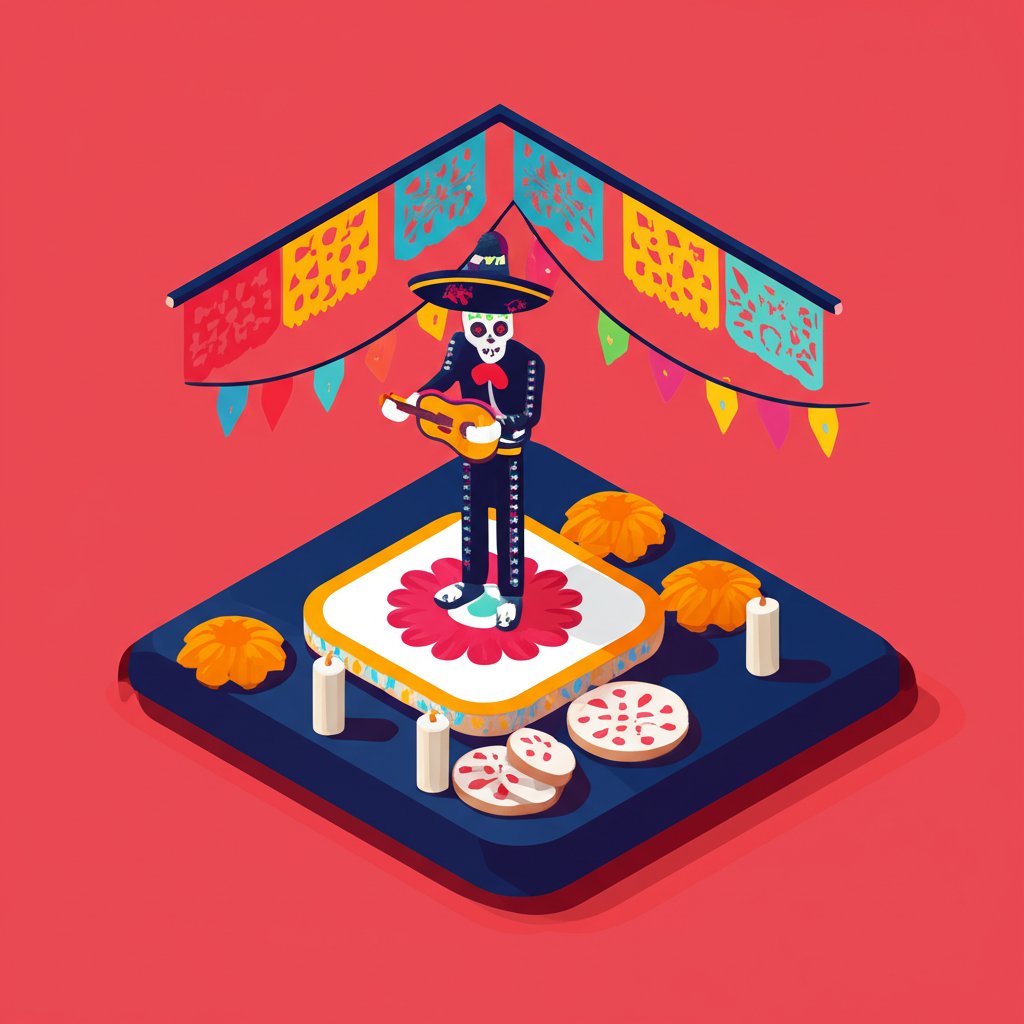
Step into Guadalajara, the “Pearl of the West,” and prepare to be enchanted. This city, nestled in the heart of Jalisco, Mexico, is a living canvas where centuries-old customs are not just preserved but vibrantly celebrated. For any traveler or cultural enthusiast, truly understanding the spirit of Mexico means immersing oneself in the Guadalajara traditions. While countless facets contribute to its unique charm, none shine brighter or echo louder than the soulful strains of Mariachi music and the vivid, heartfelt commemorations of Día de Muertos. This article will guide you through the rich tapestry of Guadalajara culture, ensuring you discover the magic that makes this city an unparalleled cultural destination.
The Soul of Charro Land: An Overview of Guadalajara Culture
Guadalajara stands as a monument to Mexican heritage, rightfully earning its title as a Gamma+ global city and a quintessential cultural center. More than just a bustling metropolis, it’s the cradle of many iconic symbols that define Mexico worldwide. The traditions of Guadalajara are a rich blend of indigenous roots, Spanish colonial influences, and modern expressions, creating a dynamic identity that is both authentic and welcoming. From its historic center, adorned with colonial architectural marvels, to its lively plazas, every corner tells a story of profound cultural depth.
Beyond the sounds of mariachi, understanding the essence of the city involves delving deeper into its unique cultural DNA, exploring its underlying cultural traits that shape the identity of Guadalajara and its people.
More Than Mariachi: Other Pillars of Tapatío Identity
While Mariachi music reigns supreme, the broader Guadalajara culture encompasses much more. It’s the birthplace of Tequila, Mexico’s most famous spirit, deeply intertwined with the region’s agave landscapes. The equestrian art of Charrería, Mexico’s traditional rodeo, with its skilled cowboys (charros) and beautiful charras, is another proud tradition. Festivals celebrating film, literature (like the Guadalajara International Book Fair, the largest in the Americas), and even gastronomy showcase the city’s diverse cultural appetite. This holistic approach to preserving and innovating culture makes the traditions of Guadalajara an endlessly fascinating subject.
The Resonating Heartbeat: Mariachi Music Guadalajara
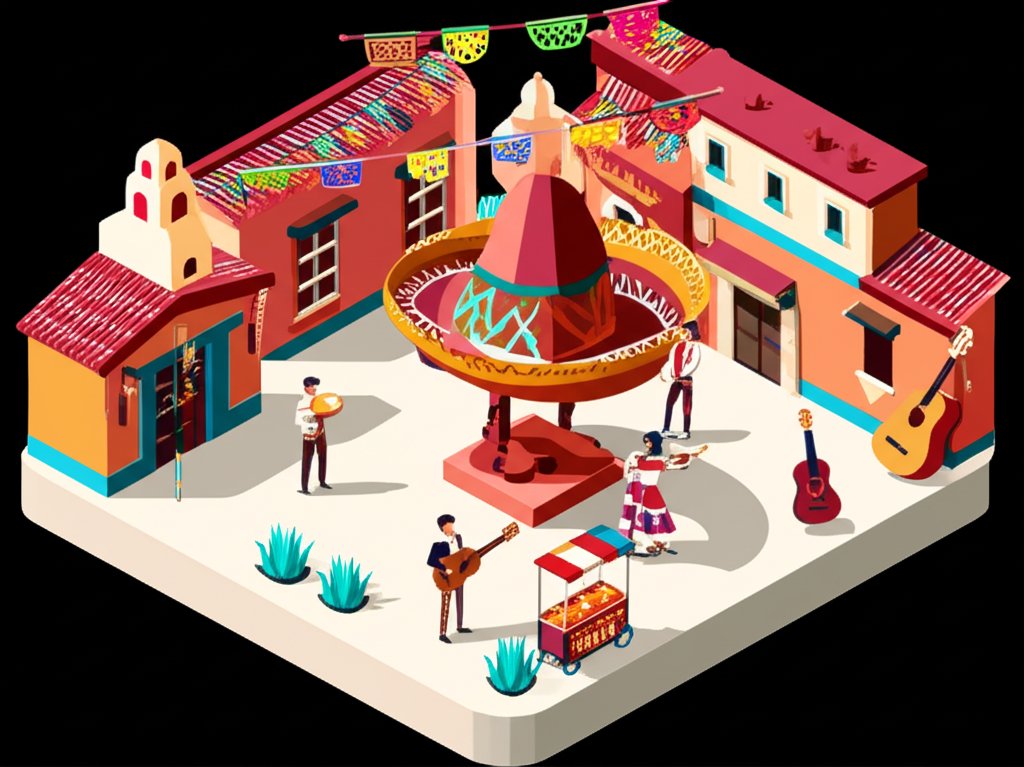
No sound is more synonymous with Mexico than Mariachi, and no city embraces it with more fervor than Guadalajara. The robust, passionate melodies of trumpets, violins, guitarrón, and vihuela form the very soundtrack of daily life and celebration here. To experience Mariachi music Guadalajara is to feel the heart of Mexico beat in rhythm.
From Cocula’s Fields to Guadalajara’s Plazas: A Rich History
While the specific origin point of Mariachi is often attributed to the nearby town of Cocula, Jalisco, it was Guadalajara that truly elevated the genre, giving it its international renown. The connection solidified in the early 20th century when Guadalajara’s Mariachi bands gained national and then international exposure, transforming regional folk music into a national symbol. Today, Mariachi music Guadalajara is deeply embedded in the city’s identity, symbolizing joy, romance, longing, and national pride. The intricate harmonies and soaring vocals tell stories of love, heartbreak, and everyday life, resonating with a universal appeal.
The International Mariachi and Charrería Encounter
One of the most spectacular expressions of Mariachi music Guadalajara is the annual International Mariachi and Charrería Encounter. For ten days, usually in late August and early September, the city transforms into a global stage for Mariachi. Bands from all over the world converge, performing in grand concert halls like the majestic Teatro Degollado, as well as in spontaneous street performances across city plazas. This festival is a vibrant showcase of talent and a testament to the enduring power of these Guadalajara traditions. Beyond the music, the Charrería events highlight the impressive horsemanship and traditional skills of charros, adding another layer of rich cultural display.
Where to Experience Authentic Mariachi Music in Guadalajara
To truly immerse yourself in Mariachi music Guadalajara, here are some must-visit spots:
- Plaza de los Mariachis: Located near the San Juan de Dios Market, this iconic plaza is perhaps the most famous spot to encounter live Mariachi. Here, groups perform for tips or can be hired for serenades, filling the air with their joyous tunes well into the night.
- Teatro Degollado: During the International Mariachi and Charrería Encounter, this historic theater hosts gala concerts featuring world-renowned Mariachi groups.
- Local Restaurants and Bars: Many traditional restaurants and cantinas throughout the city feature live Mariachi performances, providing the perfect backdrop for enjoying local cuisine and drinks. Look for places in areas like Tlaquepaque or Chapultepec.
- Sunday Serenades: Keep an eye out for free public concerts in city squares, especially on weekends, where local Mariachi bands often gather.
A Bridge Between Worlds: Día de los Muertos Guadalajara
Among the most captivating and deeply spiritual Guadalajara traditions is the celebration of Día de Muertos (Day of the Dead). Far from a somber occasion, this ancient Mesoamerican tradition, fused with Catholic influences, is a vibrant and heartfelt tribute to deceased loved ones. In Guadalajara, the celebration of Día de los Muertos Guadalajara is a spectacle of color, remembrance, and community, illustrating the Mexican belief in the continuity of life.
Honoring Ancestors: The Spiritual Significance
Día de Muertos, observed primarily on November 1st and 2nd, is a time when the veil between the living and the dead is believed to thin, allowing spirits to return home for a visit. Families prepare elaborate ofrendas (altars) adorned with marigolds, candles, photographs, favorite foods, and drinks of the departed, inviting them back for a celebratory feast. This profound tradition reflects a unique approach to death—not as an end, but as a natural part of the cycle of life, worthy of honor and joyful remembrance.
Guadalajara’s Grand Celebrations: Calaverandia and Beyond
The observance of Día de los Muertos Guadalajara is a city-wide event, featuring everything from solemn cemetery vigils to exuberant public festivals. One of the most popular and immersive experiences is Calaverandia, a spectacular theme park that comes alive exclusively for Día de Muertos. Situated in Parque Ávila Camacho, Calaverandia offers:
- Immersive Experiences: Multimedia shows, light displays, and artistic installations that explore the themes of life and death in a magical setting.
- Monumental Ofrendas: Grand-scale altars that showcase traditional elements with stunning artistry.
- The Inframundo and Cementerio Zones: Themed areas that blend art, mysticism, and entertainment, allowing visitors to walk through a reimagined underworld.
Beyond Calaverandia, you can experience Día de los Muertos Guadalajara through:
- Public Altars: Many public buildings, museums, and universities display elaborate ofrendas.
- Parades and Catrina Exhibitions: Expect colorful processions featuring people dressed as ‘Catrinas’ (elegant skeletal figures) and artistic installations around the city center.
- Pan de Muerto: Indulge in this traditional sweet bread, often flavored with orange blossom and adorned with bone-shaped dough, found in bakeries across the city.
- Cemeteries: Visiting cemeteries like Panteón de Belén can offer a more intimate glimpse into family vigils and decorated gravesites.
Crafting Memories: Ofrendas and Local Customs
Central to Día de los Muertos Guadalajara are the ofrendas. These altars are meticulously crafted by families in their homes, in schools, and public spaces, acting as a gateway for the returning spirits. Each element has symbolic meaning:
- Cempasúchil Flowers (Marigolds): Their vibrant color and strong scent guide spirits home.
- Candles: Light the path for the spirits.
- Calaveritas de Azúcar: Sugar skulls, often inscribed with the names of the deceased or living friends, symbolize death and rebirth.
- Papel Picado: Delicate perforated paper banners representing the fragility of life and the union of life and death.
- Food and Drink: The deceased’s favorite meals, pan de muerto, and beverages, providing sustenance for their journey.
These customs are a profound expression of love and memory, reinforcing strong familial bonds and creating an unforgettable experience that defines the soulful traditions of Guadalajara.
Beyond the Big Two: Other Essential Guadalajara Traditions and Festivals
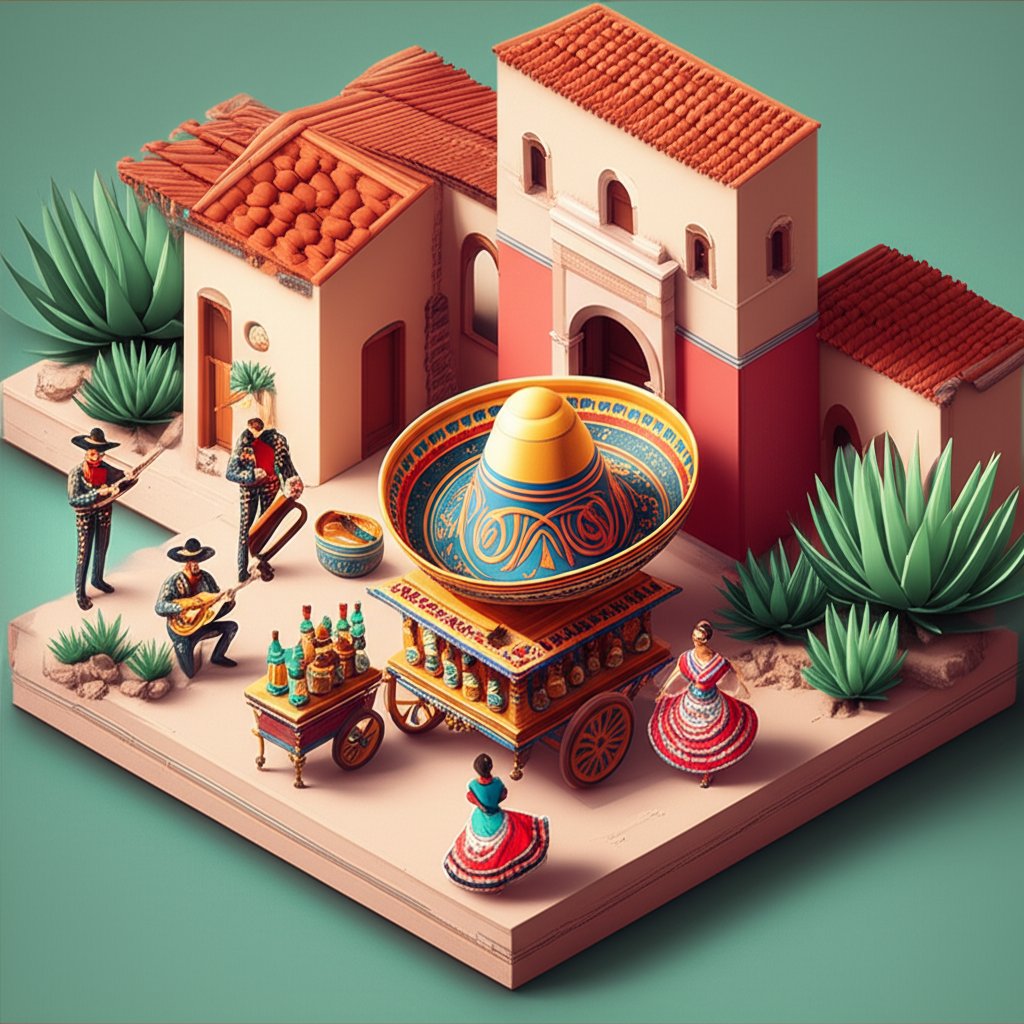
While Mariachi and Día de Muertos are highlights, the Guadalajara traditions calendar is packed with events that showcase the city’s dynamic cultural life year-round. These celebrations offer deeper insights into the regional character and historical fabric of the “Perla Tapatía.”
May Cultural Festival & October Festival
Guadalajara hosts several significant annual festivals that draw crowds globally:
- May Cultural Festival: Established in 1998, this month-long extravaganza celebrates the arts, paying homage to the region’s indigenous heritage while showcasing contemporary expressions. It features a diverse program of music, dance, theater, visual arts, and literary events.
- October Festival: This extensive festival, running throughout October, offers a broad spectrum of cultural activities, from traditional crafts and art exhibitions to popular musical performances and, crucially, a celebration of Jalisco’s gastronomy. It’s an excellent opportunity to explore various Guadalajara traditions in one go.
The Procession of the Virgin of Zapopan
Religious devotion forms another cornerstone of Guadalajara culture. The Procession of the Virgin of Zapopan is one of the most significant religious traditions in Mexico. Held annually on October 12th, this event sees thousands of devoted followers accompany the revered statue of the Virgin of Zapopan on a pilgrimage from the Guadalajara Cathedral to her basilica in Zapopan. It’s a deeply spiritual and moving experience that highlights the city’s enduring faith and communal spirit.
Gastronomy: A Taste of Guadalajara’s Heritage
Food is a language of love and tradition in Guadalajara. The city’s culinary landscape is a key part of Guadalajara traditions, boasting flavors and dishes unique to Jalisco.
- Torta Ahogada: The “drowned sandwich” is perhaps Guadalajara’s most iconic dish—a crispy birote bread roll filled with succulent carnitas, drenched in a spicy tomato and chili sauce. It’s a must-try for any visitor.
- Birria: A savory stew (often goat or lamb), slow-cooked with a rich chili broth, served with tortillas. It’s a staple of Guadalajara culture, perfect for a hearty meal.
- Carne en su Jugo: “Meat in its juices,” a flavorful dish of diced beef, bacon, beans, and crispy onion, served in its own rich broth.
- Tejuno and Tepache: Traditional fermented corn beverages that offer a refreshing taste of local customs.
Exploring the markets and street food stalls provides an authentic immersion into the gastronomic traditions of Guadalajara, revealing the passion locals have for their culinary heritage.
Embrace the Enchantment: Experiencing Guadalajara’s Vibrant Traditions
Guadalajara is a city that invites you to not just observe but to actively participate in its vibrant life. The Guadalajara traditions, from the soul-stirring Mariachi to the colorful reverence of Día de Muertos, are threads woven into the very fabric of daily existence. Each custom, ceremony, and festival offers a unique window into the Mexican soul, promising an experience that is both enlightening and deeply moving.
Whether you’re listening to a Mariachi serenade under the stars, marveling at the artistry of a Día de Muertos ofrenda, or savoring the authentic flavors of a torta ahogada, you’re not just witnessing history; you’re becoming a part of it. The enduring spirit, warmth, and hospitality of Guadalajara’s people make these traditions come alive, creating memories that linger long after you’ve left. So, pack your bags, open your heart, and prepare to be captivated by the extraordinary Guadalajara traditions—a true celebration of life, death, and everything in between.
FAQ
Q1: What are the most famous traditions in Guadalajara?
A1: Guadalajara is most famous for being the birthplace of Mariachi music and a vibrant center for celebrating Día de Muertos. Other significant traditions include the equestrian sport of Charrería, its unique regional cuisine (like torta ahogada and birria), and major festivals such as the International Mariachi and Charrería Encounter and the October Festival.
Q2: Is Guadalajara a good place to experience Día de Muertos?
A2: Absolutely! Guadalajara offers a magnificent experience for Día de Muertos. The city hosts elaborate public ofrendas and parades, and uniquely, features Calaverandia, a large-scale immersive theme park dedicated to the celebration. Many families also create traditional altars in their homes, and local bakeries sell pan de muerto.
Q3: Where can I see live Mariachi music in Guadalajara?
A3: The most iconic place to experience live Mariachi music is the Plaza de los Mariachis, where bands perform regularly. You can also find performances in traditional restaurants and cantinas, particularly in areas like Tlaquepaque. During the annual International Mariachi and Charrería Encounter, the Teatro Degollado hosts gala concerts.
Q4: What is the significance of the International Mariachi and Charrería Encounter?
A4: This annual festival is a global celebration of Mariachi music and Charrería. It unites Mariachi bands from around the world to perform and compete, showcasing the genre’s diversity and mastery. The accompanying Charrería events highlight the traditional skills of Mexican cowboys, emphasizing the cultural heritage of Jalisco.
Q5: What traditional foods should I try in Guadalajara?
A5: When in Guadalajara, you must try the torta ahogada (a “drowned sandwich” with pork and spicy sauce), birria (a flavorful stew), and carne en su jugo (meat in its own juices). Don’t forget to sample pan de muerto during Día de Muertos and try local beverages like Tequila and tejuno.
Q6: How does Guadalajara incorporate its indigenous roots into its culture?
A6: Guadalajara’s culture is a rich tapestry that includes indigenous influences alongside Spanish colonial heritage. This is evident in some traditional crafts, certain culinary practices, and the themes explored in festivals like the May Cultural Festival, which often pays homage to the region’s pre-Hispanic artistic and spiritual traditions.
Q7: What is the best time of year to visit Guadalajara for its traditions?
A7: To experience specific traditions:
However, Mariachi music and delicious cuisine can be enjoyed year-round.










